
Black rhinos preferred familiar associates — and some social ties were linked to higher mortality risk
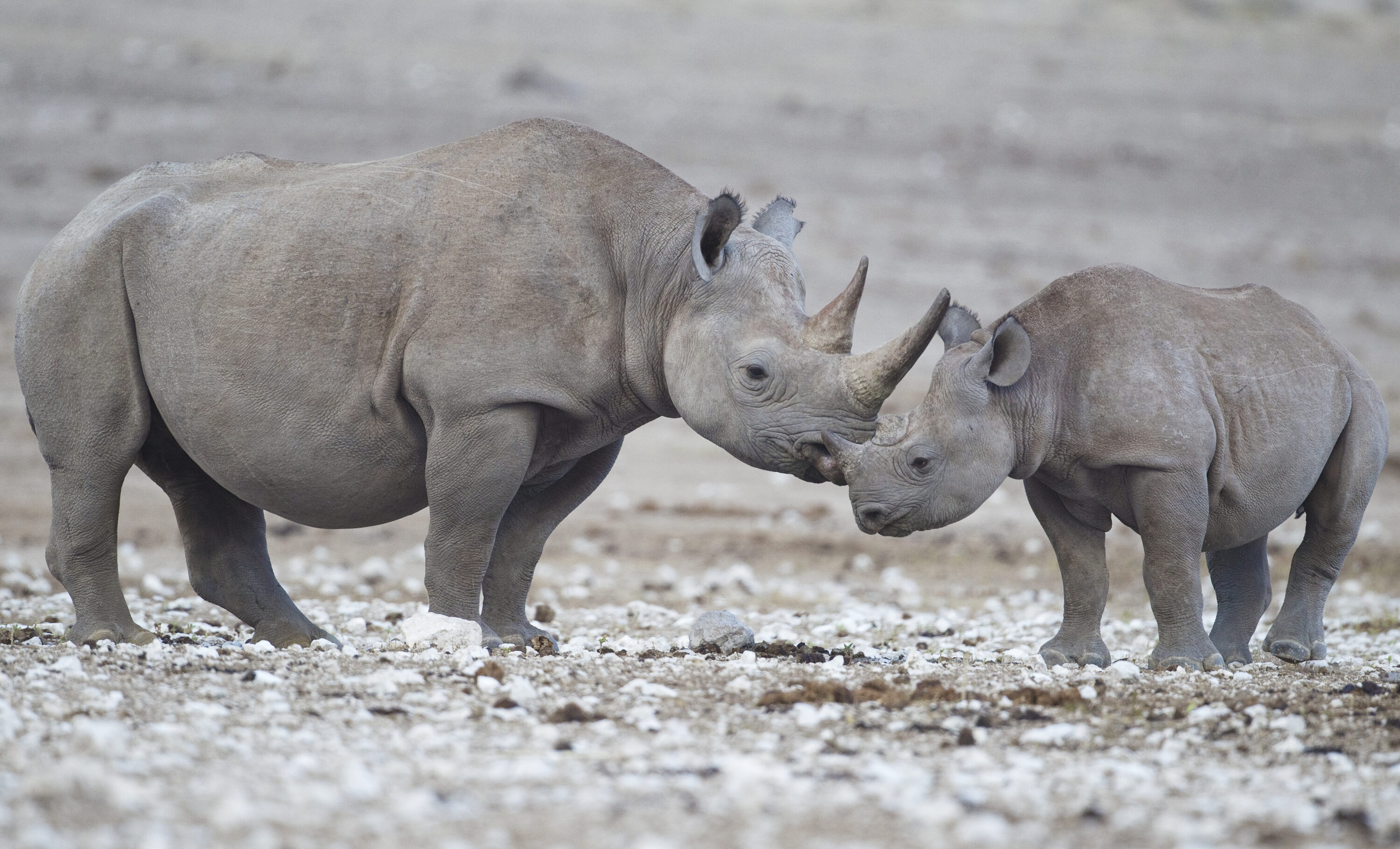
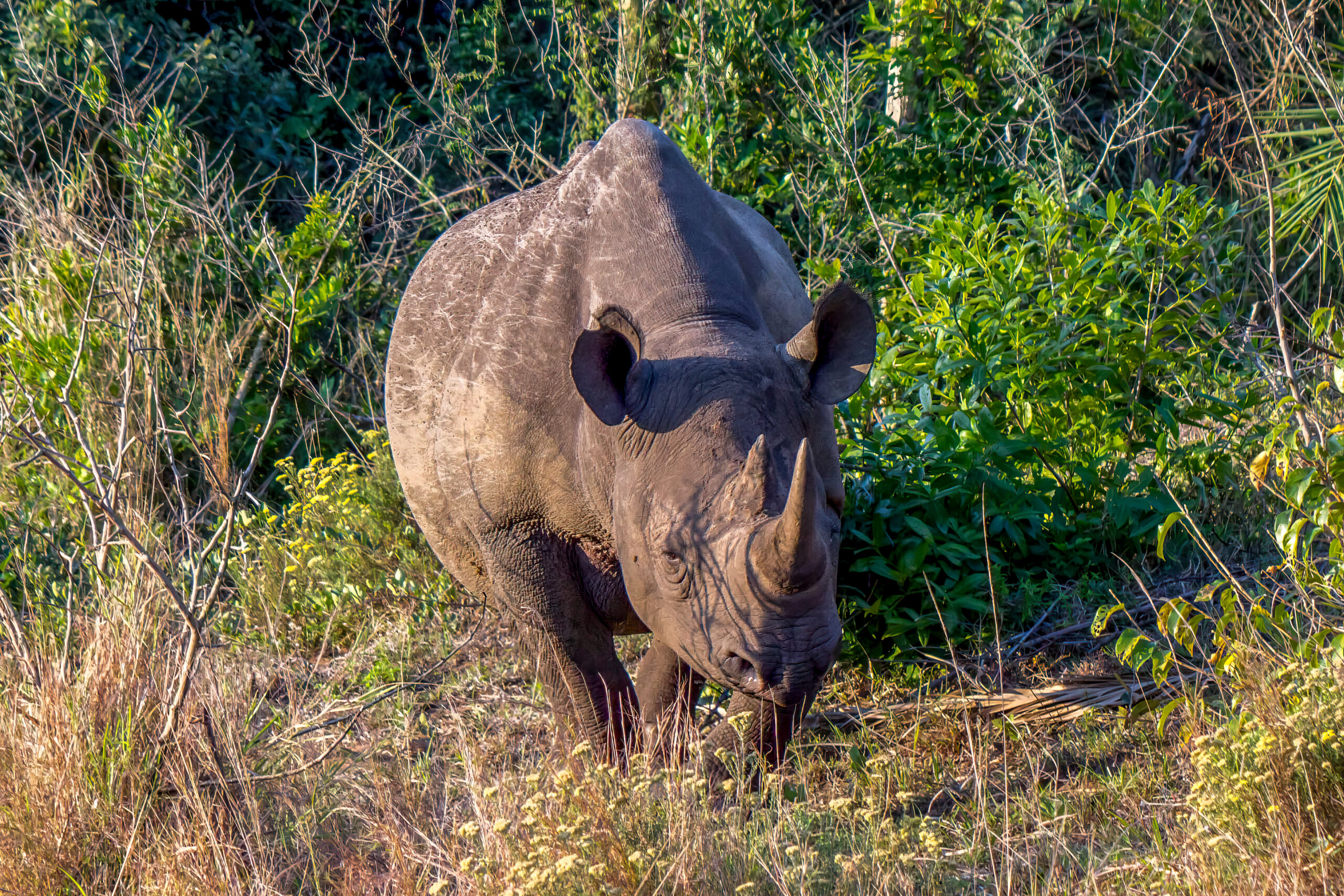
A 2026 study based on nearly 70,000 sightings has shown that black rhinoceroses (Diceros bicornis) form persistent social associations despite being predominantly solitary. Individuals were more likely to associate with rhinos they already knew, while the nature of those associations was also linked to long-term mortality risk.
Researchers analysed 69,920 sightings of 542 individually identified black rhinos from 14 reserves in South Africa and Malawi. Monitoring teams recorded whether animals were alone or within 50 metres of other rhinos. Repeated sightings of the same pair were then used to estimate how strongly those two animals associated, allowing the researchers to test whether relationships persisted from calf to subadult and from subadult to adult.
Repeated associations persisted across life stages
Most sightings involved solitary animals: 69.2% were of single rhinos. Pairs accounted for 22.7%, groups of three for 6.2%, groups of four for 1.5%, and larger groups for 0.4%. Even so, repeated associations were not random. A rhino that was often seen with a particular individual during one life stage was more likely to retain that association into the next, especially from calf to subadult and from subadult to adult.
Social patterns also differed with age and sex. Subadult males had the highest rate of association with particular individuals, while adult females associated with the greatest number of different rhinos. Males generally associated with more males and females with more females, although the strength of that pattern varied between life stages.
Some social ties were linked to higher mortality risk
Calves that associated with other rhinos at higher rates had a higher long-term mortality risk. Among adults that had been observed with at least one unrelated rhino, mortality risk was also higher when a larger proportion of their associates were males or when associates were closer to their own age. Within this same subset of socially observed adults, males had lower mortality risk than females.
The authors interpret these patterns in the context of the species’ aggressive social interactions. Fighting was not the dominant recorded cause of death in the study populations, so the mortality patterns need not reflect fatal fights alone; injuries or stress from aggressive encounters could also contribute.
Proximity did not reveal the nature of each interaction
The monitoring data recorded whether rhinos were within 50 metres of one another, but not what the animals were doing together. Repeated proximity was therefore treated as evidence of association, but the data could not show whether animals actively travelled together or simply met repeatedly. Black rhino survival was also high, leaving relatively few non-human-caused deaths in each survival model and limiting how strongly some mortality results could be interpreted.
The study shows that the social lives of black rhinos extend beyond brief reproductive encounters. Familiarity can shape relationships over several years, and the sex and age of associates may matter for survival. The authors suggest that existing social relationships should therefore be considered when animals are selected for translocation and when the sex composition of small managed populations is planned.
Behaviour
Related news
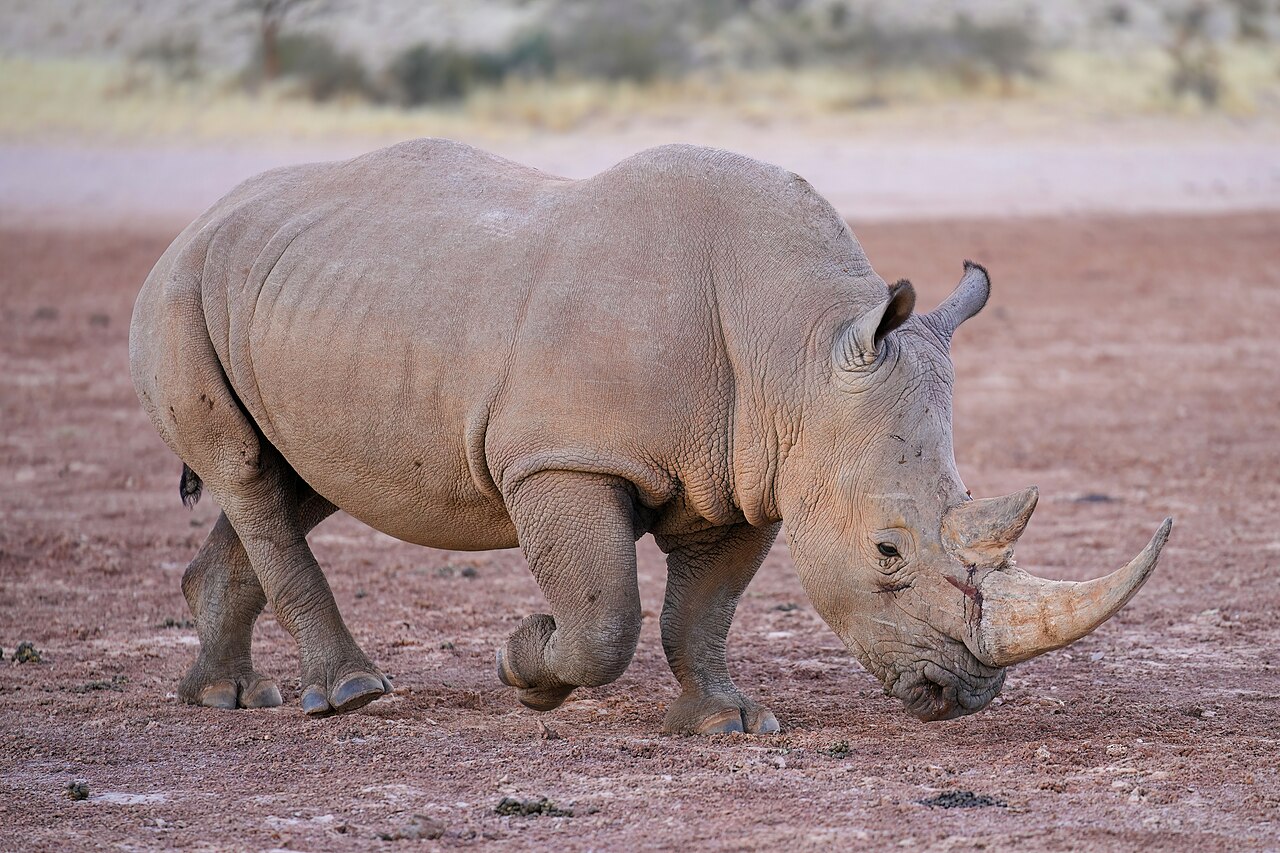
Vitamin D3 Was About Twice as High in Summer in Managed Black and White Rhinoceroses
Serum from 75 rhinoceroses at 27 U.S. institutions showed strong seasonal and geographical variation in 25-hydroxyvitamin D3, while…
Read story →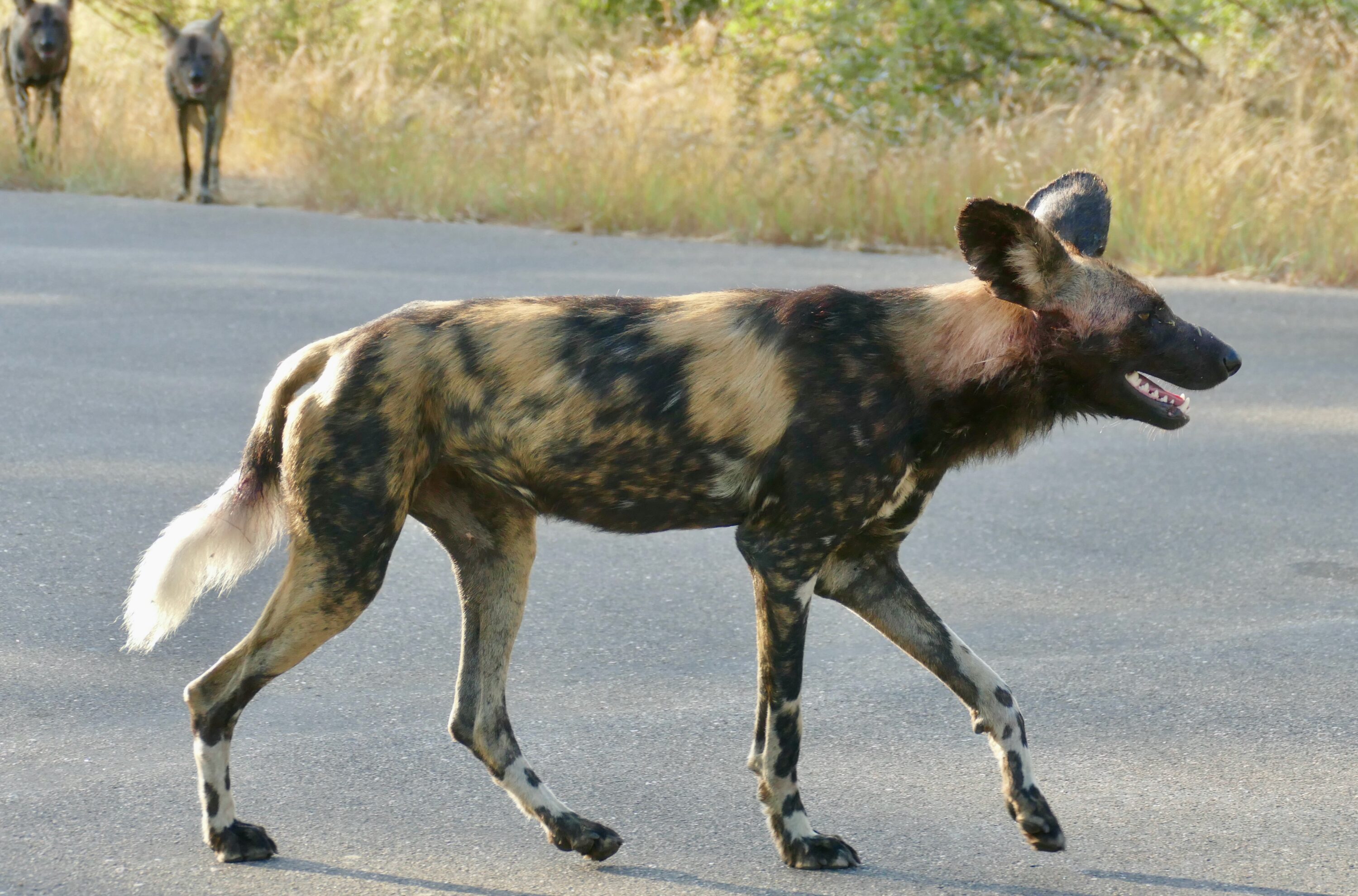
Food Leaves Its Mark on the Gut Bacteria of Kruger’s Wildlife
Gut bacteria in nine mammal species from Kruger National Park followed clear patterns linked to food and digestion.…
Read story →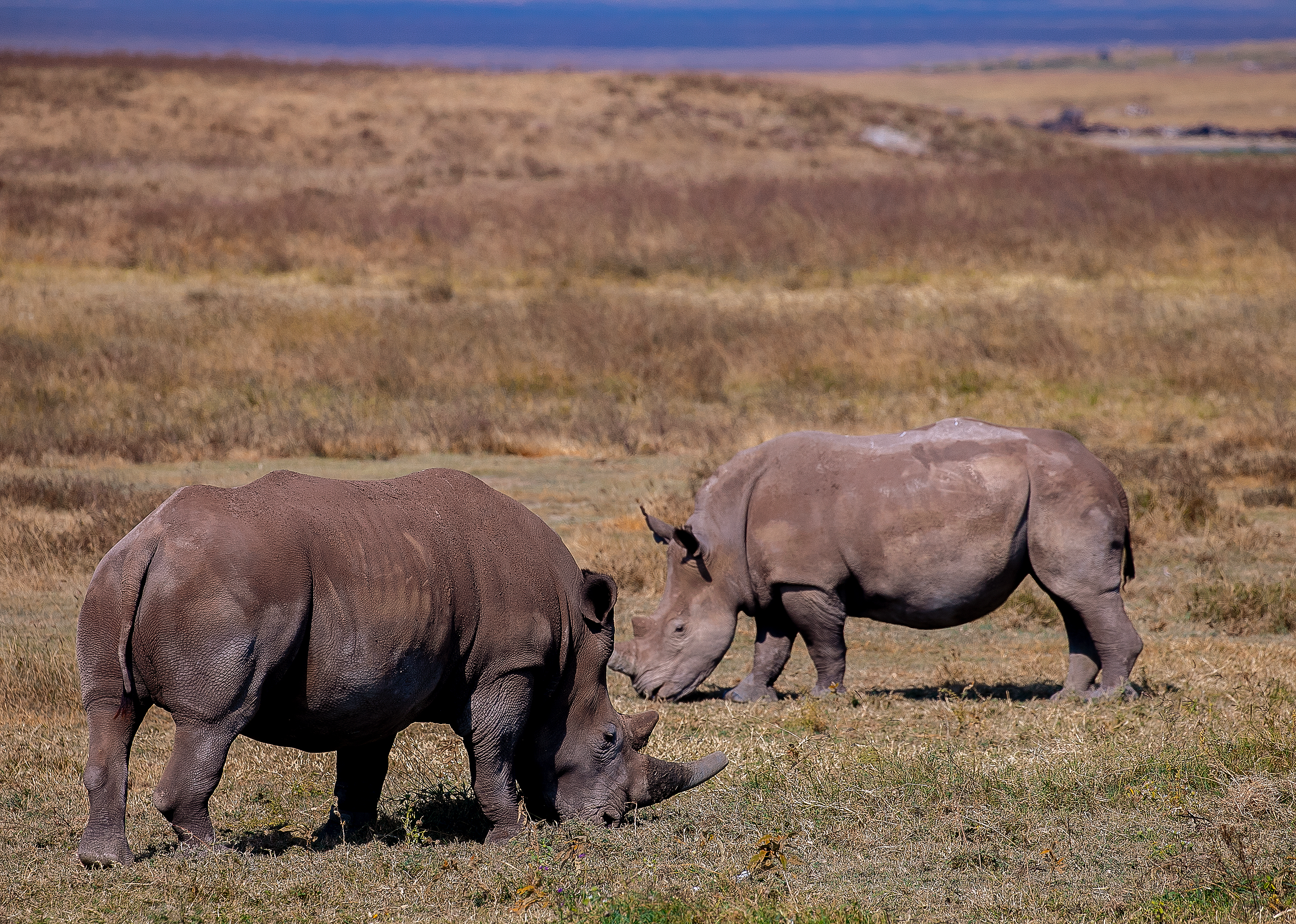
Rhinos Responded Differently to an Unfamiliar Basket
Black rhinos sniffed, snorted and retreated more often than white rhinos when an unfamiliar basket was placed in…
Read story →SPECIES IN THIS STORY
Species in this story
Independent research and conservation news archive
Did you find this information useful?
Wildlife Vagabond is independently built and maintained. Voluntary support helps cover source verification, hosting and continued work on research and conservation news.
Support Wildlife VagabondThe news archive will remain freely available.