
Blackbuck, Striped Hyenas, Sloth Bears and Indian Wolves Occurred Across Koppal’s Agro-pastoral Landscape
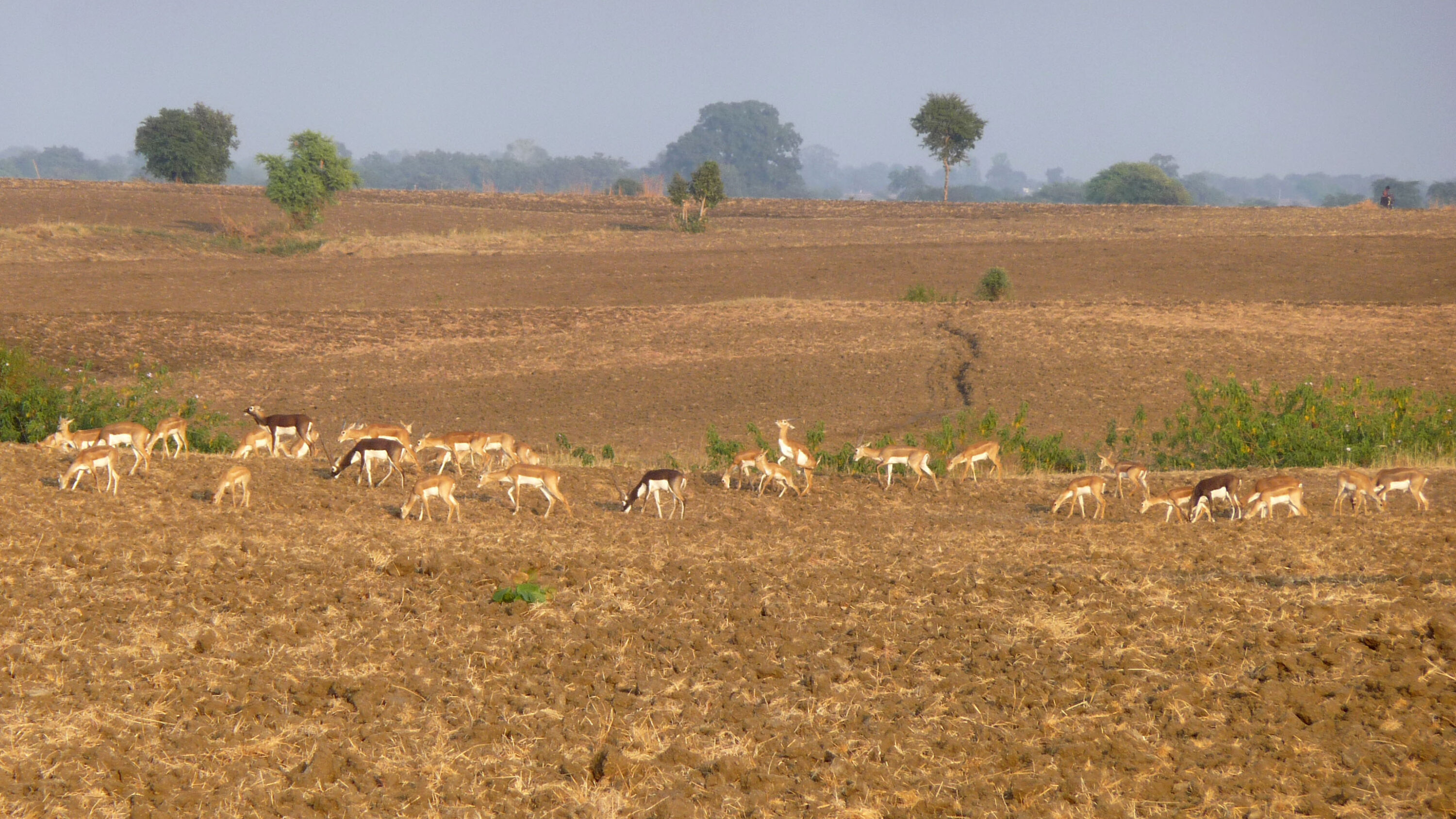
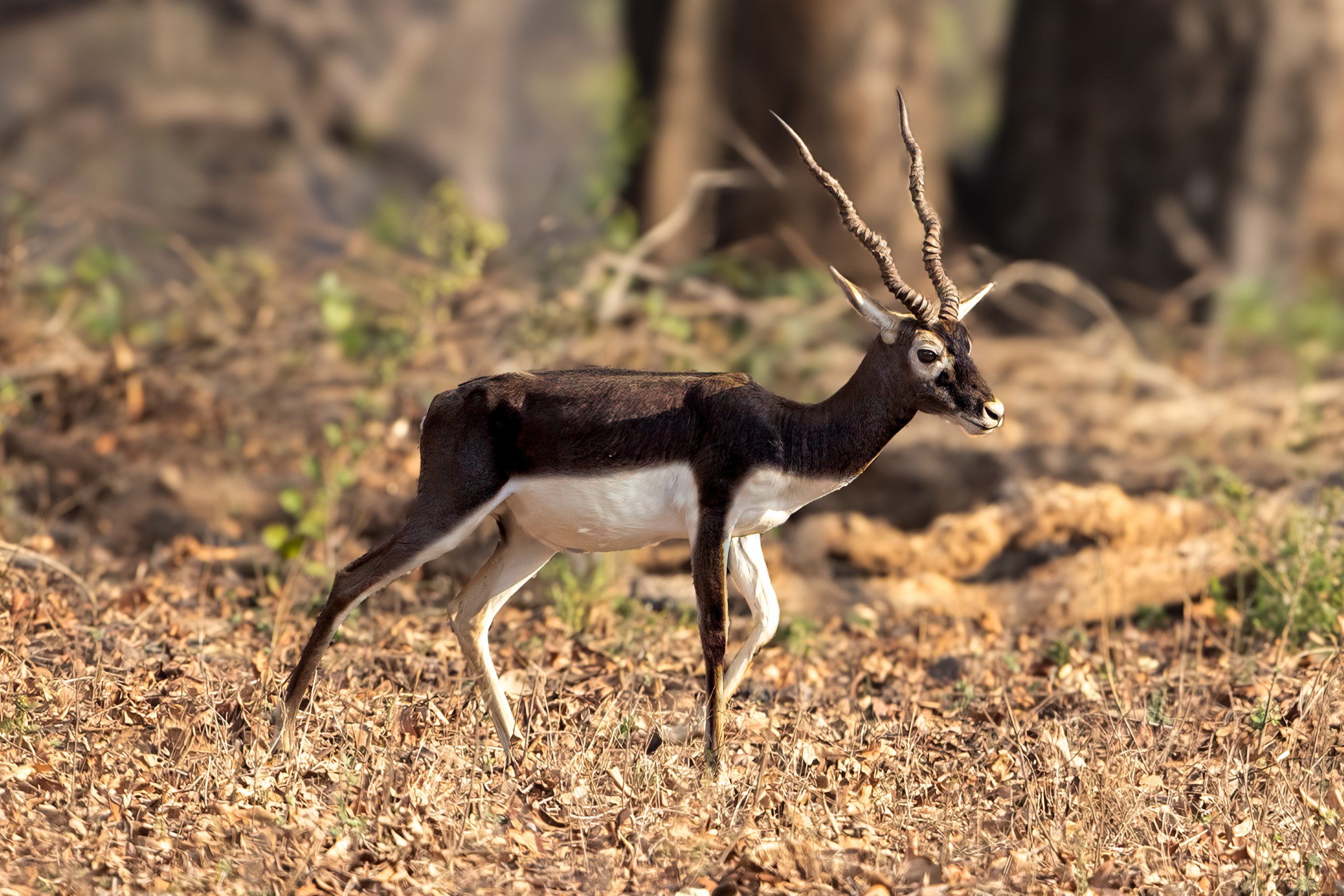
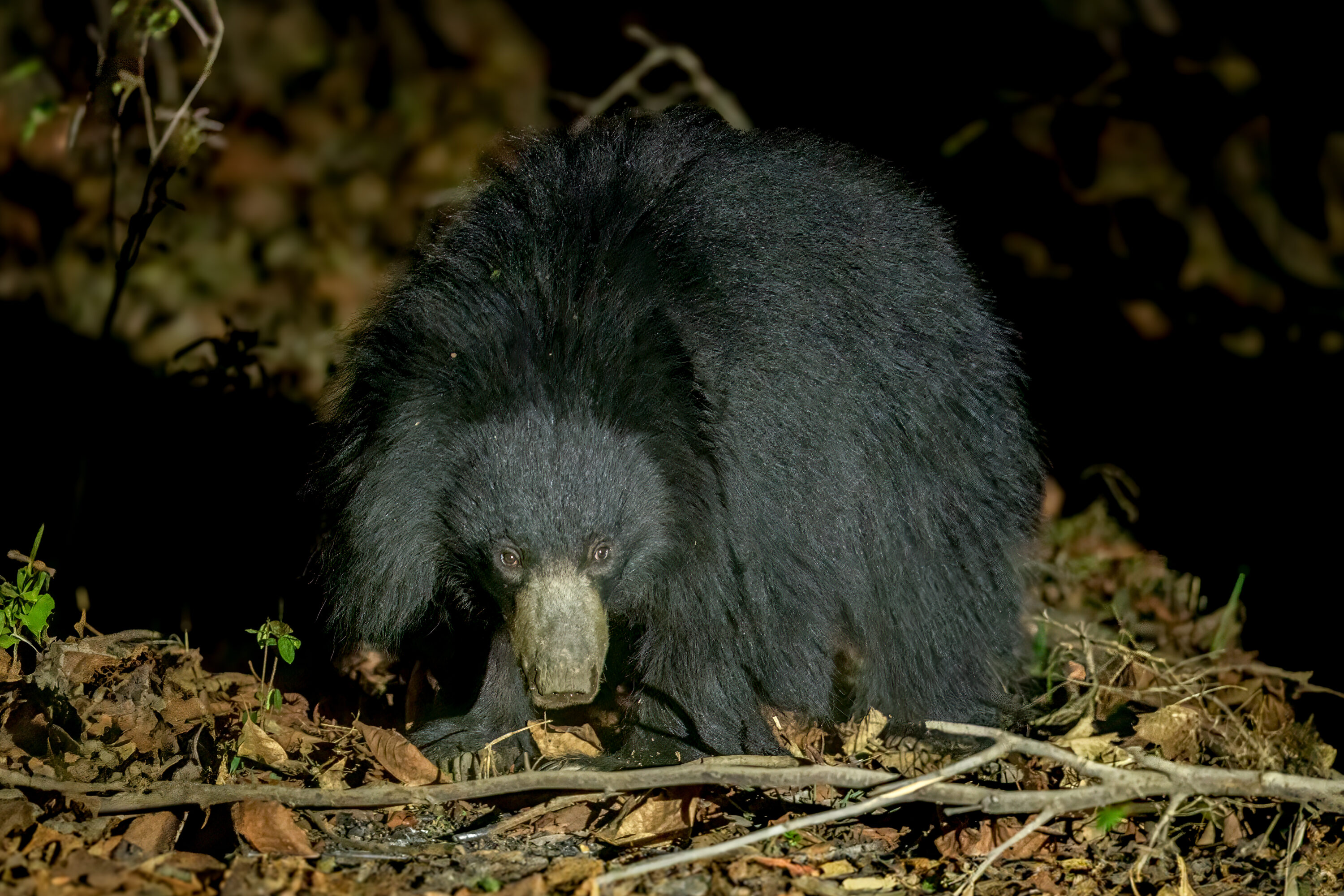
An interview-based study in Koppal district, northern Karnataka, found that several large mammals were widely distributed through a semi-arid landscape of low-intensity agriculture, pastoralism and open natural ecosystems. The study considered five focal species: blackbuck (Antilope cervicapra), striped hyena (Hyaena hyaena), sloth bear (Melursus ursinus), Indian gray wolf (Canis lupus pallipes) and Indian leopard (Panthera pardus fusca).
Researchers used interviews with experienced pastoralists who regularly move livestock through the landscape. Only sightings treated as certain were retained for the main analyses. This produced formal occupancy estimates for blackbuck, striped hyena and sloth bear, while wolves were too widespread and leopards too rarely reported for the same type of spatial modelling.
Four species were widespread, while leopard records were sparse
Estimated occupancy was 63% for blackbuck, 52% for striped hyena and 26% for sloth bear. Indian wolves were conservatively detected at 90 of 119 sampled sites, or at least 76% of the landscape. Indian leopards were certainly recorded at only 10 of 118 sites, too few for a comparable occupancy estimate.
These figures describe how widely the species used the sampled landscape; they are not estimates of how many animals lived in Koppal.
Low-intensity farming and open ecosystems supported different mammals
Blackbuck occurrence was favoured by low-intensity monsoon agriculture and lower major-road density. The authors argue that seasonal farming, fallow land and the open character of the agricultural matrix can allow this grazing antelope to persist across private farmland.
Striped hyenas and sloth bears showed a different pattern. Both were more strongly associated with open natural ecosystems such as rocky outcrops, scrub and open savanna. Indian wolves were also recorded broadly across the agro-pastoral landscape, including both farmland and open natural habitat.
Major-road length was unexpectedly positively associated with striped hyena and sloth bear occurrence, contrary to the researchers’ prediction. The authors caution that this does not show that roads themselves benefit either species: major roads in Koppal are denser around open natural ecosystems and towns, and the study could not separate that spatial pattern from any direct road effect.
The contrast matters because these semi-arid open ecosystems are often classified as “wastelands” in land-use planning. The study instead shows that they function as habitat and refuges for several large mammals within a working pastoral landscape.
Pastoral knowledge provided the wildlife baseline
The authors also emphasise the value of pastoralists’ experiential knowledge. In heavily used agricultural landscapes, animal signs can disappear quickly, camera traps can be difficult to secure, and photographing people without consent raises ethical concerns. People who move through the same grazing areas repeatedly can therefore provide ecological information that is otherwise difficult to collect at this scale.
The researchers do not equate widespread occurrence with conflict-free coexistence. Official records documented 149 cases of crop loss, livestock loss and human injury in Koppal between 2007 and 2017, and the authors note that these figures are probably underreported. At the same time, the continued presence of the mammals shows the conservation importance of the wider land-sharing system.
The broader conclusion is that large-mammal conservation in the Deccan cannot rely only on formally protected areas. Open natural ecosystems, low-intensity agriculture and pastoral land use together form an important multi-use landscape, and converting those open habitats for intensive agriculture, afforestation or energy development can reduce that land-sharing potential.
Ecology
Related news
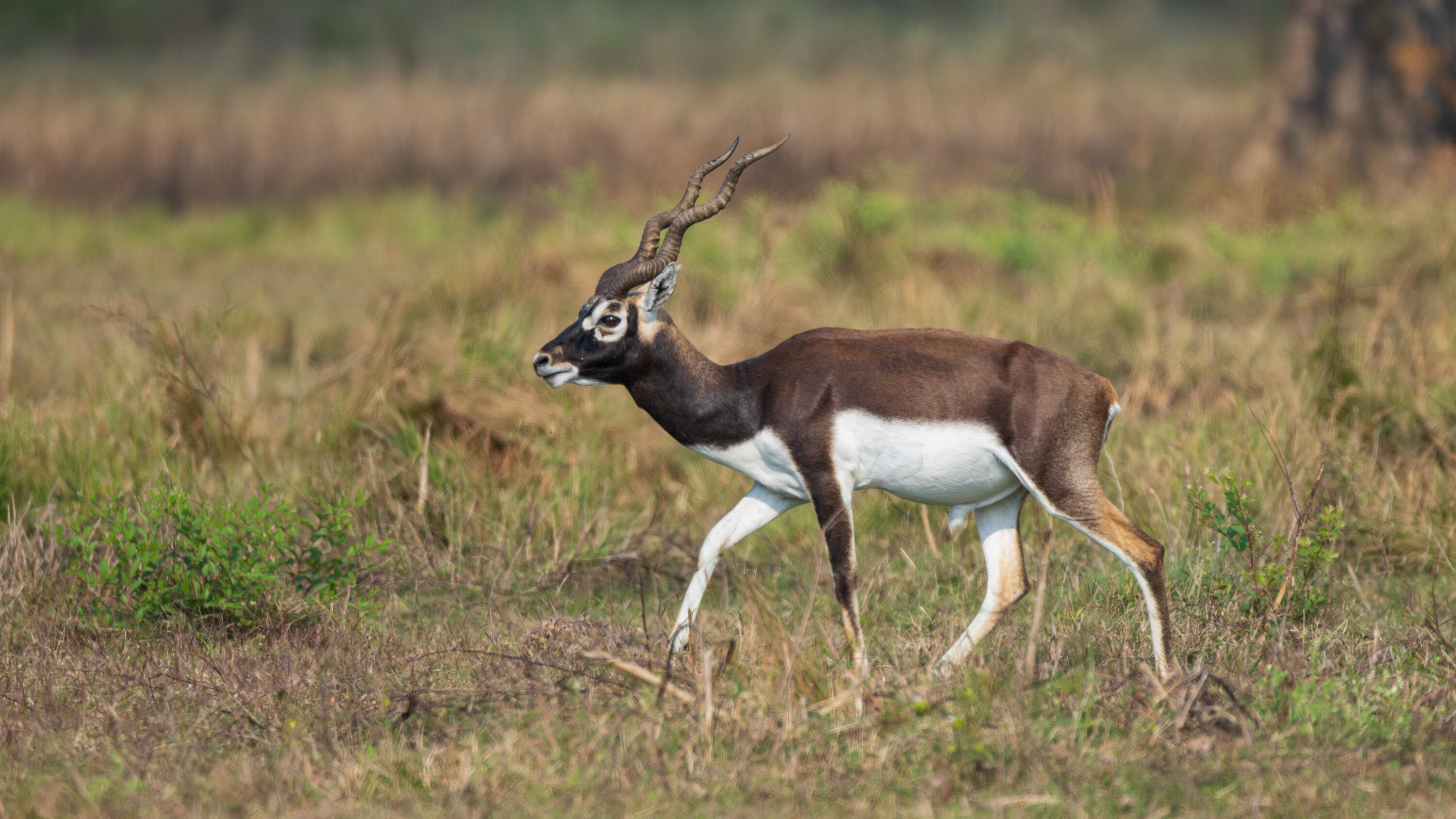
Gastrointestinal Parasites Were Found in 96% of Blackbuck Samples From Nepal Conservation Area
A study of 150 fresh faecal samples from wild blackbuck in Nepal’s Blackbuck Conservation Area found gastrointestinal parasites…
Read story →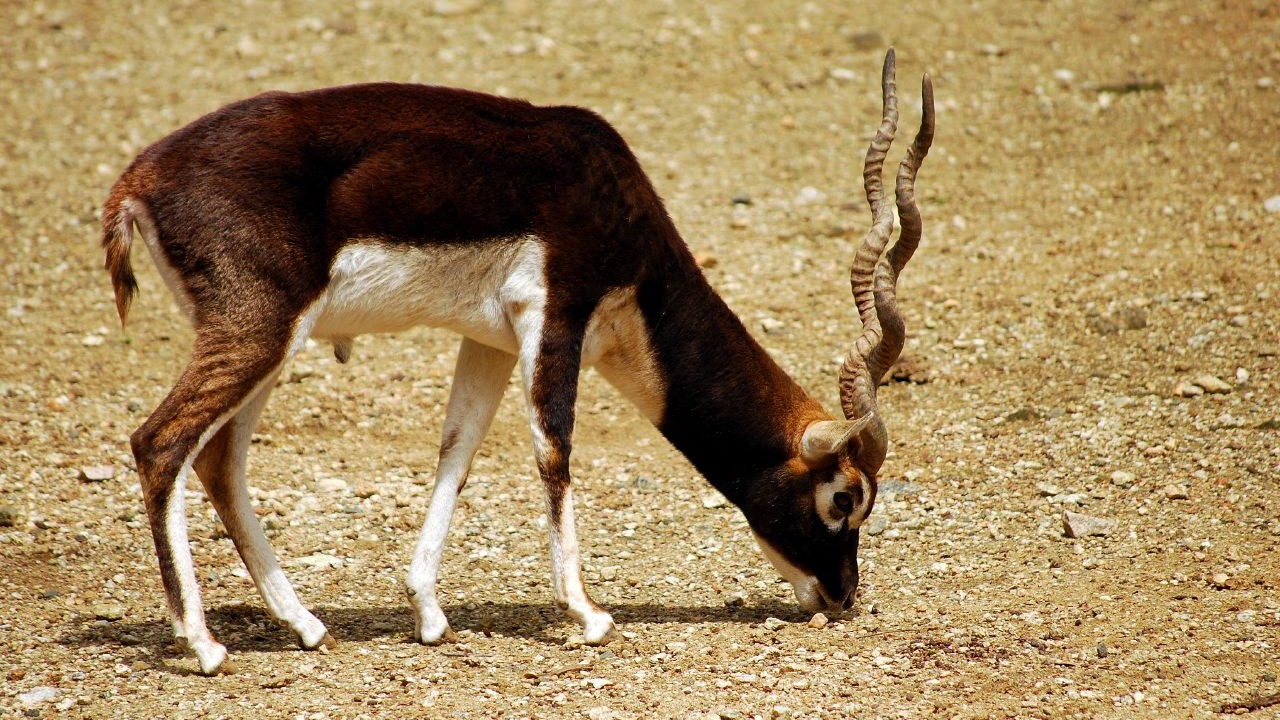
Movement Ecology and Predator–Prey Relationships Remain Poorly Studied in Blackbuck
A 2026 review examined 123 sources on blackbuck ecology, behaviour and conservation and found movement ecology, predator–prey relationships…
Read story →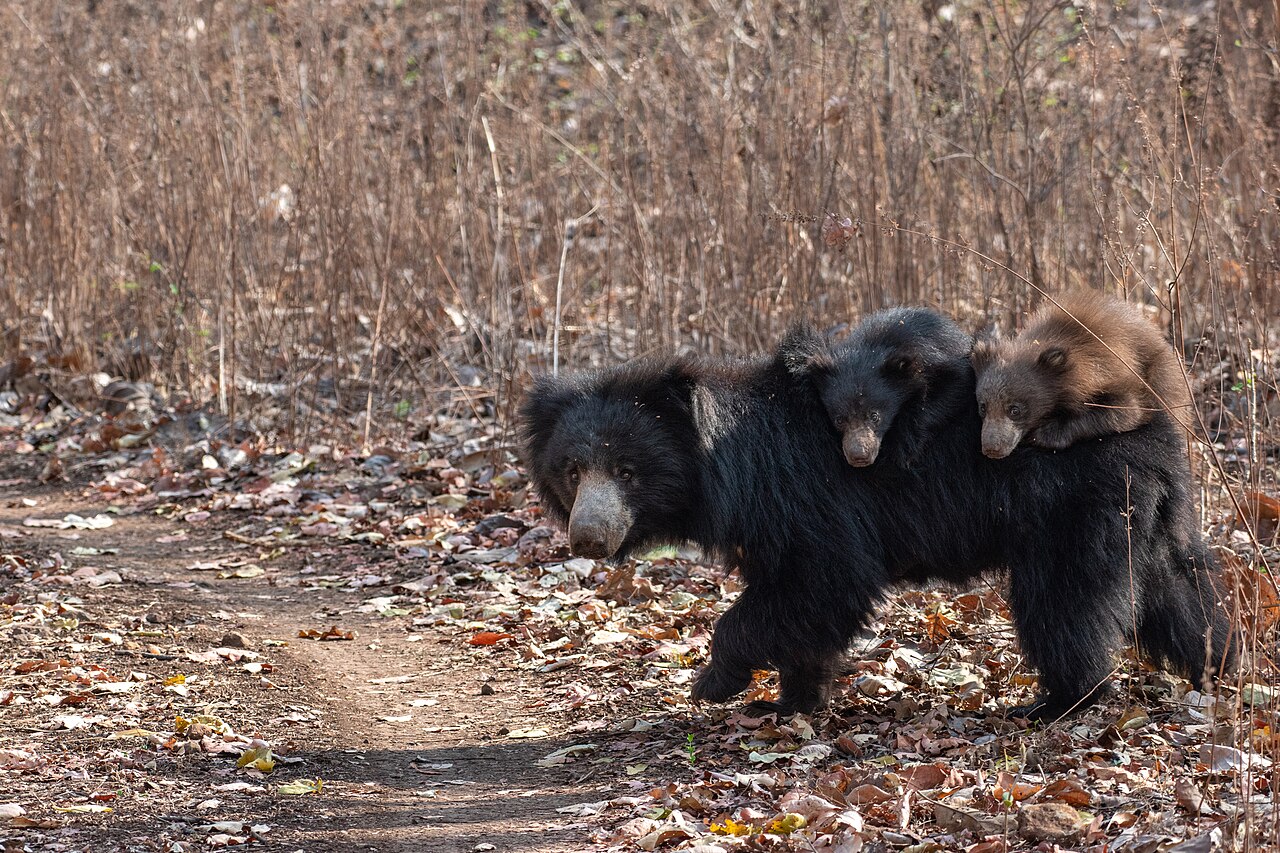
Sloth Bears Act as Selective Seed Dispersers in Western India
A 2026 study shows strong seasonal shifts in sloth bear diet and confirms that seeds of several plant…
Read story →SPECIES IN THIS STORY
Species in this story
Independent research and conservation news archive
Did you find this information useful?
Wildlife Vagabond is independently built and maintained. Voluntary support helps cover source verification, hosting and continued work on research and conservation news.
Support Wildlife VagabondThe news archive will remain freely available.