
Blackcaps Advanced the Start of Spring Passage by Nine Days at Poland’s Baltic Coast Without Widening the Sex Gap
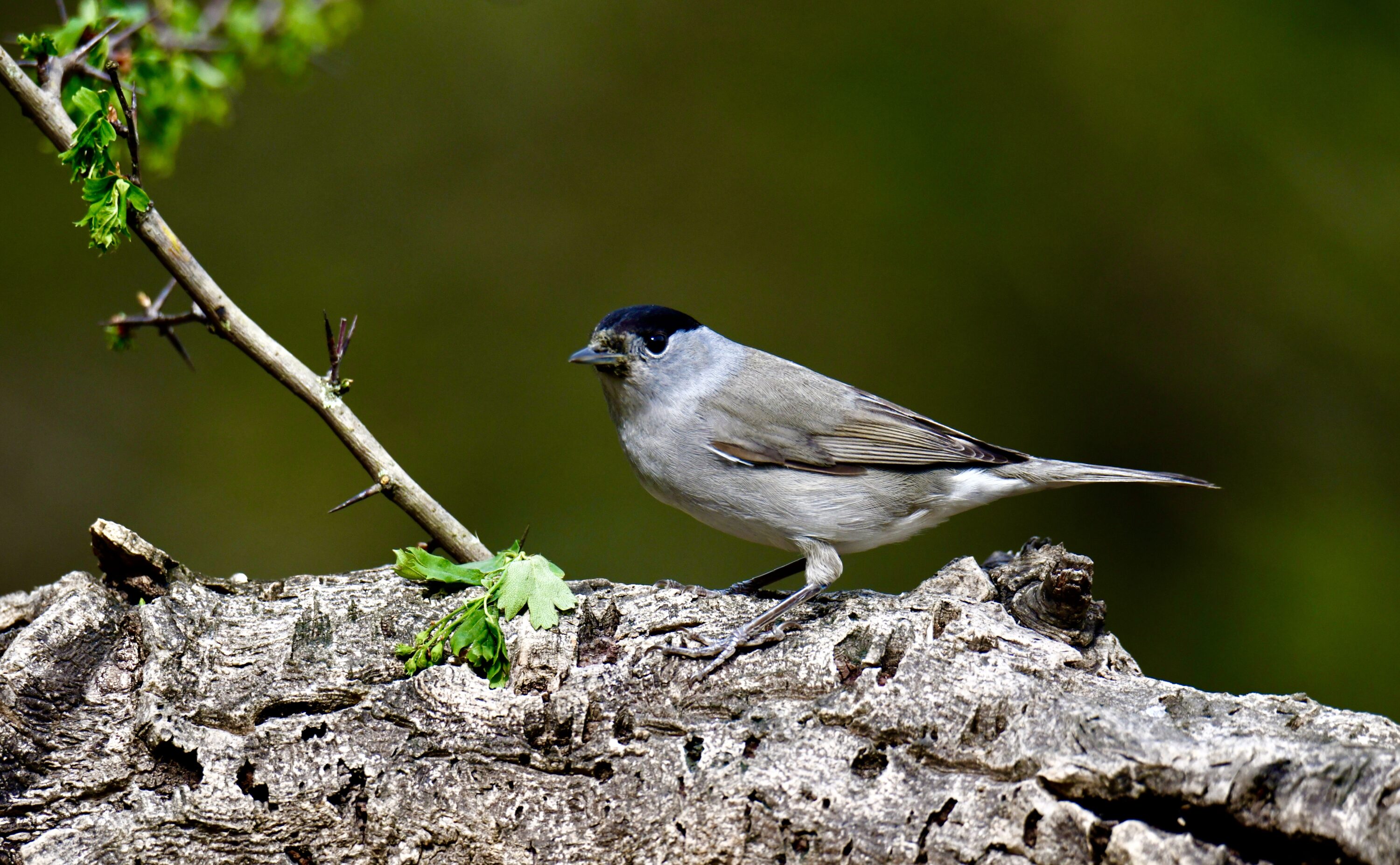
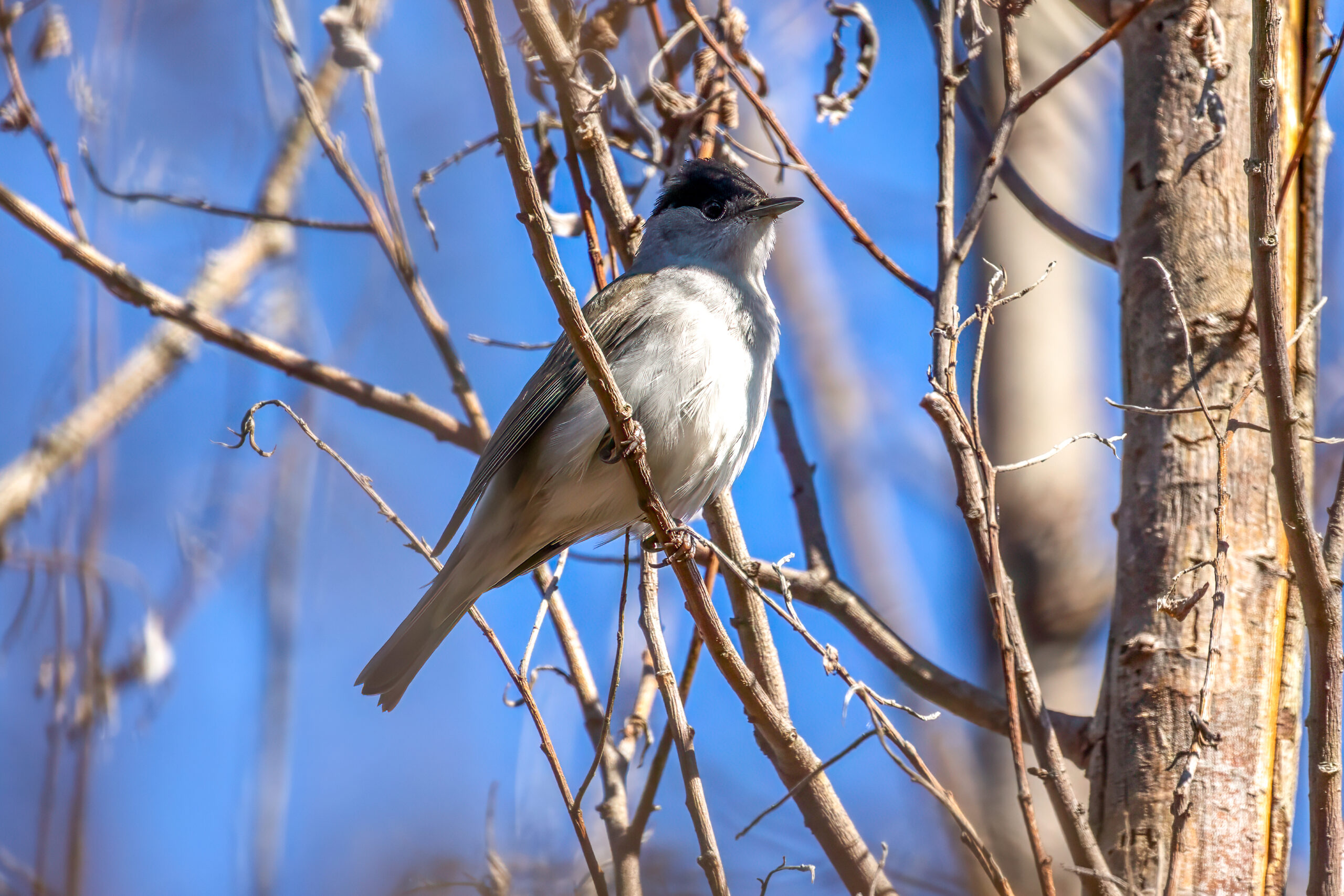
A 44-year ringing series from Poland’s Baltic coast shows that male and female Eurasian blackcaps (Sylvia atricapilla) have advanced the beginning of their spring passage at almost the same pace. The preprint, posted on 5 August 2026, analysed standardised spring ringing data from Bukowo-Kopań between 1982 and 2025. Four years with fewer than five females were excluded, so the phenology analyses used 38 spring seasons and 7,257 birds: 4,345 males and 2,912 females.
Both sexes advanced in parallel
Males passed through earlier than females at the start of the season, a pattern known as protandry. The gap averaged about 2.2 days, but it did not increase over the study period because the first 10% of migrants of both sexes advanced by about nine days. The median passage date moved forward by roughly seven to nine days, while the end of passage showed no long-term trend.
Different climate patterns tracked different phases
The climate indices used in the study describe recurring large-scale atmospheric or ocean–atmosphere patterns that influence weather across broad regions. A positive winter phase of the North Atlantic Oscillation and a positive spring Scandinavian Pattern were associated with an earlier start of passage. Median passage was earlier with positive North Atlantic Oscillation phases in both winter and spring and with a positive spring Scandinavian Pattern. A positive winter Indian Ocean Dipole was associated with a later end of passage. These relationships did not differ between males and females. The selected climate models accounted for about 48% of year-to-year variation in the start of passage and 39% in the median, but only 7% in the end of passage, so climate explained much less of the variation in when migration finished.
The authors interpret the stable early-season sex difference as evidence that both sexes have shifted spring timing in parallel. They connect the persistence of this early protandry to the mating opportunity hypothesis, in which selection can favour males that arrive early enough to secure high-quality territories. They also suggest that the different climate signals affecting the beginning, middle and end of passage may reflect successive groups of birds arriving through different routes and from different parts of the wintering range.
Ecology
Related news
Urban Bird Diversity Was More Strongly Linked to Forest Structure Than the Surrounding City
Across 12 urban forests in three Italian cities, researchers recorded 2,035 birds from 52 species. Local forest structure…
Read story →
Resident Eurasian Blackcaps Had Less Seasonal Change in Hypothalamic Chromatin Accessibility
Resident Eurasian blackcaps from Tarifa showed less seasonal change in hypothalamic chromatin accessibility than short-distance migrants from San…
Read story →
Negative Frequency-Dependent Selection May Maintain an 8 Mb Inversion in Eurasian Blackcaps
Whole-genome data from 179 Eurasian Blackcaps support negative frequency-dependent selection on an 8 Mb chromosome inversion, with an…
Read story →SPECIES IN THIS STORY
Species in this story
Independent research and conservation news archive
Did you find this information useful?
Wildlife Vagabond is independently built and maintained. Voluntary support helps cover source verification, hosting and continued work on research and conservation news.
Support Wildlife VagabondThe news archive will remain freely available.