
Waxwings, Bullfinches and Redpolls Arrived Earlier in Tatarstan Over 33 Years
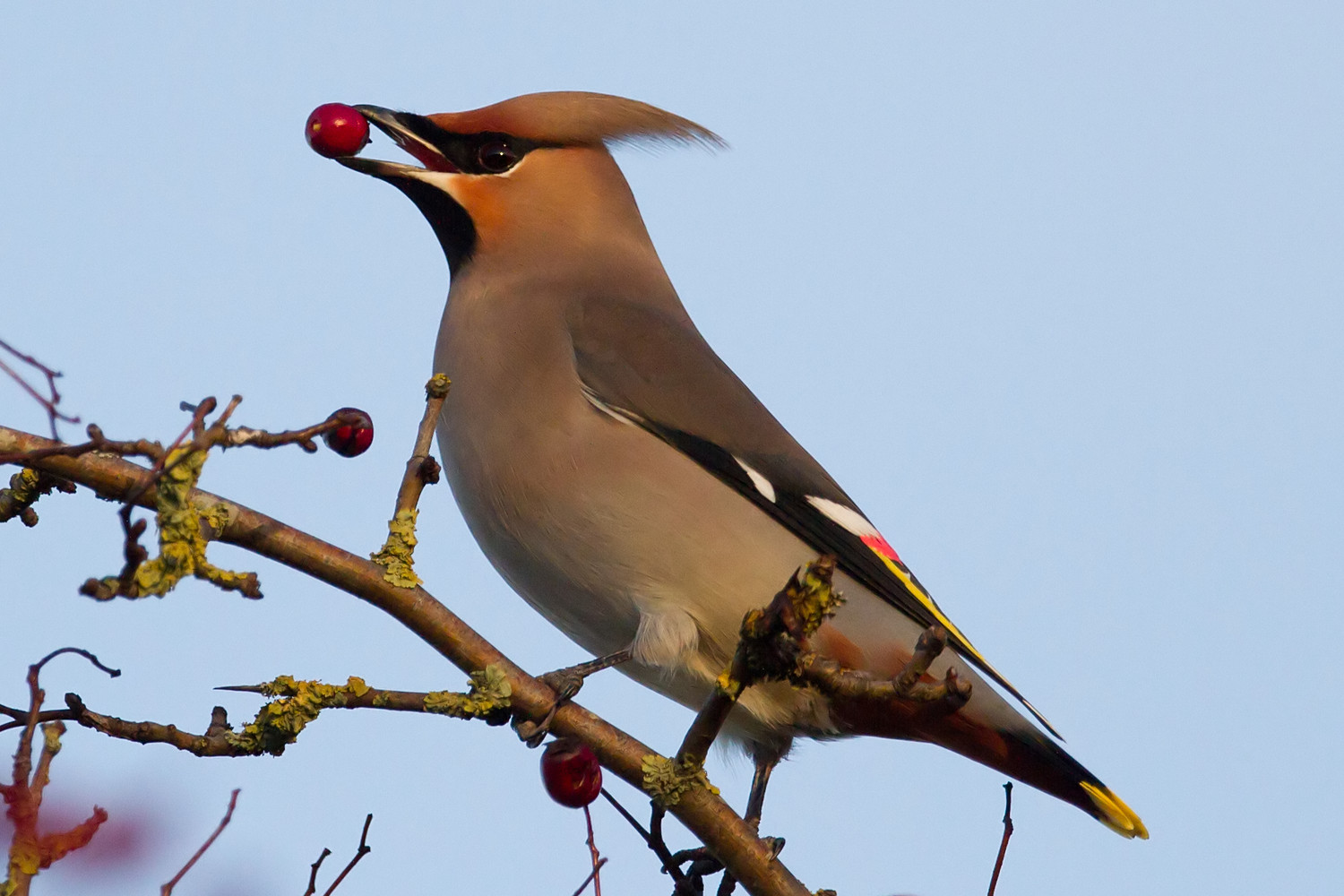
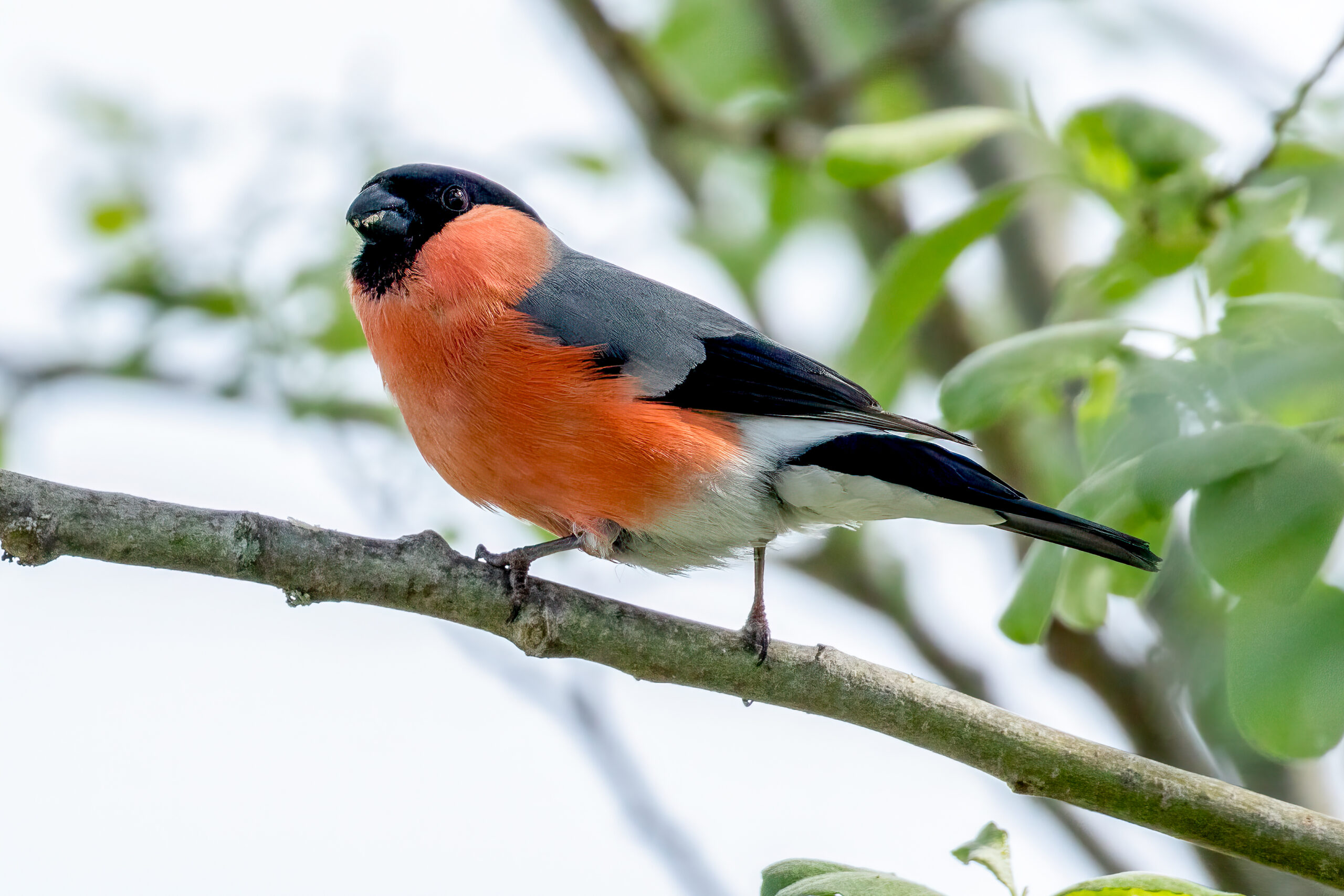
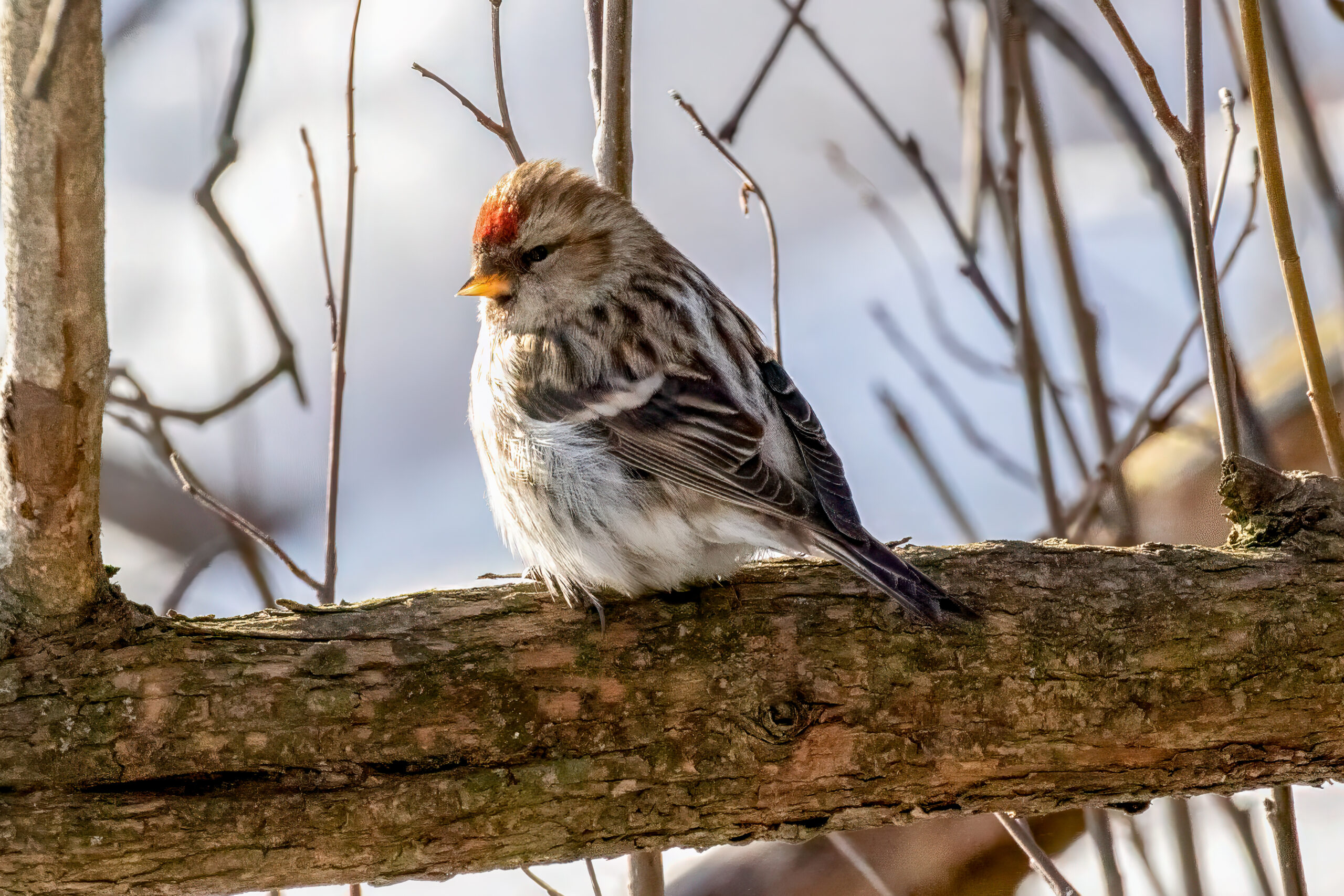
A 33-year study of four regular winter guests in Tatarstan found progressively earlier first autumn arrival for three species: Bohemian waxwing (Bombycilla garrulus), Eurasian bullfinch (Pyrrhula pyrrhula) and redpoll (Acanthis flammea). Rough-legged buzzard (Buteo lagopus) showed no clear long-term shift.
A transect is a predefined line or route used to survey an area systematically, with observations, signs or sampling points recorded along it.
The study used first autumn observations from 1991 to 2023 in an area of about 2,200 km² around Kazan. Five permanent transects totalling roughly 70 km were checked several times each week. Arrival dates were compared with May–August temperatures from Kazan and weather stations farther north in European Russia, local autumn temperatures and measures of food availability in Tatarstan.
Two late waxwing records distorted the long-term trend
Two exceptionally late Bohemian waxwing records strongly affected the long-term estimate, so the researchers repeated the analysis without those years. In that analysis, mean first arrival was 14 October and shifted about 0.5 days earlier per year, equivalent to about 16 days across the study period.
Warmer summers were linked to earlier arrival
Mean May–August temperature across the climate stations used in the study increased by about 2.0 °C from 1991 to 2023. For waxwings, bullfinches and redpolls, warmer summers were linked to earlier autumn arrival. For waxwings, the analysis without the two extreme years corresponded to about 3.1 days earlier arrival for each 1 °C increase in summer temperature.
The researchers found no clear relationship with September–October temperature in Tatarstan or with the local food measures they examined. The authors interpret the shared pattern in the three species with earlier arrivals as a shift in autumn phenology associated with warmer summer conditions at higher latitudes.
They propose two ways in which warm breeding seasons could contribute. Earlier spring arrival and breeding can allow the nesting period to finish sooner, potentially permitting earlier autumn departure, while earlier flowering and fruit ripening may allow birds to build migratory reserves sooner. These mechanisms were not measured directly in the Tatarstan study, but form the authors’ explanation for why warmer northern summers were associated with earlier first autumn arrivals.
Ecology
Related news

Inland Mute Swans Had Higher Winter Body Condition Despite Harsher Winters and Supplemental Feeding
A study of 853 mute swans from four Polish wintering regions found higher body condition inland than on…
Read story →
Gut Microbiomes Across Nine Kruger Mammals Clustered More Strongly by Dietary Group Than Species
A study of 89 quality-filtered faecal samples from nine wild mammals in Kruger National Park found that carnivores,…
Read story →
Dunnock Spring Passage Advanced by Up to 8.3 Days Over 61 Years at Hel
Standardised ringing data from northern Poland showed that the first, median and last phases of dunnock spring passage…
Read story →SPECIES IN THIS STORY
Species in this story
Independent research and conservation news archive
Did you find this information useful?
Wildlife Vagabond is independently built and maintained. Voluntary support helps cover source verification, hosting and continued work on research and conservation news.
Support Wildlife VagabondThe news archive will remain freely available.