
Breeding Failure Was Linked to Earlier Migration in Southern Eurasian Curlews
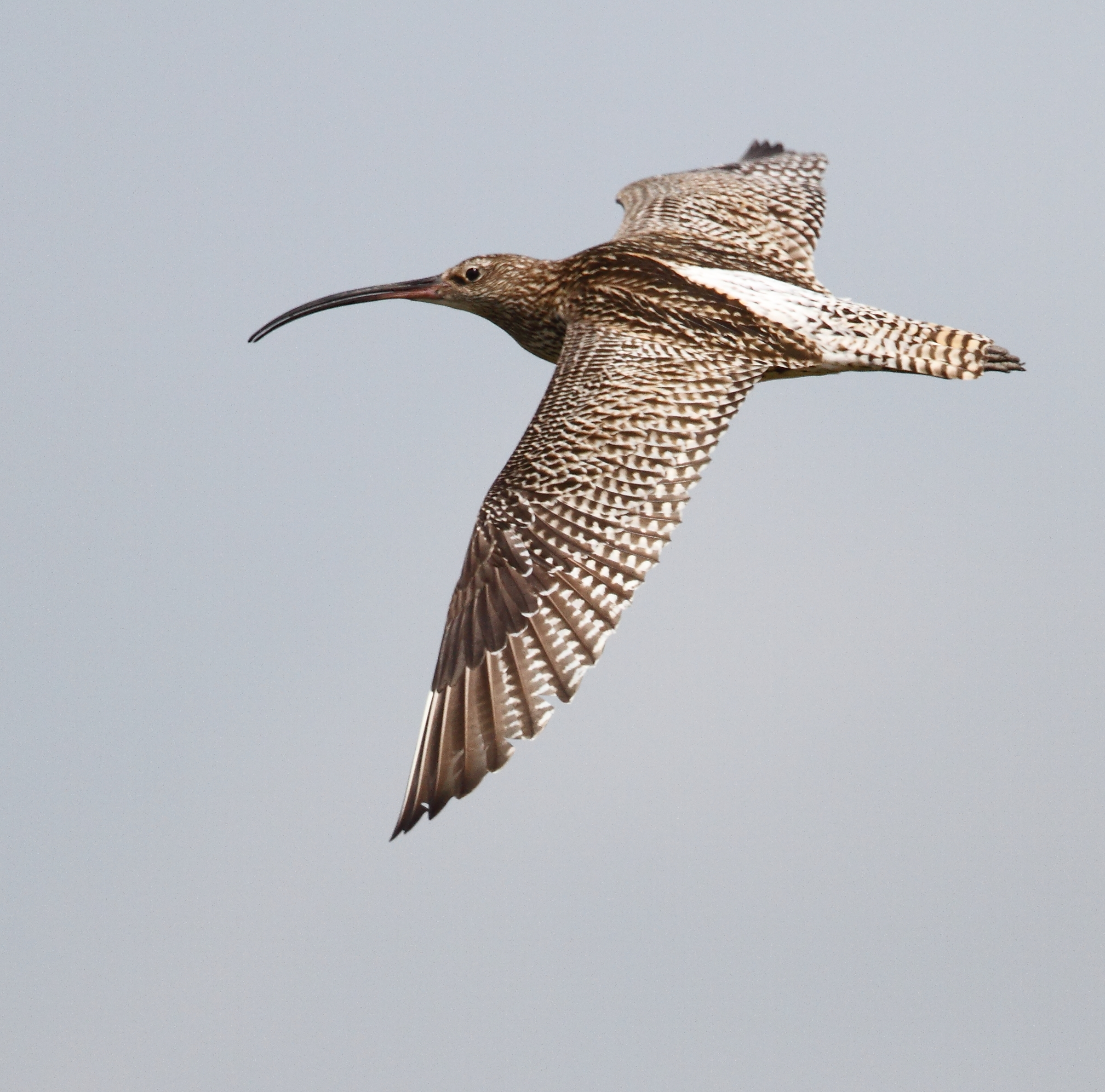
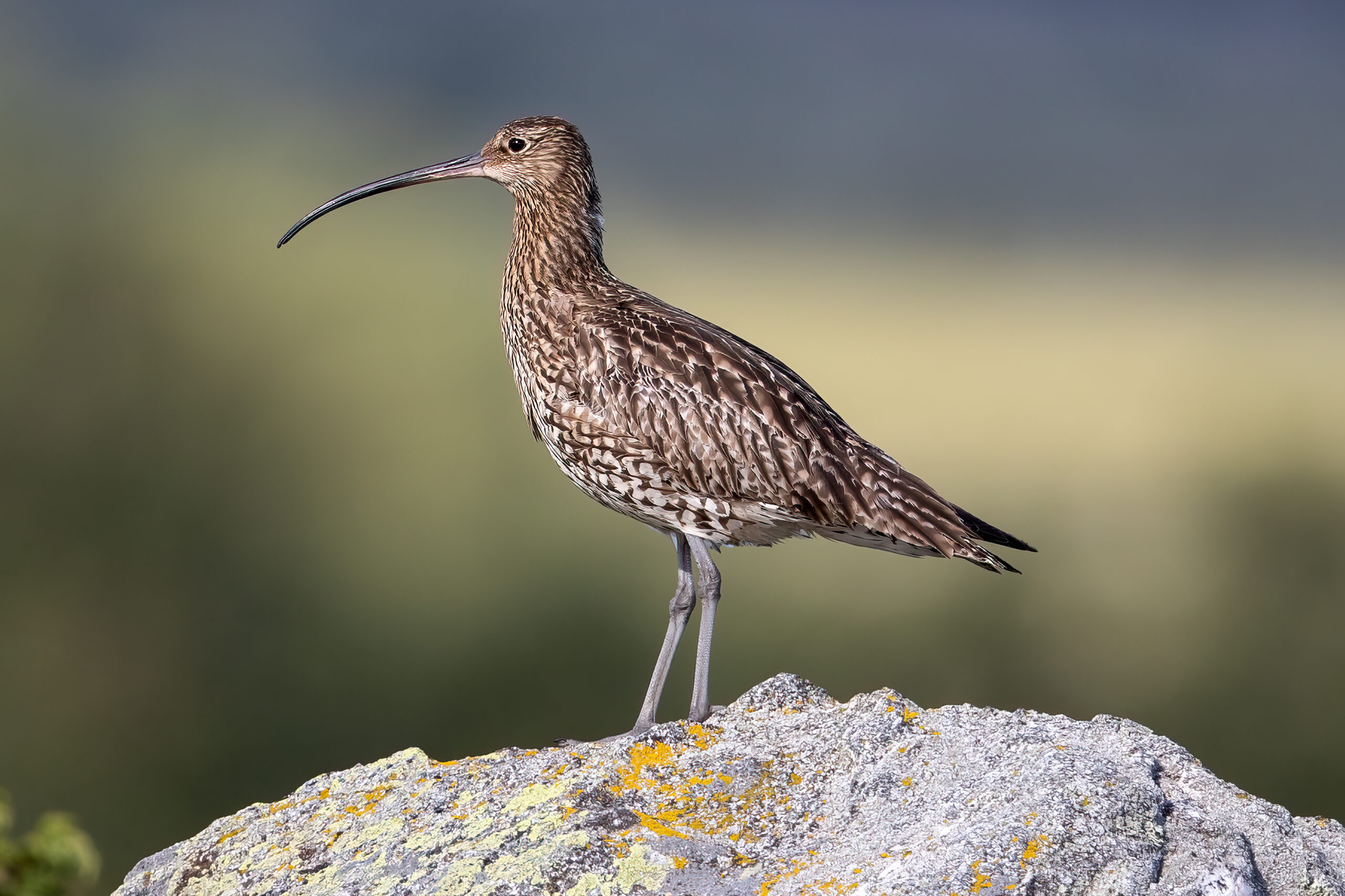
GPS tracking of 80 Eurasian curlews of the nominate subspecies (Numenius arquata arquata) breeding across Great Britain shows that migration timing is closely tied to both geography and breeding success. Birds were followed across a 703-km north–south span from southern England to Scotland.
Curlews breeding farther north left their wintering areas earlier in spring but departed their breeding grounds later after the nesting season. Despite these differences, birds from different latitudes tended to arrive back on their breeding grounds at broadly similar times. Breeding latitude was also associated with differences in migration distance, duration and speed. Sex differences followed a more specific pattern: males left wintering areas about seven days earlier than females before breeding, while females travelled about 4.9 km per day faster than males after breeding; overall migration distance and duration did not differ clearly between the sexes.
Failed breeders left the breeding grounds earlier
After breeding, birds that successfully raised young left the breeding grounds on average eight days later than birds whose breeding attempts failed. This relationship was driven mainly by the southern populations, where breeding success was lower and unsuccessful birds often began post-breeding movements earlier.
Weather was linked to shifts around otherwise consistent individual schedules
Individual birds were also fairly consistent in their timing from year to year, while local weather was associated with shifts in departure and arrival dates. Warmer conditions were linked to earlier spring movements, whereas warmer, wetter and calmer conditions were associated with later post-breeding movements.
The authors conclude that reproductive success is one of the factors shaping migration timing. They note that geographic differences in breeding success, influenced by land use, management and climate change, can create systematic differences in when curlews migrate.
They also point out that these timing differences can affect habitat use later in the annual cycle, with possible consequences for access to suitable habitat, population trends and conservation.
Ecology
Related news
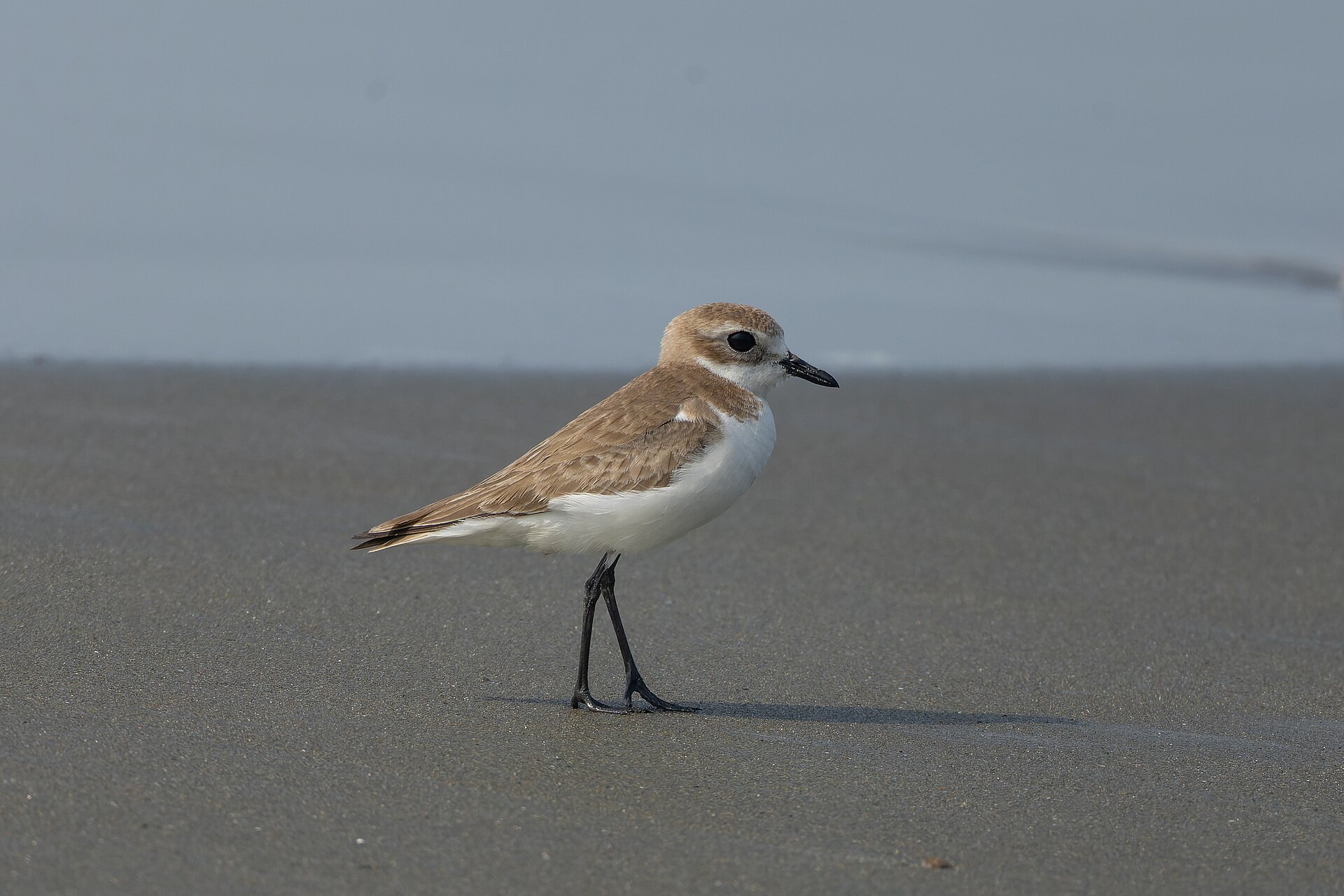
Six Migratory Shorebirds Were Linked to Habitat Complexes Beyond Tidal Flats
Across the East Asian–Australasian Flyway, six shorebirds were associated not only with tidal flats but also with nearby…
Read story →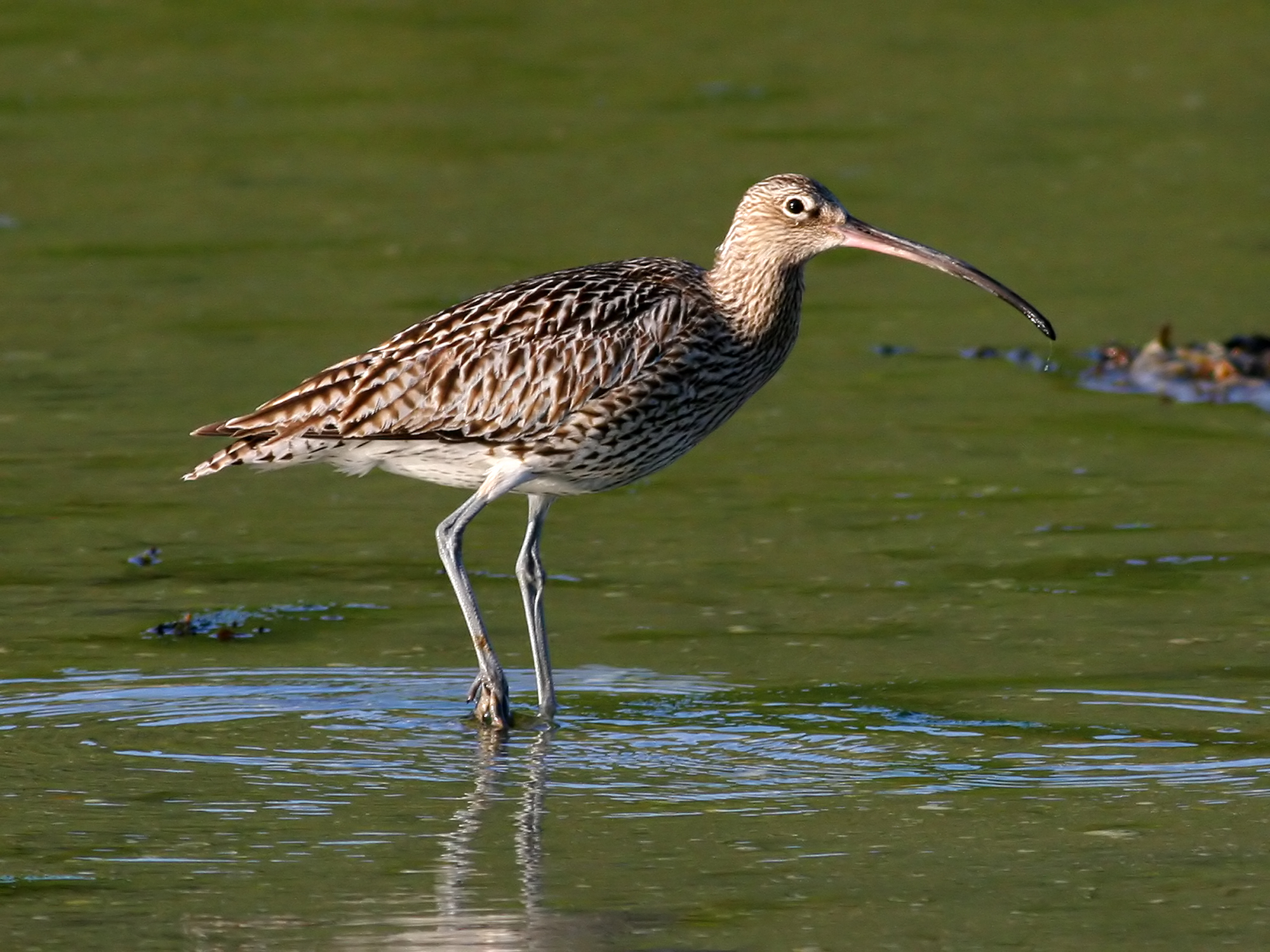
Irish and British Curlews Showed Little Genetic Separation but Both Differed From Swedish Birds
Whole-genome data from 56 Eurasian curlews found little differentiation between Irish and British birds but clear separation from…
Read story →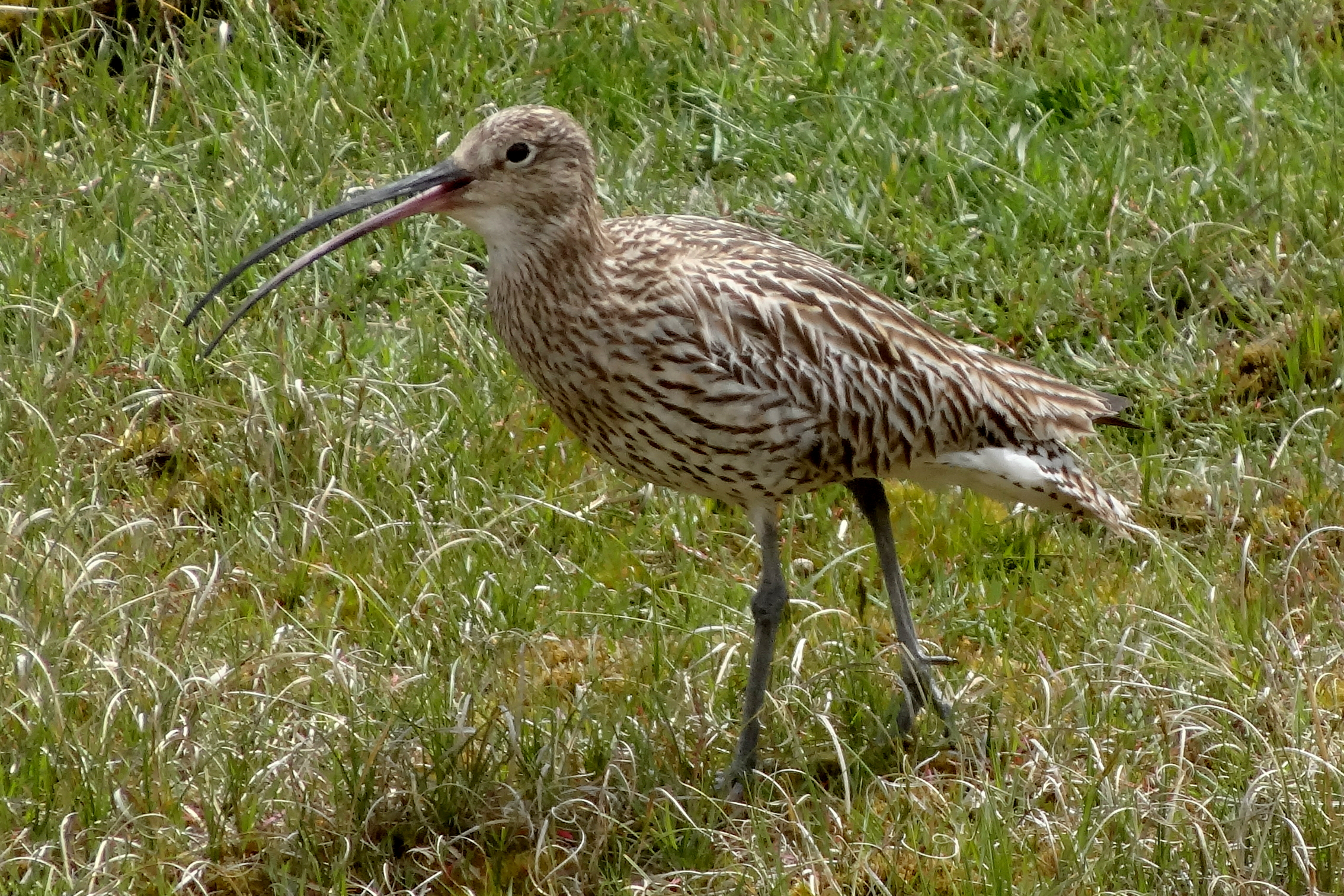
Eurasian Curlews Used Larger Areas and More Mudflats Early in the Wintering Season
GPS tracking of 62 Eurasian curlews in France and the German Wadden Sea found larger home ranges, greater…
Read story →SPECIES IN THIS STORY
Species in this story
Independent research and conservation news archive
Did you find this information useful?
Wildlife Vagabond is independently built and maintained. Voluntary support helps cover source verification, hosting and continued work on research and conservation news.
Support Wildlife VagabondThe news archive will remain freely available.