
Captive harbour seal mother maintained close contact with pups born 13 years apart
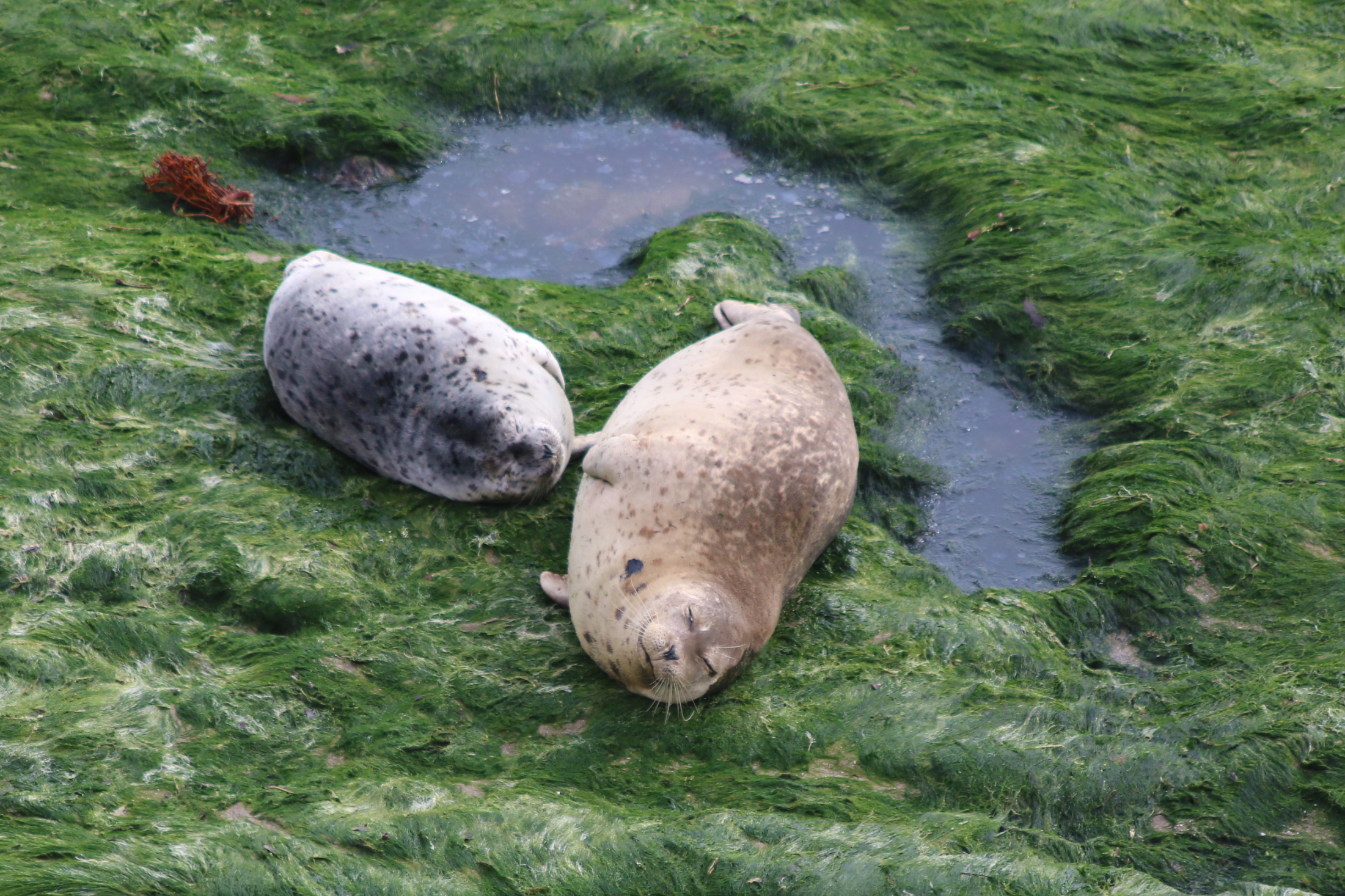
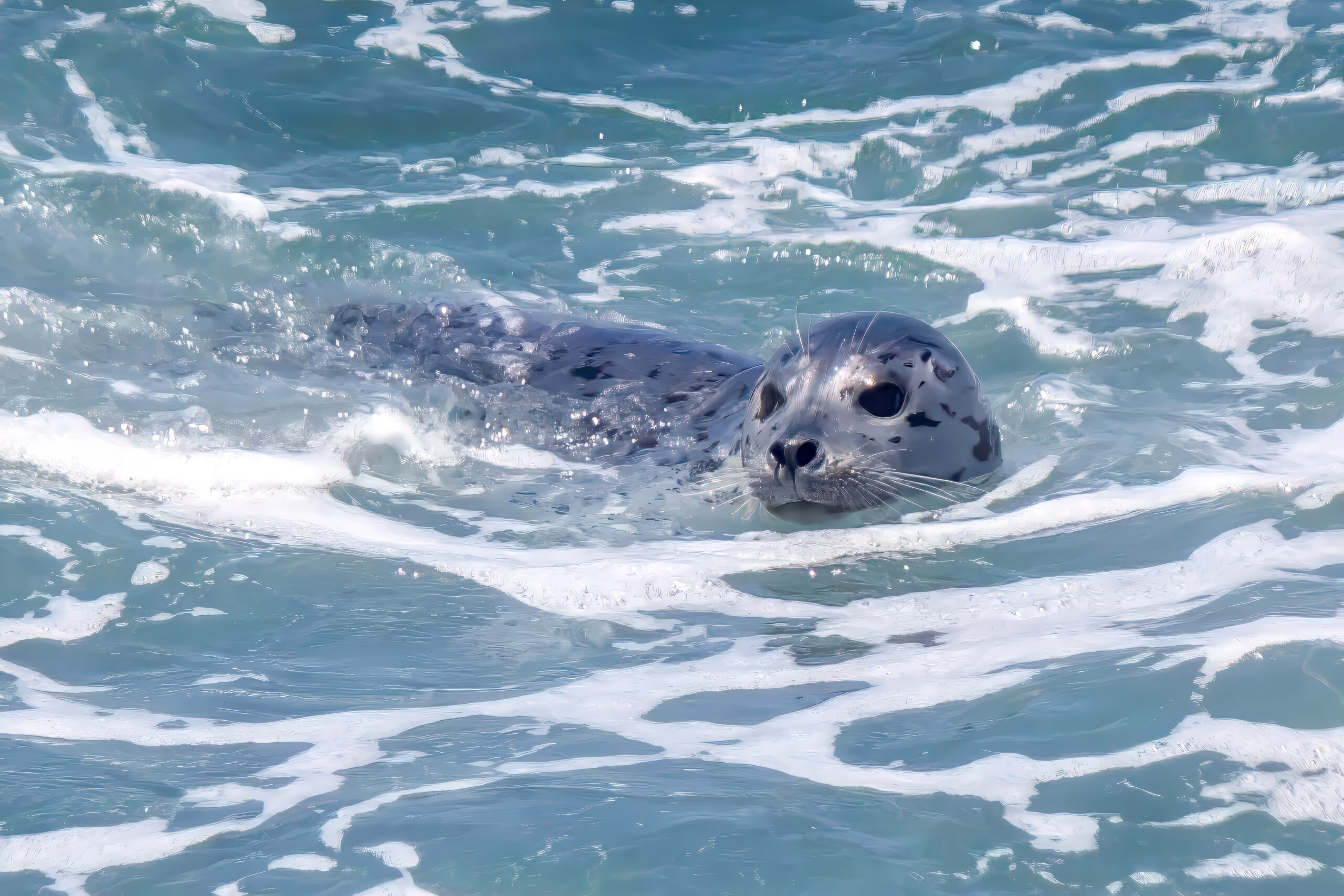
Video observations of one captive harbour seal (Phoca vitulina) found that she maintained close contact with two pups born 13 years apart through body contact, nosing and coordinated movement. The range of behaviours closely resembled earlier descriptions of wild mother–pup pairs at nursery sites, according to the authors.
The study followed the female Victoria and a male pup born at Natureland Zoo in Skegness, England, in 2012, then the same mother and a female pup born in 2025. Archived recordings covered 11 days within the first 16 days after the first birth and produced 216 CCTV clips. The second pair was filmed for about three hours on postnatal days 19–22, producing 74 water-based clips.
Body contact was recorded in 48 of 102 clips during the first week and 54 of 114 clips during the second week for the first pup. Nosing contact and following were also common. The mother followed the pup after he swam away on 93 per cent of recorded occasions in week one, but on 21 per cent in week two. Over the same period, the pup followed when his mother moved away on 21 per cent and then 60 per cent of occasions, respectively. The authors interpret this as a developmental shift in responsibility for maintaining contact.
When the first pup rested alone on land, the mother repeatedly watched and approached him from the water, using nosing, whisker contact, nudging and splashing to gain his attention. Suckling usually followed the mother leading a pup from the water to a haul-out location. With both pups, close contact in the water frequently included relaxed postures and closed or partly closed eyes, which the authors interpreted as body language suggestive of positive emotion.
The authors conclude that the mother and pups could express a broad range of natural behaviour within the captive setting and argue that allowing females to give birth and rear pups naturally can support positive welfare. They also describe the work as a case study of one female and two pups. Parts of the older footage were recorded opportunistically, with areas outside camera view, so the findings document these individuals rather than a representative sample of the species.
Behaviour
Related news
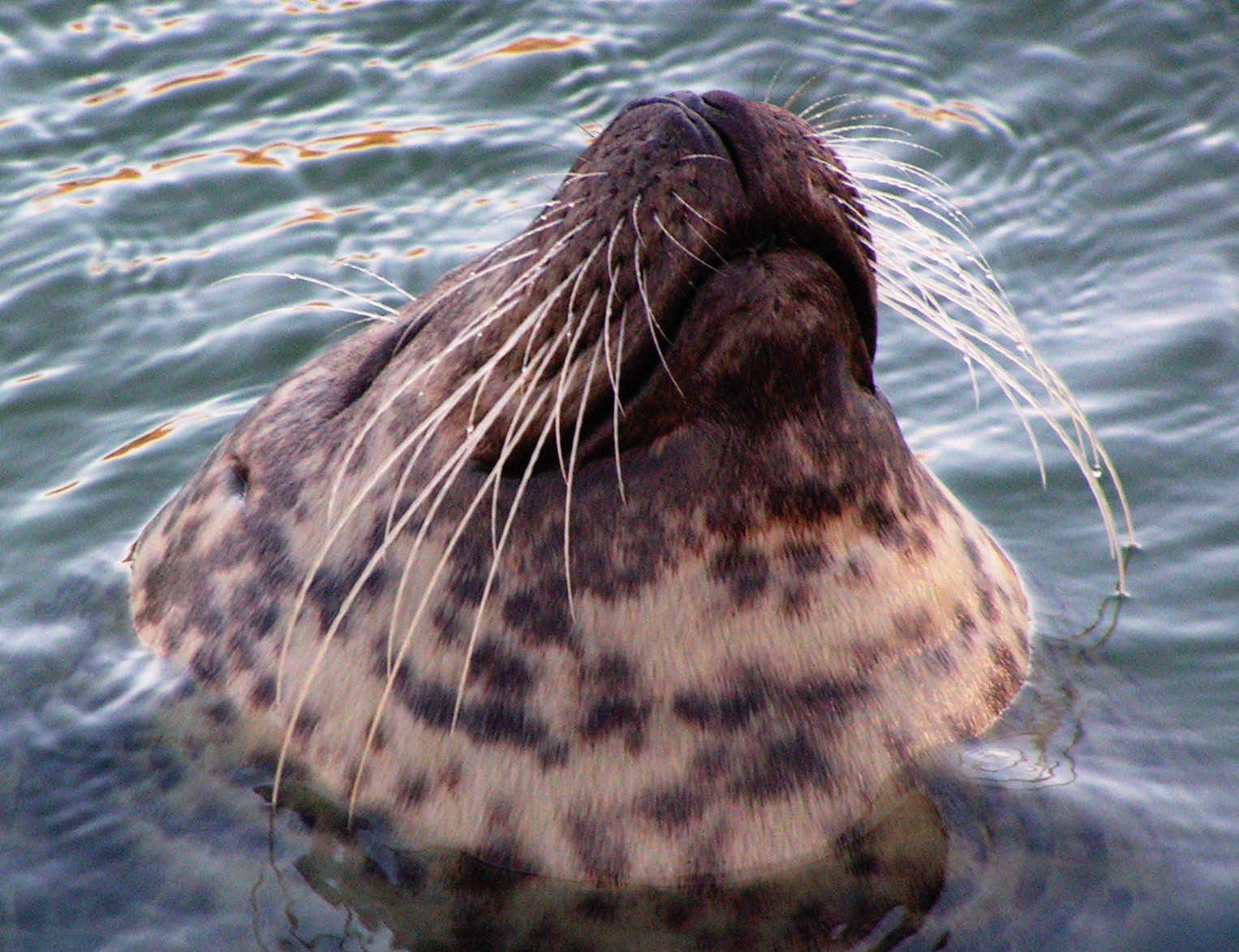
Blood Samples from 576 Wild Harbour Seals Establish 35 Health Reference Ranges
Blood samples collected from 576 wild harbour seals over 28 years produced reference intervals for 35 health parameters…
Read story →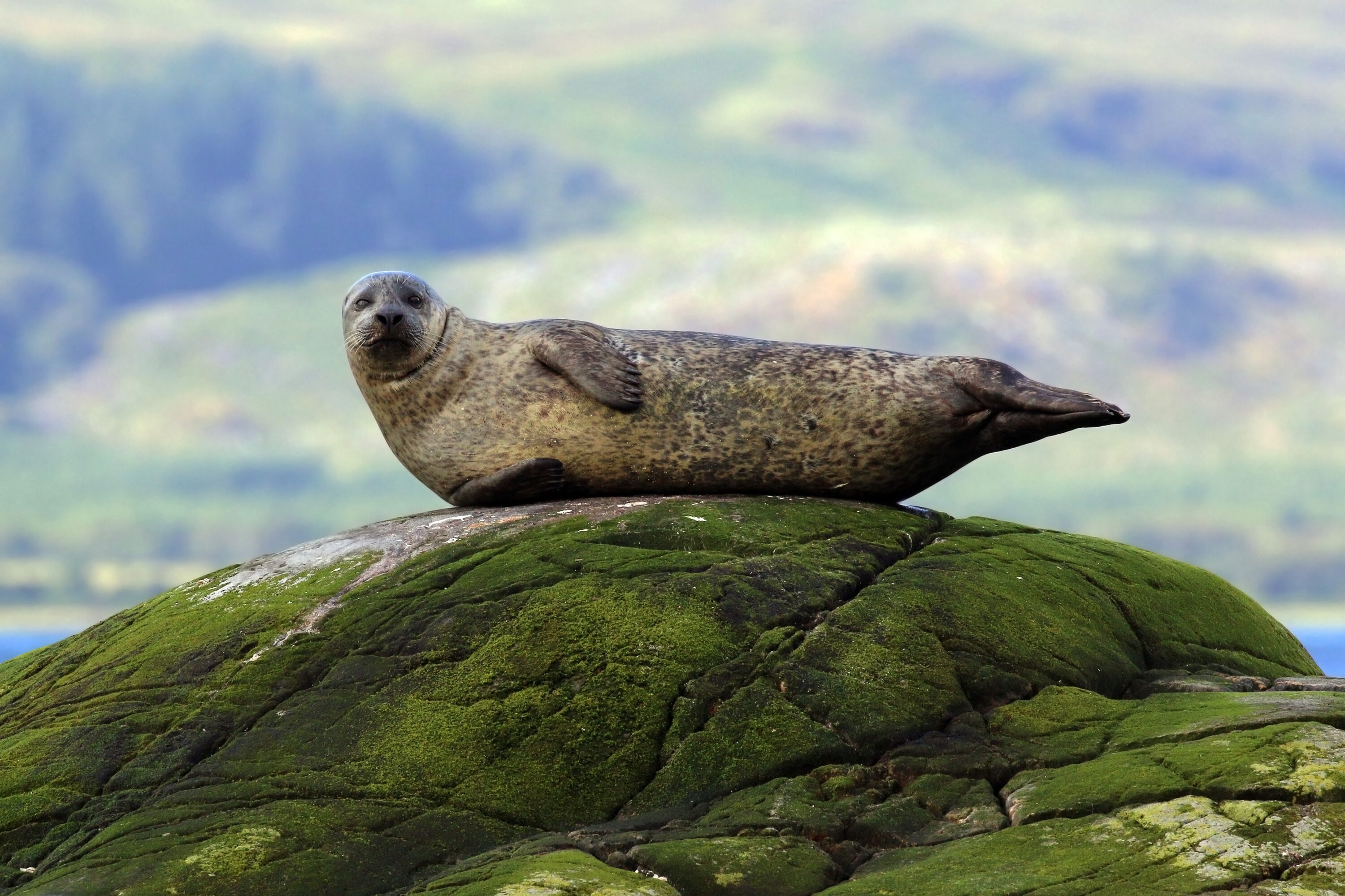
One Harbour Seal Had Similar Visual Acuity Underwater and in Air
A trained harbour seal detected small high- and intermediate-contrast targets about equally well underwater and in air, while…
Read story →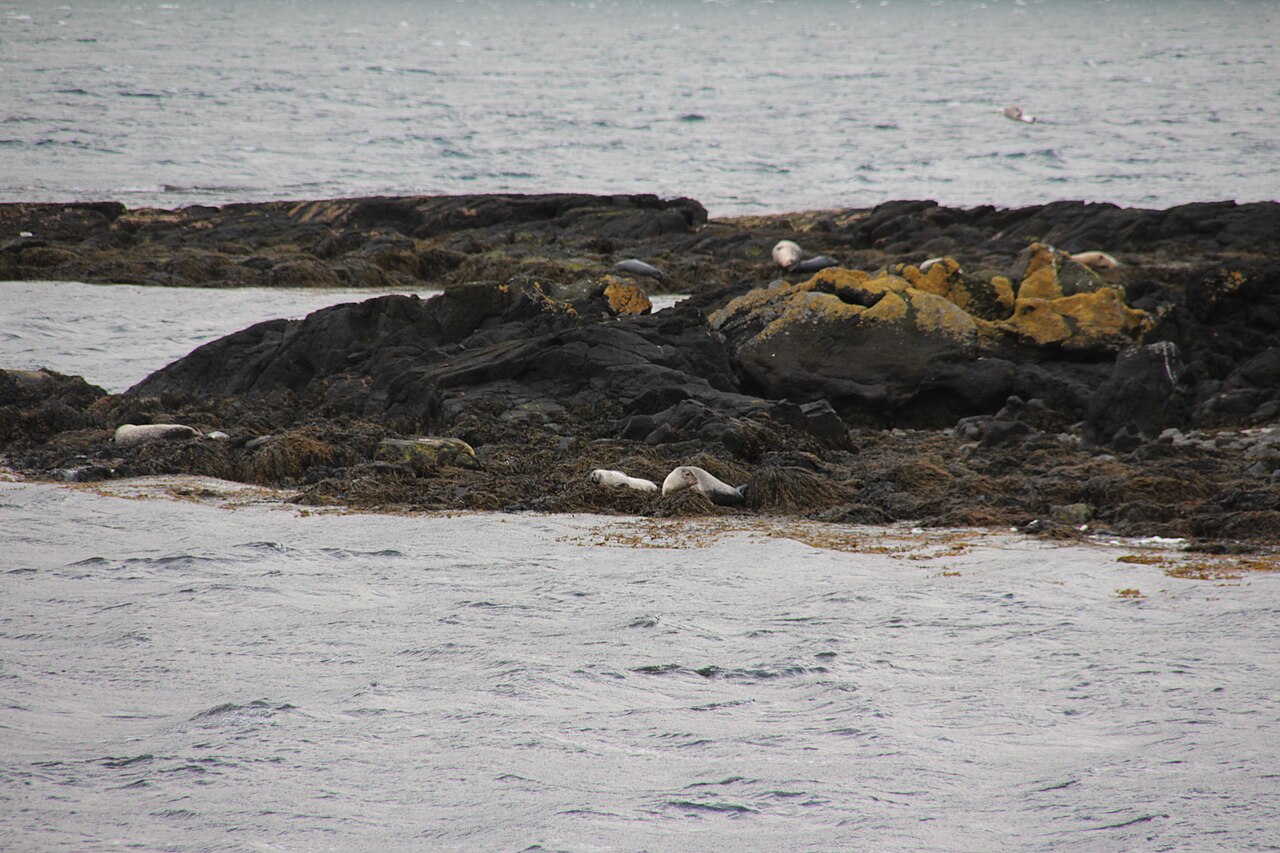
Northern Iceland Seal Count Recorded 441 Seals, Almost Unchanged From 2025
Volunteers counted 441 seals along just over 100 kilometres of coastline in northern Iceland on 27 July, almost…
Read story →SPECIES IN THIS STORY
Species in this story
Independent research and conservation news archive
Did you find this information useful?
Wildlife Vagabond is independently built and maintained. Voluntary support helps cover source verification, hosting and continued work on research and conservation news.
Support Wildlife VagabondThe news archive will remain freely available.