
Caribou Recruitment Was Lower in More Productive, Disturbed Canadian Landscapes
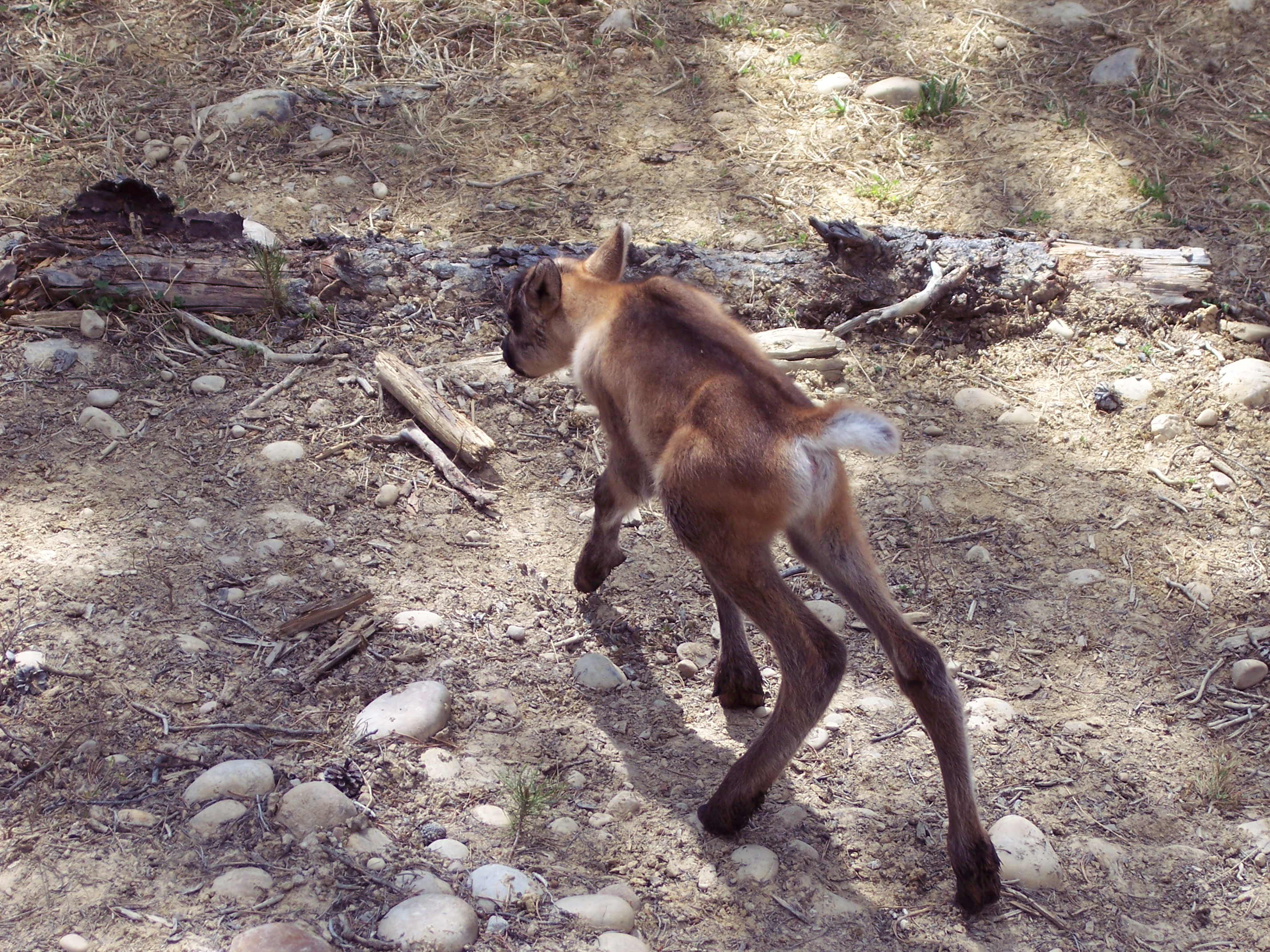
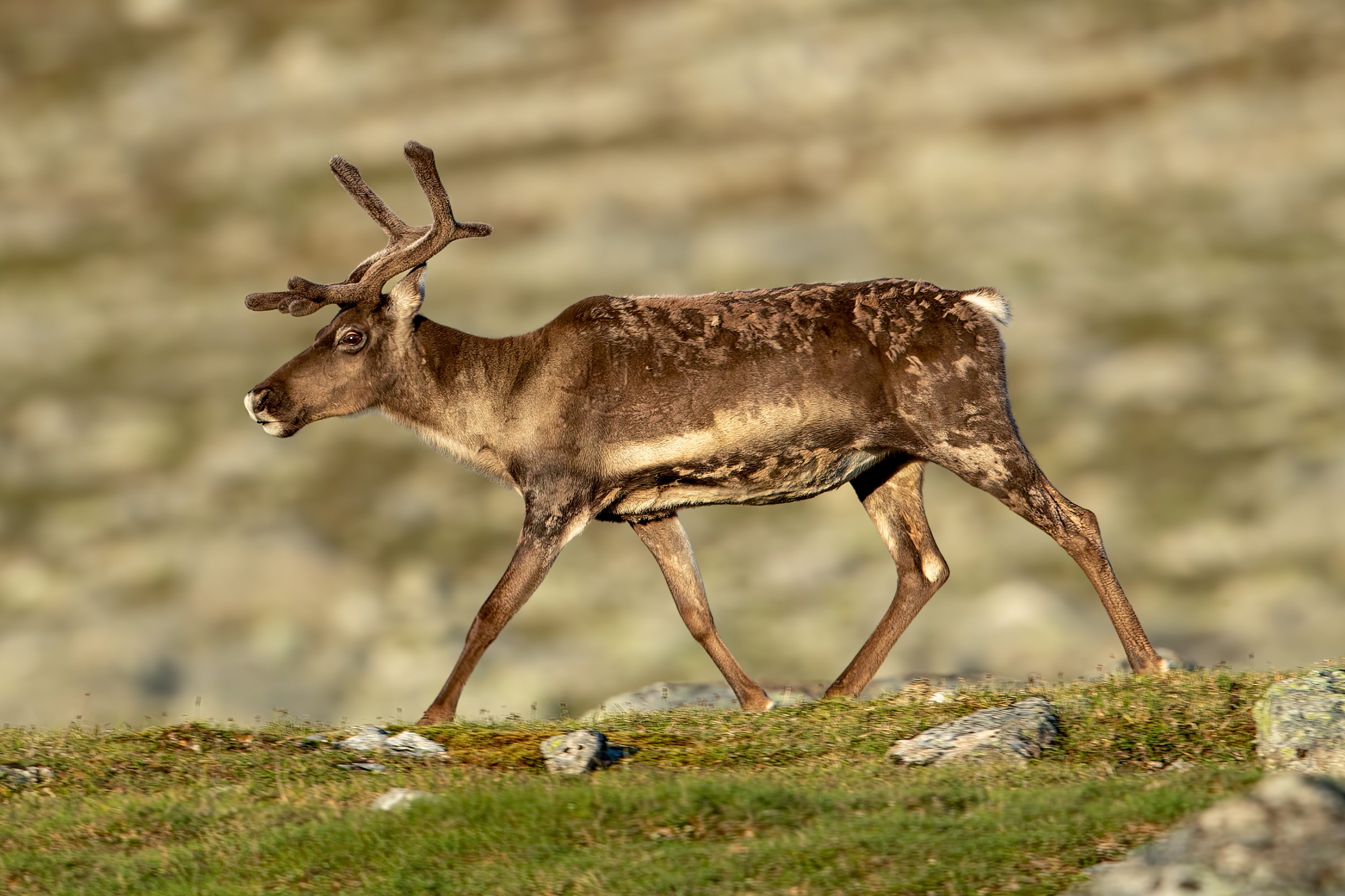
Calf recruitment in boreal woodland caribou (Rangifer tarandus) was lower in more productive and more heavily disturbed landscapes with richer predator and alternative-prey communities, according to a Canada-wide study published in March 2026. Researchers combined demographic data from 40 caribou study areas with net primary productivity, disturbance footprints, moose density and predator and prey richness. Net primary productivity describes how much new plant biomass a landscape produces and therefore how much energy is initially available to the food web.
Recruitment, measured as the number of calves surviving to about ten months of age relative to adult females, declined along gradients of higher net primary productivity, anthropogenic disturbance and greater predator and alternative-prey richness. Structural modelling indicated a pathway in which higher productivity was associated with more disturbance, which in turn was associated with richer prey and predator communities and lower caribou recruitment.
Apparent competition may help explain lower calf recruitment
This pattern is an example of apparent competition, an indirect food-web interaction in which abundant alternative prey can support more generalist predators and thereby increase predation pressure on another prey species such as caribou. When human disturbance helps create those conditions, the authors refer to the process as disturbance-mediated apparent competition.
Adult female survival followed a different pathway
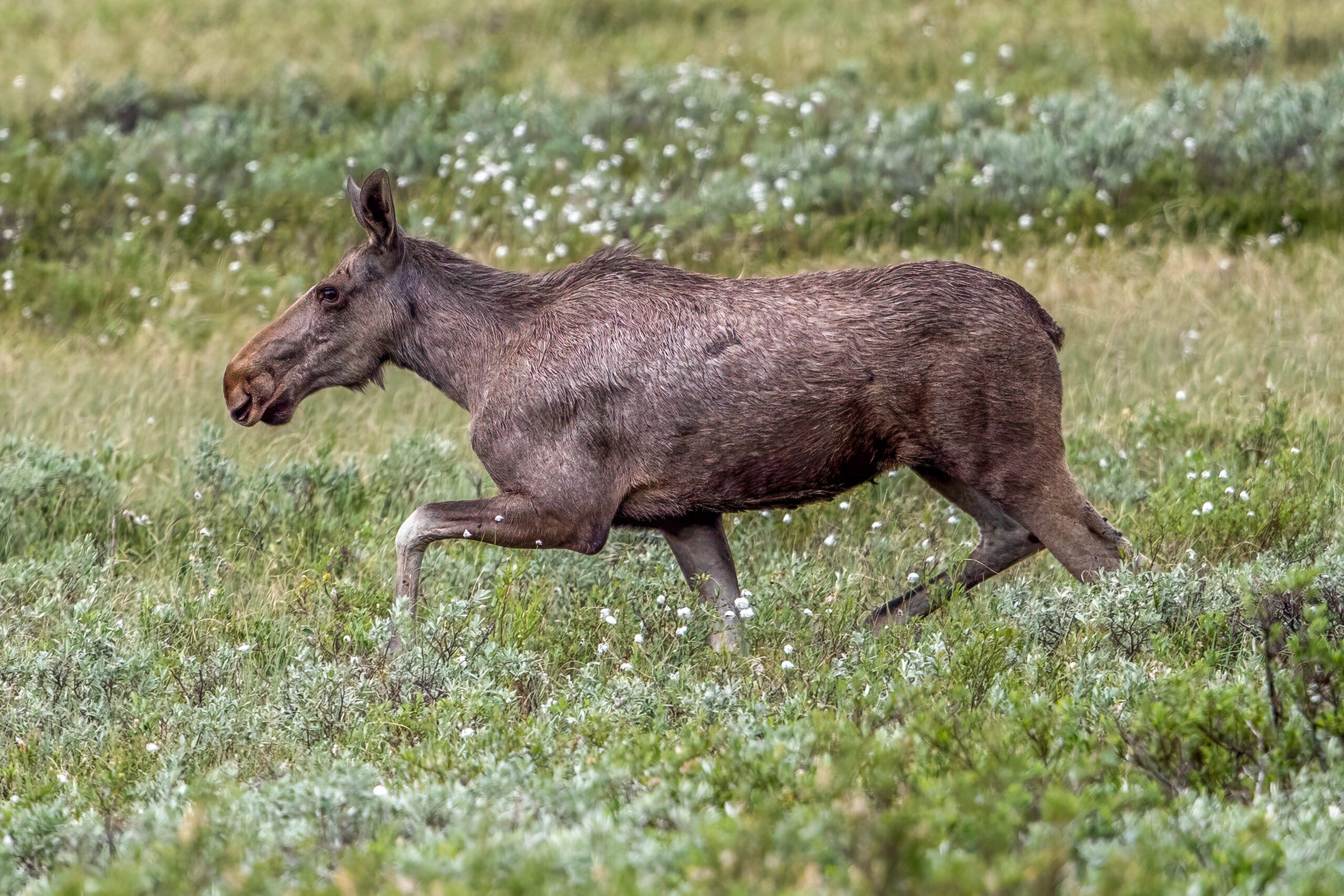
Adult female survival showed a different pathway. Higher primary productivity was associated with higher moose density, which in turn was linked to lower caribou survival. In this part of the analysis, disturbance was not the intermediate step. Taken together, the results indicate that the full disturbance–prey–predator pathway was strongest in more productive parts of the boreal landscape, while productivity was also linked to adult survival through moose density.
The authors argue that productivity helps determine where human disturbance, alternative prey and predators become concentrated, changing the ecological context in which caribou populations persist across Canada.
Ecology
Related news
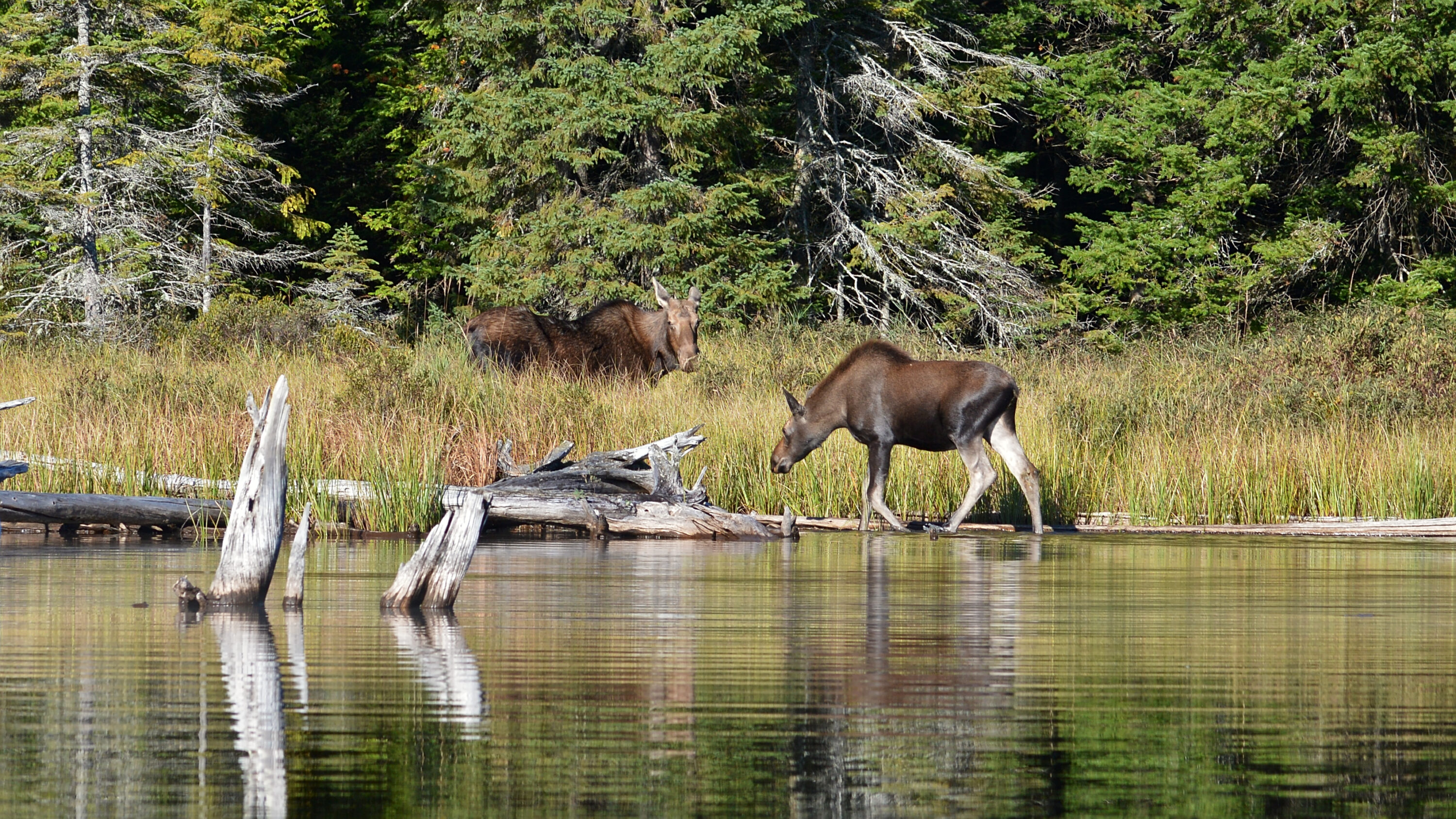
Model Exposes Hard Trade-offs in Managing Moose, Wolves and Caribou
A 50-year Ontario simulation found that combined, moderate interventions balanced the three species better than any single measure,…
Read story →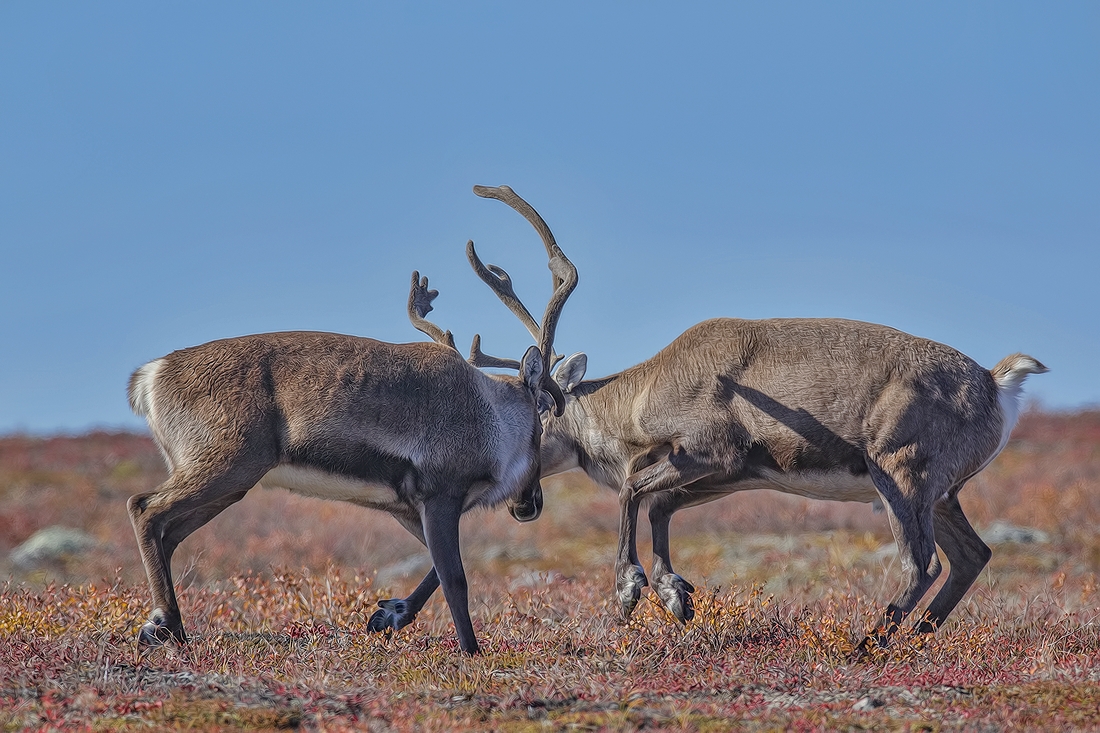
Inuit harvesters help detect an emerging parasitic disease in Arctic caribou
Near Kugluktuk in Nunavut, Inuit harvesters reported unusual tissue changes in caribou. Tests found DNA from two parasitic…
Read story →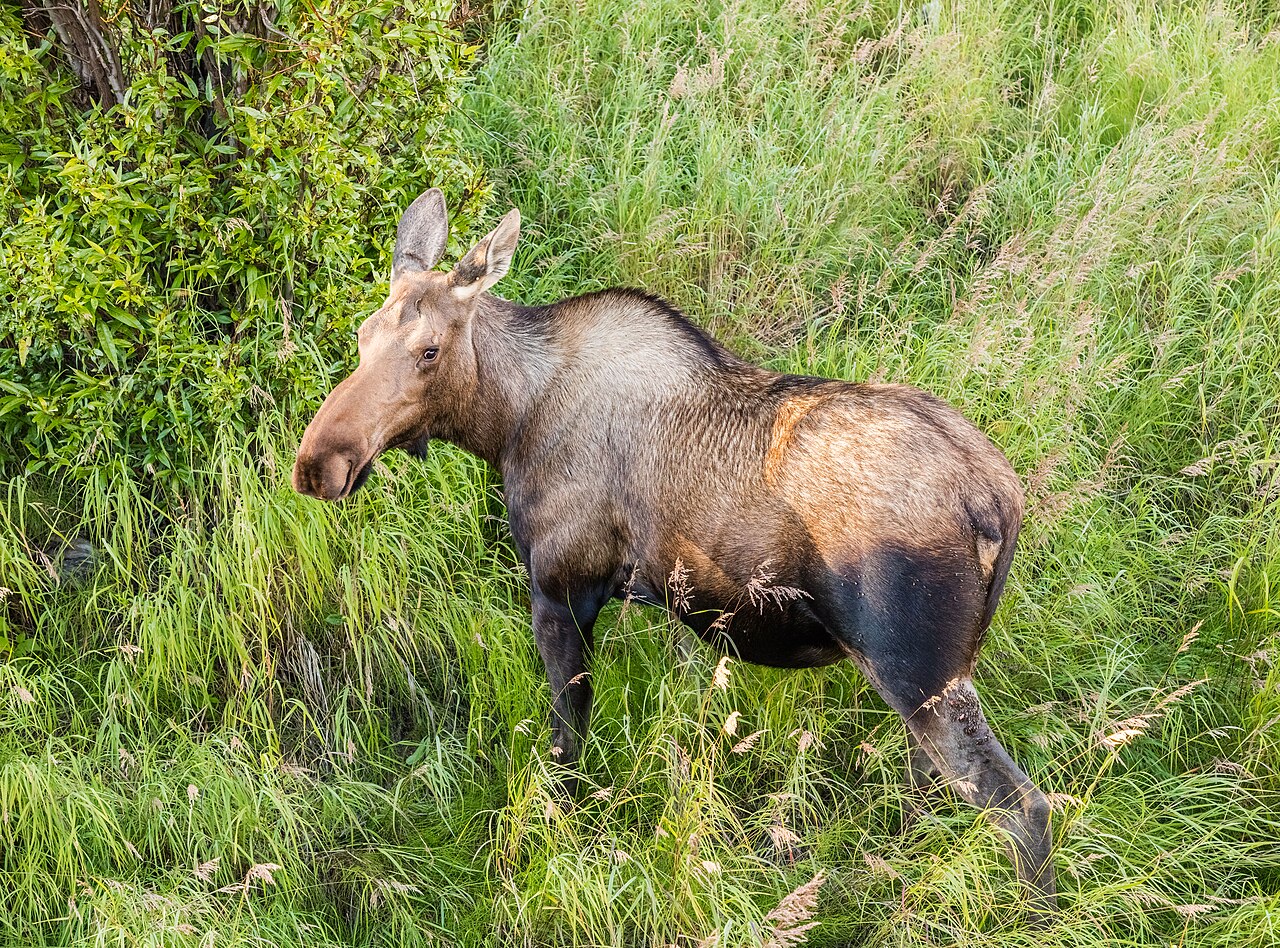
Arctic Moose Follow the River Valleys
GPS tracking in Alaska showed that half of 24 female moose migrated between summer and winter ranges. Migrants…
Read story →SPECIES IN THIS STORY
Species in this story
Independent research and conservation news archive
Did you find this information useful?
Wildlife Vagabond is independently built and maintained. Voluntary support helps cover source verification, hosting and continued work on research and conservation news.
Support Wildlife VagabondThe news archive will remain freely available.