
Zitting Cisticolas With Categorical Egg Signatures Made Fewer Recognition Errors

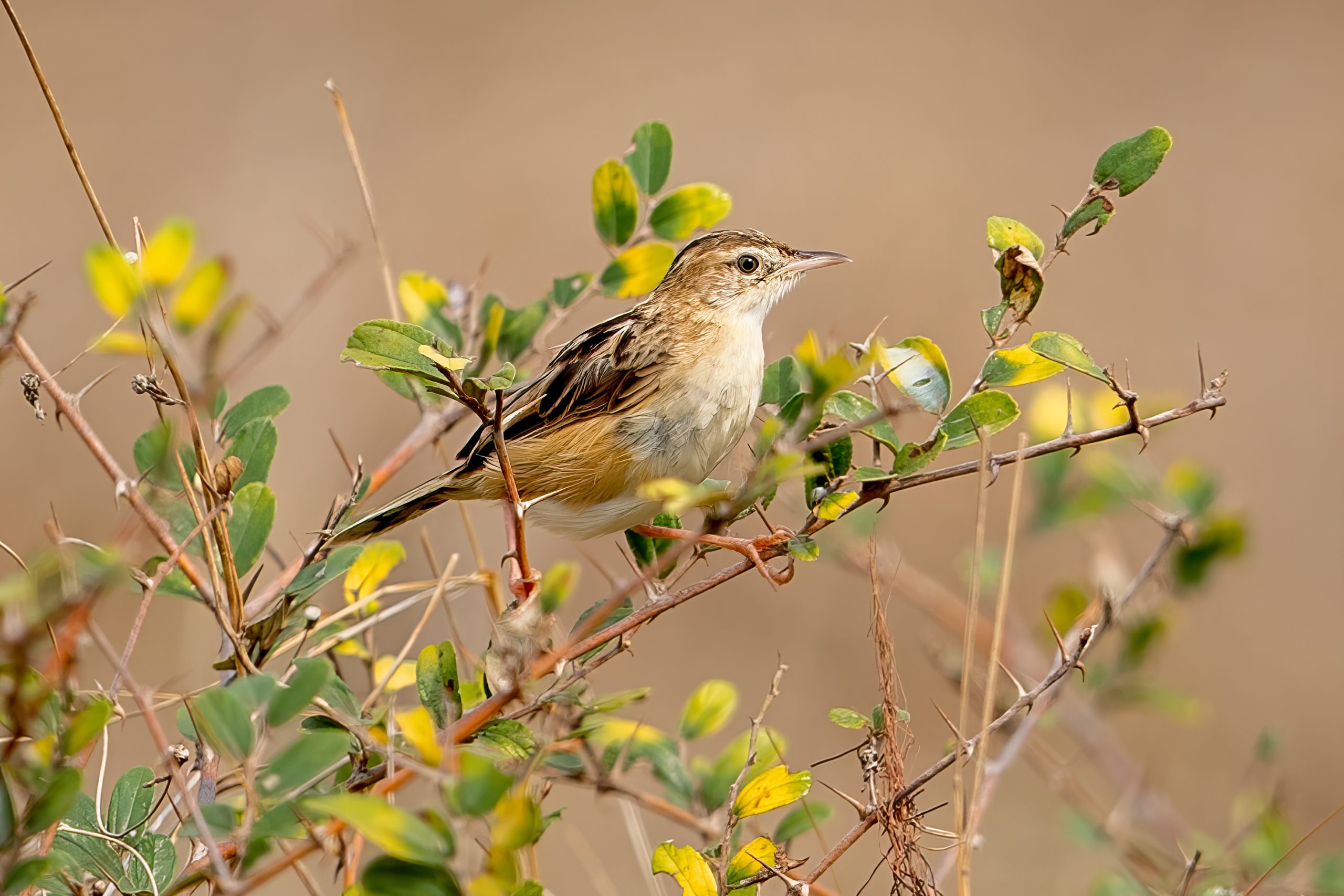
Zitting cisticolas (Cisticola juncidis) had categorically distributed egg signatures and showed the lowest rates of two different recognition errors among four host species studied in southern Zambia. In a study published in PLOS Biology on 20 February 2026, researchers compared the species with three other hosts of the African cuckoo finch (Anomalospiza imberbis).
The field experiments were conducted around Semahwa Farm in the Choma District during wet seasons from 2018 to 2020 and again in 2022–2023. At each host nest, one egg was replaced by an egg from another nest of the same species. In zitting cisticolas, three traits that influenced rejection—background colour, marking luminance and marking size—fell into distinct categories rather than varying only along a continuous scale.
Categorical egg signatures reduced recognition errors
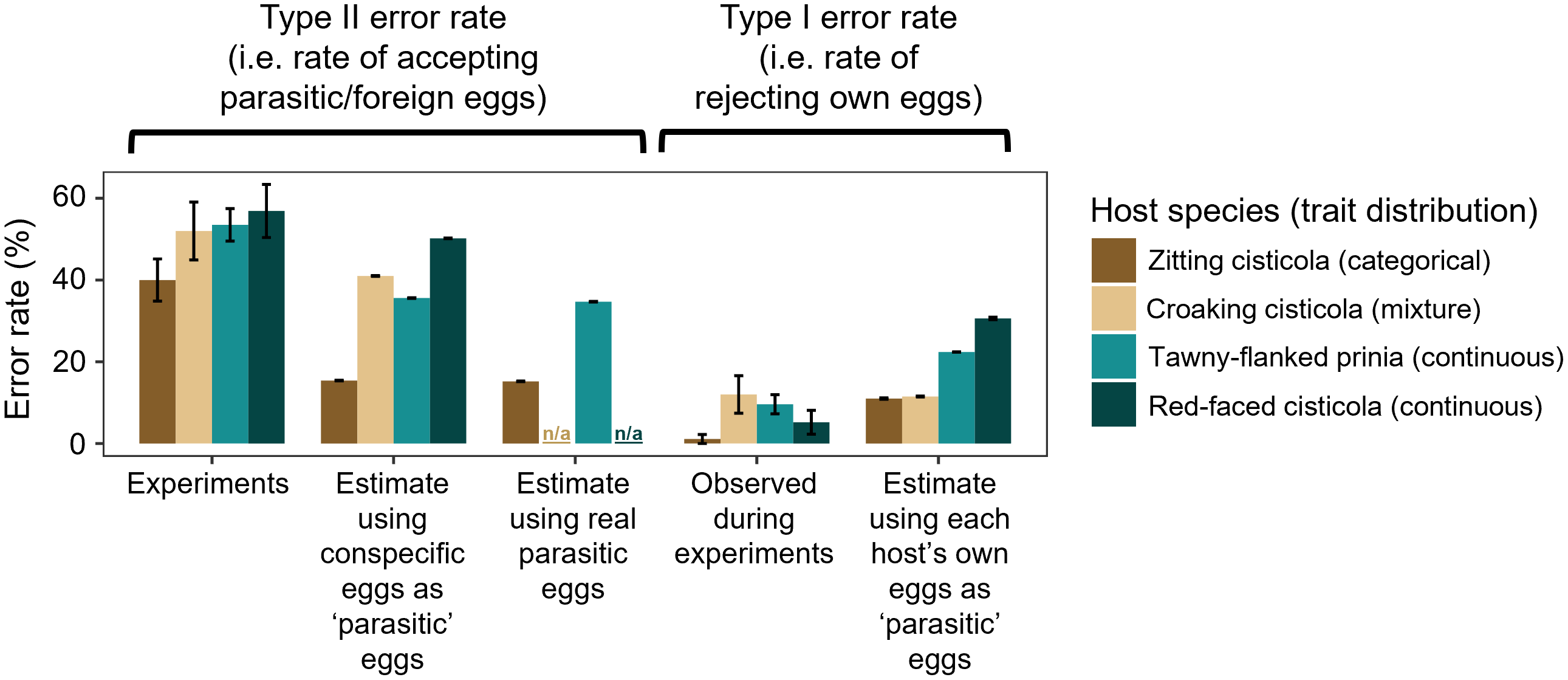
The birds responded strongly to these categories. Almost all foreign eggs that differed from the host clutch in at least one visually assigned category were rejected: 51 of 52. By contrast, 35 of 38 experimental eggs that matched the host clutch in all categories were accepted. In 90 field experiments, only one zitting cisticola rejected one of its own eggs.
Models supported the same pattern
Model-based estimates gave the same overall pattern. When real cuckoo finch eggs were used in the models, the estimated rate of accepting a parasitic egg was 15.2% for zitting cisticolas, compared with 34.7% for tawny-flanked prinias. Across the four host species, zitting cisticolas showed the lowest rates of both accepting foreign eggs and rejecting their own. Individual-based simulations suggested that categorical variation can reduce both error types, especially when birds reject eggs belonging to a different category from their own. The authors caution that the comparison among four host species cannot by itself prove that categorical variation caused the lower error rates.
Behaviour
Related news
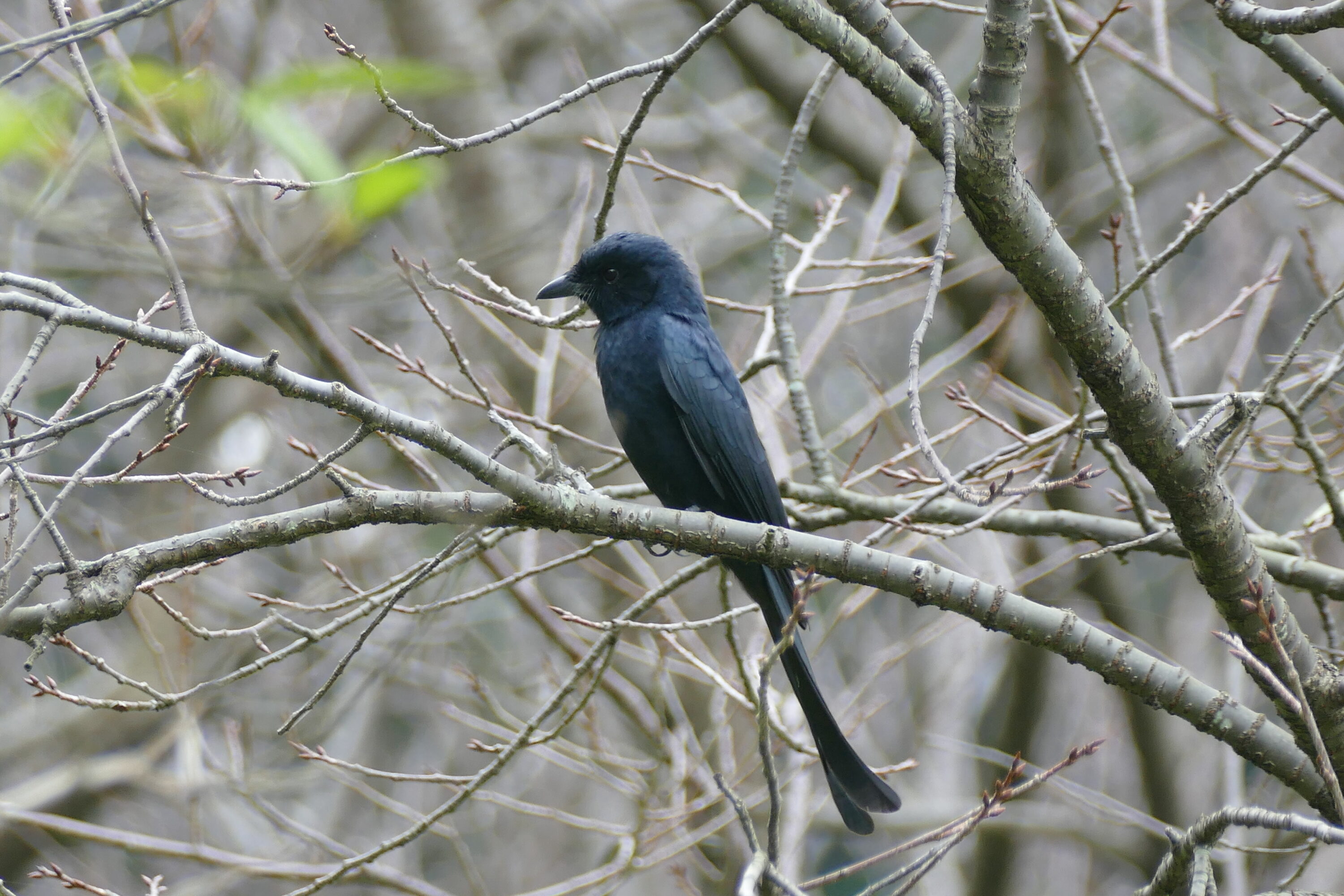
114,357 ha of Taiwan Farmland Was Modelled as Suitable for Four Bird Species
Suitable habitat for black drongo, common moorhen, zitting cisticola and scaly-breasted munia overlapped across 114,357 hectares of Taiwan…
Read story →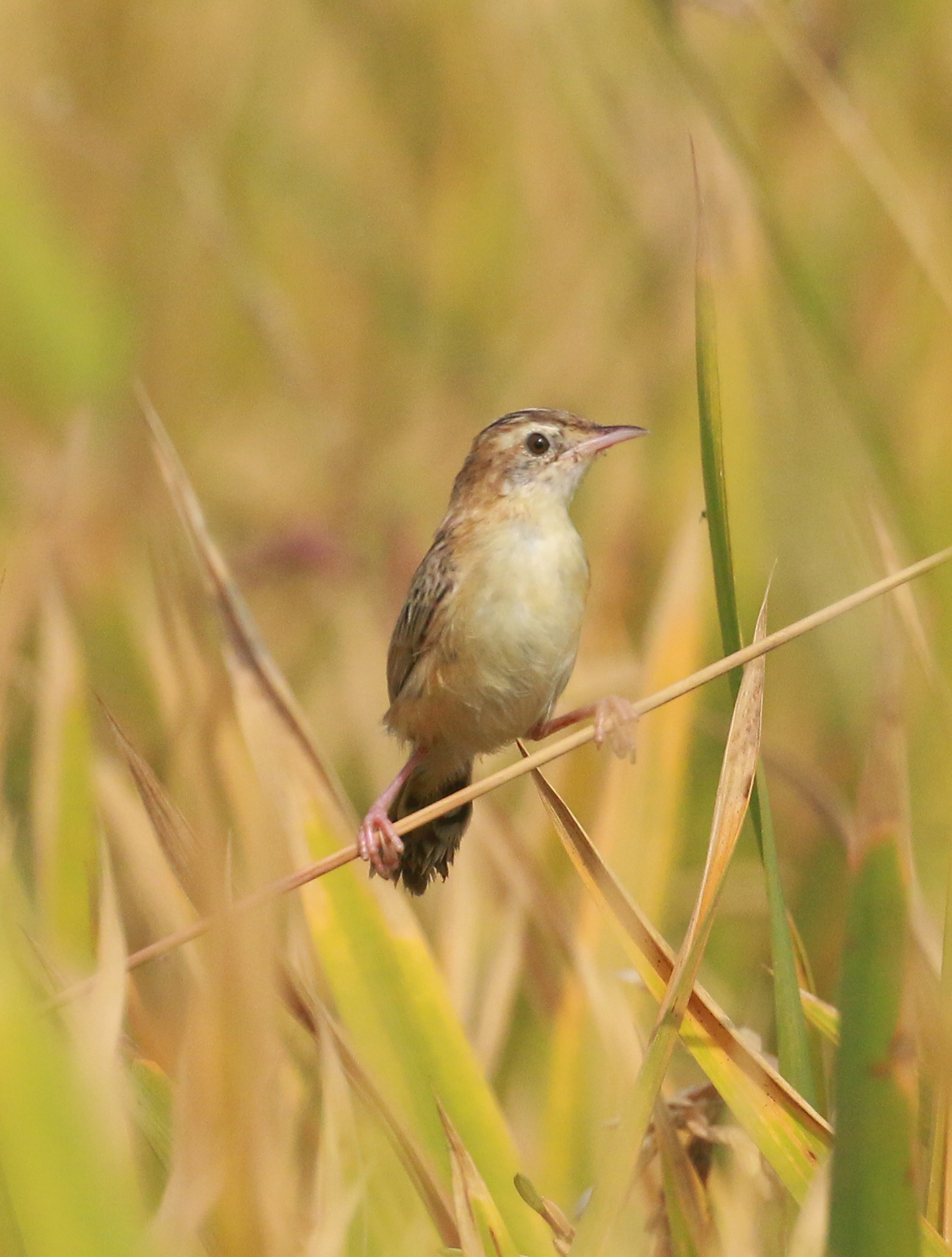
Zitting Cisticolas Raised at Least Seven Juveniles from Three Broods in Suffolk
At least 11 Zitting Cisticolas were present at Corporation Marsh in Suffolk on 6 August 2026, including up…
Read story →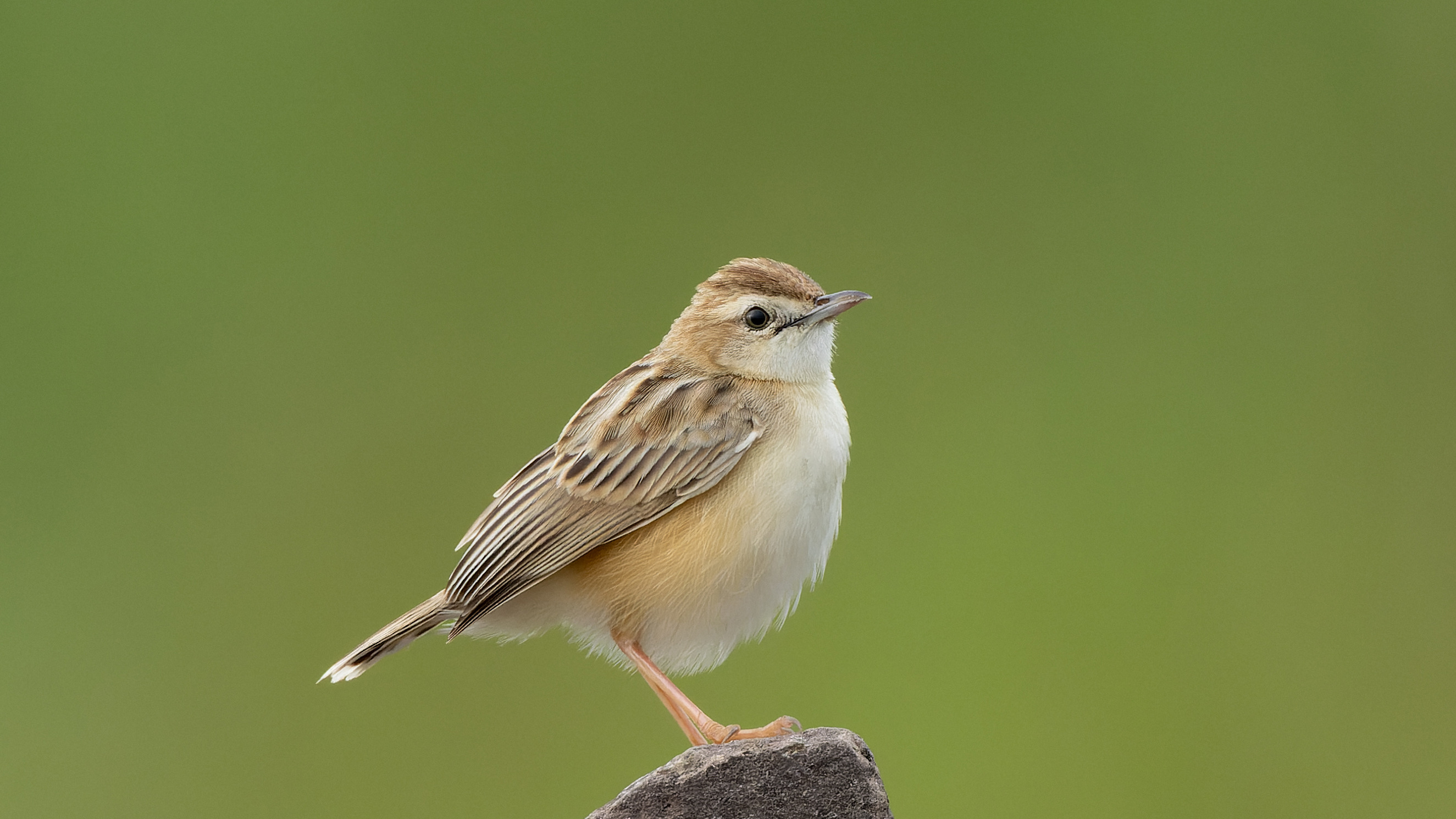
India’s Zitting Cisticola Index Rose 51.7% Long Term and 3.6% Per Year Recently
The 2025 State of India’s Birds update, published in May 2026, estimated a 51.7% long-term increase in India’s…
Read story →SPECIES IN THIS STORY
Species in this story
Independent research and conservation news archive
Did you find this information useful?
Wildlife Vagabond is independently built and maintained. Voluntary support helps cover source verification, hosting and continued work on research and conservation news.
Support Wildlife VagabondThe news archive will remain freely available.