
Cattle Egrets Find New Feeding Opportunities Around Farms and Towns
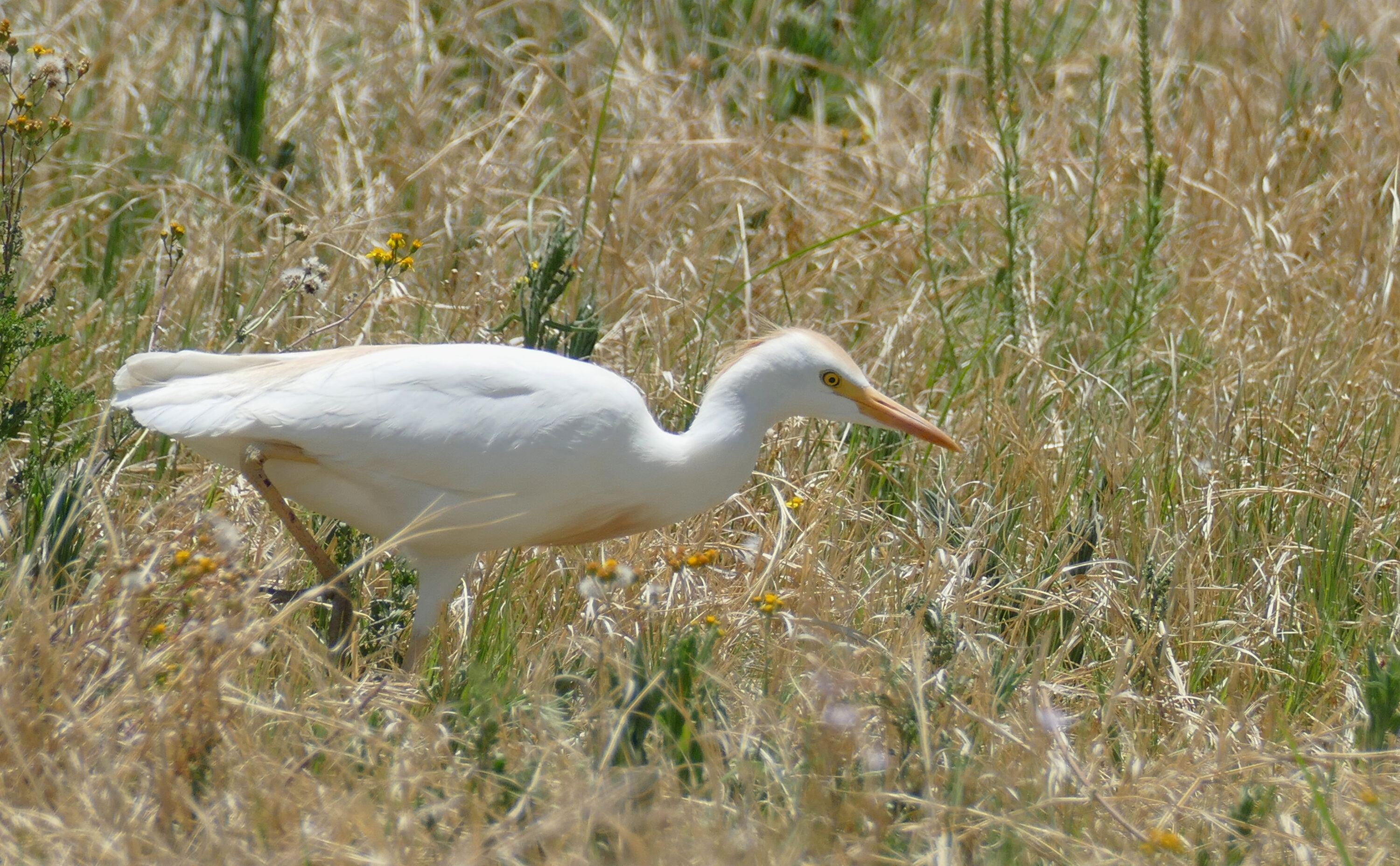
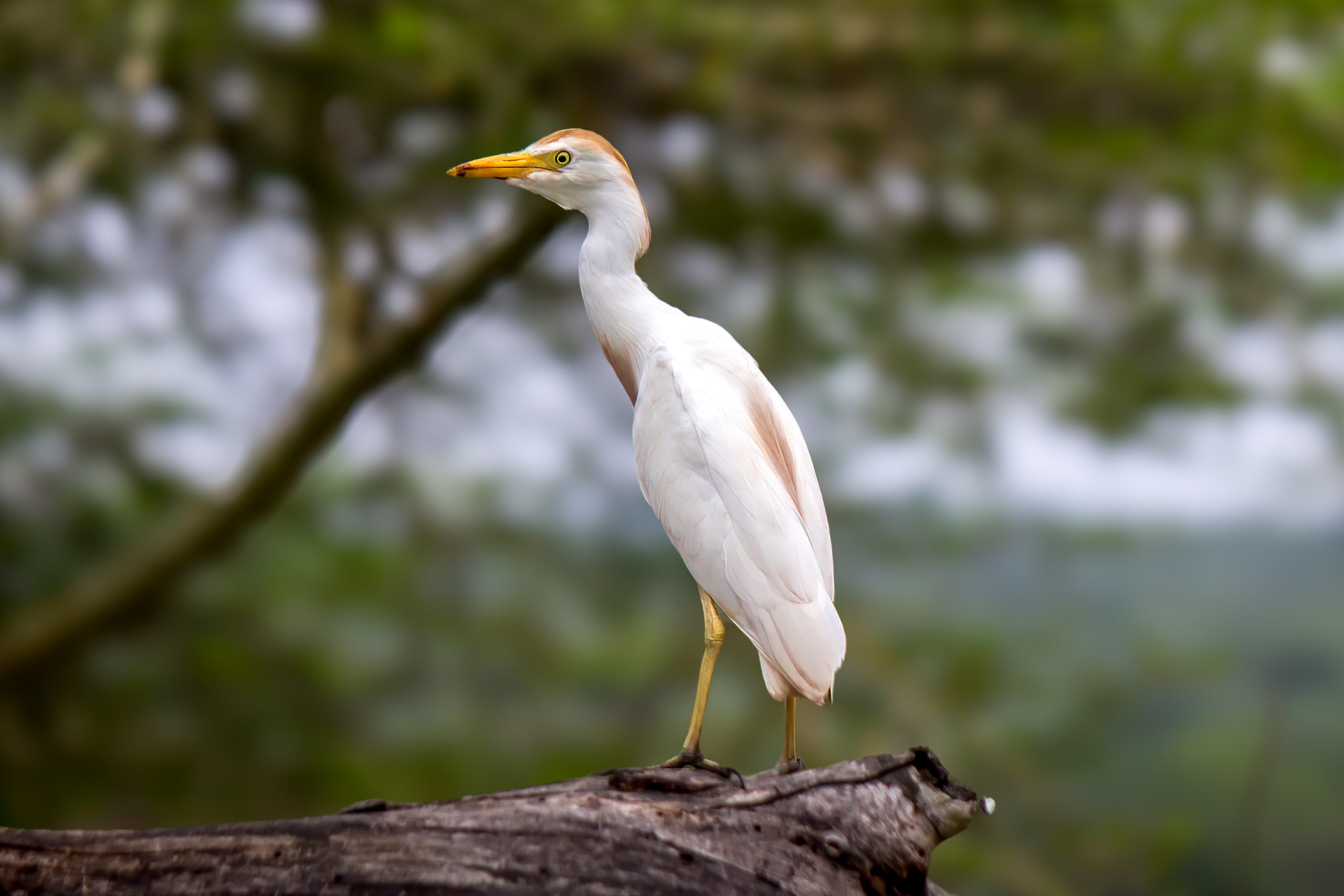
As cattle graze or a tractor passes through vegetation, insects scatter. Western Cattle Egrets (Ardea ibis) follow behind to catch the exposed prey. This ability to exploit feeding opportunities runs through a review of 173 studies, which shows that the birds have done well in many of Southern Africa’s farming landscapes and areas around towns.
The researchers brought together evidence on population trends, feeding, breeding and threats. Populations in the best-studied parts of the region were generally stable or increasing. The studies also show that even this adaptable bird depends on suitable nesting sites and food throughout the year.
Moving with the food supply
Cattle egrets use wetlands, pastures, cropland and urban green spaces, moving among them as water conditions and prey availability change. Grasshoppers and other orthopteran insects dominate many dietary studies, and birds often catch prey more efficiently when livestock or farm machinery flush it out.
Breeding commonly follows seasonal rains, when insect food becomes more abundant. Across the breeding studies reviewed, clutch size averaged 2.9 eggs and around 62% of chicks reached fledging age. The birds often nest alongside other herons and gather at large communal roosts. Southern African roosts commonly hold 1,000–2,000 birds and can reach around 5,000.
Recorded more often in the bird atlas
One sign of their success comes from the Southern African Bird Atlas. In the published analyses brought together by the review, the probability of recording cattle egrets in a surveyed atlas unit rose from 38% in 1987–1991 to 60% in the period from 2007 onward. These figures describe how often birds were recorded, rather than how many birds existed.
Colony and roost counts also point to increases in well-surveyed areas. The evidence is unevenly distributed, however: about three quarters of the regional studies were conducted in South Africa. Trends are consequently less well known in several neighbouring countries.
Opportunities come with threats
By eating insects, cattle egrets can help suppress agricultural pests, while their droppings move nutrients between feeding and roosting sites. Living close to human activity also exposes them to pollutants and potential contact with pathogens around poultry facilities and waste sites.
Loss of nesting trees and extreme weather can damage colonies too. The researchers therefore emphasise protecting wetlands and nesting and roosting trees, reducing pollution, and improving monitoring in countries where the birds remain poorly studied.
Ecology
Related news
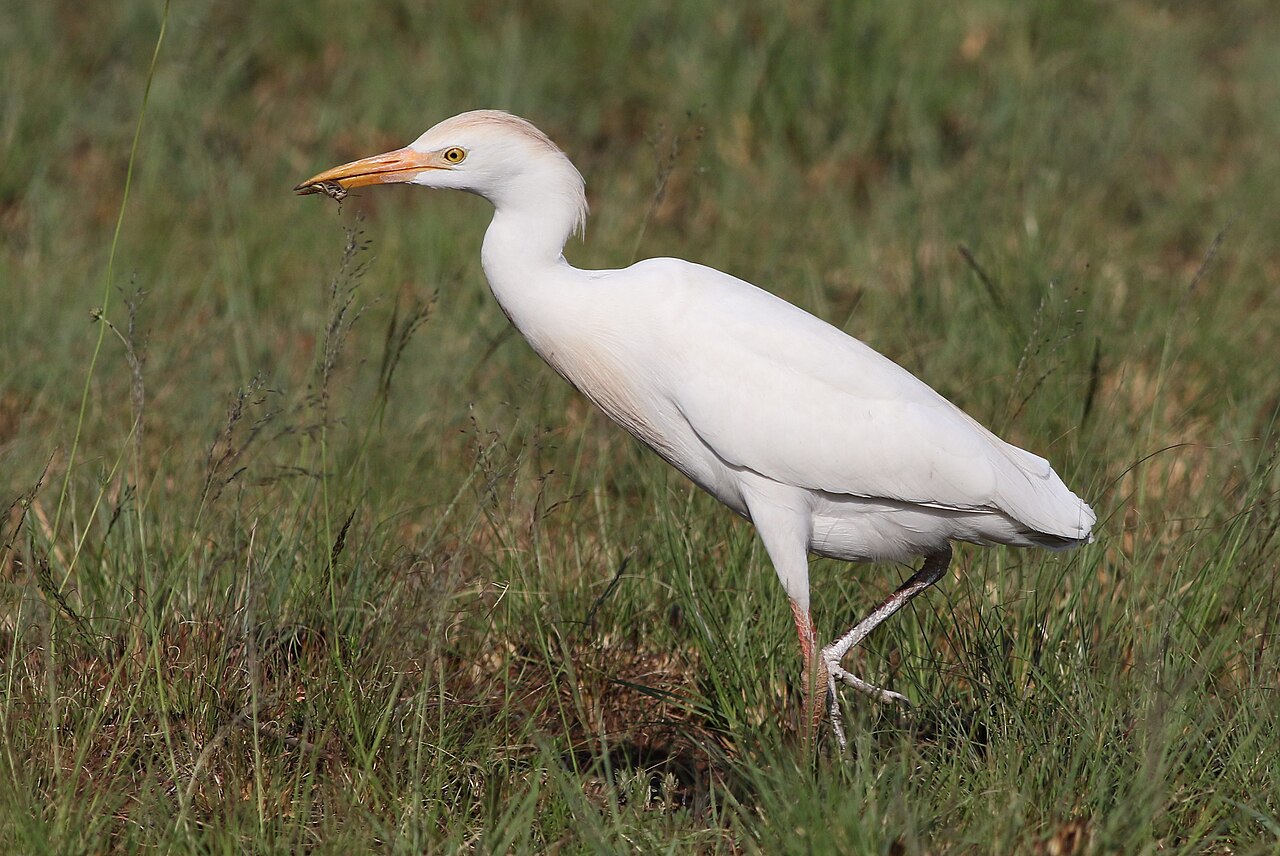
Beetles Dominated Western Cattle Egret Diet Across Nine Algerian Colonies
Across 241 pellets from nine breeding colonies in northeastern Algeria, 98.3% of identified animal prey were invertebrates and…
Read story →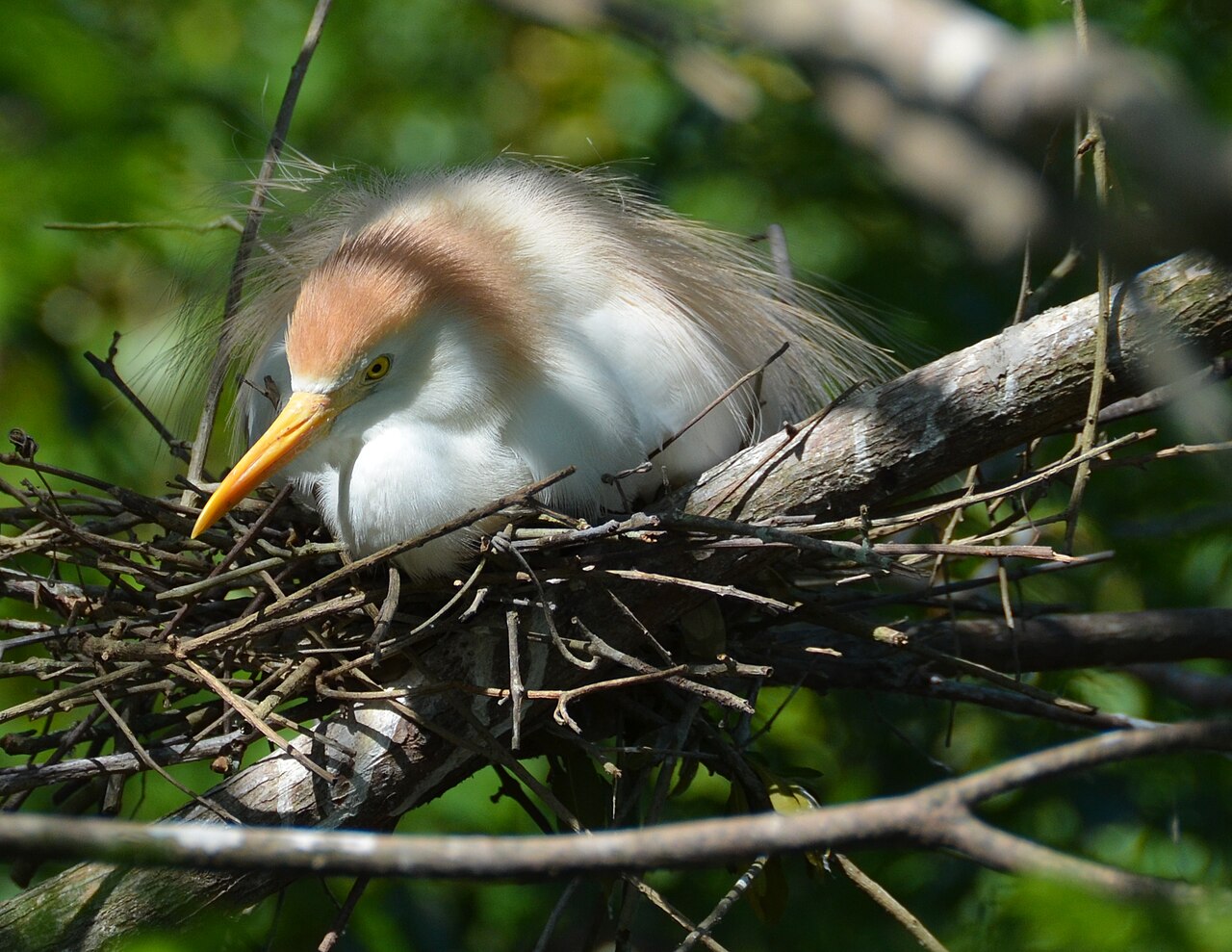
Earlier Laying, Larger Clutches and Better Habitat Were Linked to Higher Western Cattle Egret Breeding Success
A five-year study of 1,779 Western Cattle Egret nests in northeastern Algeria found that breeding performance varied strongly…
Read story →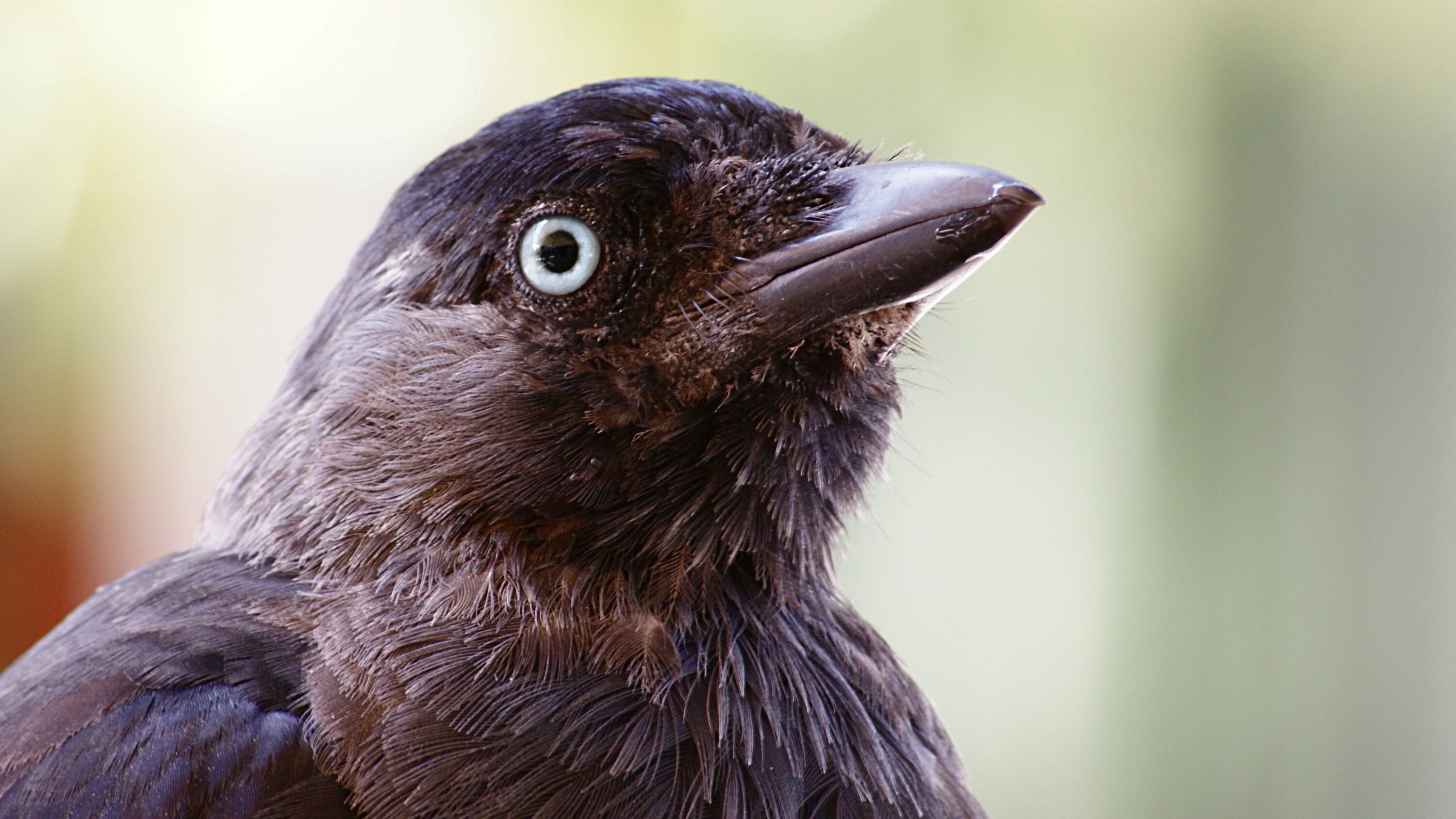
Most Iberian jackdaws share winter roosts with other species
A census of 232 roosts in Spain and Portugal found that 71.6 per cent were shared with other…
Read story →SPECIES IN THIS STORY
Species in this story
Independent research and conservation news archive
Did you find this information useful?
Wildlife Vagabond is independently built and maintained. Voluntary support helps cover source verification, hosting and continued work on research and conservation news.
Support Wildlife VagabondThe news archive will remain freely available.