
Chital Dung at IIT Madras Showed Preliminary Signs of Tuberculosis-Complex DNA
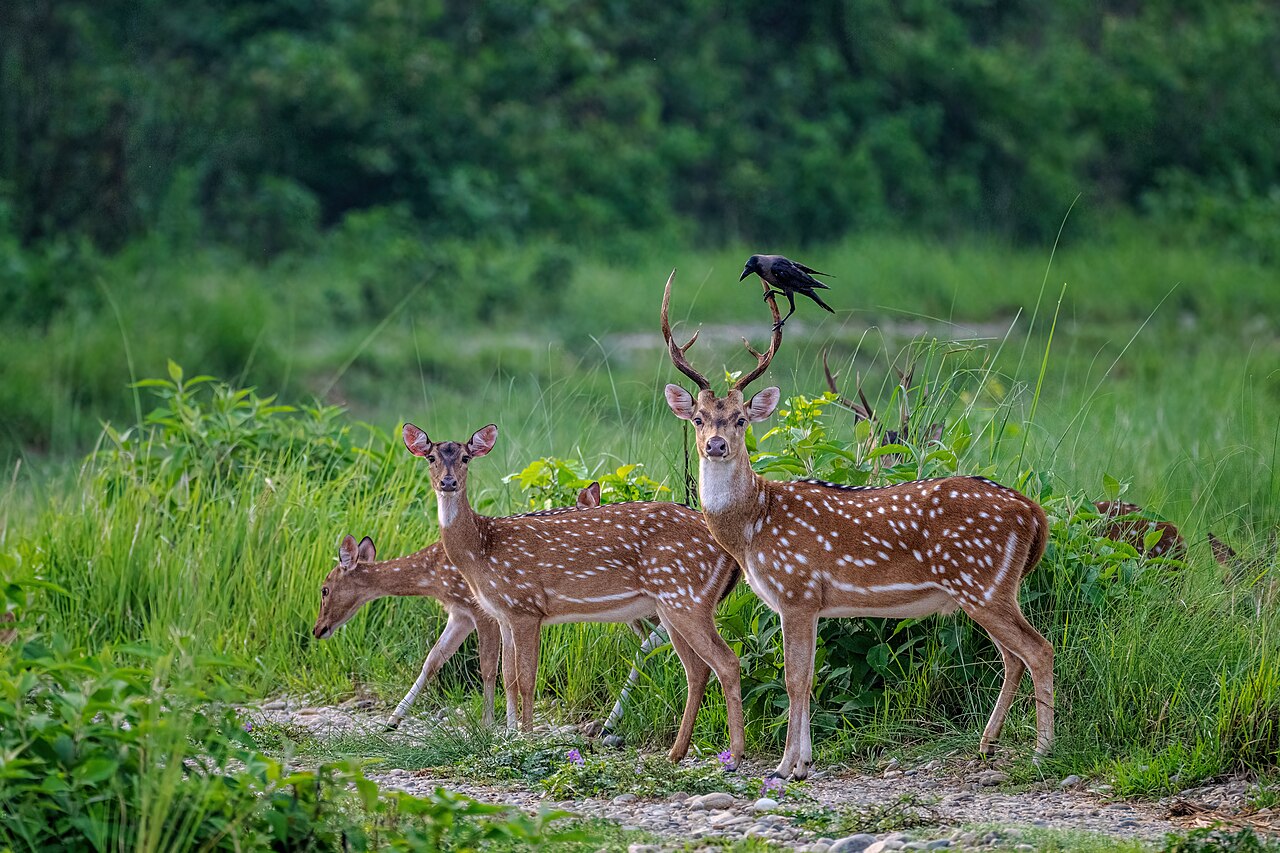
A 2026 study of chital (Axis axis) dung in Chennai found presumptive molecular evidence of DNA from bacteria in the Mycobacterium tuberculosis complex at the Indian Institute of Technology Madras (IIT-M). All five pooled samples from IIT-M produced the tuberculosis-complex target in the PCR assay, while four pooled samples from Arignar Anna Zoological Park in Vandalur were negative. The authors stress that the positive screening results require further confirmation before the exact bacterial species or genotype can be established.
Pooled samples could not identify individual positive deer
The researchers collected dung without capturing or restraining the deer, which the authors note are susceptible to capture myopathy — a potentially severe stress response associated with capture and handling. Samples came from five IIT-M sites and four sites at Arignar Anna Zoological Park and were pooled by site before DNA extraction. The analysis therefore identified positive site-level pools rather than identifying individual deer carrying the detected DNA.
The PCR signal identified a bacterial complex, not the exact species
The duplex PCR included a target for the M. tuberculosis complex, which includes M. tuberculosis and M. bovis, alongside a target for the non-tuberculous species M. avium. The five IIT-M pools amplified the tuberculosis-complex target used in the assay. This does not by itself establish which member of the complex was present in the samples.
Target DNA is not the same as confirmed disease
The authors therefore describe the detections as presumptive and recommend testing individual samples with additional molecular methods, including sequencing. They also note that faecal material can complicate PCR because substances in the sample may interfere with the reaction. The study shows how dung can be used to screen free-ranging deer non-invasively, while also showing why a positive screening signal needs confirmation before it is interpreted as a specific infection. Detection of target DNA in pooled dung does not by itself show that viable bacteria were present or that any deer had clinical tuberculosis.
Disease, parasites & microbiology
Related news

Human Activity and Large Wildlife Overlapped Most in Chitwan’s Buffer Zone
Camera traps across Chitwan National Park and surrounding forests showed the greatest overlap of human activity with large…
Read story →
How Deer and Gaur Share Kanha’s Food Supply
In India’s Kanha National Park, Sambar and Gaur ate much the same food in winter but found it…
Read story →
Feral Chital Documented Across Three Argentine Ecoregions
Researchers compiled 32 records of feral chital from 2018–2025, providing the first consolidated evidence of the introduced deer…
Read story →SPECIES IN THIS STORY
Species in this story

Independent research and conservation news archive
Did you find this information useful?
Wildlife Vagabond is independently built and maintained. Voluntary support helps cover source verification, hosting and continued work on research and conservation news.
Support Wildlife VagabondThe news archive will remain freely available.