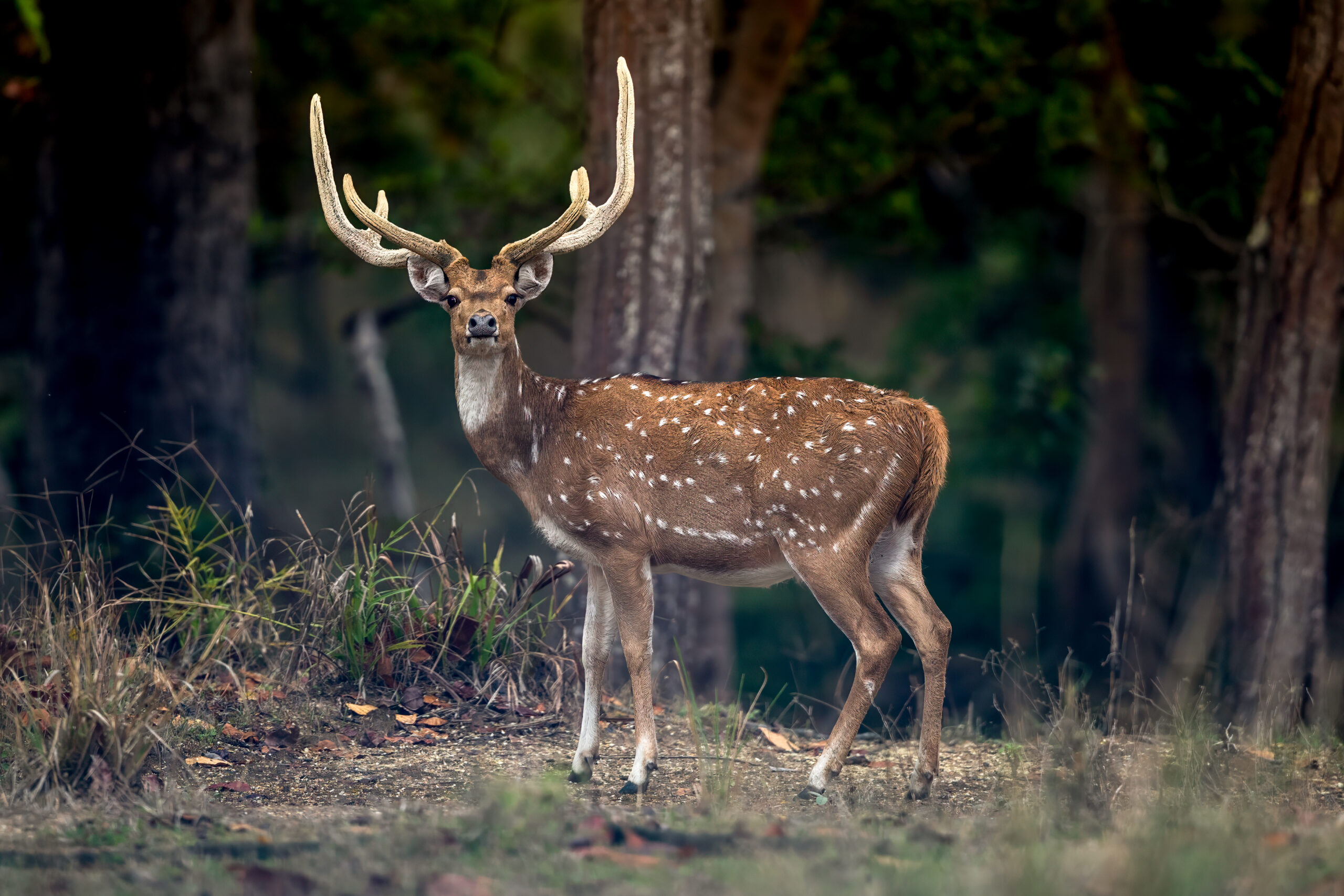
Chital Formed Larger Herds in Grasslands and During the Monsoon
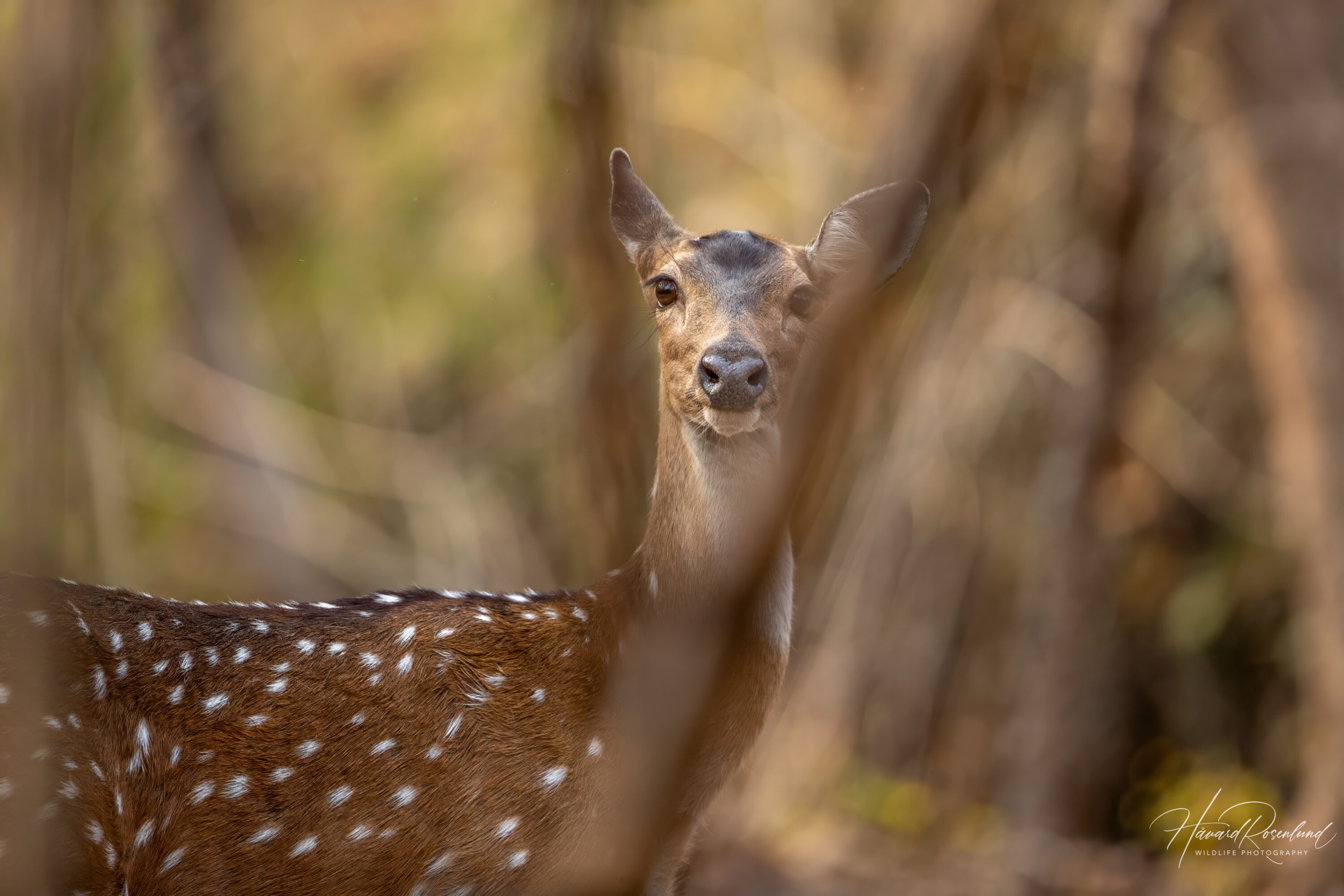
A research poster describes how chital (Axis axis) activity and group structure varied through the year in Kuno National Park, India. Researchers observed the deer from May 2024 to April 2025, recording activity in 206 focal observations and noting 605 groups. A group was defined as deer within 30 metres of one another.
Herds were largest during the monsoon, averaging 17.3 deer, and smaller after the monsoon, at 8.2. Grasslands supported larger herds than forests.
Activity also differed between the sexes: males foraged and walked more before the monsoon, while females foraged more during it. Groups remained female-biased. Male representation rose from 37 per 100 females before the monsoon to 49 during it, then was 46 after it. Juvenile representation was 17 per 100 females before the monsoon, 25 during it and 24 after it.
The authors suggest that seasonal reproduction and habitat structure may help explain these patterns. Food access and visibility could contribute to larger herds in grassland, but were not measured directly. The observations cover one annual cycle, so they cannot establish whether the same seasonal patterns recur over longer periods. In Kuno, chital are important prey for leopards and cheetahs. Their seasonal and habitat-related grouping patterns therefore provide context for understanding where prey may be available to these predators, although the study did not measure predator responses.
Ecology
Related news
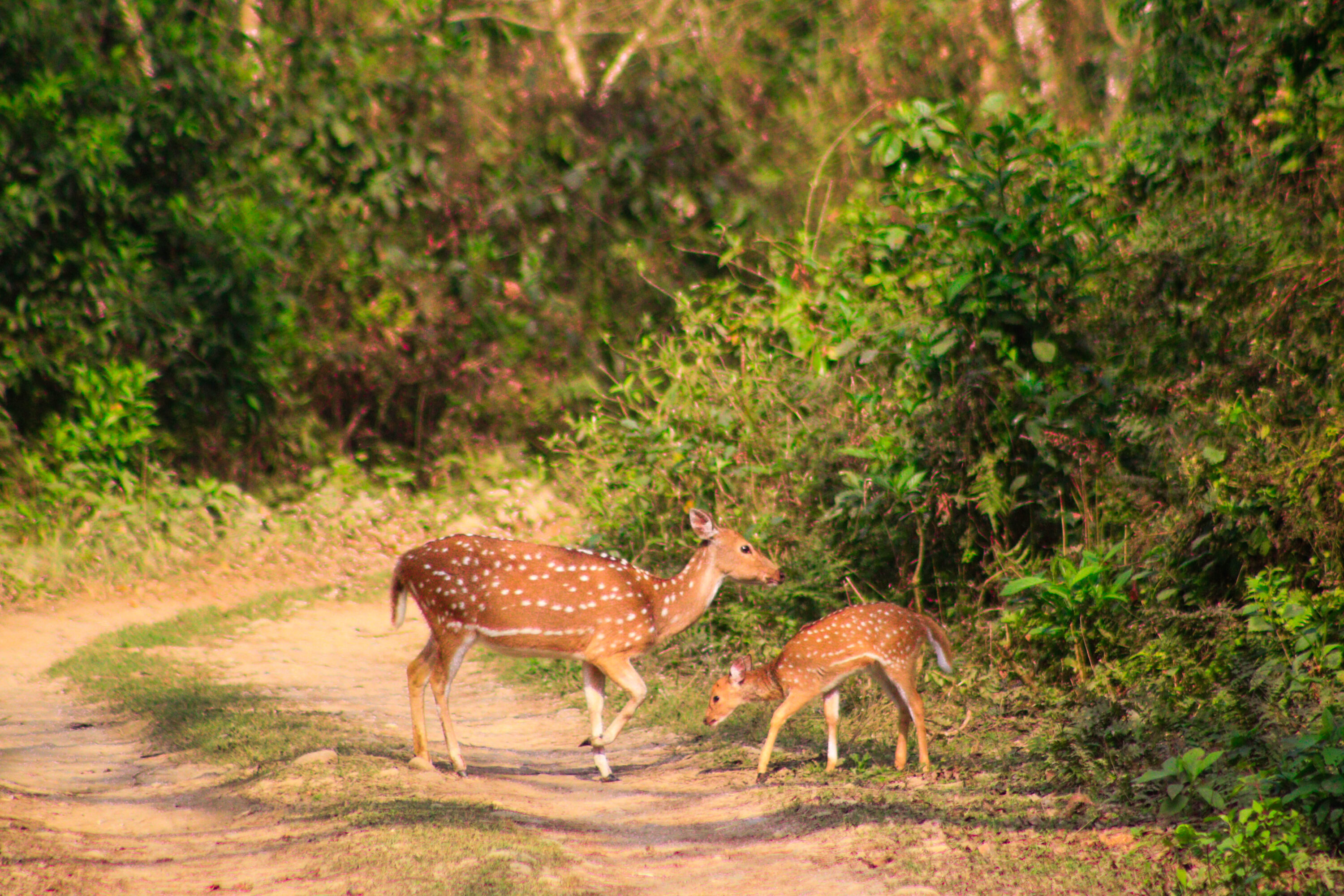
Human Activity and Large Wildlife Overlapped Most in Chitwan’s Buffer Zone
Camera traps across Chitwan National Park and surrounding forests showed the greatest overlap of human activity with large…
Read story →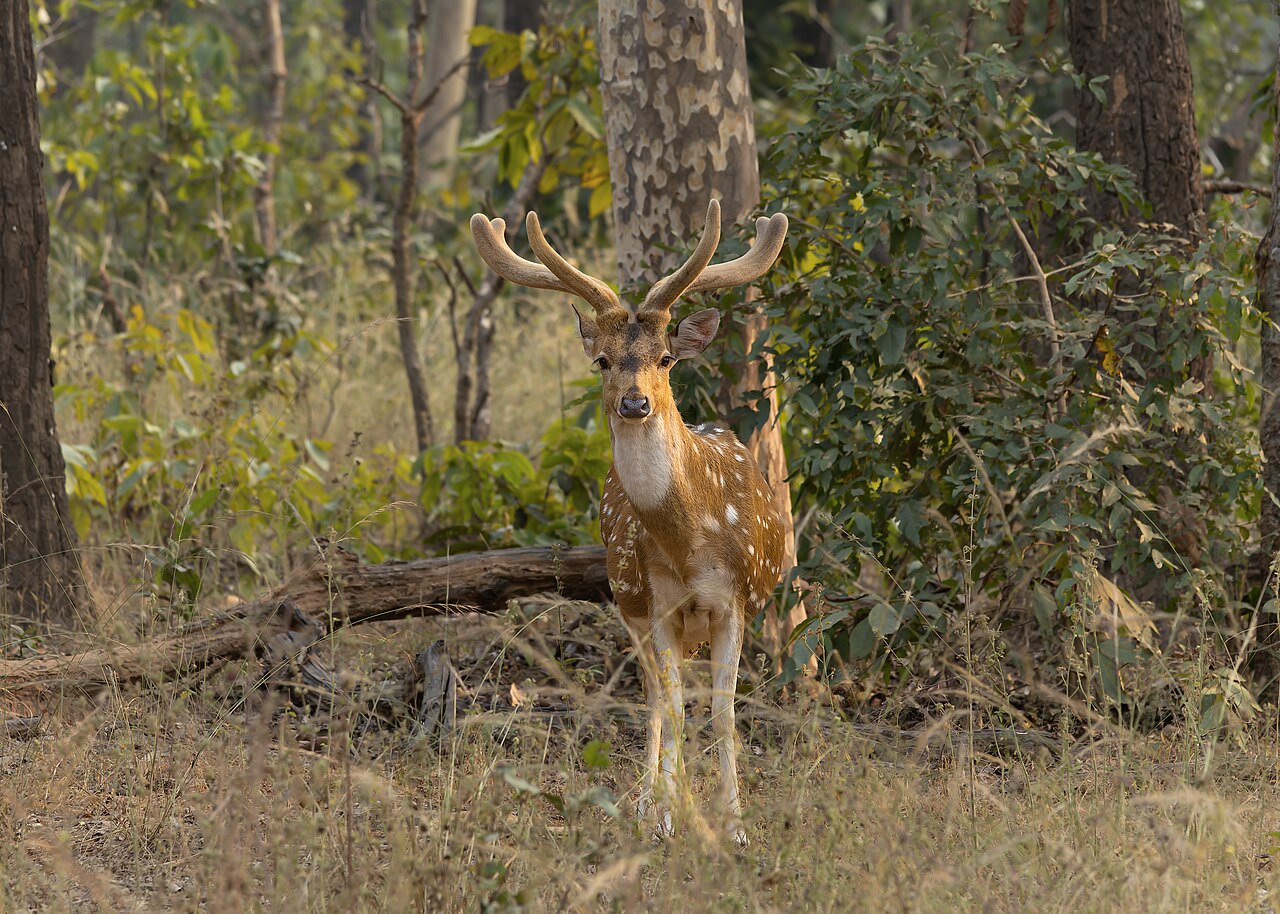
How Deer and Gaur Share Kanha’s Food Supply
In India’s Kanha National Park, Sambar and Gaur ate much the same food in winter but found it…
Read story →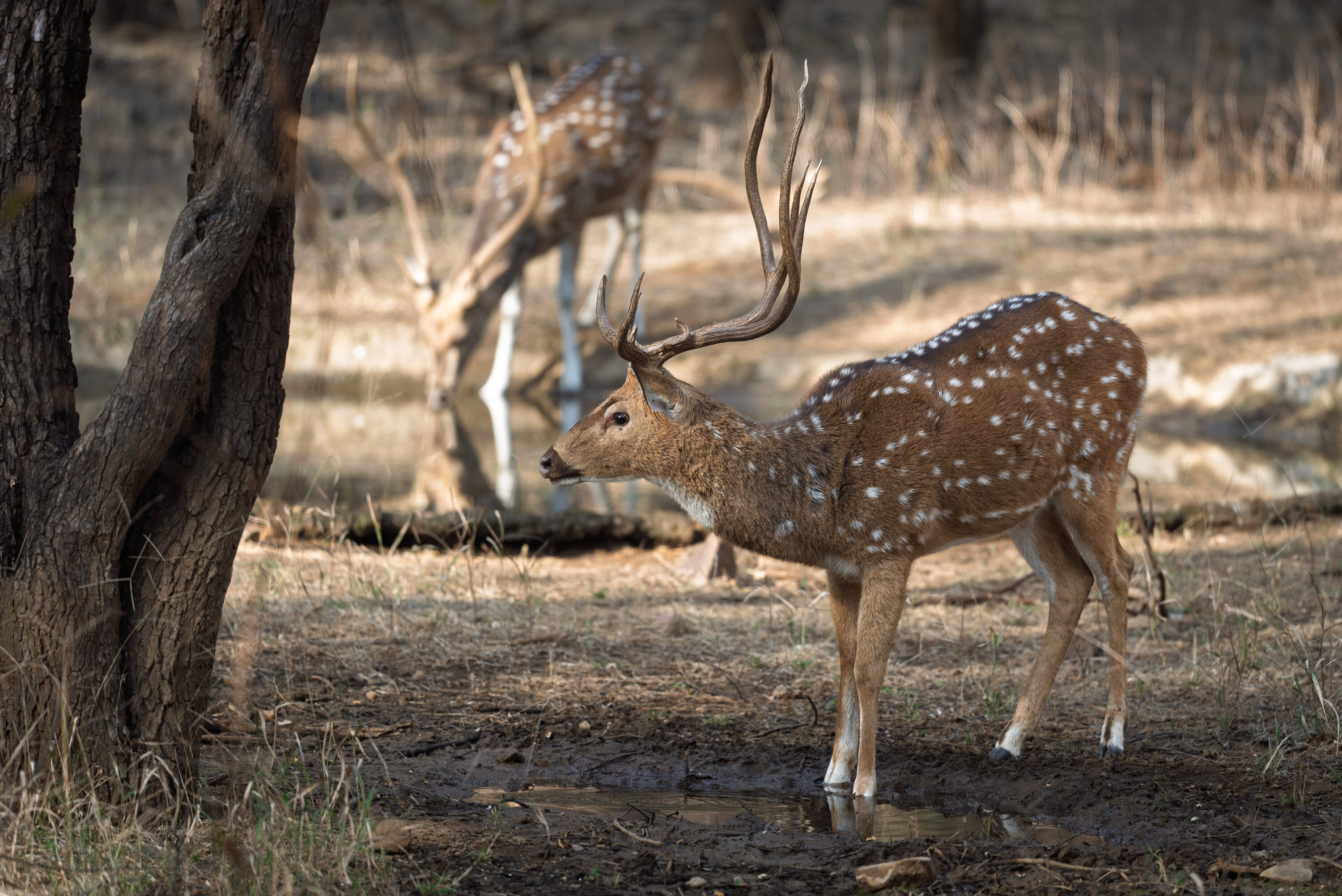
Feral Chital Documented Across Three Argentine Ecoregions
Researchers compiled 32 records of feral chital from 2018–2025, providing the first consolidated evidence of the introduced deer…
Read story →SPECIES IN THIS STORY