
Chlamydia psittaci Was Detected in 20.6% of Brno Feral Pigeon Dropping Samples

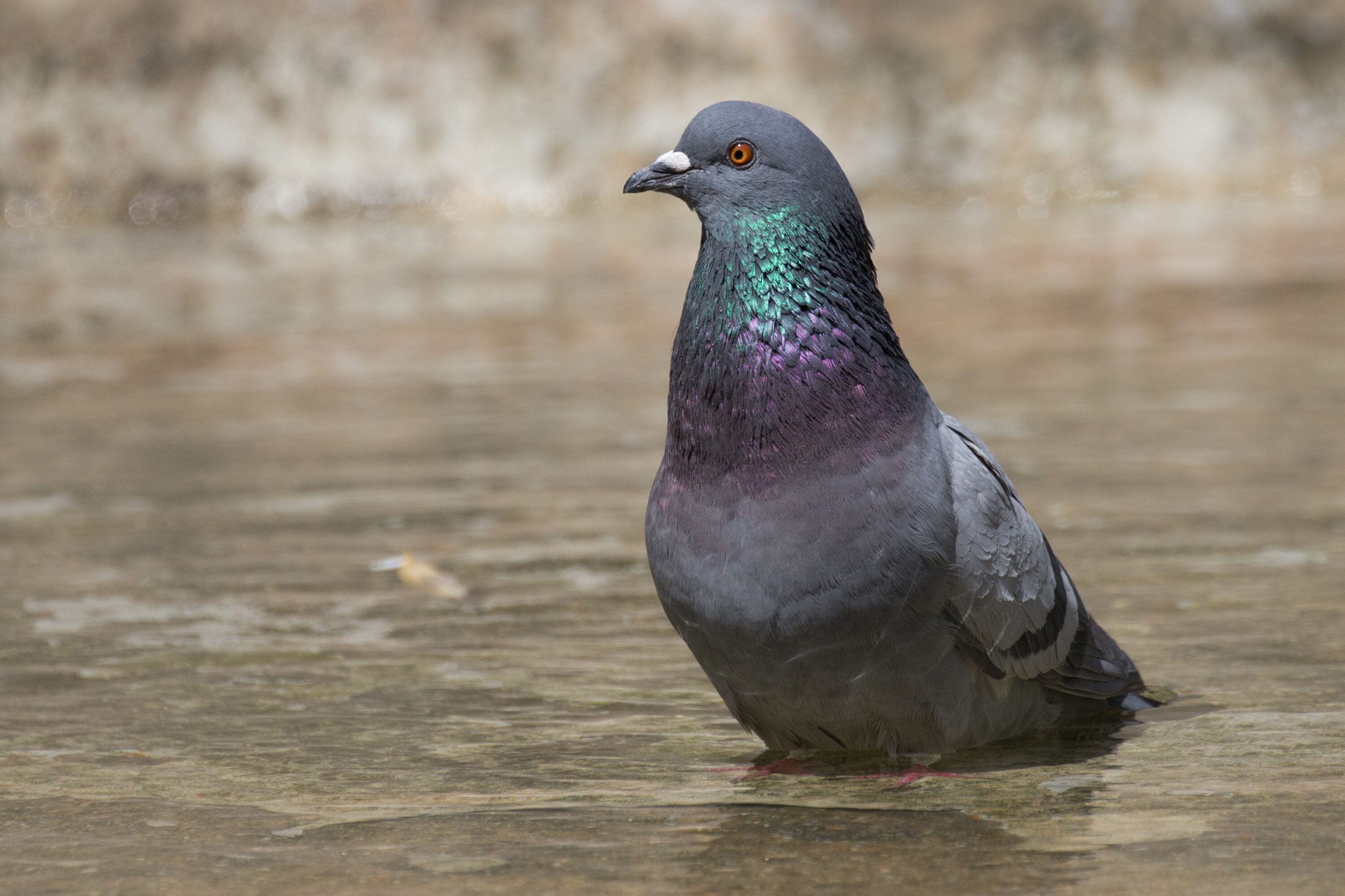
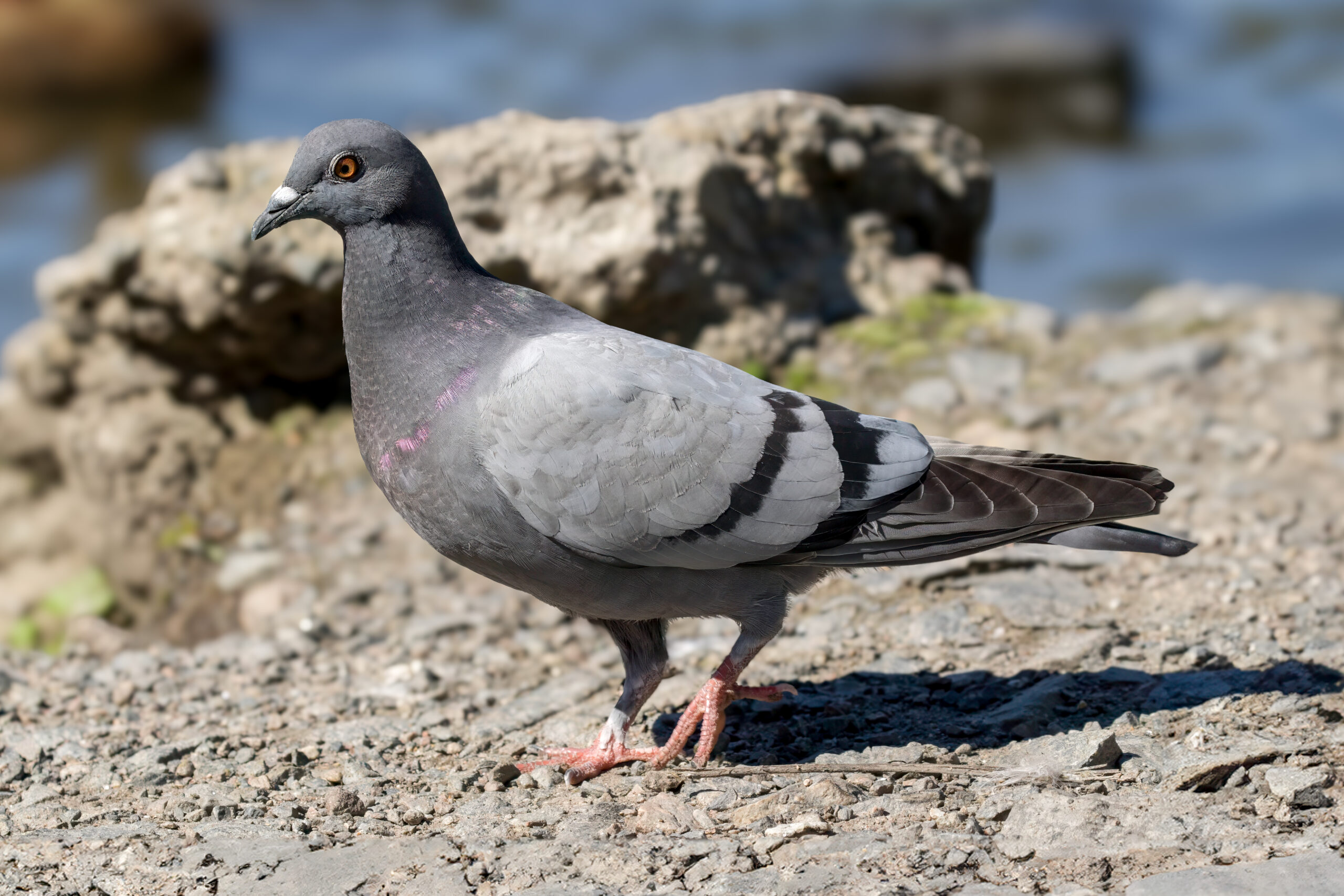
Chlamydia psittaci was detected in 20.6% of pooled dropping samples collected from feral pigeons in Brno, Czech Republic, in a study published online on 30 March 2026. The bacterium can cause psittacosis in people. Feral pigeons are the domestic-derived urban form of rock dove (Columba livia), and the researchers examined their droppings for several pathogens of relevance to animal and human health.
Sampling took place from September to November 2024 at 35 localities covering most municipal districts in Brno. The researchers collected 175 pooled faecal samples representing 875 individual droppings across three urban zones. No birds were captured or handled.
Four target organisms were detected
Two multiplex real-time PCR assays were used to test the samples. C. psittaci was the most frequently detected target, occurring in 20.6% of the pooled samples. Trichomonas gallinae was detected in 9.7%, Salmonella enterica in 4.0%, and Mycobacterium avium subsp. hominissuis in 1.1%. M. avium subsp. avium was not detected.
The authors included T. gallinae because it is a re-emerging pathogen of passerine birds, but explicitly note that it is not considered zoonotic. The other targets were selected because of their relevance to zoonotic disease and urban public-health assessment.
Chlamydia-positive flocks occurred in geographic clusters
The geographic analysis showed that flocks with C. psittaci-positive samples were clustered rather than randomly distributed across the city, with positive findings concentrated more closely together than expected from the locations of all sampled flocks.
The researchers describe feral pigeons as potential carriers of zoonotic pathogens, particularly C. psittaci, and emphasise monitoring of urban pigeon excretions as a basis for local risk assessment. The study was initiated in cooperation with public authorities seeking epidemiological information for urban bird management and public-health planning.
Disease, parasites & microbiology
Related news
Rock Doves Preferred Predictive Information Despite a Lower Food Payoff
Seven rock doves preferred an informative option that paid on 20% of trials over a non-informative option that…
Read story →
Rotavirus A Antibodies Were Common in Feral Pigeon Samples but Rare in Wood-Pigeon Samples in Germany
A German study detected rotavirus A-reactive antibodies in 79.2% of free-ranging feral pigeons and 77.0% of domestic pigeons,…
Read story →
New Shiqi Pigeon Genome Placed 97.8% of Its Sequence on 41 Chromosomes
A chromosome-level genome from a female Shiqi pigeon in Zhongshan, China spans about 1.24 billion DNA bases, places…
Read story →SPECIES IN THIS STORY
Species in this story
Independent research and conservation news archive
Did you find this information useful?
Wildlife Vagabond is independently built and maintained. Voluntary support helps cover source verification, hosting and continued work on research and conservation news.
Support Wildlife VagabondThe news archive will remain freely available.