
Climate Best Explained Fine-Scale Genetic Connectivity in Expanding Golden Jackals
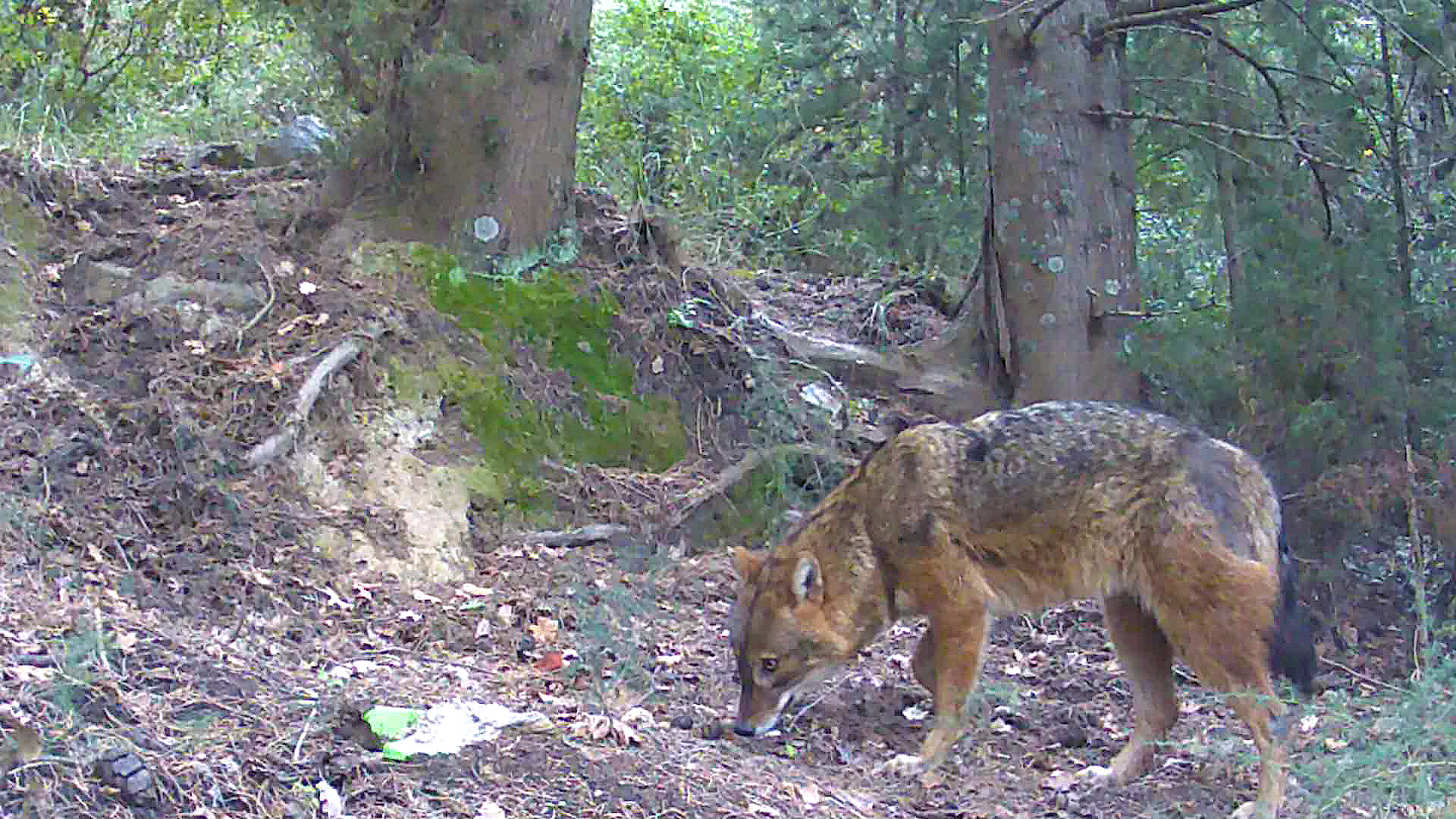
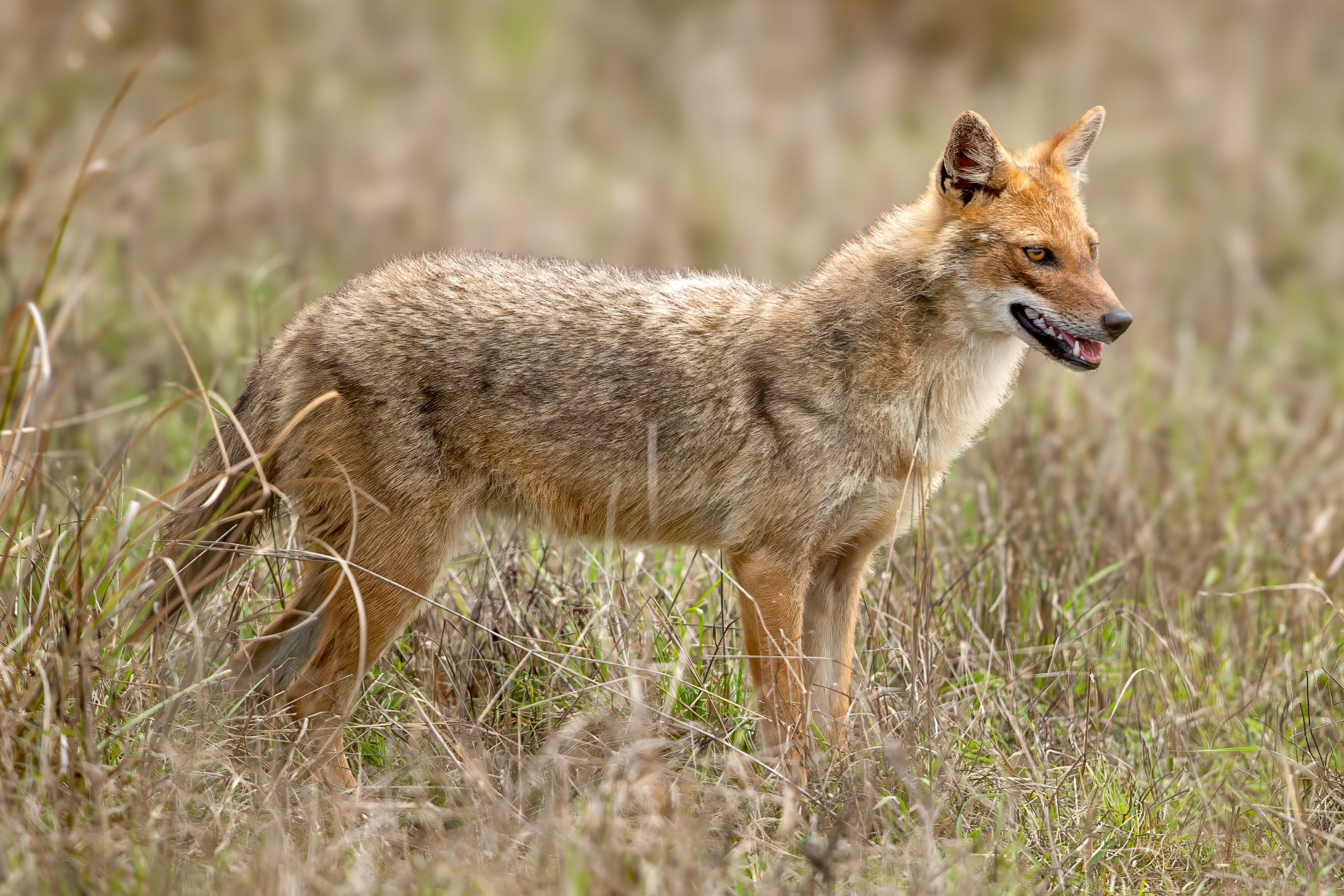
Climate variables were the strongest environmental predictors of fine-scale genetic connectivity in expanding golden jackal (Canis aureus) populations across Eurasia, according to a landscape-genomics study published on 17 April 2026. The researchers analysed 363 golden jackals using 19,746 single-nucleotide polymorphisms (SNPs)—positions in the genome where individuals can differ by a single DNA base. Their landscape-genomics approach compared these genetic patterns with geography and environmental conditions to examine gene flow and local adaptation.
At the broadest continental scale, geographic distance was the predominant factor structuring genetic differences. At finer spatial scales, however, connectivity was best explained by climatic variables, particularly annual and seasonal variation in precipitation and temperature. Genetic connectivity here describes how readily genes move among populations through dispersal and reproduction; strong climatic contrasts can constrain that gene flow even when changing conditions create new connected areas elsewhere.
Climate patterns were linked to connectivity in expanding areas
The researchers modelled genetic connectivity under current and future climatic conditions. Their results indicated that changes in temperature and precipitation in central and northern Europe promote high connectivity and can help explain the species’ ongoing northward expansion.
Temperature and precipitation were also associated with most of the local-adaptation signals identified in the genomic data. These signals are genetic differences whose frequencies vary with local environmental conditions, consistent with populations being genetically adapted to different climates. The authors therefore describe climate as an important force shaping both movement of genes among populations and genetic responses to local environments.
Dog admixture showed no significant environmental pattern
Because hybridisation with domestic dogs has previously been documented in golden jackals, the researchers also tested whether the amount of dog ancestry was associated with environmental conditions. They found no significant relationship, suggesting that dog admixture had only a limited influence on habitat choice in this dataset.
The study distinguishes this result from the broader genetic structure of the species. Geographic distance remained the main factor at continental scale, while climatic variables became more important when connectivity was examined within regions.
Golden jackals are expanding rapidly across parts of Eurasia, especially northward in Europe. The authors conclude that ongoing climate change can continue to facilitate expansion where changing temperature and precipitation patterns increase habitat connectivity.
Genetics & genomics
Related news
Similar Mammal Diversity, Different Activity Patterns in Grazed and Ungrazed Areas
Camera traps in four northern Israeli reserves found similar numbers of mammal species with and without livestock grazing.…
Read story →
Most New Golden Jackal Samples Around the Adriatic Matched the Pannonian Genetic Cluster
Microsatellite analysis of 27 new golden jackal samples from Croatia, Italy, Austria and Greece assigned most animals to…
Read story →
Golden Jackals Were Recorded 84% Less Often at Carrion in Grazed Areas of Northern Israel
At three sites in northern Israel, golden jackals were recorded 84% less often at experimental carrion in grazed…
Read story →SPECIES IN THIS STORY
Species in this story
Independent research and conservation news archive
Did you find this information useful?
Wildlife Vagabond is independently built and maintained. Voluntary support helps cover source verification, hosting and continued work on research and conservation news.
Support Wildlife VagabondThe news archive will remain freely available.