Golden Jackals Were Recorded 84% Less Often at Carrion in Grazed Areas of Northern Israel
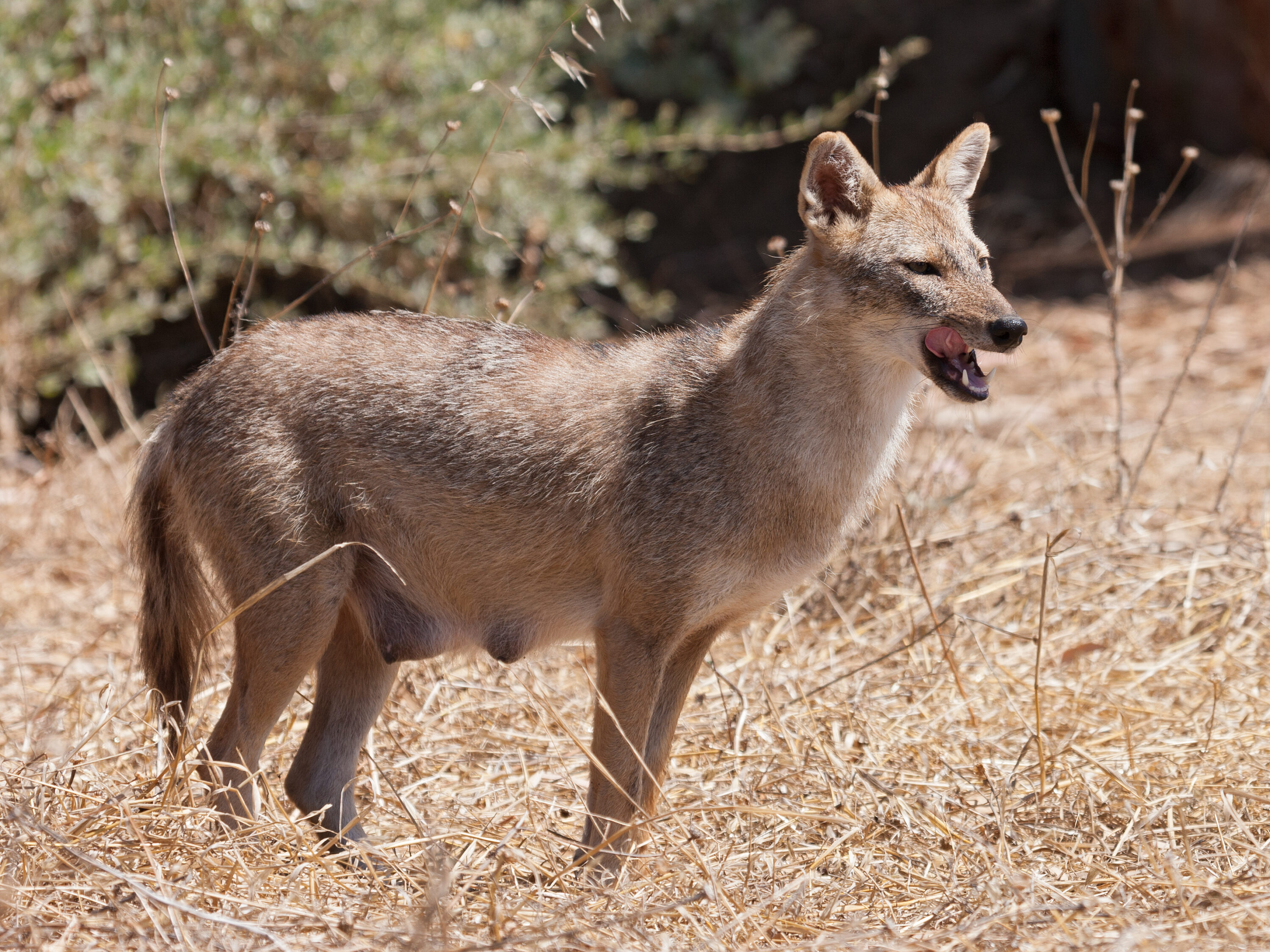
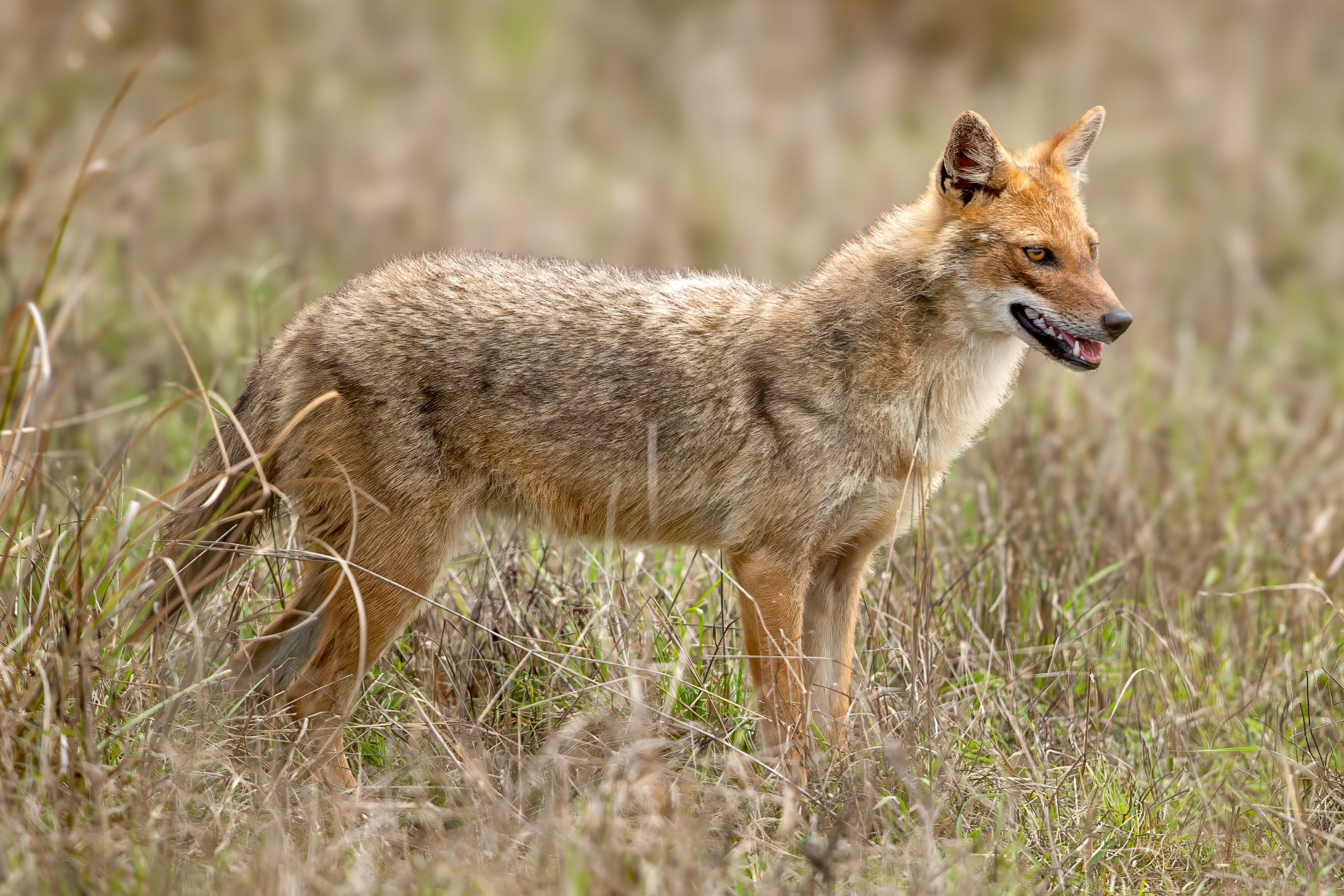
A carrion experiment at Carmel, Amud and Meitzar in northern Israel found clear differences between areas with and without livestock grazing. Golden jackals (Canis aureus) were recorded 84% less often at the experimental carrion in grazed areas than in nearby areas without grazing.
The researchers placed paired pieces of cattle and wild-boar carrion in pastoral and nonpastoral areas and monitored them with camera traps. The carrion was held inside reinforced cages, so animals could smell and investigate it but were largely prevented from removing and eating it. The data therefore describe visits and activity around carrion rather than how much each species consumed.
Golden jackals showed the clearest land-use difference
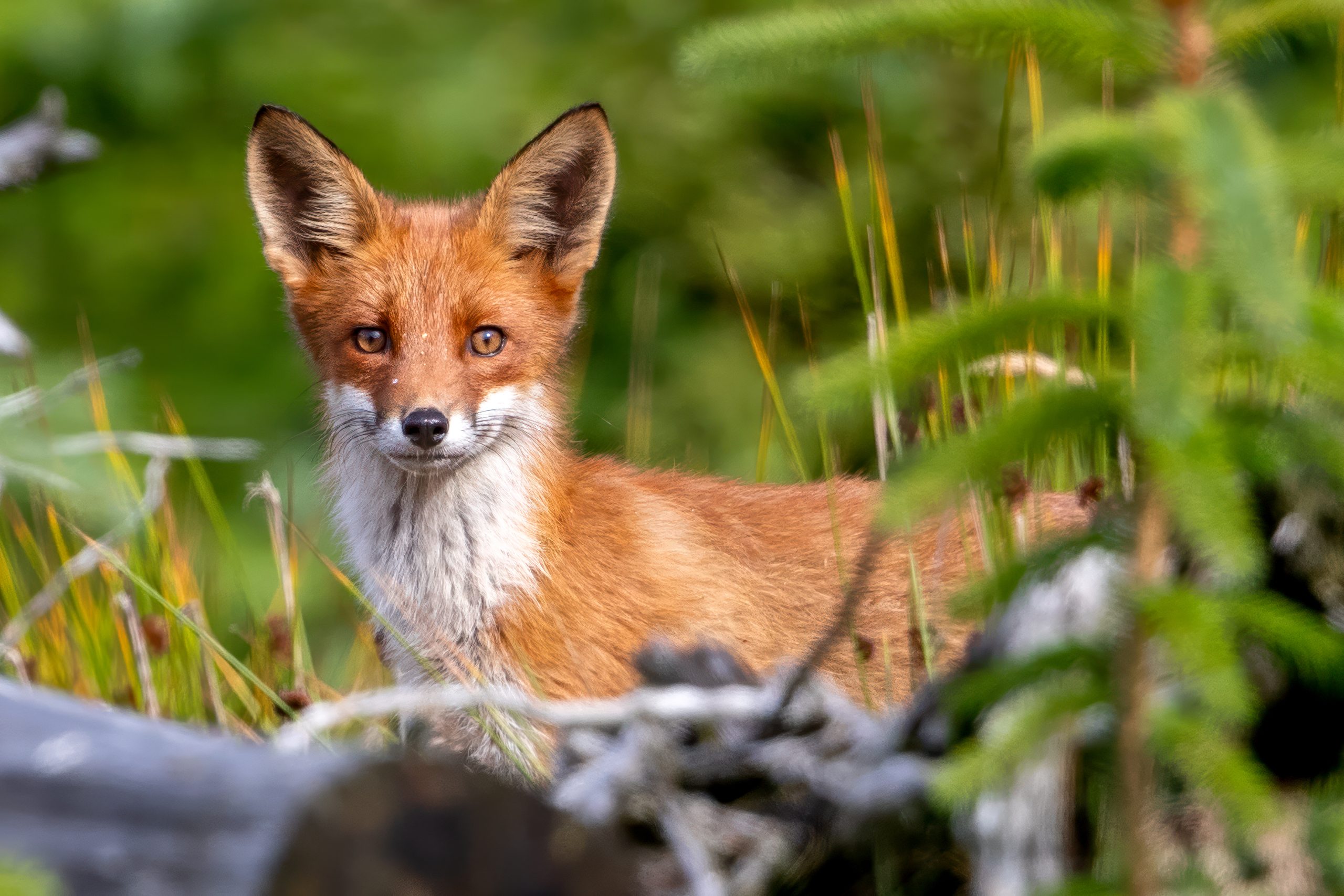
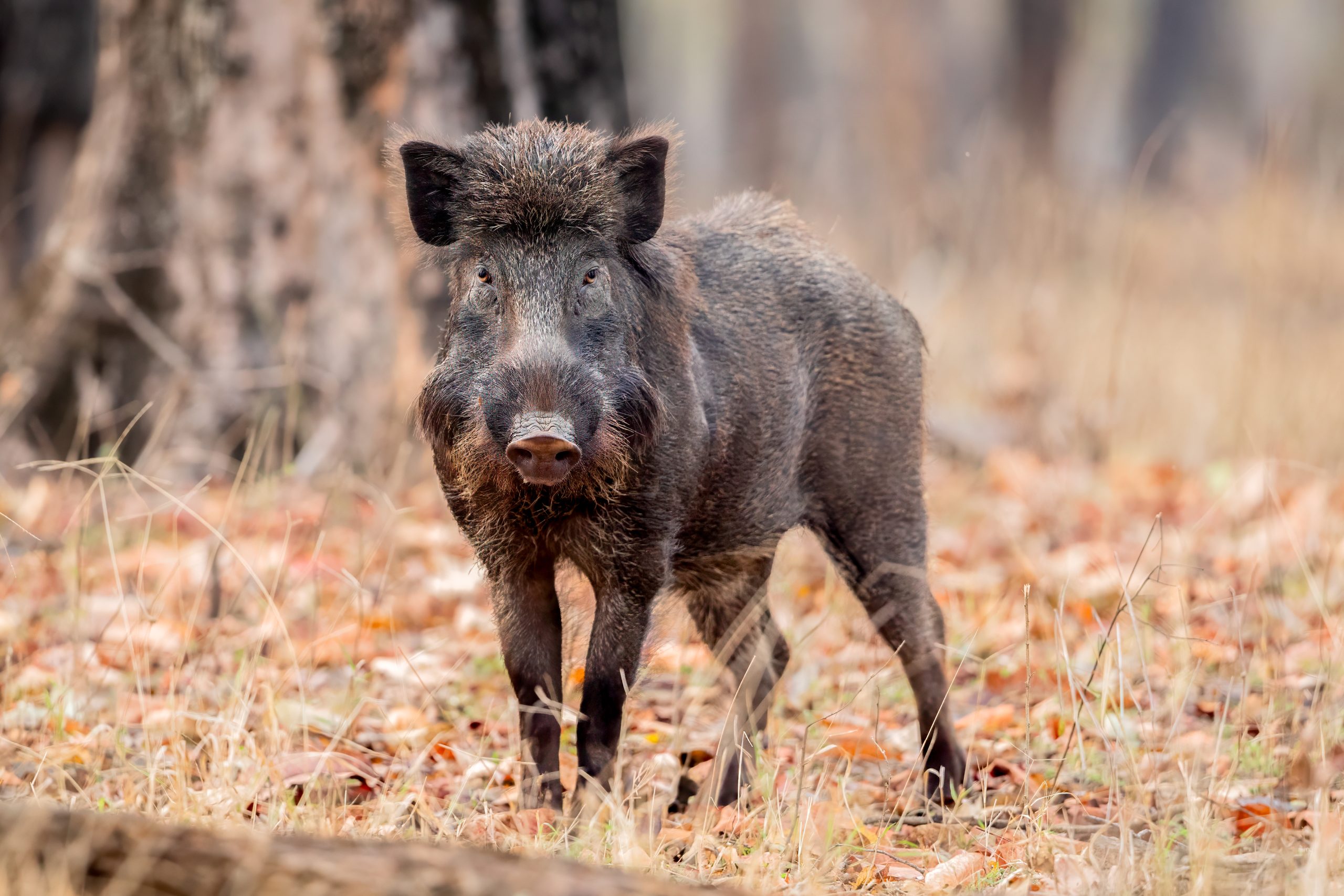
Wild boar (Sus scrofa), golden jackal and red fox (Vulpes vulpes) dominated the camera records. All three were recorded less often in grazed areas, but only golden jackals showed a statistically supported difference: 84% fewer camera events in grazed areas.
Carrion type also mattered differently among species. Red foxes were recorded less often at cattle carrion than at wild-boar carrion, whereas golden jackals and wild boar showed no clear preference between the two bait types.
Scavenger species showed different relationships with and without grazing
The researchers also tested whether camera activity by gray wolves (Canis lupus), wild boar, golden jackals, red foxes and cats was related. In grazed areas, none of the tested relationships between species was clear enough to distinguish from random variation. Outside the grazed areas, several relationships were negative: more camera activity by one species tended to coincide with less activity by another. These were statistical patterns in the camera records, not direct observations of competition. Striped hyena (Hyaena hyaena) was also one of the focal scavengers, but it was recorded only eight times at two locations and could not play the same role in this analysis.
The authors interpret the contrast as possible evidence that food resources are more abundant or more widely dispersed in pastoral landscapes because of livestock husbandry. If so, scavengers may compete less strongly around individual carcasses. The study did not directly measure background carrion availability, so this remains the authors’ explanation for the differences among scavengers rather than a demonstrated mechanism.
The experiment therefore found two differences between grazed and ungrazed areas: how often scavengers were recorded at carrion, and how the species’ activity varied in relation to one another. The authors caution that the experiment had few repetitions, some species — especially wolves — were recorded rarely, and the novel caged-carrion method may have influenced the animals’ responses.
Ecology
Related news
Similar Mammal Diversity, Different Activity Patterns in Grazed and Ungrazed Areas
Camera traps in four northern Israeli reserves found similar numbers of mammal species with and without livestock grazing.…
Read story →
Bartonella Was Detected in 24.9% of Golden Jackals Sampled Across Israel
A survey of 454 golden jackals across Israel detected Bartonella DNA in 113 animals, while four Bartonella species…
Read story →
Common Voles and European Wood Mice Contacted Fox and Jackal Scat Most Often in Autumn and Winter
Camera traps in Hungary recorded six rodent taxa around red fox and golden jackal scat, with common voles…
Read story →SPECIES IN THIS STORY