
Colorado’s July Final Draft Proposed Continued Growth for Two Southwestern Moose Herds
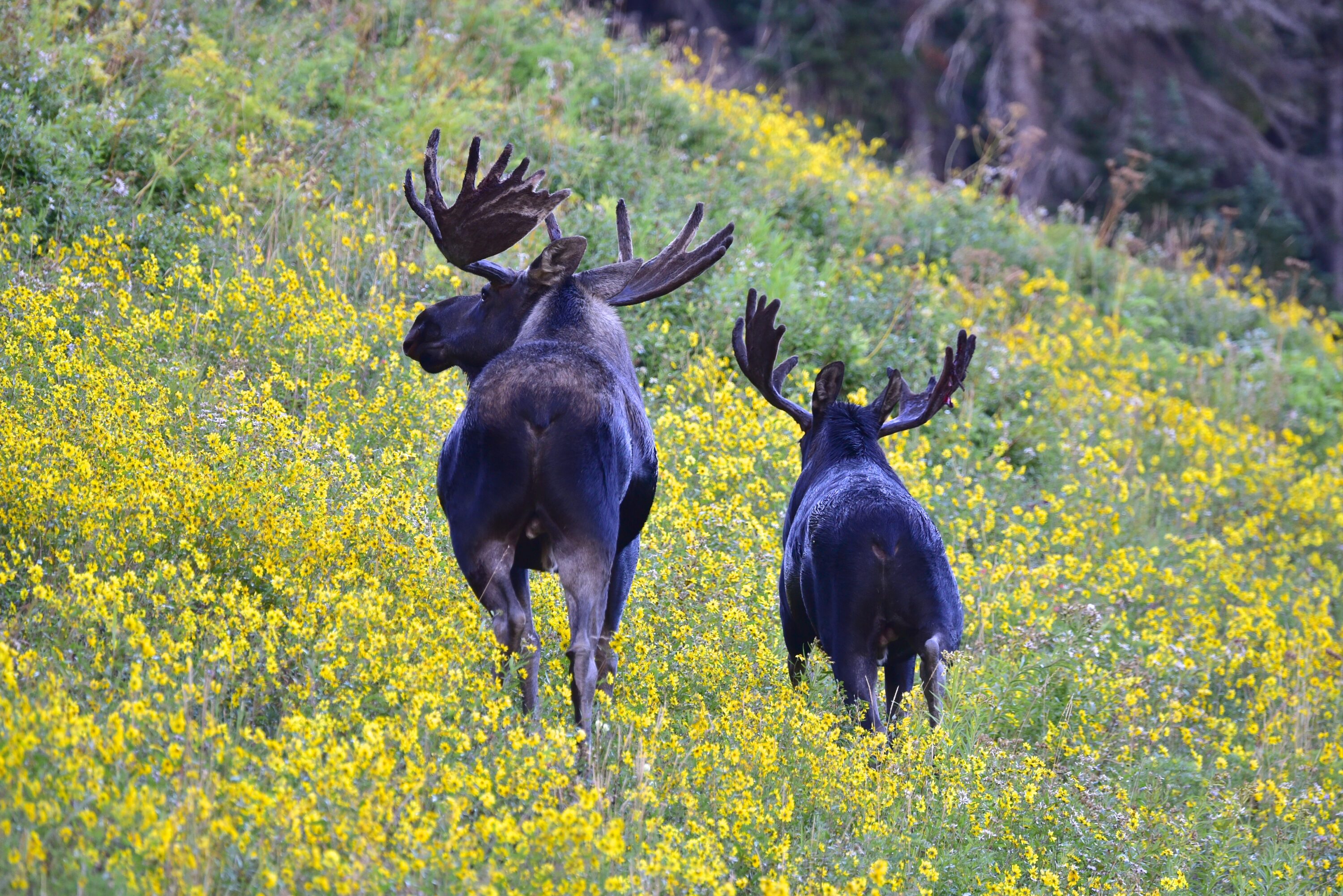
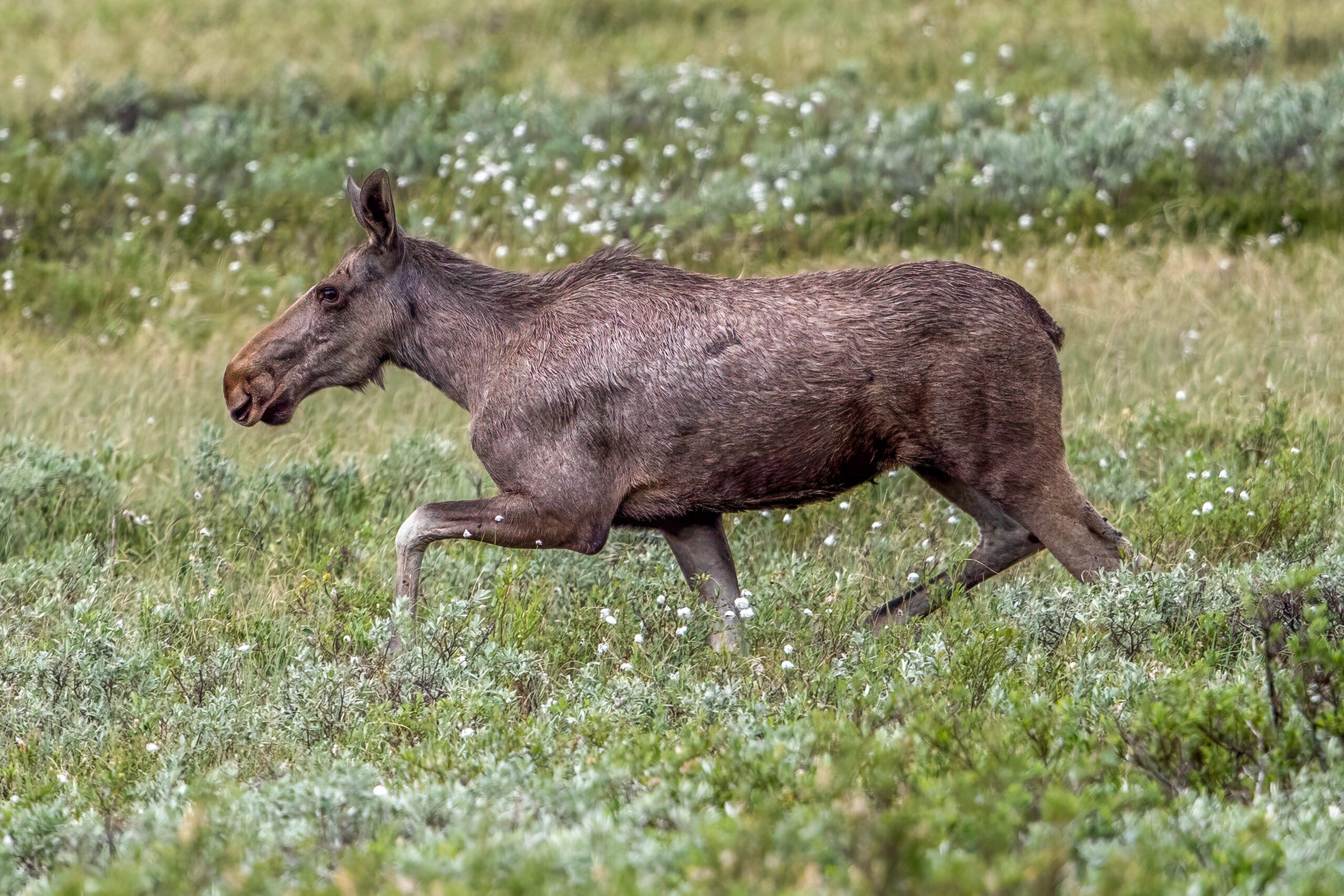
Colorado Parks and Wildlife presented a final draft on 17 July 2026 that proposed continued growth in the state’s two southwestern moose (Alces alces) herds. Together, the M-4 and M-12 units held an estimated 650 animals, about 19% of Colorado’s statewide moose population.
Growth without a fixed population ceiling
M-4 was estimated at about 500 moose. Rather than setting a fixed upper population target, CPW proposed maintaining an increasing herd while watching for signs that habitat or public tolerance had reached a limit. The agency says it lacks an efficient inventory method and does not run a population model for M-4, so management would instead draw on body and reproductive condition, observed trends, damage to riparian vegetation, conflict reports, distribution and harvest information. Additional hunting licences could be used as the herd expands or conflicts rise.
The M-12 herd in the Sawatch Range was estimated at 125–175 animals and was given the same preferred direction: an increasing population. CPW likewise did not propose a conventional numerical population objective because reliable inventory and modelling methods are lacking. Harvest information, habitat condition and the level of human–moose conflict or tolerance would therefore remain important guides for annual licence decisions.
Bull age and antlers provide another management signal
Both plans proposed keeping harvested bulls at an average age of four to six years with average antler spread above 40 inches. This gives managers a measurable indicator of the mature-bull component even when the total population cannot be estimated precisely. Riparian willow habitats are especially important in both units, and the plans identify excessive browsing, development, roads, recreation, invasive plants, disease and a warmer, drier climate among the pressures that could constrain future growth.
M-4 also overlaps the Brunot Agreement area, where members of the Southern Ute and Ute Mountain Ute tribes retain hunting rights; CPW describes annual coordination and harvest reporting as part of this cooperative management arrangement. The July document was presented to the Parks and Wildlife Commission for final review and comment, and CPW’s current management page now lists the Southwest Colorado plan as finalized after formal approval in September 2026.
Management
Related news
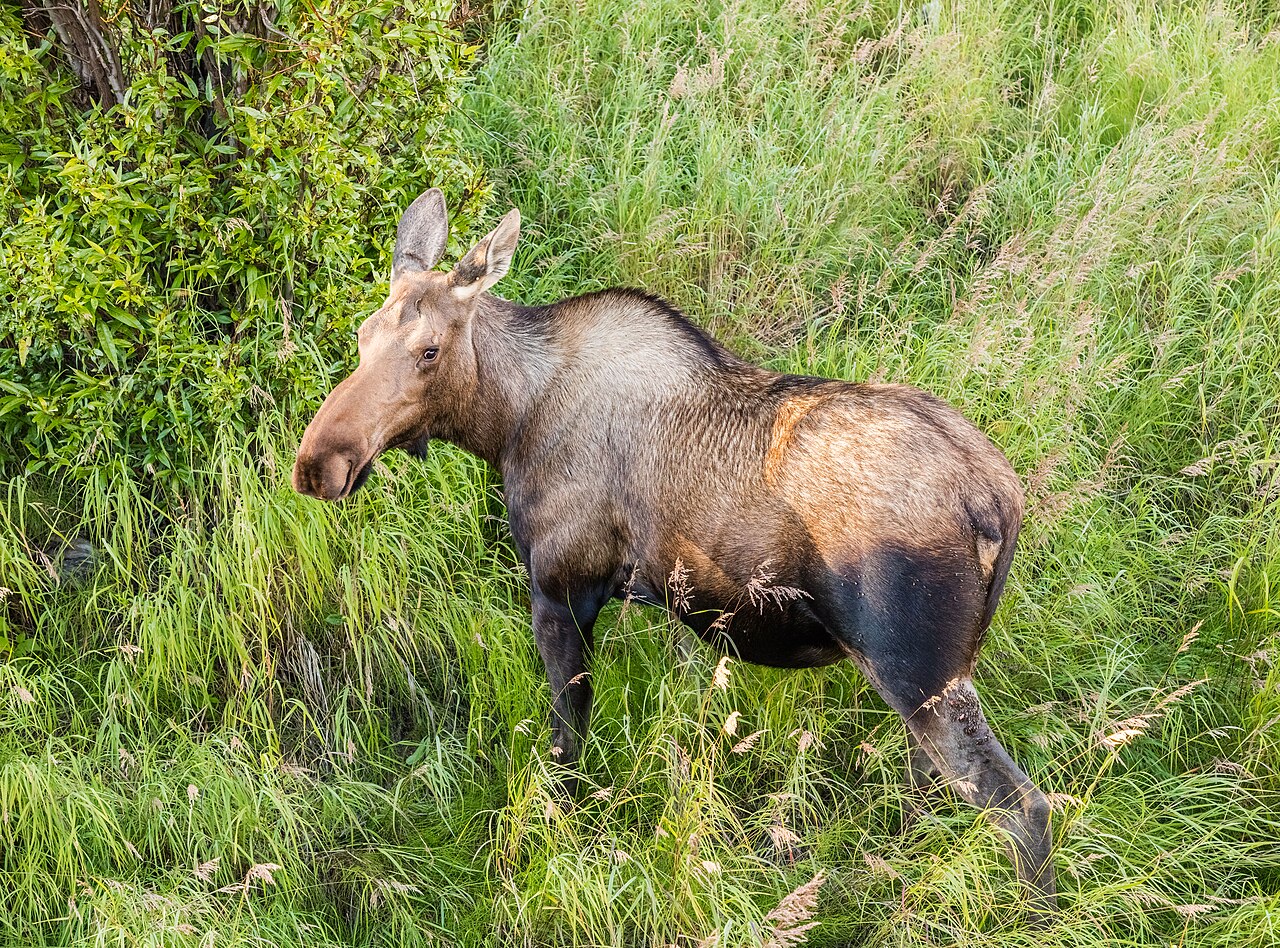
Arctic Moose Follow the River Valleys
GPS tracking in Alaska showed that half of 24 female moose migrated between summer and winter ranges. Migrants…
Read story →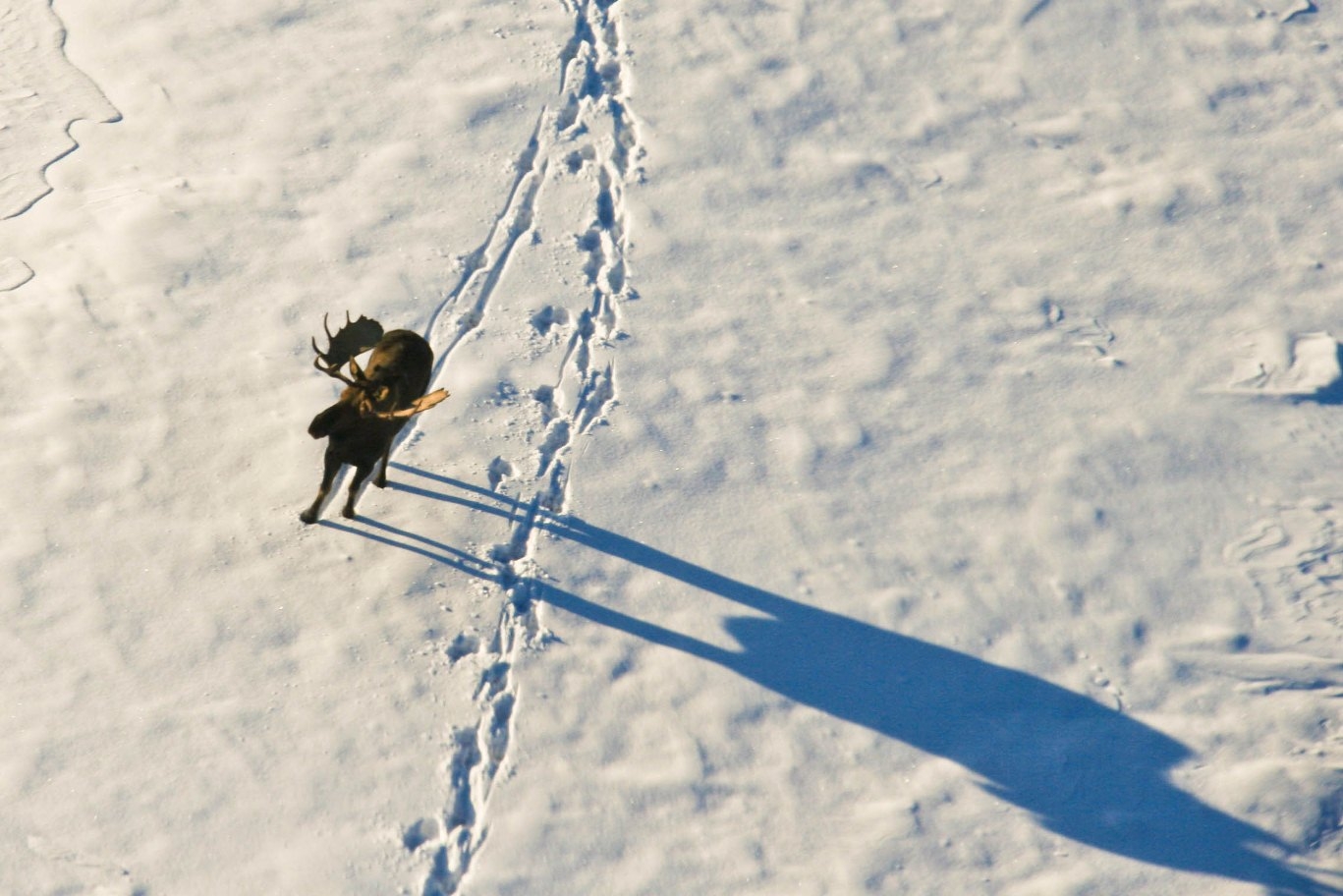
Thermal Drones Found Nearly All Moose in Favourable Winter Weather
Swedish trials found detection close to 100% in cold, overcast winter conditions, but the survey effort needed for…
Read story →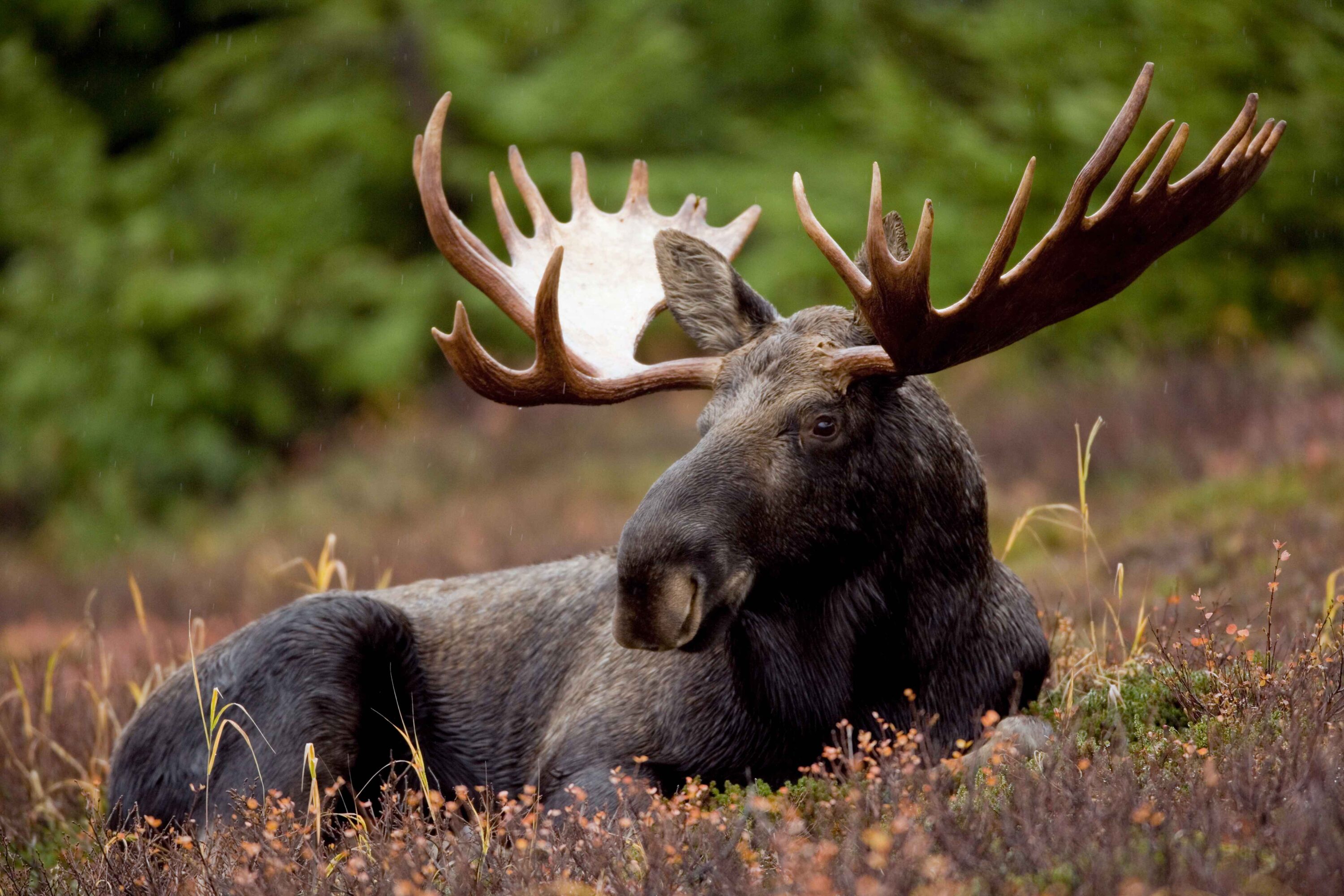
Even Adirondack Park’s Densest Moose Area Was Too Sparse for Precise Aerial Estimates
Helicopter surveys estimated about 92 moose in the Adirondack core in 2024 and 112 in 2025, but broad…
Read story →SPECIES IN THIS STORY
Species in this story
Independent research and conservation news archive
Did you find this information useful?
Wildlife Vagabond is independently built and maintained. Voluntary support helps cover source verification, hosting and continued work on research and conservation news.
Support Wildlife VagabondThe news archive will remain freely available.