
Common Swifts Reused Previous Nest Sites in More Than 94% of Repeat Breeding Records
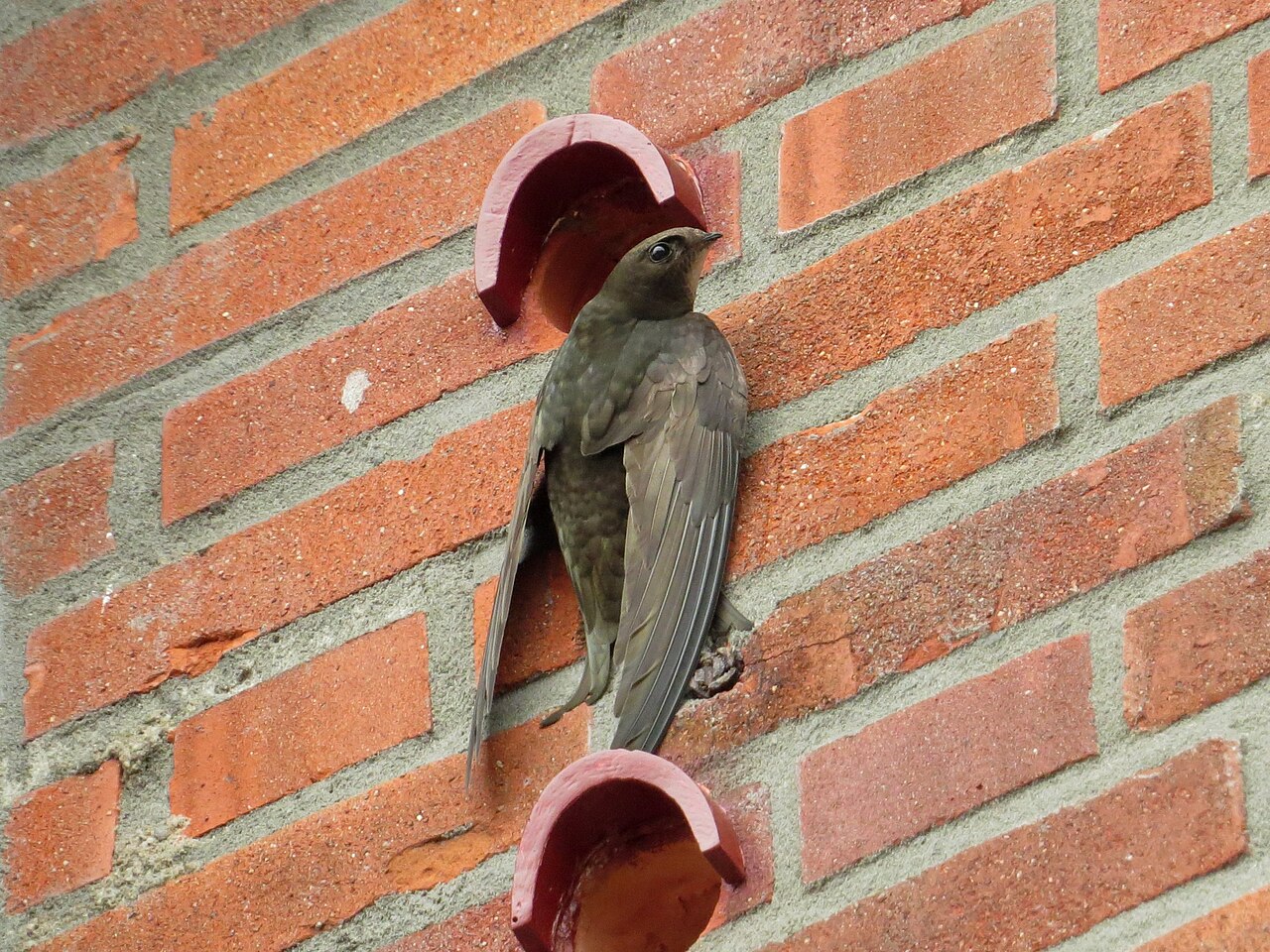
Breeding common swifts (Apus apus) showed exceptionally strong fidelity to their nest sites in a 15-year study around Drewsteignton in southwest England. Across repeat breeding records, about 94–95% of birds returned to a nest site they had used before. Fidelity to partners was lower when measured across the wider multi-year dataset.
The researchers monitored nest sites and captured adult birds from 2010 to 2024. Across the study there were 268 breeding attempts, of which 243 breeding events with at least one identified adult were used in the fidelity analyses. In total, 190 adults were captured, with 167 linked to at least one breeding event.
About 94–95% reused a previous nest site
Ninety-one individuals bred in more than one year. Across 216 breeding events involving repeat breeders, 94.5% reused a previously used nest site. Among 213 breeding events involving birds captured in consecutive years, 94.3% reused the same site as in the previous season.
Previous breeding success and individual age did not predict whether a bird returned to its former nest site. One model found lower nest-site fidelity when local colony density was higher, which the authors suggest may reflect stronger competition for occupied cavities. They did not have arrival-date data to test that proposed mechanism directly.
Partner fidelity depended on how it was measured
The study distinguishes general observed partner fidelity from confirmed divorce. Among 95 relevant breeding events involving birds that bred in multiple years, 56 involved a previous year’s partner, giving a raw observed pair-fidelity rate of 59%. This estimate is conservative because a missing former partner may have died or dispersed rather than changed mate.
Divorce could be assessed more strictly in 55 consecutive-year cases where both members of the previous pair were found breeding again. In 52 cases, or 94.5%, they remained together; three pairs, or 5.5%, divorced, with all six birds subsequently recorded breeding with new partners. Among 36 pairs that bred together in consecutive years, 32, or 89%, also reused the same nest site. The four pairs that moved together shifted only short distances, averaging about 25 metres.
Nest-site loss provided an unplanned test of dispersal
A small sub-colony lost all of its nest boxes after the 2022 season. Three adults that had previously bred there were later found about one kilometre away at the main study colony, where each paired with a new partner and bred successfully. Three other marked birds displaced from the same site were not recaptured, so their fates were unknown.
The wider nest-box record also shows why the relocation result should not be simplified into a guarantee that replacement boxes will immediately be occupied. Across the study, 32% of nest boxes were never used for breeding, although this fell to 6% when boxes available for three years or fewer were excluded. Local recruitment was only 2.3%, and the authors conclude that growth in the study population depended largely on immigration. They therefore found little evidence that new boxes automatically attract displaced adults.
The central conservation implication follows from the birds’ behaviour: common swifts are highly faithful to established nest sites and colonies, so the loss of long-used cavities can force individuals to find alternatives. The observed one-kilometre relocation provides evidence that some displaced breeders can settle locally, while the broader results support protecting existing nest sites and providing suitable alternatives without assuming that new sites will be occupied immediately.
Behaviour
Related news
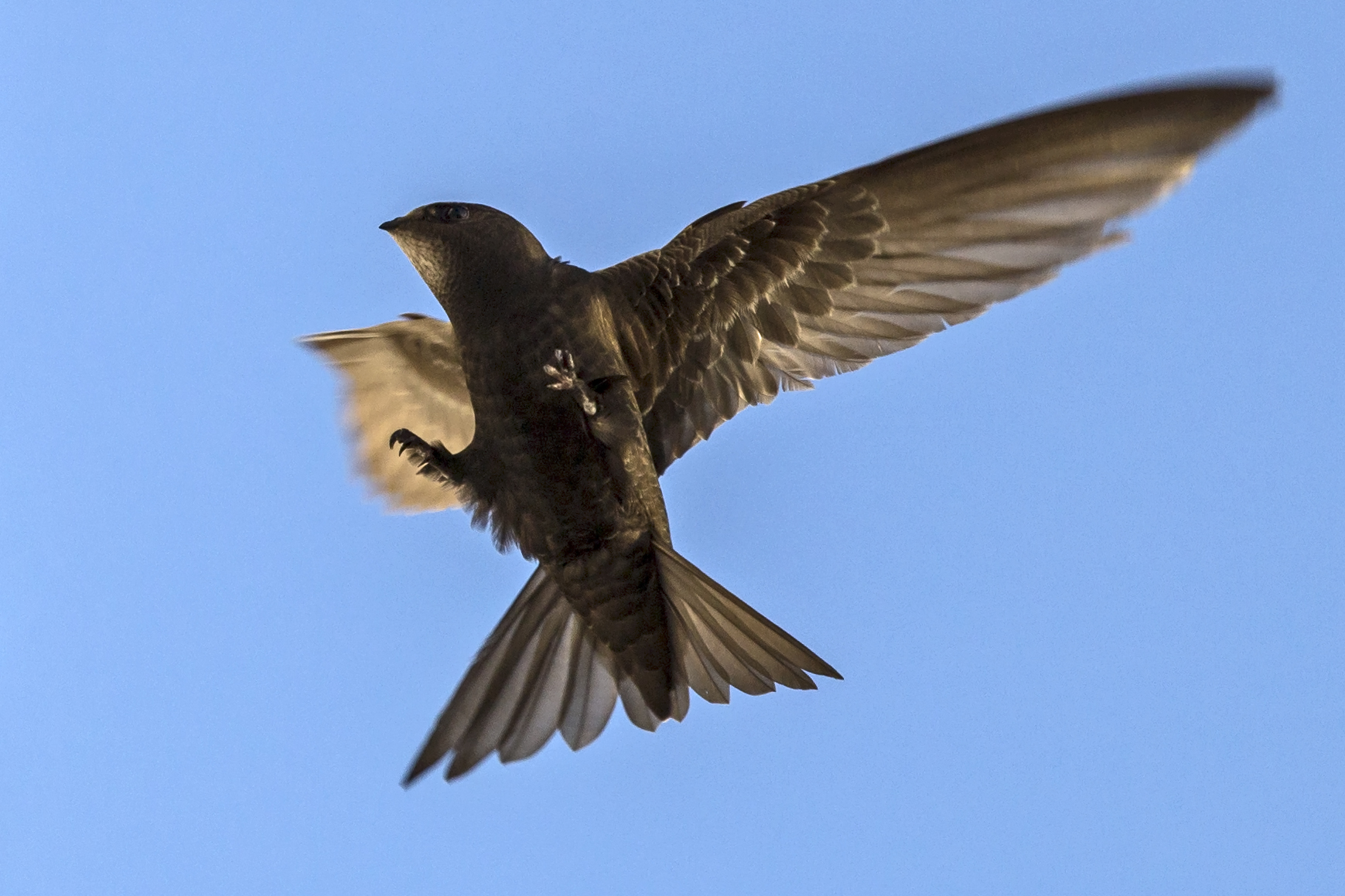
Common Swift Faecal Sacs Contain Measurable Energy That Parents May Recycle
A study of 224 nestling faecal sacs found measurable chemical energy that common swift parents could potentially recycle…
Read story →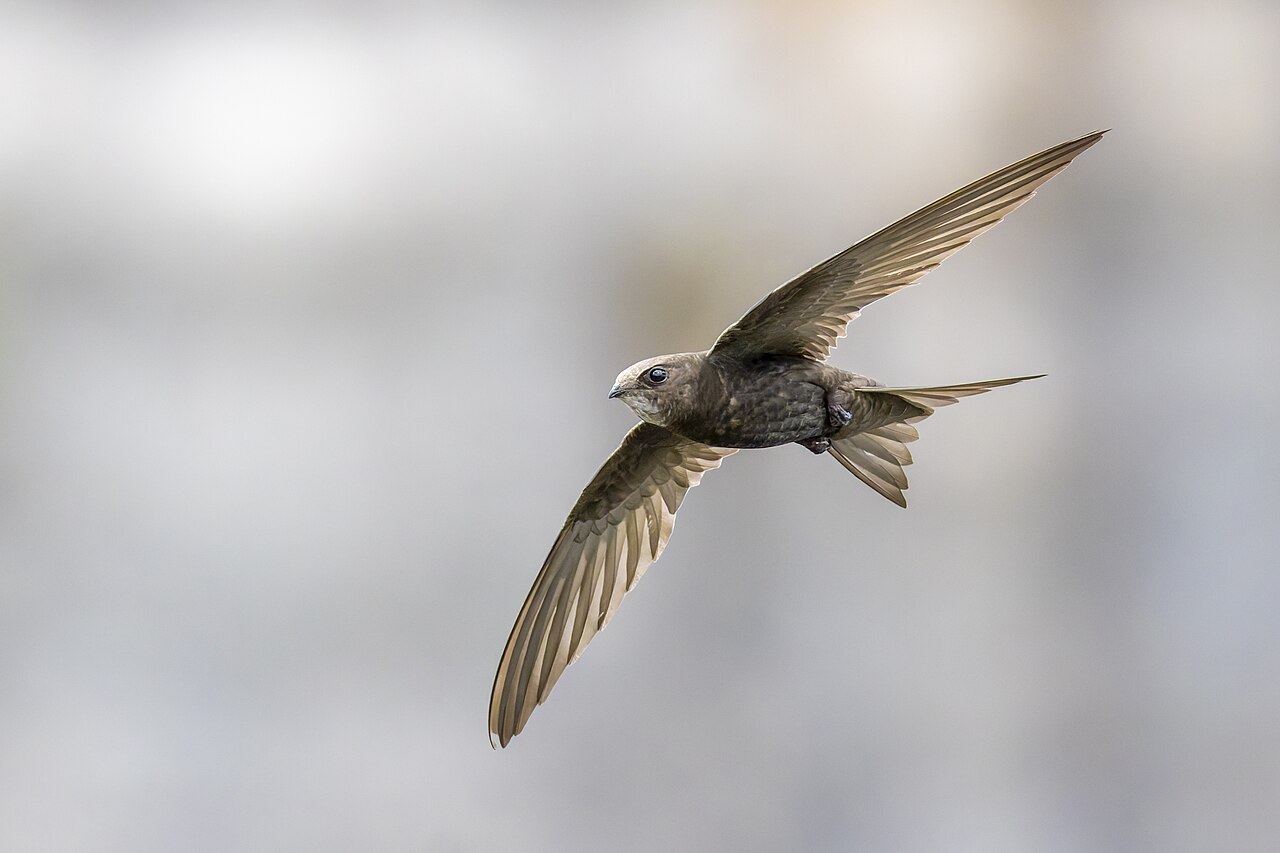
Study Reports First Documented Avipoxvirus Infection in a Swift Species
Four juvenile Common Swifts from three breeding sites in Germany developed avipoxvirus-associated wing lesions. Two recovered and were…
Read story →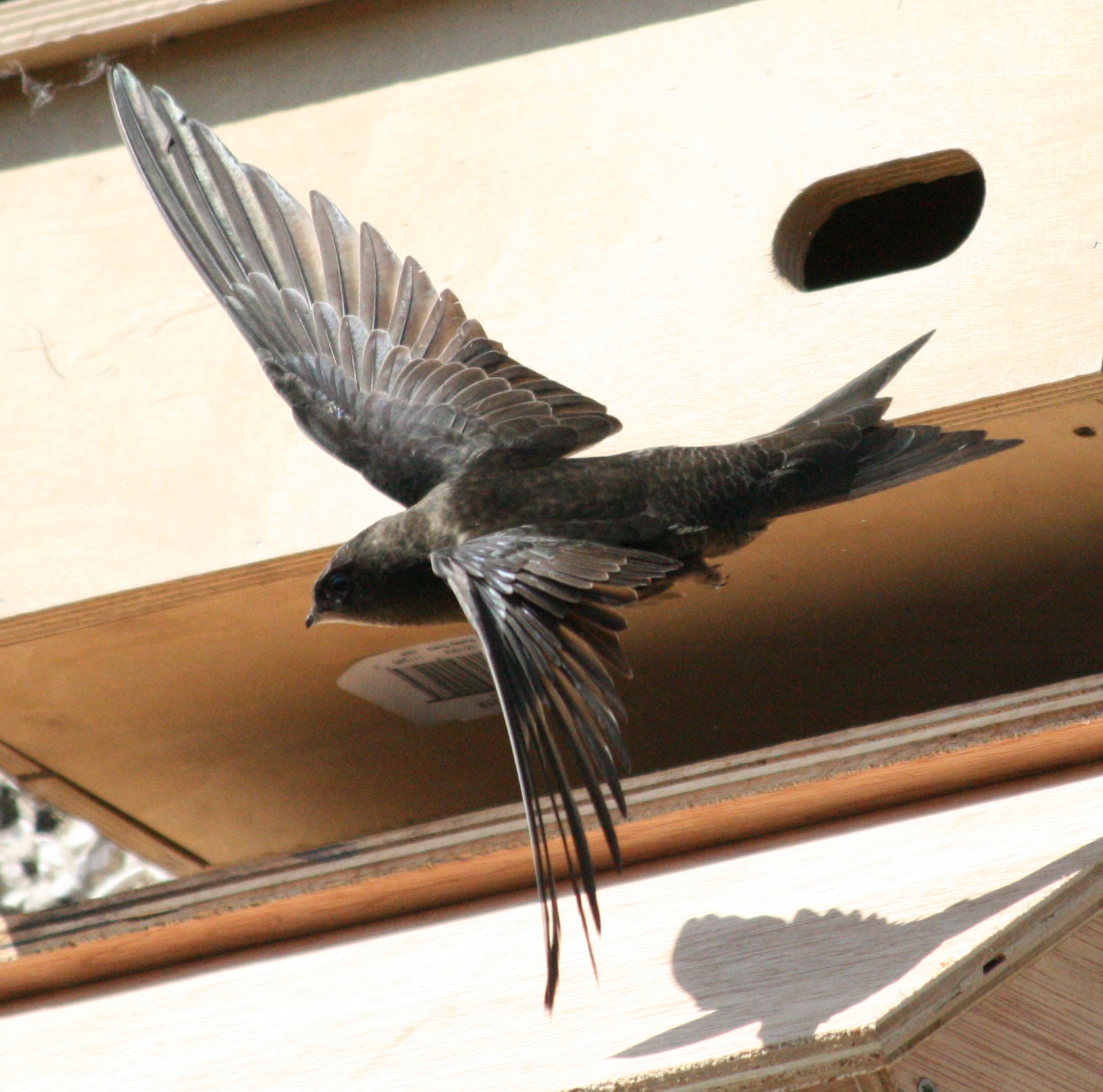
2023 Survey Found Eurasian Tree Sparrows in 7.8% of a Beijing Swift Tower’s Usable Boxes
A 2023 breeding-season survey found Eurasian tree sparrows in 137 of 1,763 usable boxes in a Beijing tower…
Read story →SPECIES IN THIS STORY
Species in this story
Independent research and conservation news archive
Did you find this information useful?
Wildlife Vagabond is independently built and maintained. Voluntary support helps cover source verification, hosting and continued work on research and conservation news.
Support Wildlife VagabondThe news archive will remain freely available.