
Acute Corticosterone Increase Raised Aggression in Common Waxbills
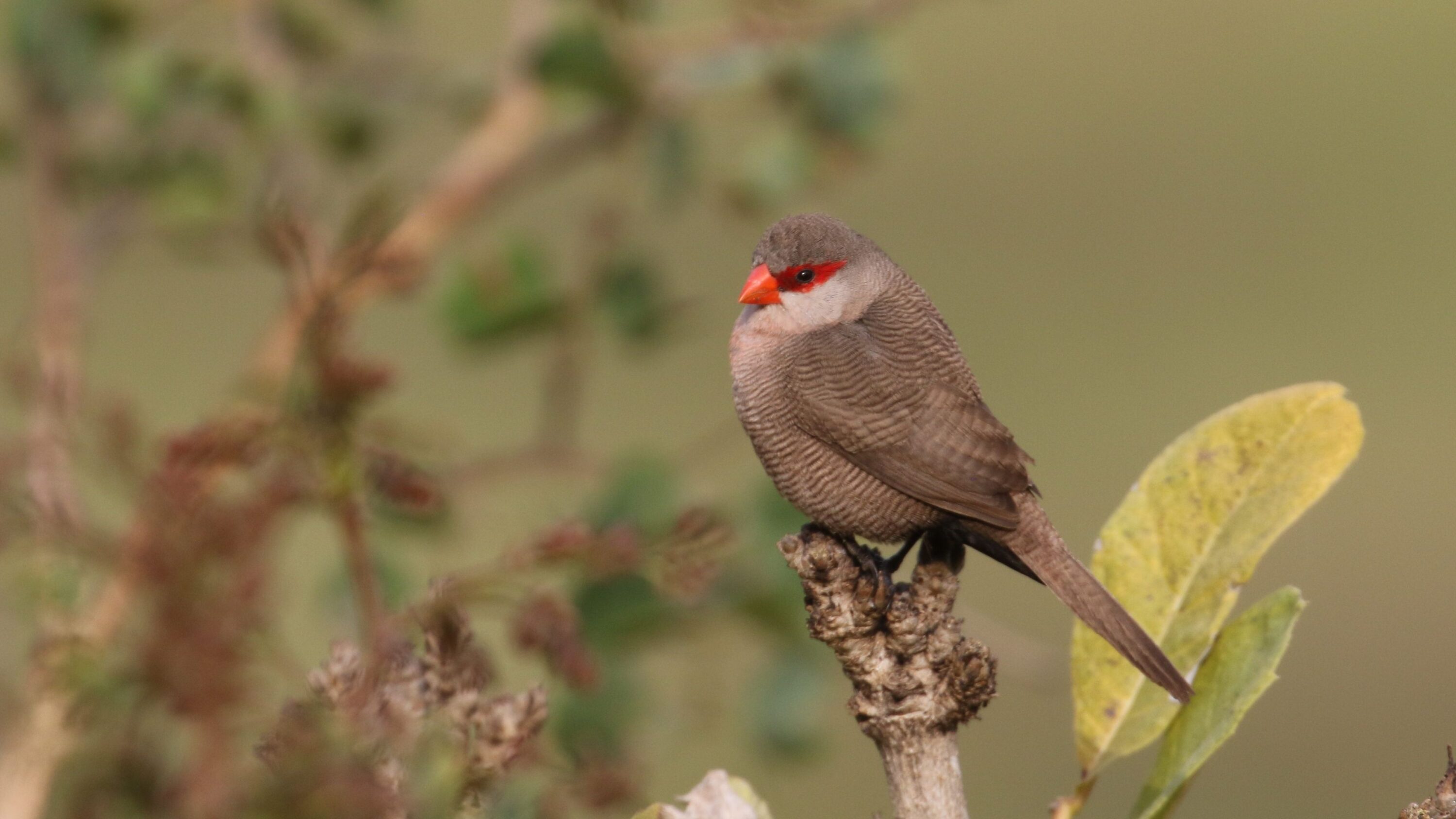
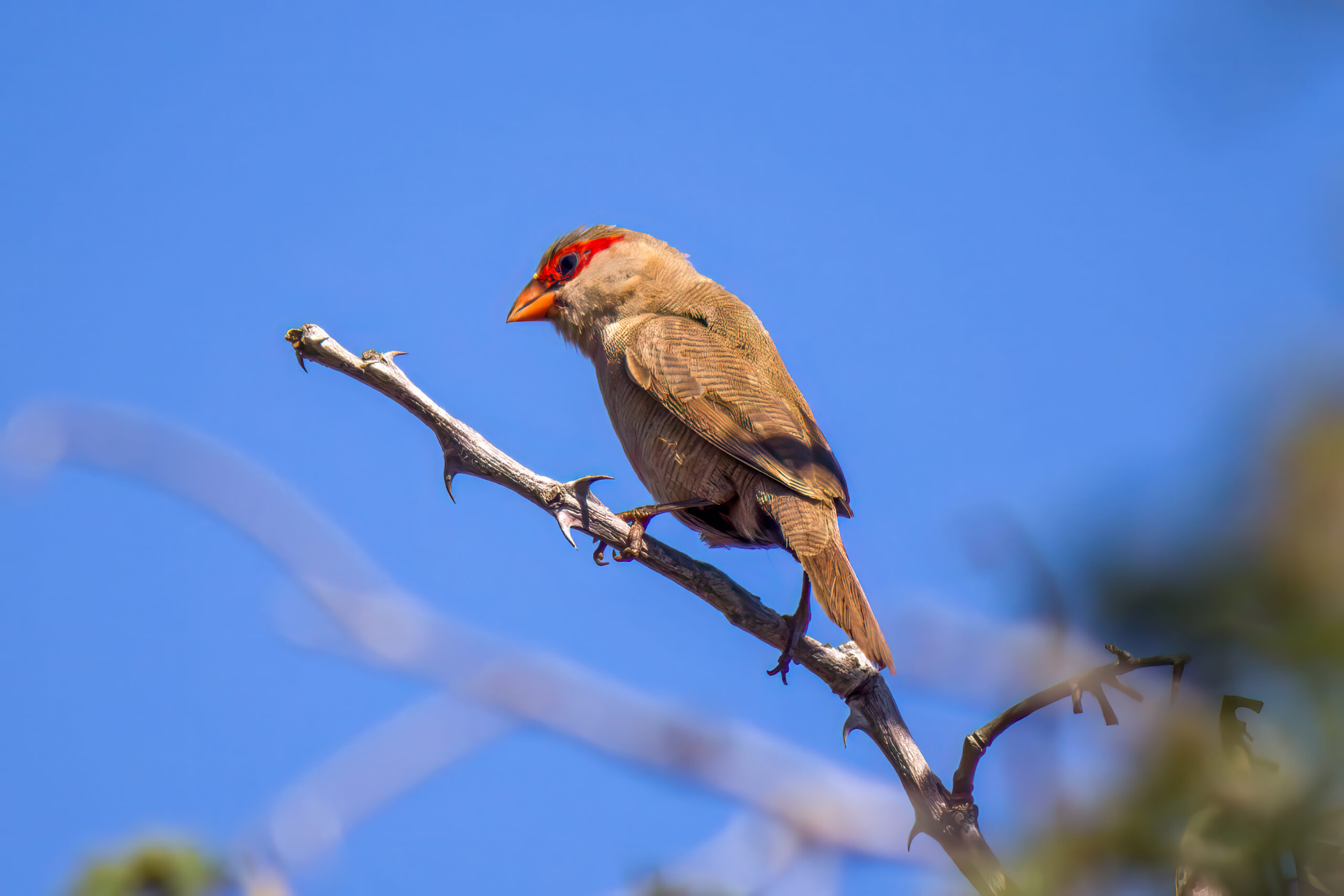
Common waxbills (Estrilda astrild) in Portugal became more aggressive when researchers experimentally raised corticosterone over the short term, even though birds with naturally higher baseline levels of the hormone were less aggressive in food-competition tests. The contrast is central to a 2026 study of how corticosterone — the main avian glucocorticoid — influences social behaviour in this highly gregarious species.
The researchers first compared naturally varying baseline corticosterone levels with three behavioural tests in captive birds. Tonic immobility was used as an indicator of fearfulness, a mirror test assessed behavioural reactivity, and food competition measured social behaviour and aggression. More aggressive birds reacted more strongly in the mirror test, while birds with higher baseline plasma corticosterone were less aggressive during food competition.
An acute rise in corticosterone increased aggression
The team then moved from correlation to experiment by giving high or low doses of corticosterone to produce a short-term rise in the hormone. When corticosterone rose acutely, aggression increased. The two findings answer different questions: the first analysis compared birds with naturally different baseline levels, whereas the manipulation tested what happened when the hormone itself was raised over the short term. The fact that birds with higher natural baseline levels were less aggressive therefore does not conflict with the finding that an acute rise made them more aggressive.
The researchers also used a corticosterone-receptor antagonist, which reduces signalling through the hormone’s receptors. This treatment lowered the birds’ activity but did not change feeding. Together, the manipulations show that corticosterone can alter both aggression and general activity rather than simply tracking behavioural differences among individuals.
The authors conclude that corticosterone contributes to regulation of social behaviour in both sexes of common waxbills. The relationship with aggression was not the same in the two parts of the study: naturally occurring baseline differences and an acute experimental rise pointed in opposite directions.
Behaviour
Related news
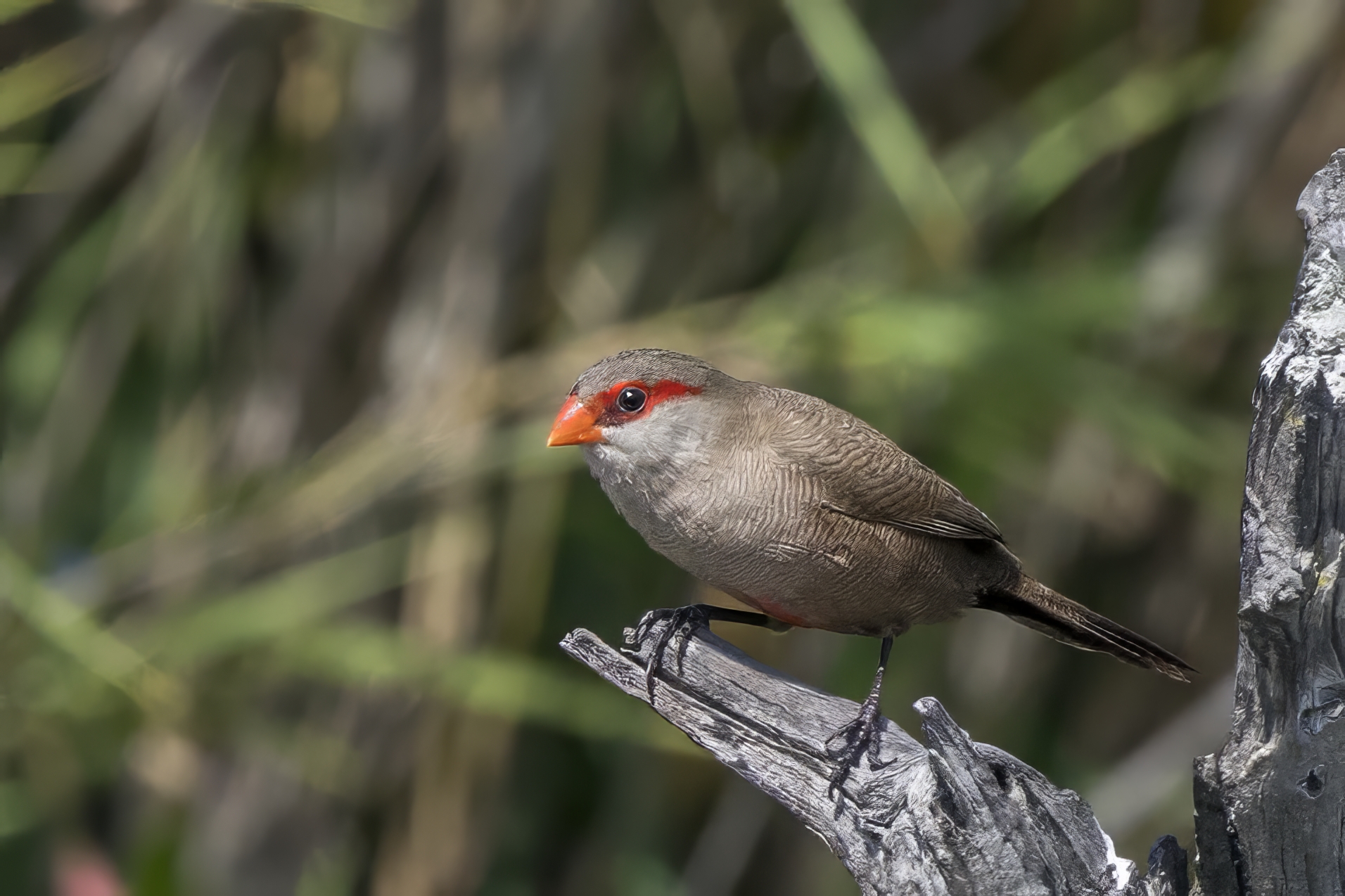
Older Female Common Waxbills Became More Subordinate During Breeding Seasons
In a five-year semi-natural study in Portugal, male and female common waxbills began with similar dominance, but ageing…
Read story →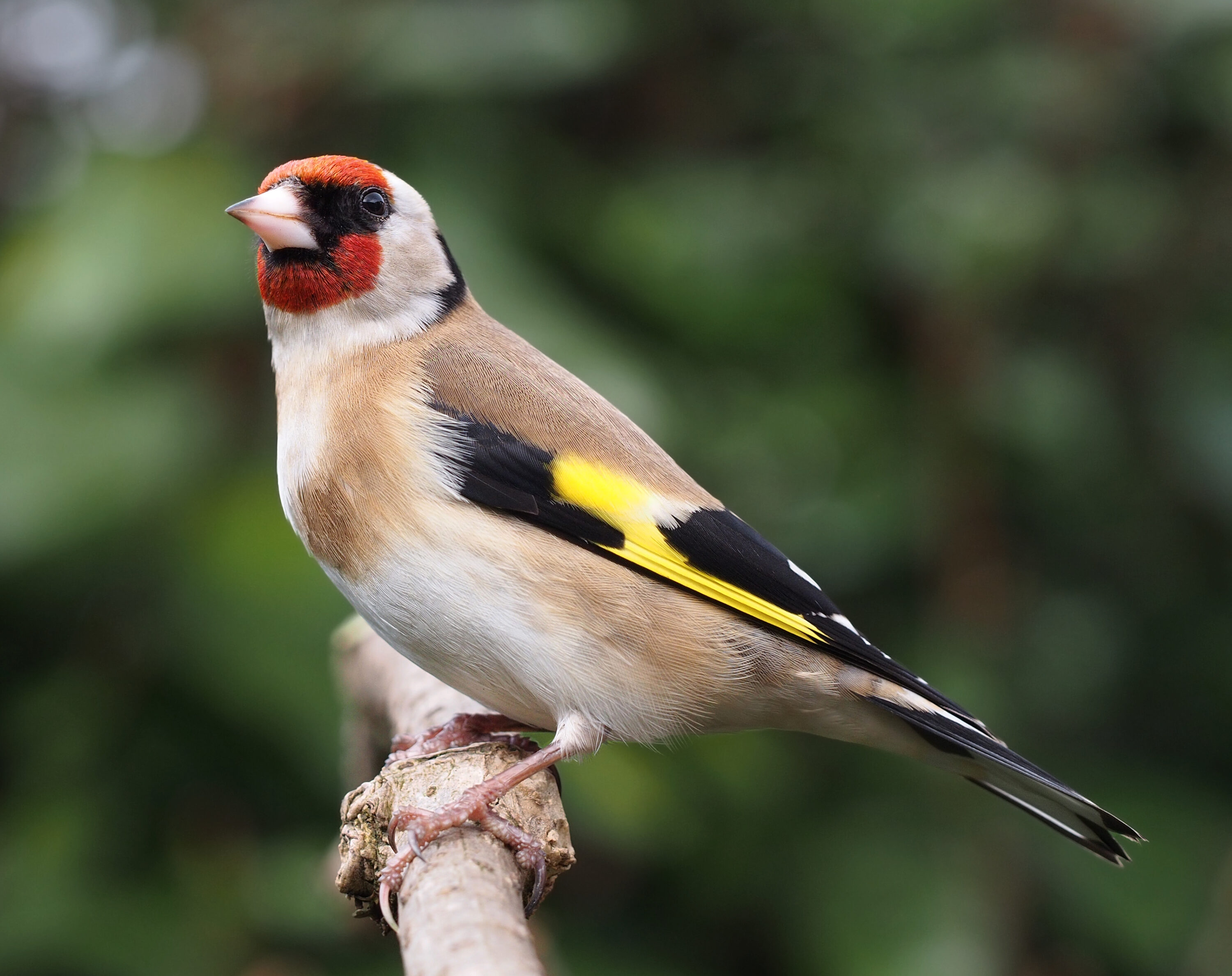
Three Invasive Songbirds Had Higher Heat-Tolerance Limits Than Native Mediterranean Counterparts
Three invasive songbirds had heat-tolerance limits averaging 6.2 °C higher than three native species including European goldfinch and…
Read story →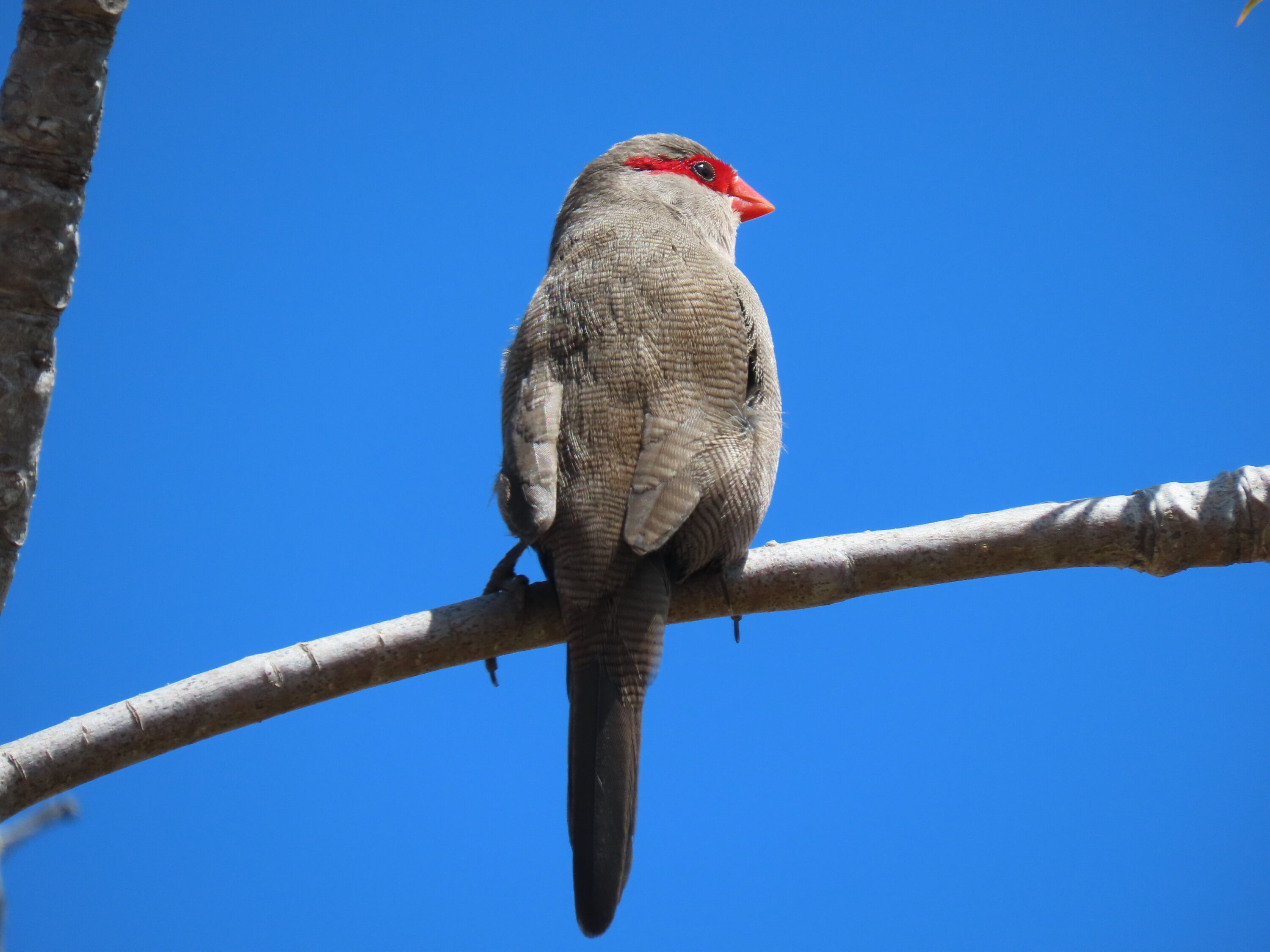
ACTH Challenge Produced a Detectable Rise in Stress-hormone Metabolites in Common Waxbill Droppings
A controlled study of 24 common waxbills found that an ACTH challenge produced a clear rise in cortisone-like…
Read story →SPECIES IN THIS STORY
Species in this story
Independent research and conservation news archive
Did you find this information useful?
Wildlife Vagabond is independently built and maintained. Voluntary support helps cover source verification, hosting and continued work on research and conservation news.
Support Wildlife VagabondThe news archive will remain freely available.