
Chromosomes Reveal the Shared History of Humans and Rhesus Macaques
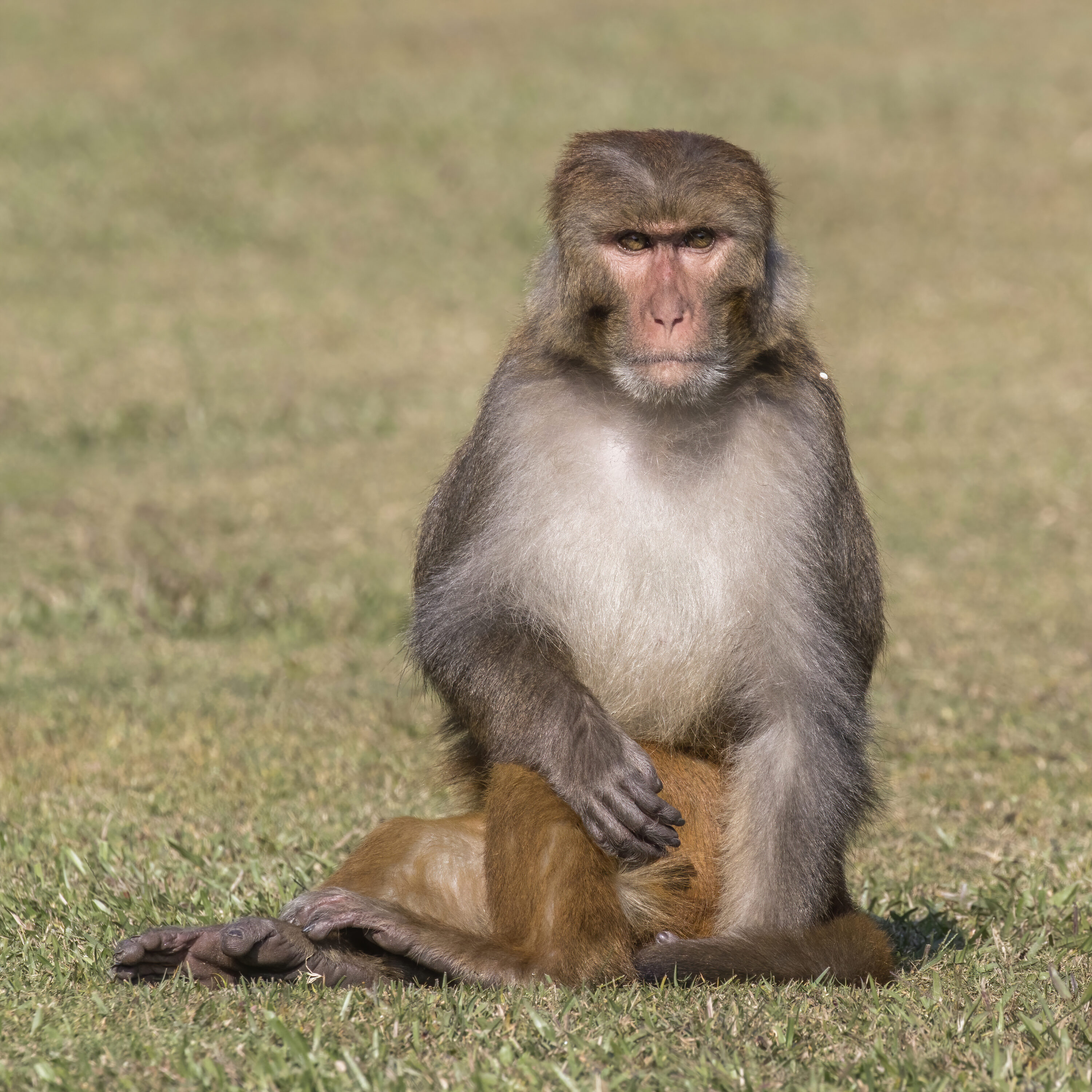
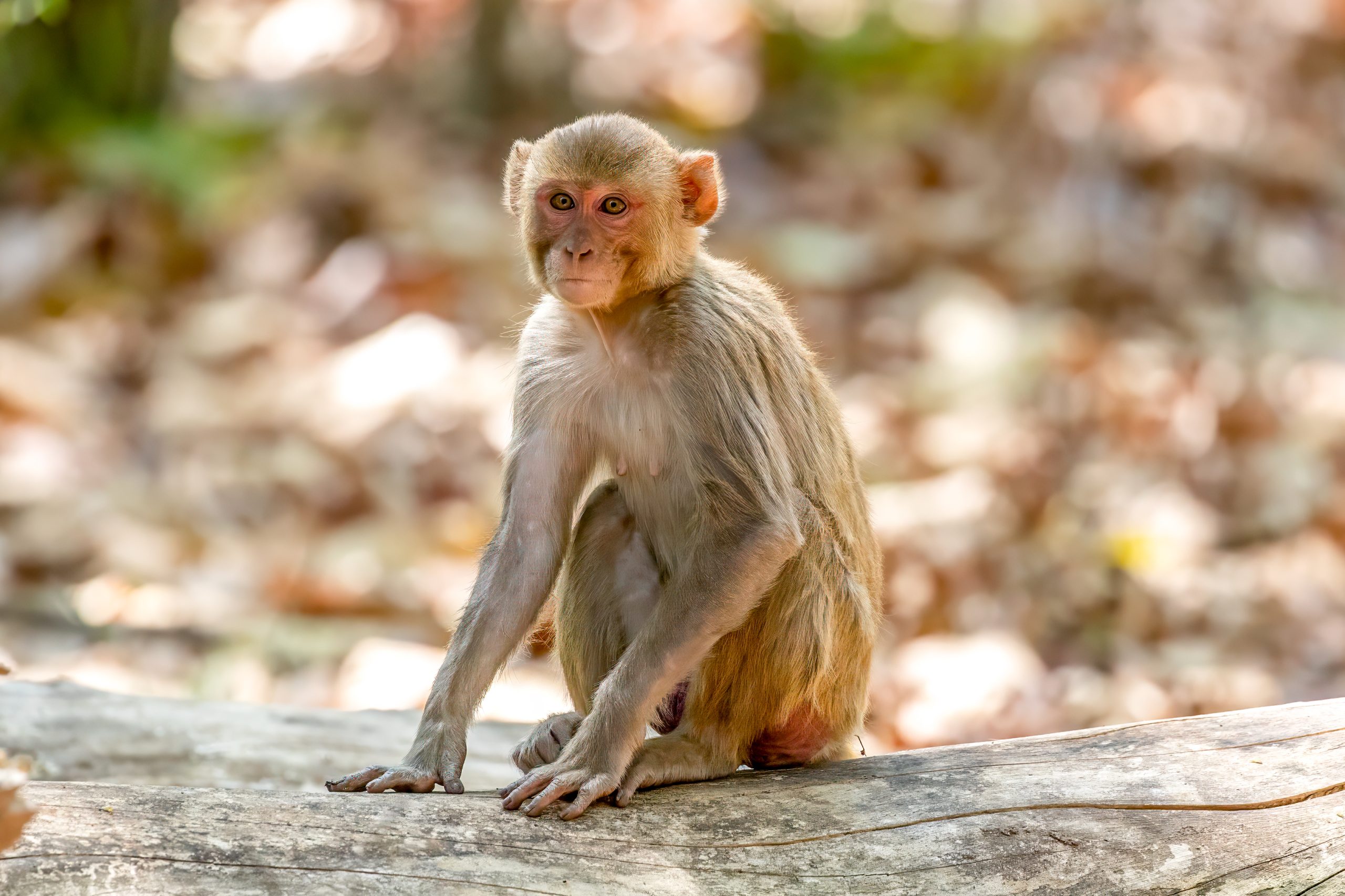
Humans have 46 chromosomes, while rhesus macaques (Macaca mulatta) have 42. Behind that difference lie striking similarities in how their DNA is organised. A new map shows that most rhesus chromosome types correspond to material from a single human chromosome. Some of the exceptions reveal an evolutionary history of chromosomes splitting apart or joining together.
The researchers examined around 3,000 cells from blood samples taken from three male macaques. They used mFISH, a form of “chromosome painting” in which fluorescently labelled DNA probes bind to matching DNA on chromosomes. These probes are short pieces of DNA that identify particular chromosomes by colour. Because the labels were designed for human chromosomes, the colours revealed which parts of the macaque’s genetic material correspond to particular human chromosomes.
Ancient combinations remain visible
The macaque’s 42 chromosomes comprise 20 pairs of autosomes and the sex chromosomes. Counting X and Y separately gives 22 chromosome types. The researchers reported that 16 of these each corresponded to a single human chromosome. Much of the overall organisation of genetic material has therefore been conserved between the two species.
Three macaque chromosomes, however, contain material that lies on two separate chromosomes in humans. Macaque chromosome 2 corresponds to human chromosomes 7 and 21, chromosome 7 to our chromosomes 14 and 15, and chromosome 13 to our chromosomes 20 and 22. Rhesus macaques thus retain older combinations that split in the lineage leading to humans.
For the combination corresponding to human chromosomes 14 and 15, the authors cite earlier research dating the split to about 25 million years ago. The new colour map makes that ancient history visible in chromosomes today.
Two chromosomes became one in humans
Human chromosome 2 tells the opposite story. Its DNA labels attached to two different macaque chromosome pairs: numbers 9 and 15. These correspond to the long and short arms of our chromosome 2, respectively. The pattern reflects the well-known fusion of two ancestral chromosomes that gave rise to human chromosome 2.
The map also helps resolve older disagreements about which chromosomes correspond to one another. Chromosomes can look similar in shape and staining patterns without containing the same genetic material. Comparing DNA content directly helps researchers trace both the conserved features and the larger rearrangements that distinguish primate chromosomes.
Genetics & genomics
Related news
Female Rhesus Macaques That Watched Unfamiliar Female Faces Longer Were More Likely to Have Offspring the Following Year
At a semi-free-ranging population in Puerto Rico, females that spent longer looking at an unfamiliar female’s neutral face…
Read story →
Human Activity and Large Wildlife Overlapped Most in Chitwan’s Buffer Zone
Camera traps across Chitwan National Park and surrounding forests showed the greatest overlap of human activity with large…
Read story →
Aging rhesus macaques show broader protein changes in blood than in brain fluid
A study of 66 rhesus macaques found age-related differences in many more measured proteins in plasma than in…
Read story →SPECIES IN THIS STORY
Species in this story
Independent research and conservation news archive
Did you find this information useful?
Wildlife Vagabond is independently built and maintained. Voluntary support helps cover source verification, hosting and continued work on research and conservation news.
Support Wildlife VagabondThe news archive will remain freely available.