
Quiet Contact Calls Carry Stable Individual Signatures in Greylag Geese
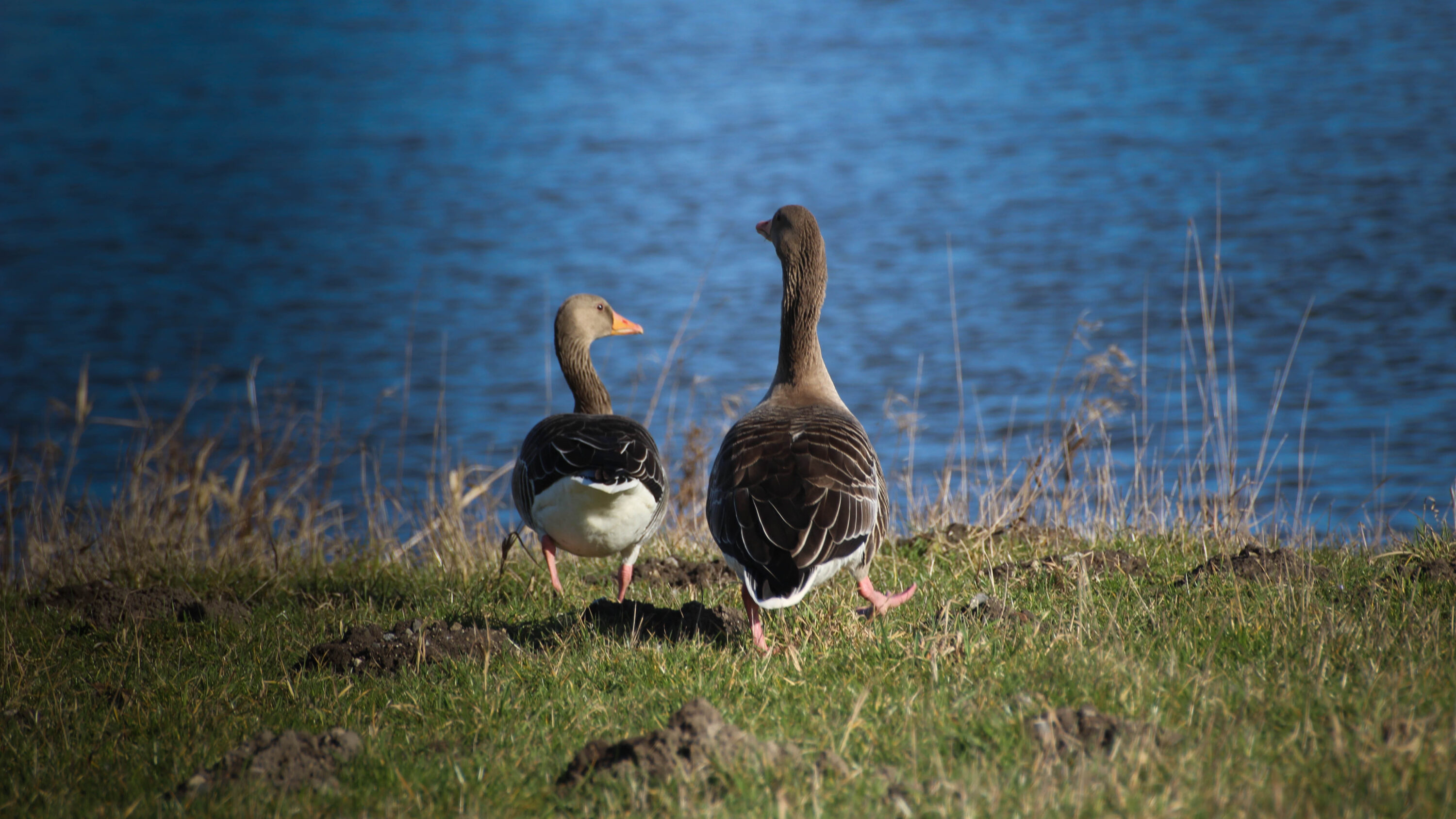
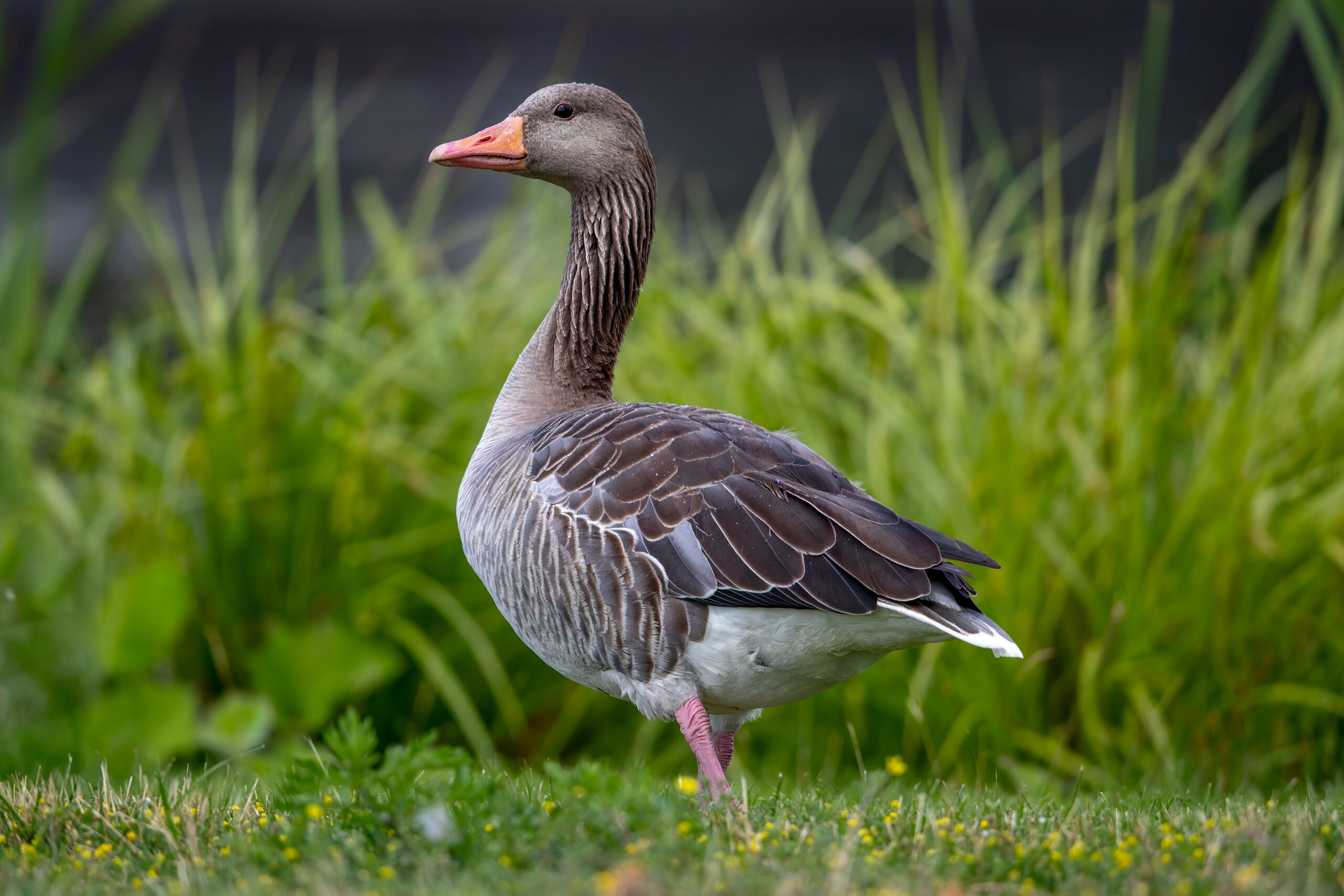
Greylag geese (Anser anser) can carry stable acoustic signatures in their quiet contact calls, allowing a caller’s identity to remain encoded in the sound for at least a year. That is the central result of a peer-reviewed study published in Animal Behaviour on 19 March 2026.
The researchers studied a long-monitored flock of free-ranging greylag geese in Austria’s Alm Valley. Although the birds receive supplementary food and are accustomed to researchers, they move freely and maintain the pair bonds and social relationships that make the species useful for studying communication within groups.
A quiet call with an individual signature
Contact calls are low-amplitude sounds used at short range. They differ from the loud distance calls that can carry across a landscape. The team analysed calls from 40 adult greylag geese and found measurable acoustic differences among individuals. For 19 birds recorded across two periods one year apart, several acoustic variables also remained sufficiently stable to preserve an individual signature over time.
This does not mean that every call is an unchanging vocal fingerprint. Calls can vary with movement, motivation and recording conditions. Rather, the analyses showed that the sound contained consistent information about who produced it, even within a naturally variable call type.
The researchers combined acoustic measurements with detailed behavioural observations. Contact calls occurred most often while birds were moving, and paired geese were more likely to produce them. When a goose called, its partner responded more often than other members of the flock. Together, these observations support the idea that contact calls help birds advertise their location and regulate spacing while a flock walks or forages.
Recognition was not confirmed by playback
A separate playback experiment tested a stronger proposition: whether a goose would respond differently when it heard its partner’s recorded contact call rather than the call of another flock member. The birds did not respond more strongly to partner calls in this test.
That result is important because an acoustic signature and demonstrated recognition are not the same thing. A call may contain enough information for individual identification without the listening bird using that information in every context. The authors also noted limitations in the playback experiment, so the absence of a stronger partner response does not prove that greylag geese cannot recognise partners from contact calls.
The observational and experimental findings therefore lead to a careful conclusion. Partners were the most frequent responders under natural conditions, but factors such as their proximity, shared movement and current activity could contribute to that pattern. Controlled playback did not isolate a clear partner-recognition effect.
Behaviour
Related news
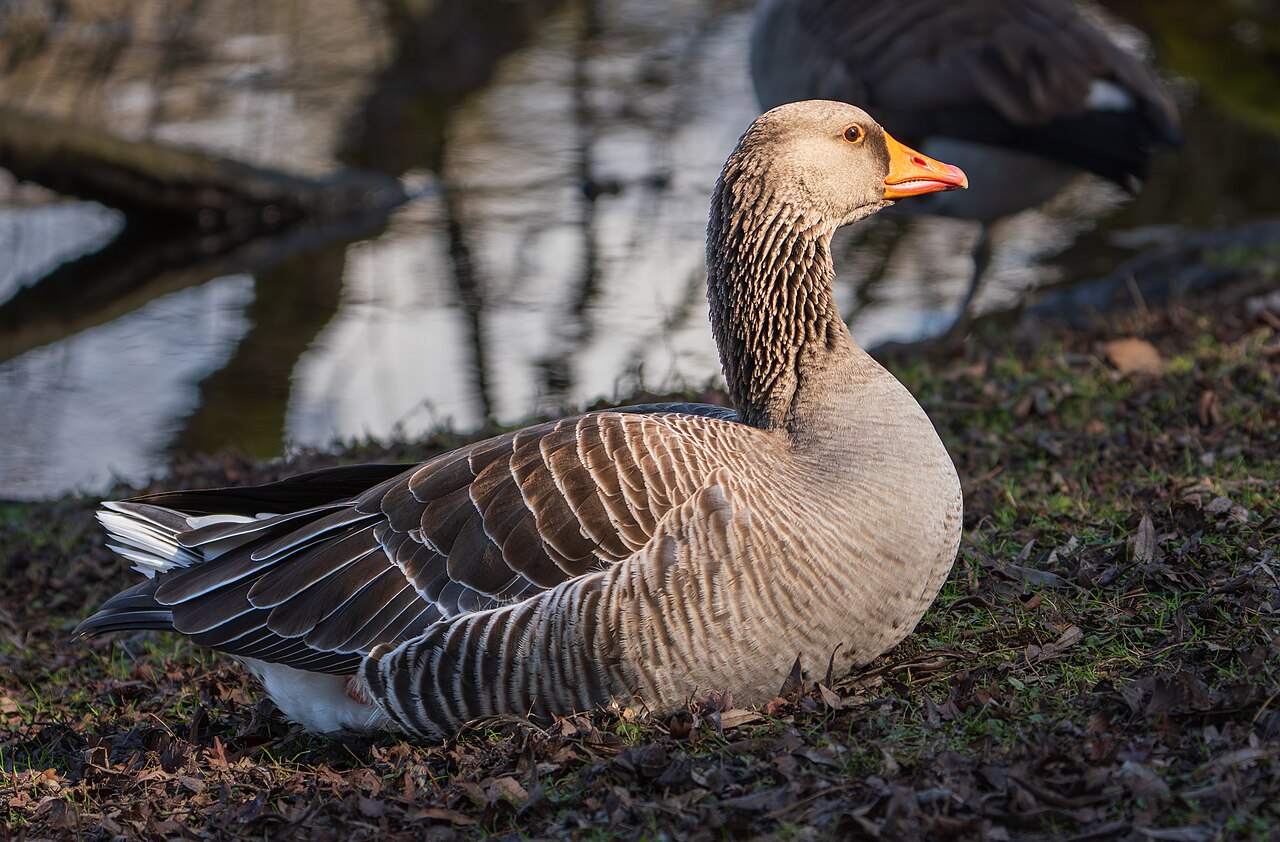
Some Greylag Geese Migrate One Year and Stay the Next
GPS tracking at Lake Neusiedl showed that most of the geese migrated, with winter destinations ranging from Germany…
Read story →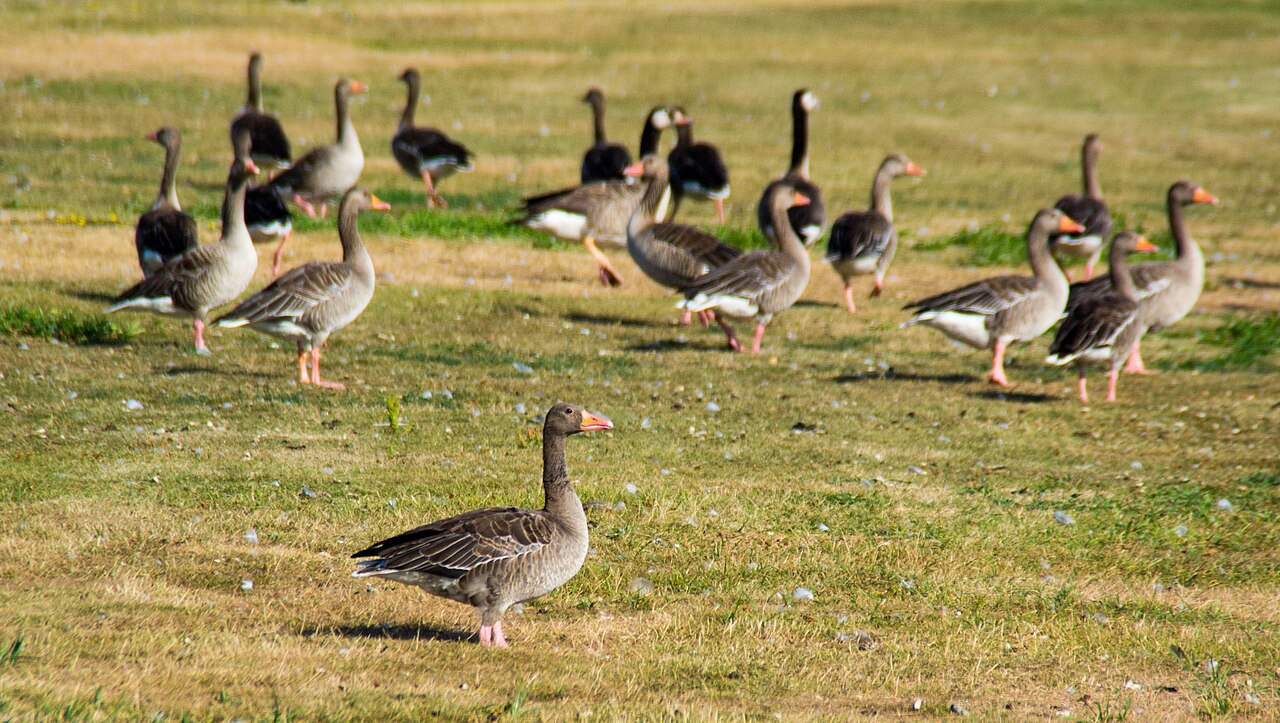
North-west European Greylag Goose Winter Population Estimated at 802,320
The north-west European greylag goose population was estimated at 802,320 wintering birds in January 2025, well above the…
Read story →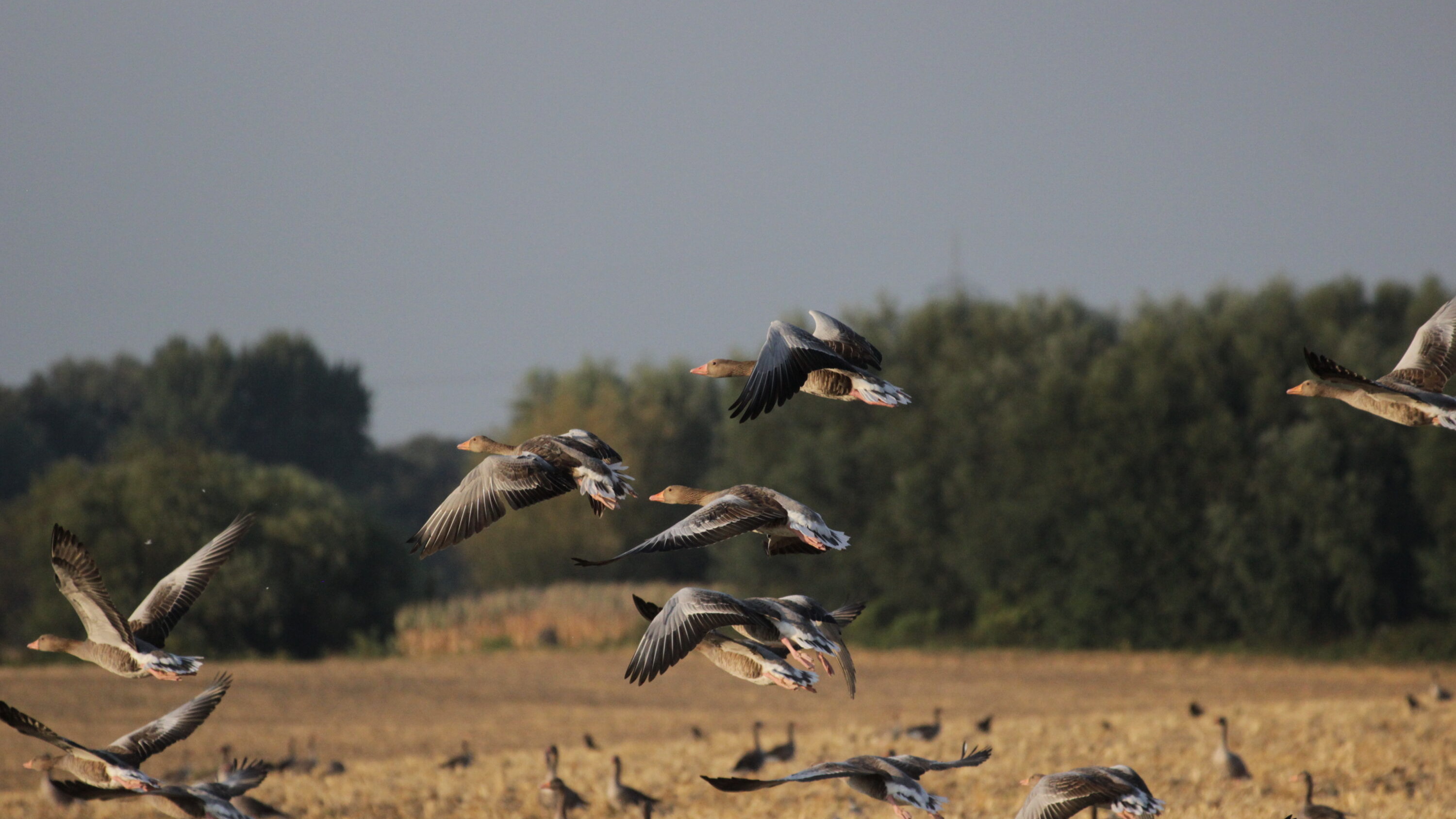
Machine Learning Maps the Overlapping Calls of Greylag Geese
Analysis of 6,651 greylag goose calls found both distinct signals and graded overlap—and showed that machine-learning choices can…
Read story →SPECIES IN THIS STORY
Species in this story
Independent research and conservation news archive
Did you find this information useful?
Wildlife Vagabond is independently built and maintained. Voluntary support helps cover source verification, hosting and continued work on research and conservation news.
Support Wildlife VagabondThe news archive will remain freely available.