
4,206 iNaturalist Predation Records Show Cooper’s Hawks Selected Doves and Flickers
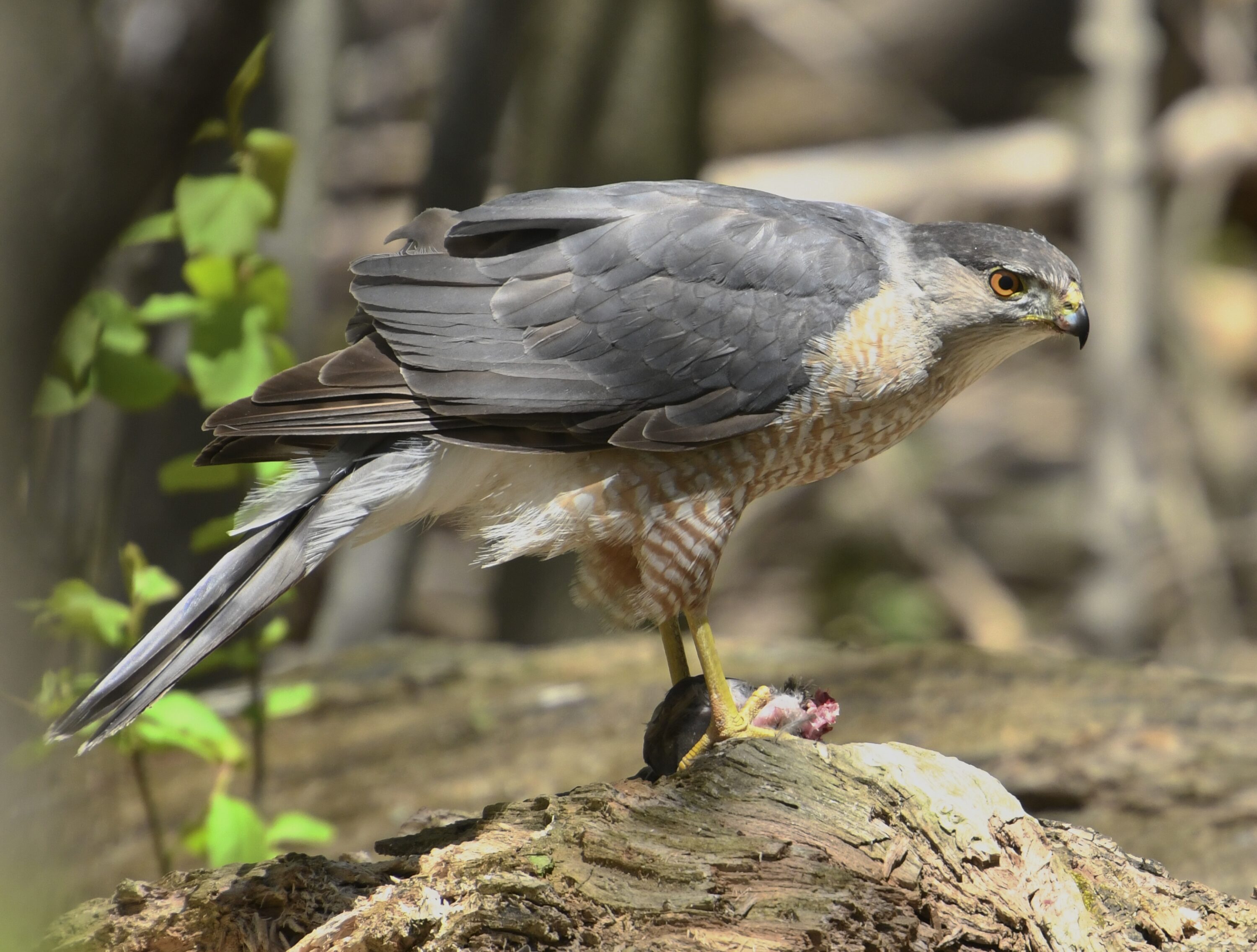
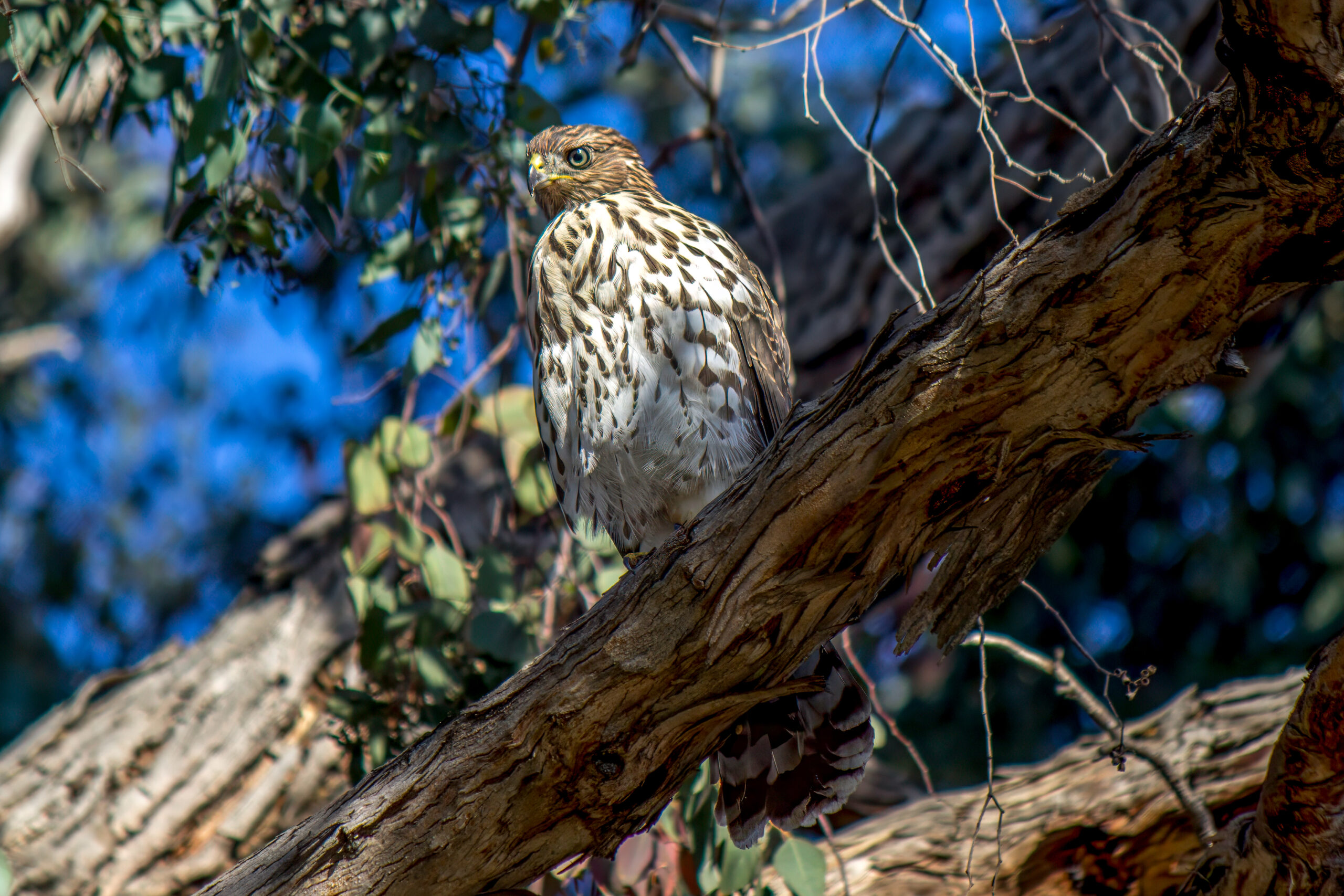
A large analysis of iNaturalist photographs has provided one of the broadest datasets yet on the diet of cooper’s hawk (Astur cooperii). The study was published on 18 February 2026 in Ornithology.
Researchers searched photograph-vouchered iNaturalist records of cooper’s hawk and sharp-shinned hawk (Accipiter striatus) across much of their ranges. Among 74,974 photographs reviewed for the two species, they identified 4,206 predation events for cooper’s hawk and 619 for sharp-shinned hawk.
Pigeons, doves and northern flickers were selected more strongly than expected
The analysis allowed the researchers to compare prey observations with the spatial availability of potential prey rather than simply listing what appeared in photographs. The cooper’s hawks showed selection for pigeons and doves, passerines and northern flicker (Colaptes auratus).
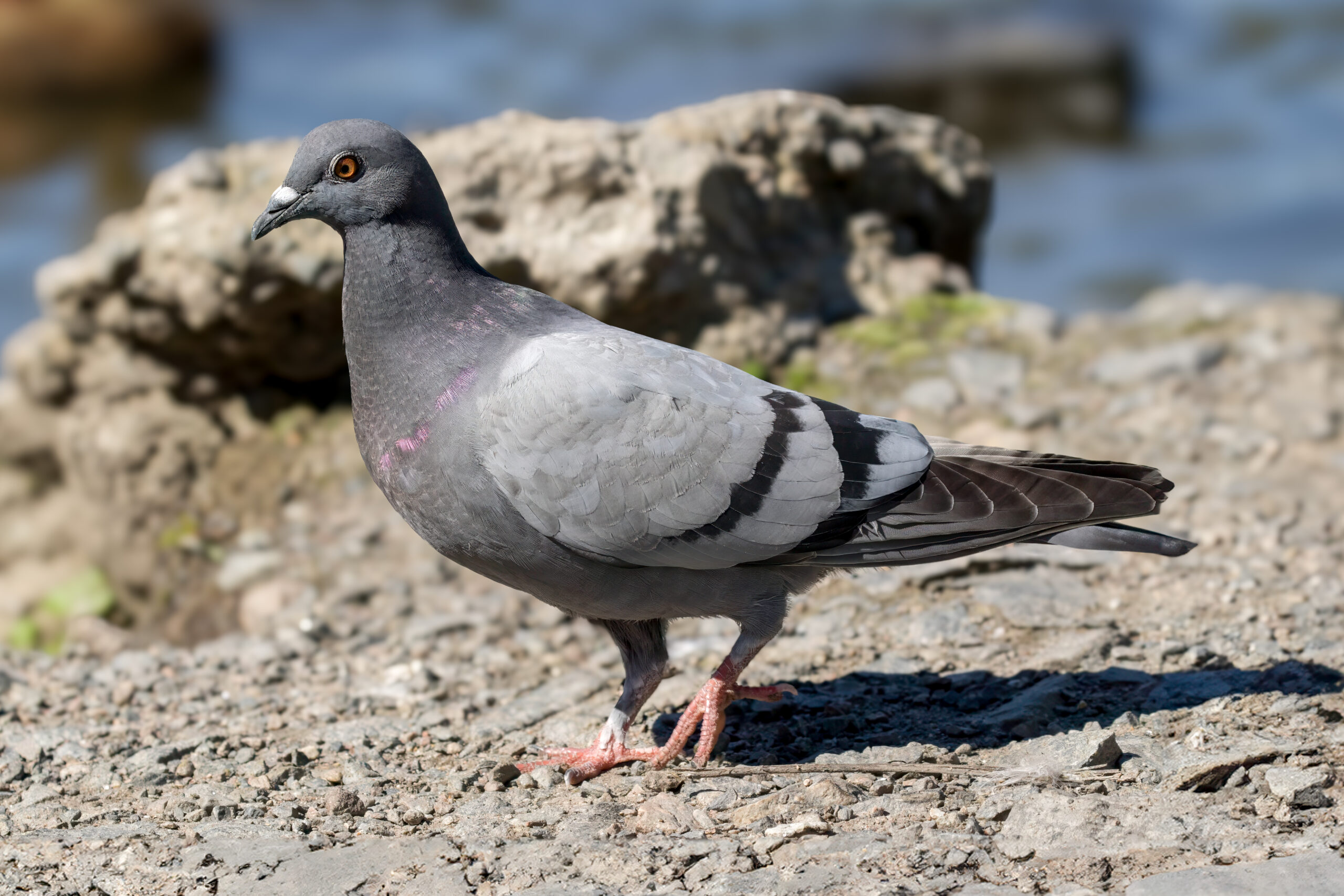
The rock dove (Columba livia) was both the most frequently observed prey and the prey item selected most strongly by cooper’s hawks. The results therefore support earlier observations that medium- to large-bodied birds, particularly pigeons and doves, form an important part of the species’ diet.
Prey-size selection was bimodal rather than centred on one size
Prey-size use was not centred around a single body size. The cooper’s hawks showed a bimodal pattern of prey-size selection, which the authors relate to use of pigeons and doves alongside smaller prey types. The smaller sharp-shinned hawk showed a stronger preference for small passerines.
Although birds dominated the photographed prey, cooper’s hawks also regularly took small mammals. The authors therefore describe the species as predominantly an avian specialist rather than an exclusively bird-eating predator.
Because the records came from public observations across a large geographic area and many life-history stages, they complement diet studies based mainly on prey remains at nests or observations around bird feeders.
Ecology
Related news
Inland Mute Swans Had Higher Winter Body Condition Despite Harsher Winters and Supplemental Feeding
A study of 853 mute swans from four Polish wintering regions found higher body condition inland than on…
Read story →
Gut Microbiomes Across Nine Kruger Mammals Clustered More Strongly by Dietary Group Than Species
A study of 89 quality-filtered faecal samples from nine wild mammals in Kruger National Park found that carnivores,…
Read story →
Dunnock Spring Passage Advanced by Up to 8.3 Days Over 61 Years at Hel
Standardised ringing data from northern Poland showed that the first, median and last phases of dunnock spring passage…
Read story →SPECIES IN THIS STORY
Species in this story
Independent research and conservation news archive
Did you find this information useful?
Wildlife Vagabond is independently built and maintained. Voluntary support helps cover source verification, hosting and continued work on research and conservation news.
Support Wildlife VagabondThe news archive will remain freely available.