
Court Ruling Clears the Way for Cape Peninsula Baboon Management Plan
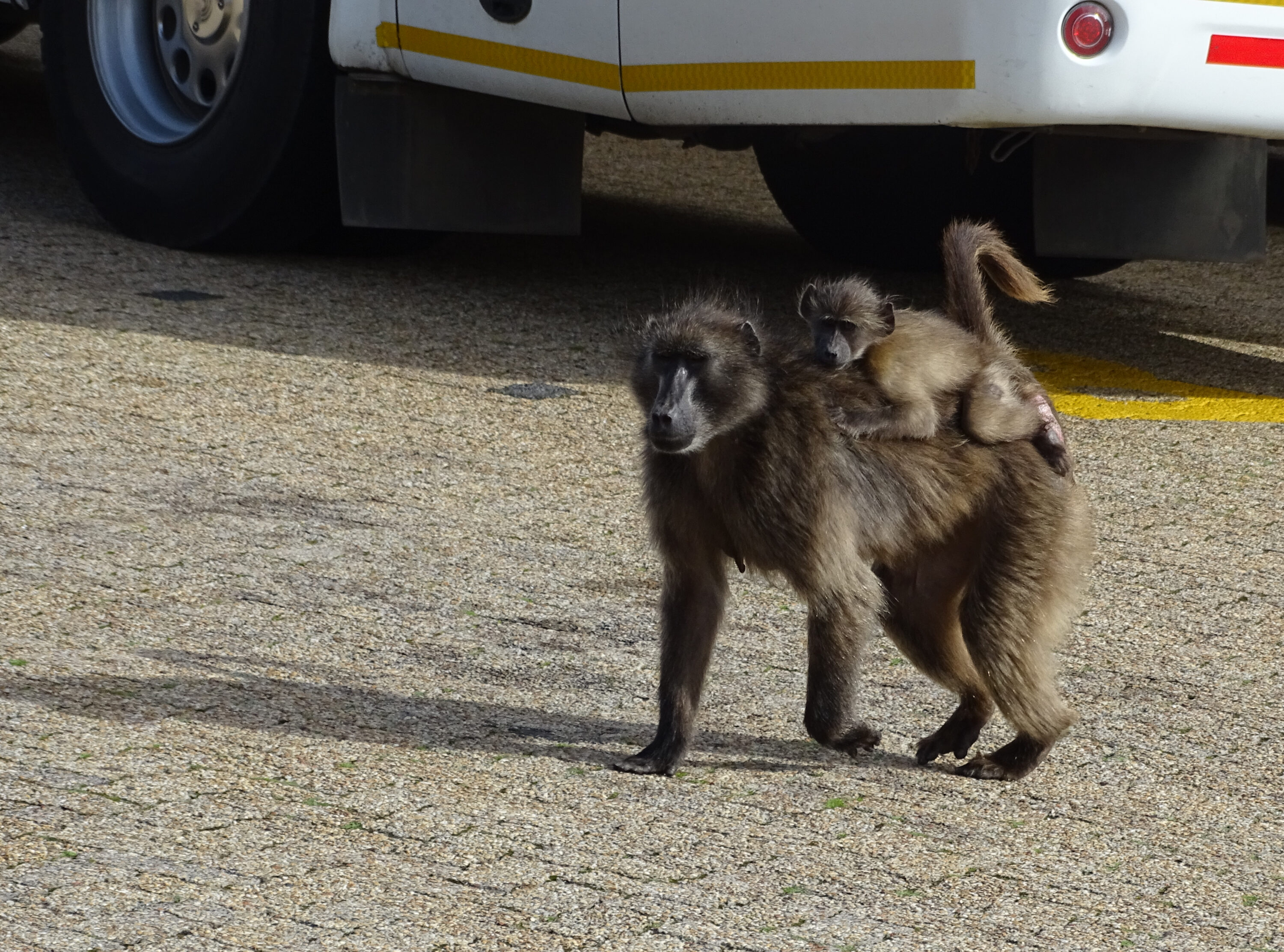
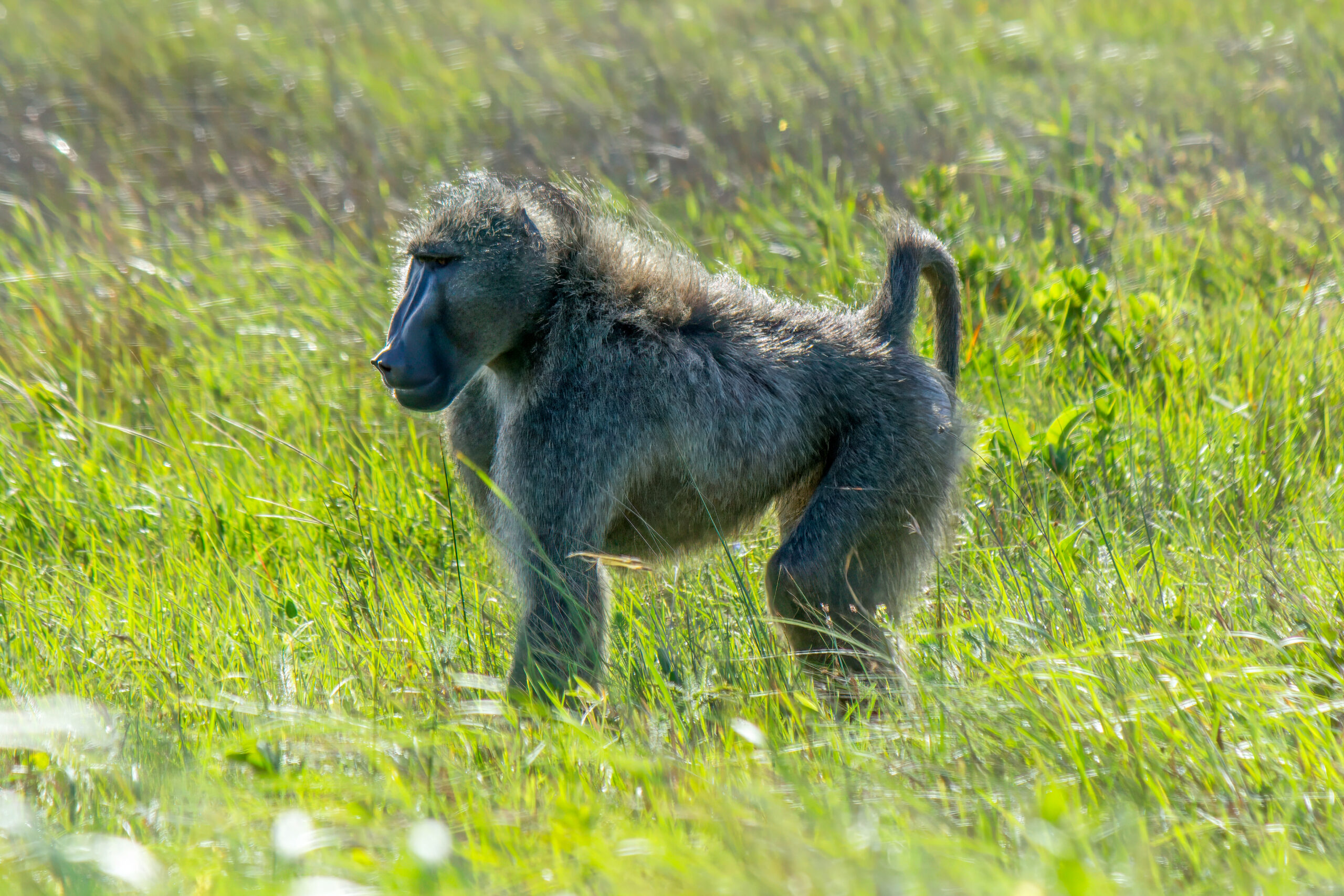
A Western Cape High Court ruling in February 2026 cleared the way for authorities to continue implementing the management plan for chacma baboons (Papio ursinus ursinus) on South Africa’s Cape Peninsula.
On 25 February, the court dismissed an application seeking to stop key parts of the Cape Peninsula Baboon Action Plan. The following day, the Cape Peninsula Baboon Management Joint Task Team — made up of SANParks, CapeNature and the City of Cape Town — confirmed that implementation could continue.
The Action Plan had been approved by the three authorities in November 2025 as the practical implementation of the wider Cape Peninsula Baboon Strategic Management Plan. Its stated aim is to maintain a healthy and sustainable free-ranging baboon population while reducing repeated overlap and conflict with people.
Reducing urban use is a central management goal
The authorities describe urban use as a central management problem. Baboons that spend substantial time in residential and agricultural areas can become habituated to people and human food, with associated changes in diet, behaviour and troop dynamics and increased risk of human-related injury and death. The management priority is therefore to minimise the time baboons spend in human-dominated areas and to prevent further habituation.
The plan also recognises limits to how many free-ranging baboons different parts of the peninsula can support under present ecological conditions and management resources. Rather than treating the population as unmanaged urban wildlife, the authorities describe active management as necessary for maintaining baboon health, welfare and long-term sustainability on a heavily transformed peninsula.
The ruling concerned legal authority, not ecological effects
The February judgment did not itself assess the ecological merits of each management measure. It dealt with whether the authorities could proceed with the Action Plan and found that the three bodies had the legal mandate to work together and implement it. The Joint Task Team says the plan will be reviewed as implementation proceeds, with the next formal review scheduled for 2030.
Management
Related news
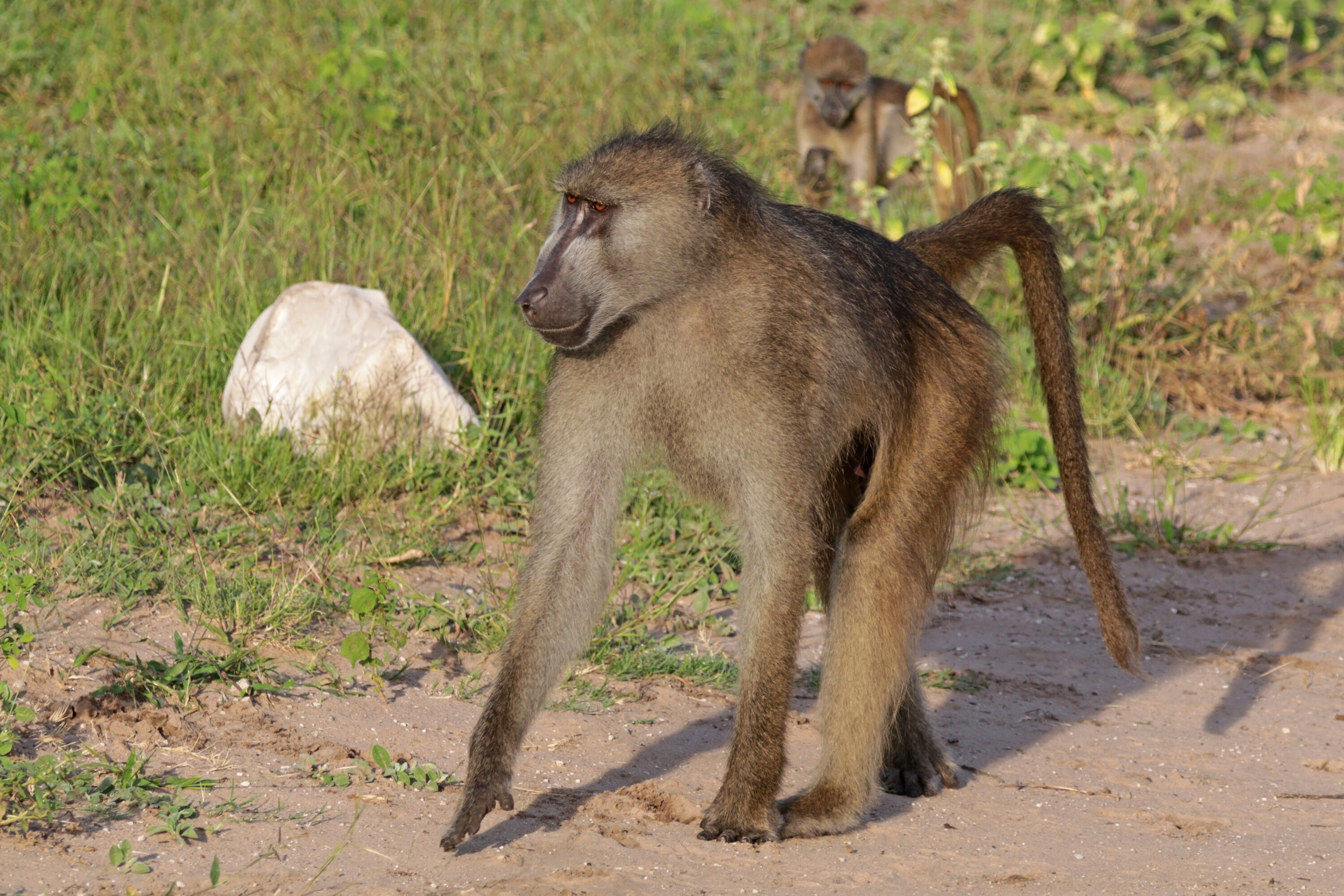
Vigilance was the most common context for bipedal behaviour in chacma baboons
Researchers recorded 231 bipedal bouts in wild chacma baboons in Gorongosa. Vigilance was the most common context, while…
Read story →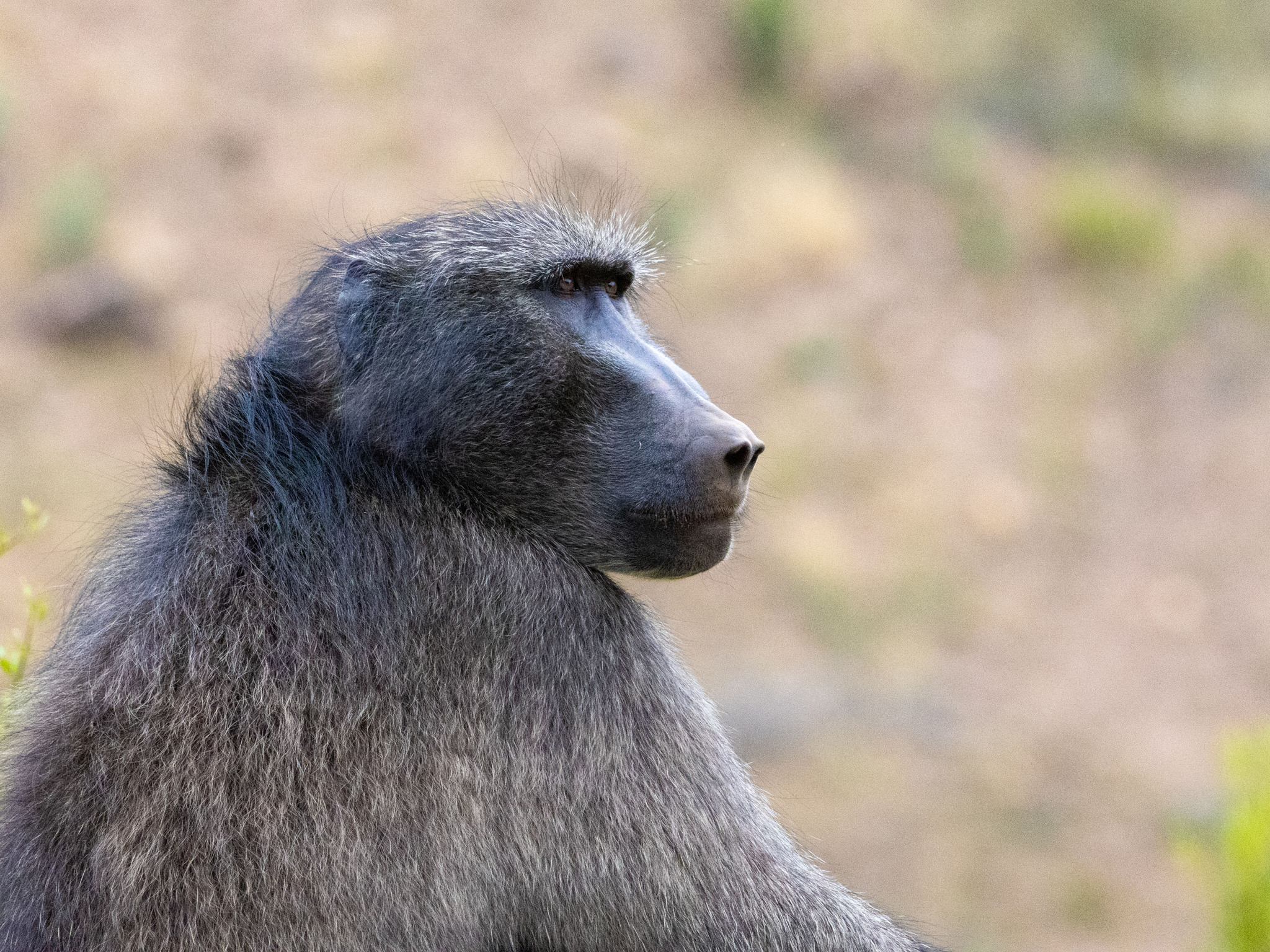
Intense vigilance was the behavioural response most closely linked to human disturbance in Garden Route baboons
Three Cape chacma baboon troops showed similar overall activity budgets across a human-disturbance gradient, but intense vigilance was…
Read story →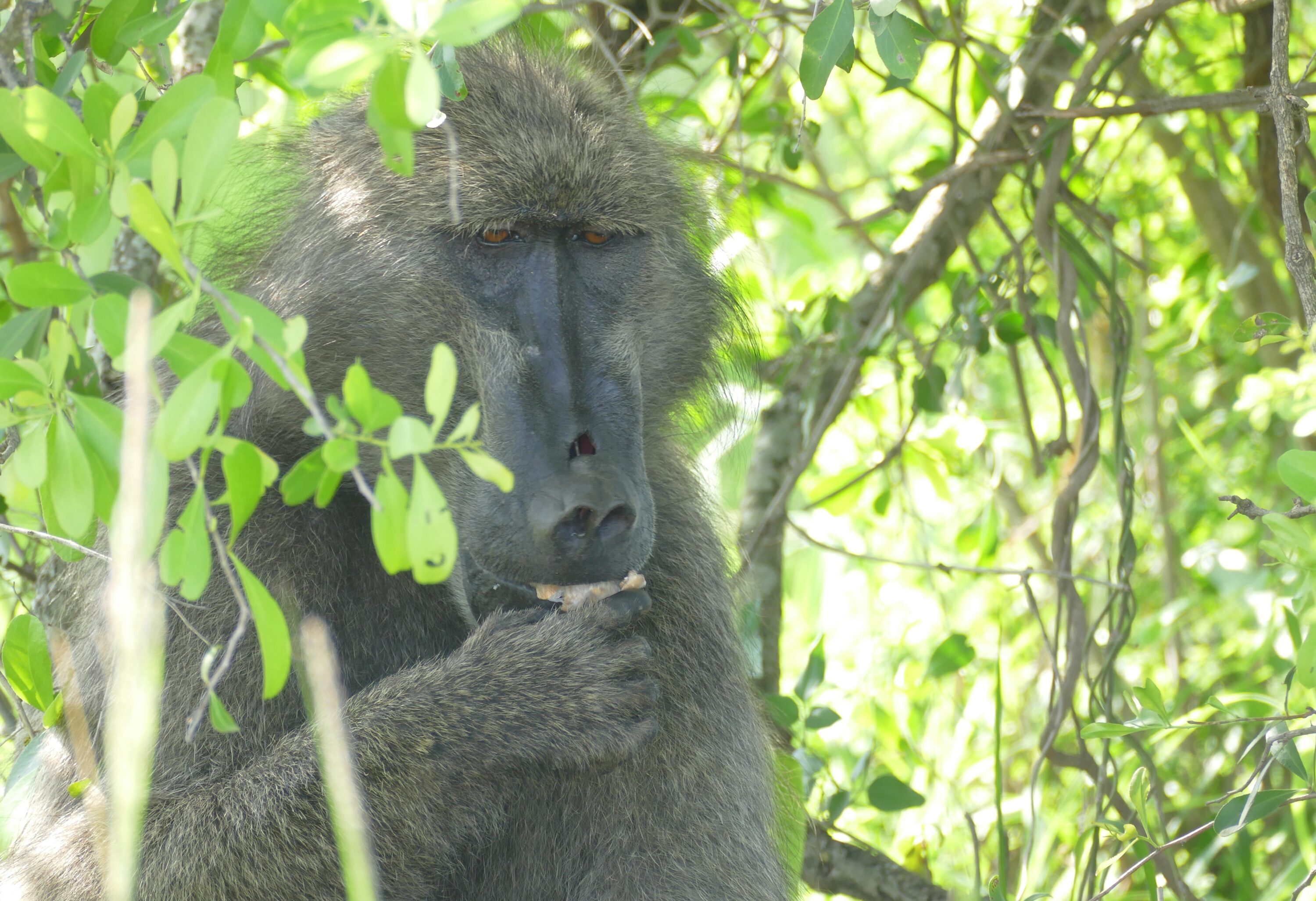
Chacma baboons deposited more seeds in the dry season, and seedlings emerged from defecated seeds
Researchers recovered 23,132 seeds from 240 chacma-baboon scats in Suikerbosrand, with more seeds deposited in the dry season…
Read story →SPECIES IN THIS STORY
Species in this story
Independent research and conservation news archive
Did you find this information useful?
Wildlife Vagabond is independently built and maintained. Voluntary support helps cover source verification, hosting and continued work on research and conservation news.
Support Wildlife VagabondThe news archive will remain freely available.