
Intense vigilance was the behavioural response most closely linked to human disturbance in Garden Route baboons
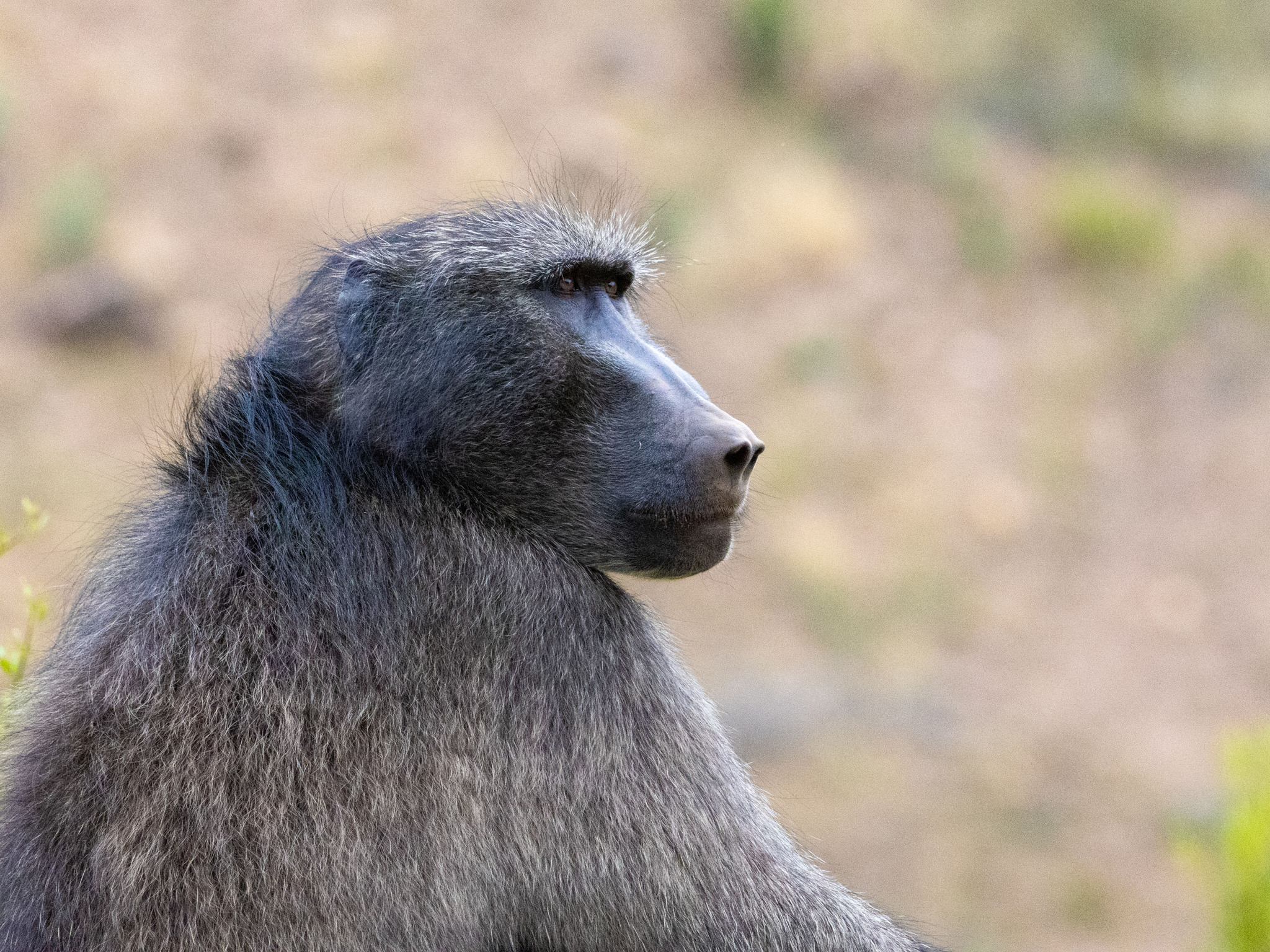
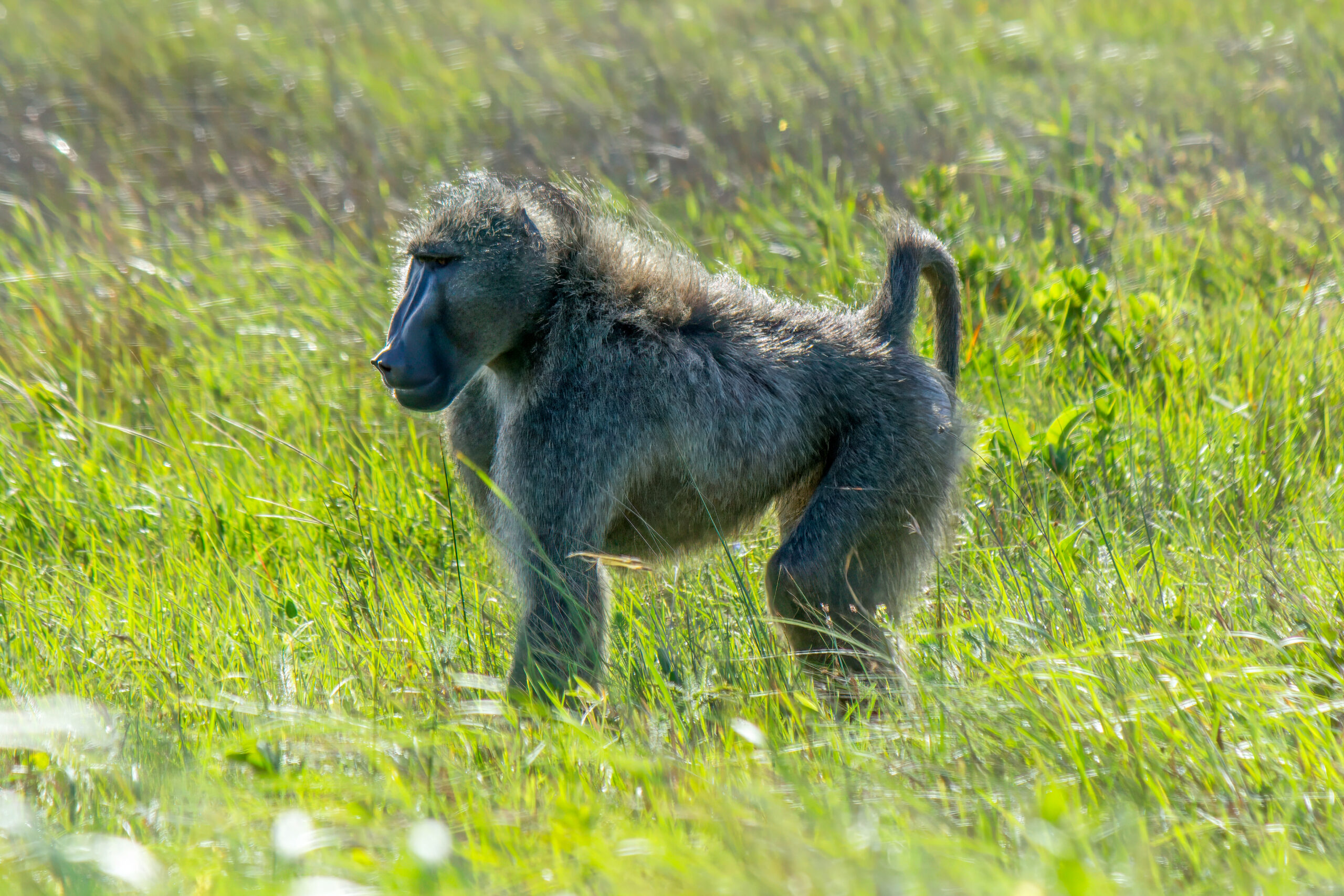
A 2026 study of Cape chacma baboons (Papio ursinus ursinus) in South Africa’s Garden Route found that human disturbance was associated more clearly with fine-scale changes in vigilance than with broad changes in how the animals divided their time between major activities.
Researchers compared three troops living along a gradient of human influence: Madiba in a highly disturbed environment, North under intermediate disturbance and Outeniqua in a comparatively low-disturbance setting. Between March and June 2024, they recorded 84 hours of observations and collected 343 scan samples of behaviour.
Broad activity budgets remained similar between troops
Feeding dominated the overall activity budget, accounting for 35.4% of recorded time. When all major activities were considered together, the researchers found no overall difference in activity budgets among the three troops. The baboons were therefore not simply shifting large portions of their day from feeding to resting, moving or social behaviour as human influence increased.
Intense vigilance showed the clearest disturbance-related pattern
More specific behavioural differences did emerge. The Outeniqua troop relied less on human-derived foods and showed lower frequencies of running than the two troops exposed to greater anthropogenic disturbance. The clearest response concerned high-intensity vigilance — active, concentrated scanning of the surroundings. This was elevated in the Madiba and North troops compared with Outeniqua.
The authors emphasise, however, that the high-intensity vigilance pattern was sensitive to the composition of the dataset and should be interpreted cautiously. Their environmental models nevertheless also identified vigilance as the behaviour most consistently associated with anthropogenic disturbance, whereas relationships with feeding, locomotion and affiliative behaviour were weaker or depended more strongly on context.
Natural environmental conditions mattered alongside human activity. Habitat openness and weather influenced behavioural responses, showing that the three troops were responding to a combination of anthropogenic and environmental conditions rather than to human presence alone.
Adult males contributed disproportionately to variation in high-intensity vigilance. Differences linked to human disturbance occurred at a finer scale than the troop’s total activity budget and also varied among demographic groups.
The authors connect these findings to the management of human–baboon interactions. Because broad time budgets remained relatively stable while vigilance changed, they argue that fine-scale behavioural measures may reveal effects of anthropogenic disturbance that would be missed by looking only at how much time animals spend feeding, resting, travelling or socialising.
Behaviour
Related news
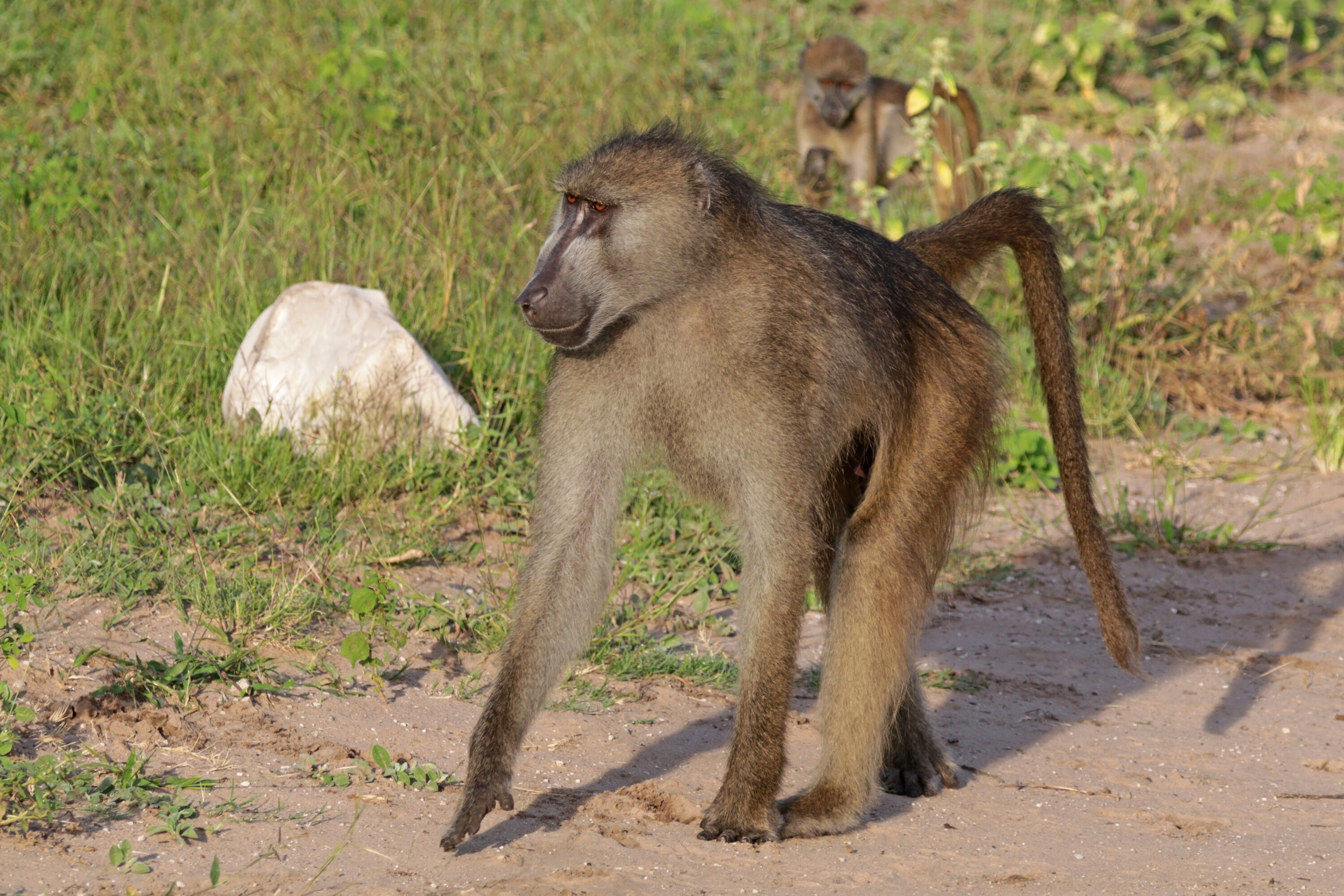
Vigilance was the most common context for bipedal behaviour in chacma baboons
Researchers recorded 231 bipedal bouts in wild chacma baboons in Gorongosa. Vigilance was the most common context, while…
Read story →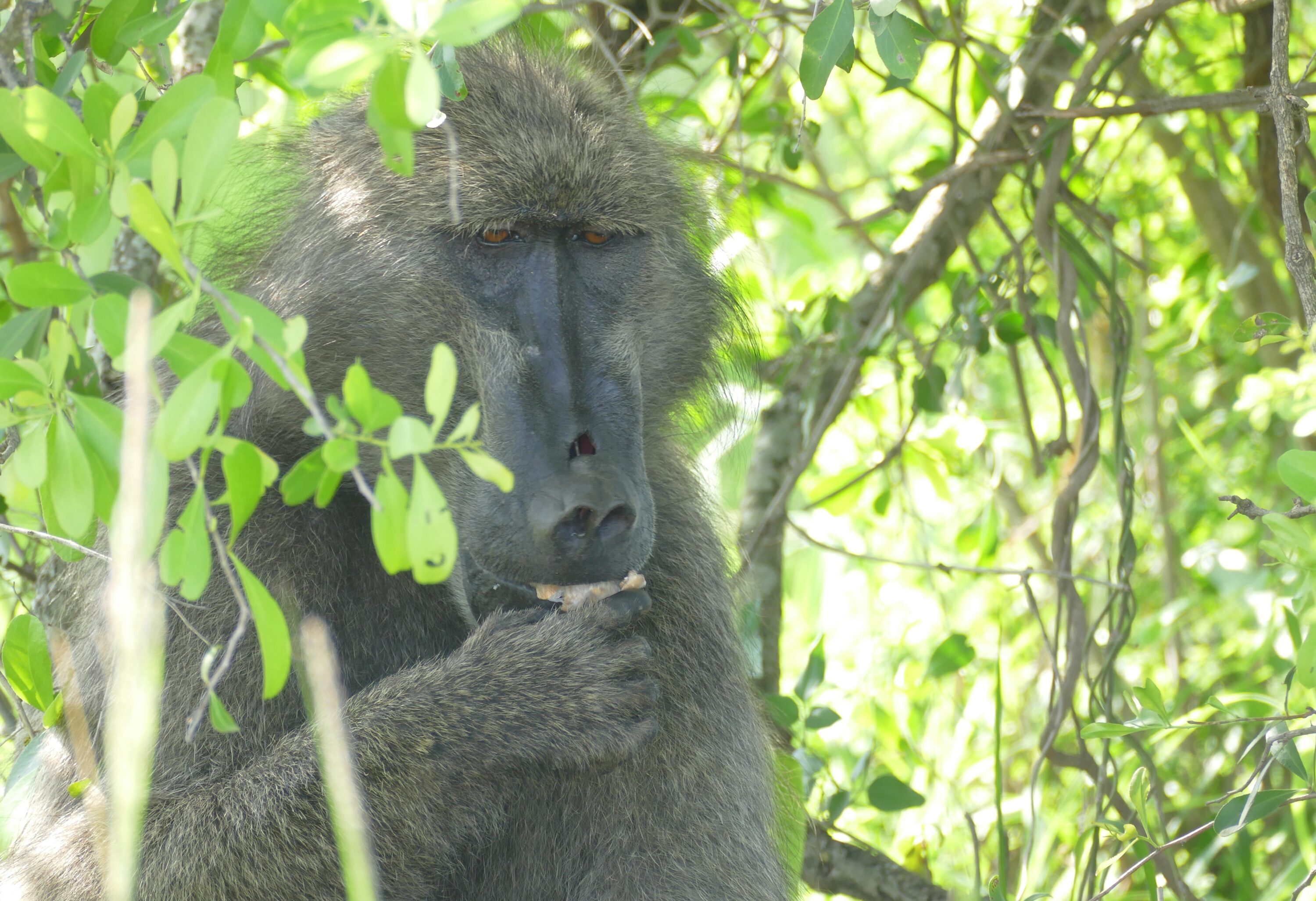
Chacma baboons deposited more seeds in the dry season, and seedlings emerged from defecated seeds
Researchers recovered 23,132 seeds from 240 chacma-baboon scats in Suikerbosrand, with more seeds deposited in the dry season…
Read story →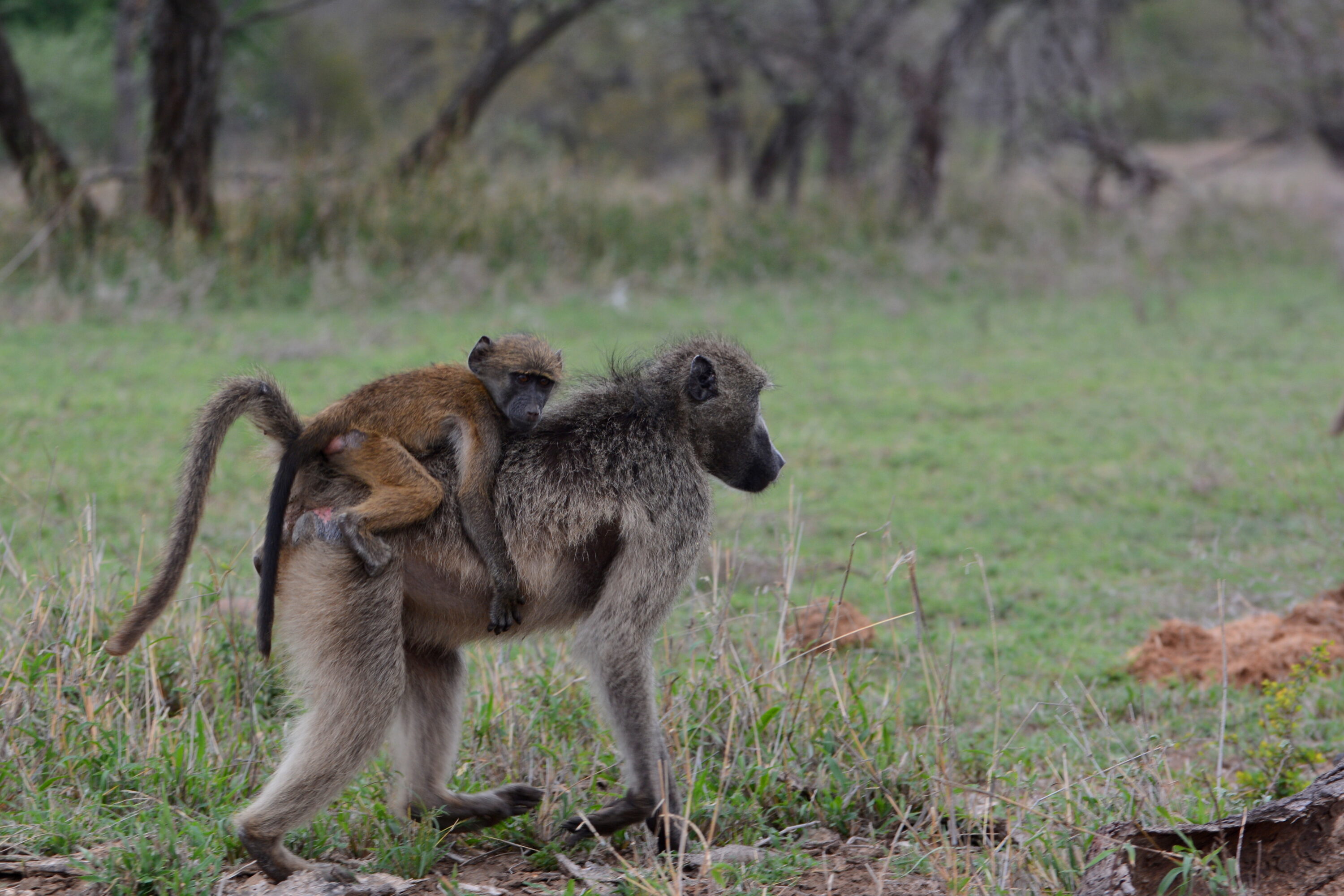
Camera traps found no evidence that baboons avoided sites for days after predators passed
Across four savanna sites, camera traps showed no clear decrease in baboon detections during the 72 hours after…
Read story →SPECIES IN THIS STORY
Species in this story
Independent research and conservation news archive
Did you find this information useful?
Wildlife Vagabond is independently built and maintained. Voluntary support helps cover source verification, hosting and continued work on research and conservation news.
Support Wildlife VagabondThe news archive will remain freely available.