
Stanley Park Recorded 108 Aggressive Human–Coyote Encounters in Nine Months
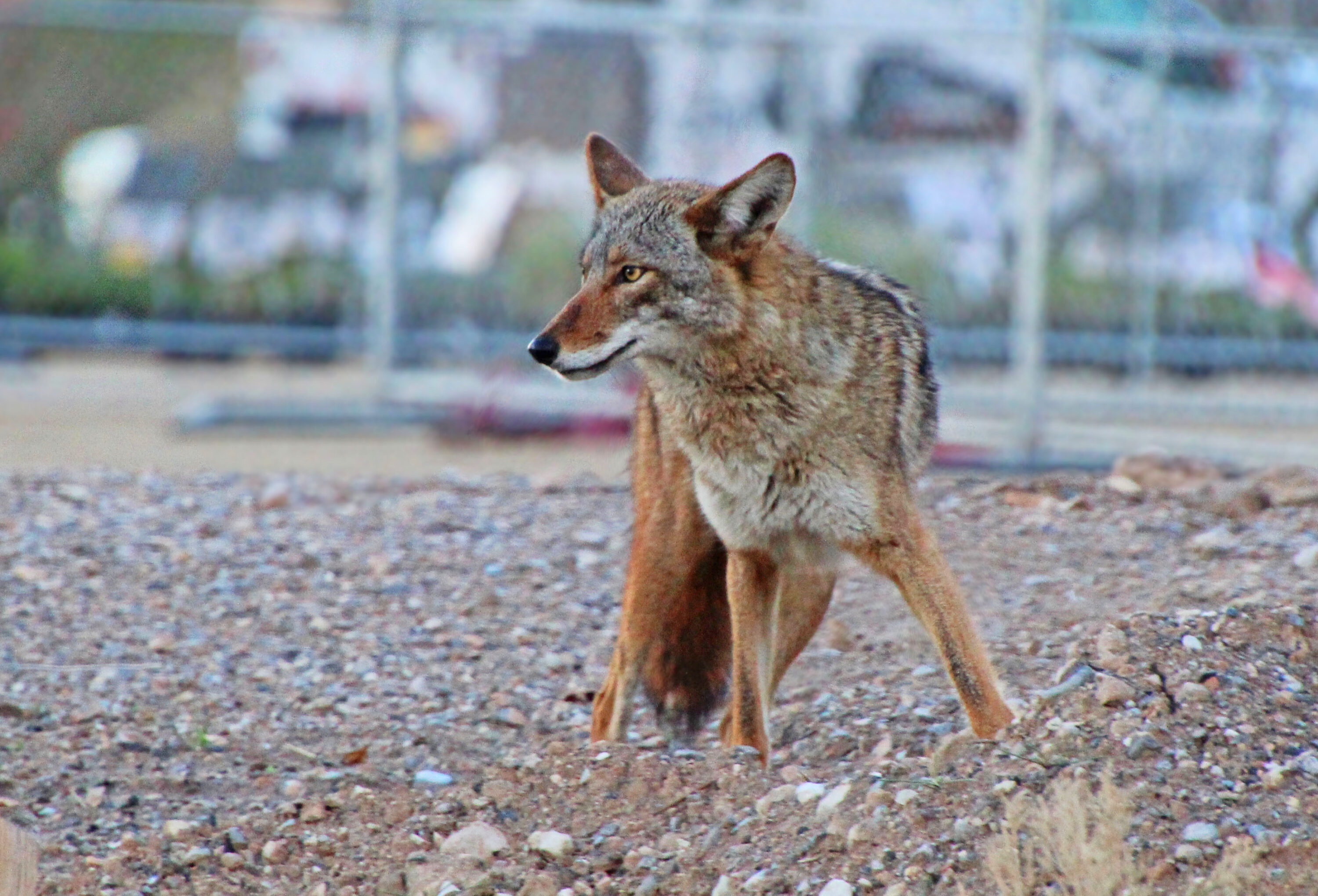
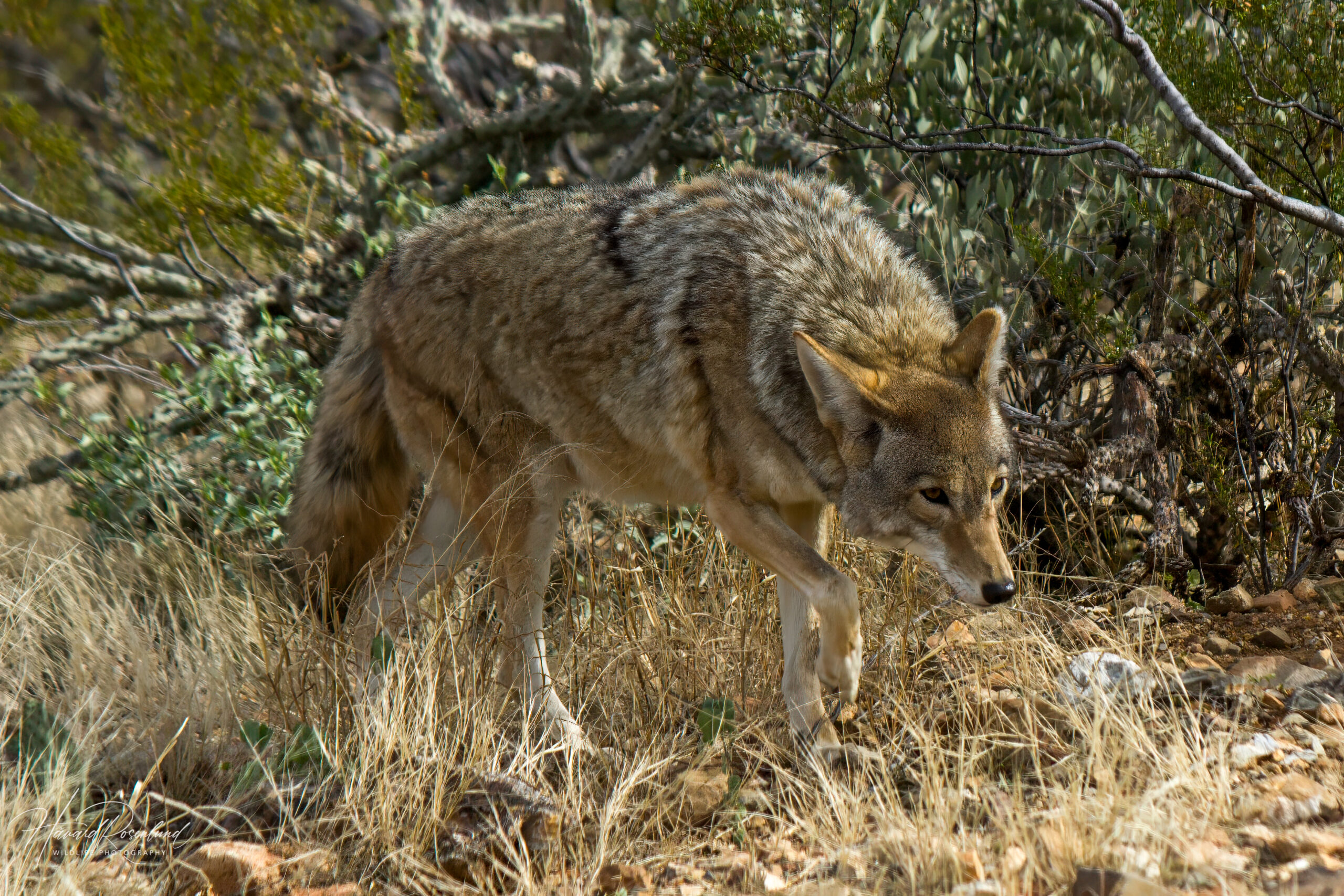
Vancouver’s Stanley Park recorded 108 aggressive encounters between people and coyotes (Canis latrans) over nine months from December 2020 to August 2021. Forty-five were attacks involving bites or scratches, while another 63 involved lunging or threatening behaviour. A study released publicly on 6 July 2026 examined why this unusually intense period of conflict developed.
The researchers compared reported aggressive encounters with ordinary coyote sightings and tested spatial and temporal variables associated with human activity, coyote behaviour, den locations and potential anthropogenic food sources. They also compared characteristics of people who had been attacked with observations of other park users.
Aggression rose during the pandemic restriction period
Coyote aggression was higher during the phase of the COVID-19 pandemic when indoor gatherings were restricted and outdoor recreation increased. The authors interpret the surge in human use as a likely contributor to habituation: coyotes repeatedly exposed to people may lose some of their normal wariness and become more willing to approach or interact with them.
The contrast with the preceding years was striking. The research team reported only one aggressive encounter in almost a decade before the 2020–2021 conflict period.
Busy trails had more aggression, but attacks often occurred at quieter times
Two results that initially appear contradictory operated at different scales. Across Stanley Park, aggressive encounters were more common on trails with higher overall human use. But within that broader pattern, attacks were more likely at times of the day or week when relatively fewer people were present.
People who were attacked were also more likely to be running and alone than park users in the comparison observations. The analysis found no effect of victim age or gender and no effect of whether a domestic dog was present.
The authors interpret this combination as consistent with opportunistic predatory behaviour contributing to some attacks: areas with frequent human exposure may promote habituation, while an individual person moving alone during a quieter period may present a different immediate context than a group on a busy trail.
Encounters were more frequent near known dens
Distance to coyote dens was another strong spatial predictor. Aggressive encounters occurred more frequently closer to known den sites. The authors interpret this as support for den defence contributing to part of the conflict, especially when human activity overlapped with areas being used for reproduction.
This finding also underlies one of their practical recommendations: during periods of elevated conflict risk, visitors can reduce exposure by avoiding known den areas.
Measured food-source locations did not explain the attacks
The statistical analysis did not support the idea that attacks clustered around the measured anthropogenic food sources. Aggressive encounters occurred farther from potential food sources such as garbage bins and picnic areas rather than closer to them.
That result does not match a simple spatial food-conditioning explanation. At the same time, the authors report anecdotal observations consistent with some coyotes having become food-conditioned — learning to associate people with access to food — including animals approaching people carrying or handling food. They therefore retain food conditioning as a possible contributor while distinguishing it from the predictors supported quantitatively by the study.
The authors point to several processes acting together
The researchers conclude that the Stanley Park events most likely arose through a combination of habituation to people, den defence, opportunistic predatory behaviour and possibly food conditioning. The study does not reduce the nine-month conflict period to one cause.
For future coexistence, the authors recommend preventing habituation and food conditioning by not feeding coyotes or leaving accessible food, avoiding approaches to coyotes, recreating in groups and during busier periods, and staying away from known den sites when risk is elevated. The Stanley Park episode ultimately led to the removal of 11 coyotes.
Human–wildlife conflict
Related news
Coyotes Increased Across Illinois Over Four Decades, but County Trends Varied
Four long-running Illinois surveys together showed a statewide coyote increase from 1980–2023, while county-level populations followed more variable…
Read story →
Mange in Coyotes Varied With Urban Density and Habitat Connectivity Across North American Cities
Camera-trap data linked visible mange in coyotes to urban intensity and habitat connectivity at two spatial scales, while…
Read story →
Coyotes Chose Steep Slopes and Stable Soils for Dens in Elk Island National Park
A study of 42 coyote dens in Elk Island National Park found that steep slopes, stable soils and…
Read story →SPECIES IN THIS STORY
Species in this story
Independent research and conservation news archive
Did you find this information useful?
Wildlife Vagabond is independently built and maintained. Voluntary support helps cover source verification, hosting and continued work on research and conservation news.
Support Wildlife VagabondThe news archive will remain freely available.