
Remote Camera Provided First Direct Video Documentation of a Coyote Taking a Turkey Vulture Nestling
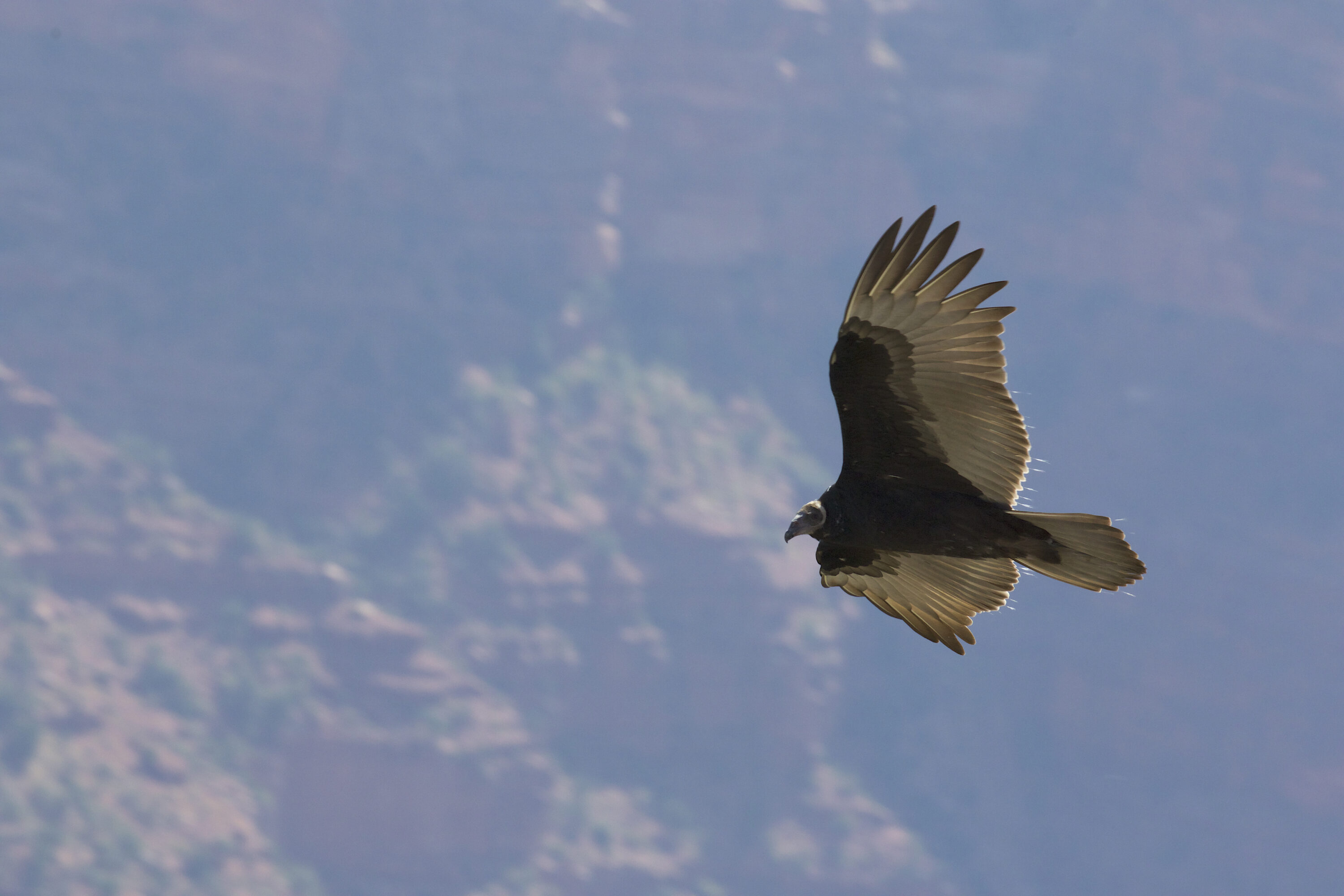
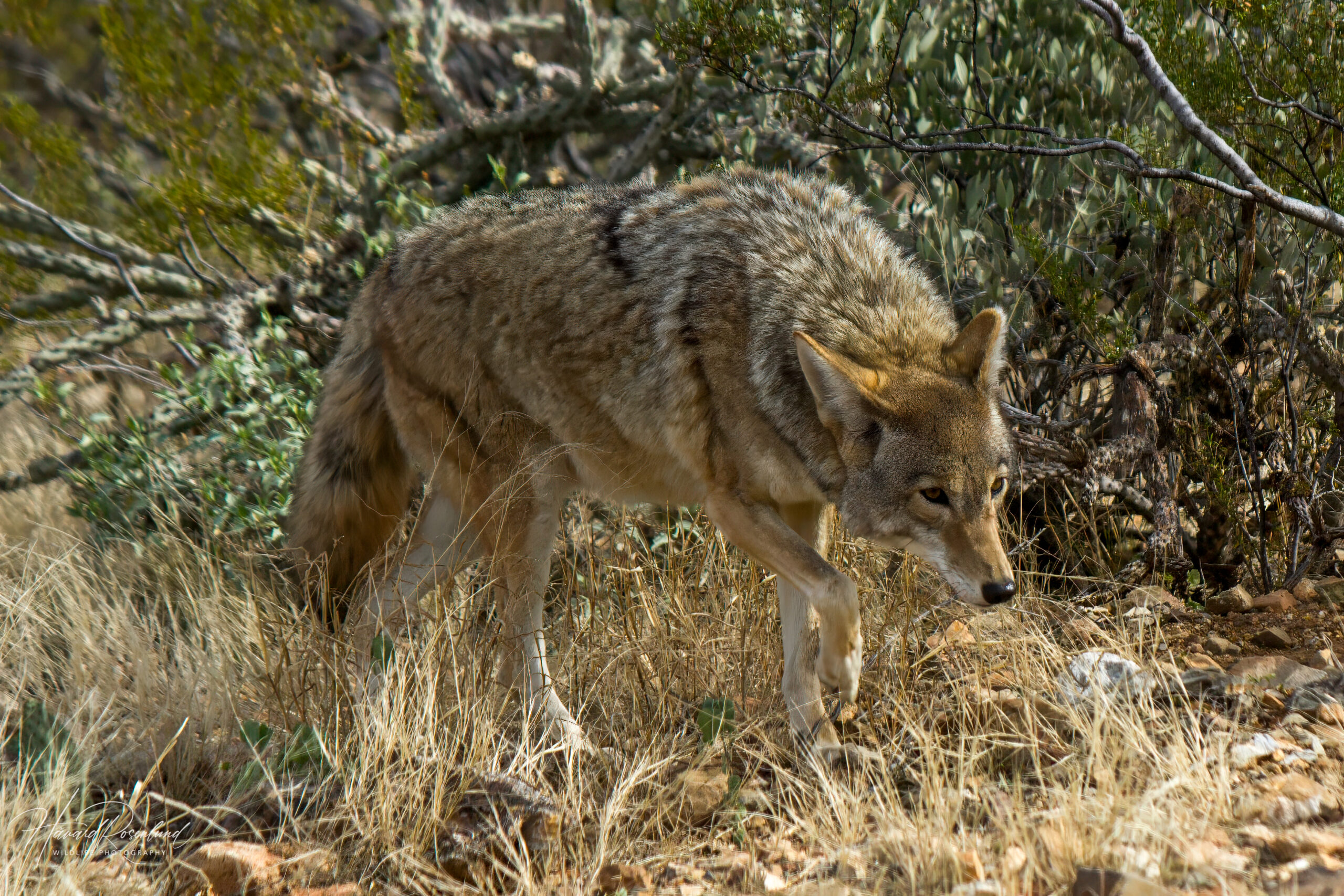
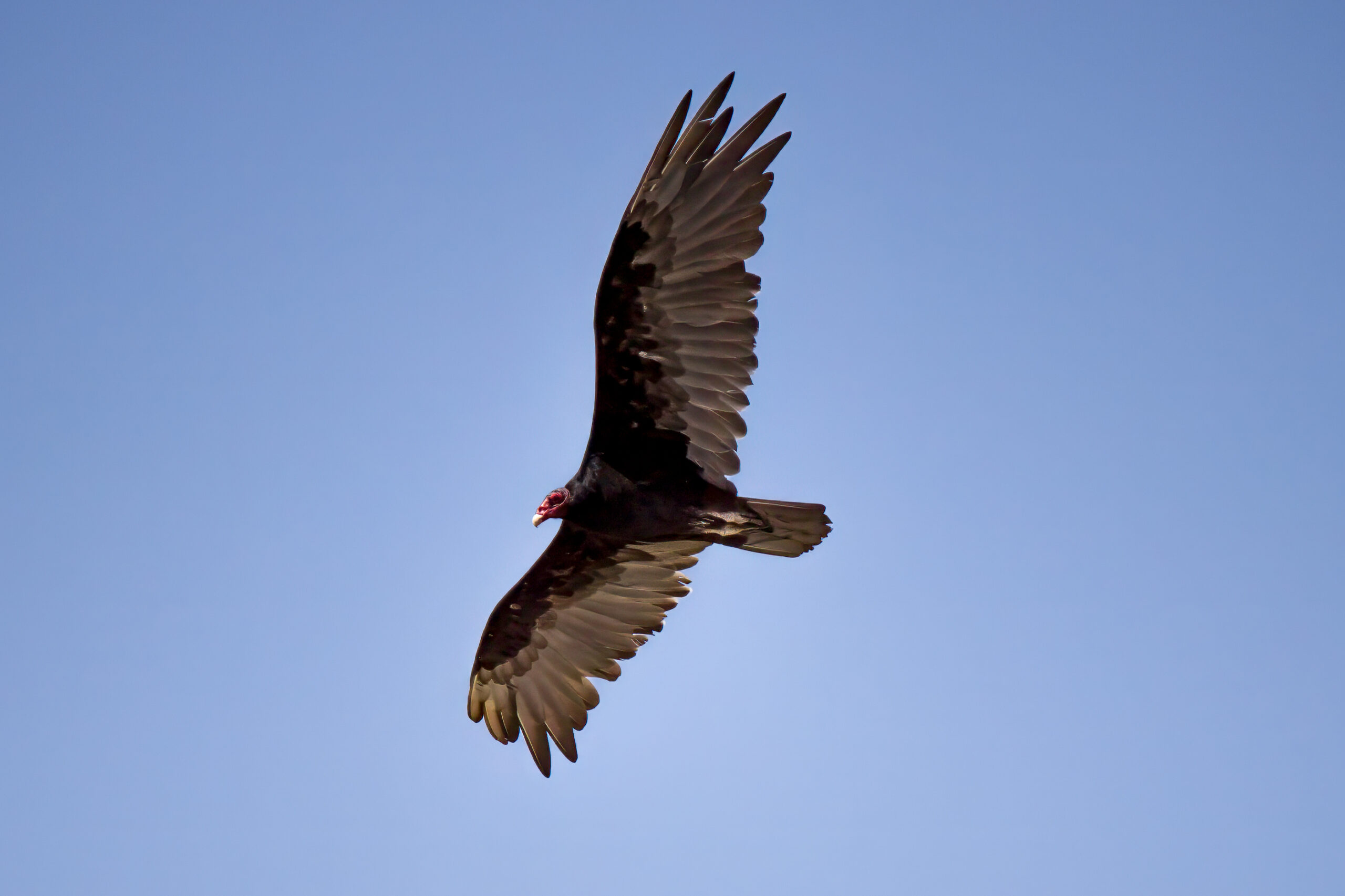
A remote camera on a ranch in Armstrong County, Texas, USA, provided the first published direct video documentation of a coyote (Canis latrans) preying on a turkey vulture nestling (Cathartes aura). The event occurred at a nest on the south rim of Mulberry Canyon on 15 August 2023 and was published in the Journal of Raptor Research on 1 July 2026.
The nest was on the floor of a steep cut in the canyon wall. A camera had photographed two partially feathered turkey vulture nestlings outside the nest cavity on 3 August, twelve days before the predation event.
One nestling was clearly carried from the nest
On 15 August, the camera recorded a coyote moving over the escarpment and entering the cut containing the nest. It then emerged carrying one turkey vulture nestling in its mouth and moved upslope out of view. This sequence provides the direct visual evidence on which the paper’s main claim is based.
About six minutes later, the same coyote entered the cut again. It left by a different route carrying an object that could not be identified clearly in the image. The authors considered it likely that the object was the second nestling because the coyote’s shadow was consistent with it carrying something and the remaining chick was subsequently absent. They do not present the removal of the second nestling as equally certain as the first.
Canids had previously been implicated only indirectly
Predation and attempted predation on turkey vultures have been documented only rarely. Canids, including domestic dogs and foxes, had previously been proposed as predators of nestlings from indirect evidence such as tracks, scat or proximity to dens, but the authors found no published direct visual record of a coyote taking turkey vulture young.
The paper therefore adds coyotes to the confirmed predators of turkey vulture nestlings. The authors also note that the position of this nest on the floor of a cut made it accessible to a terrestrial predator; eggs, nestlings and potentially incubating or brooding adults at similarly accessible sites may be exposed to ground-dwelling carnivores.
Behaviour
Related news
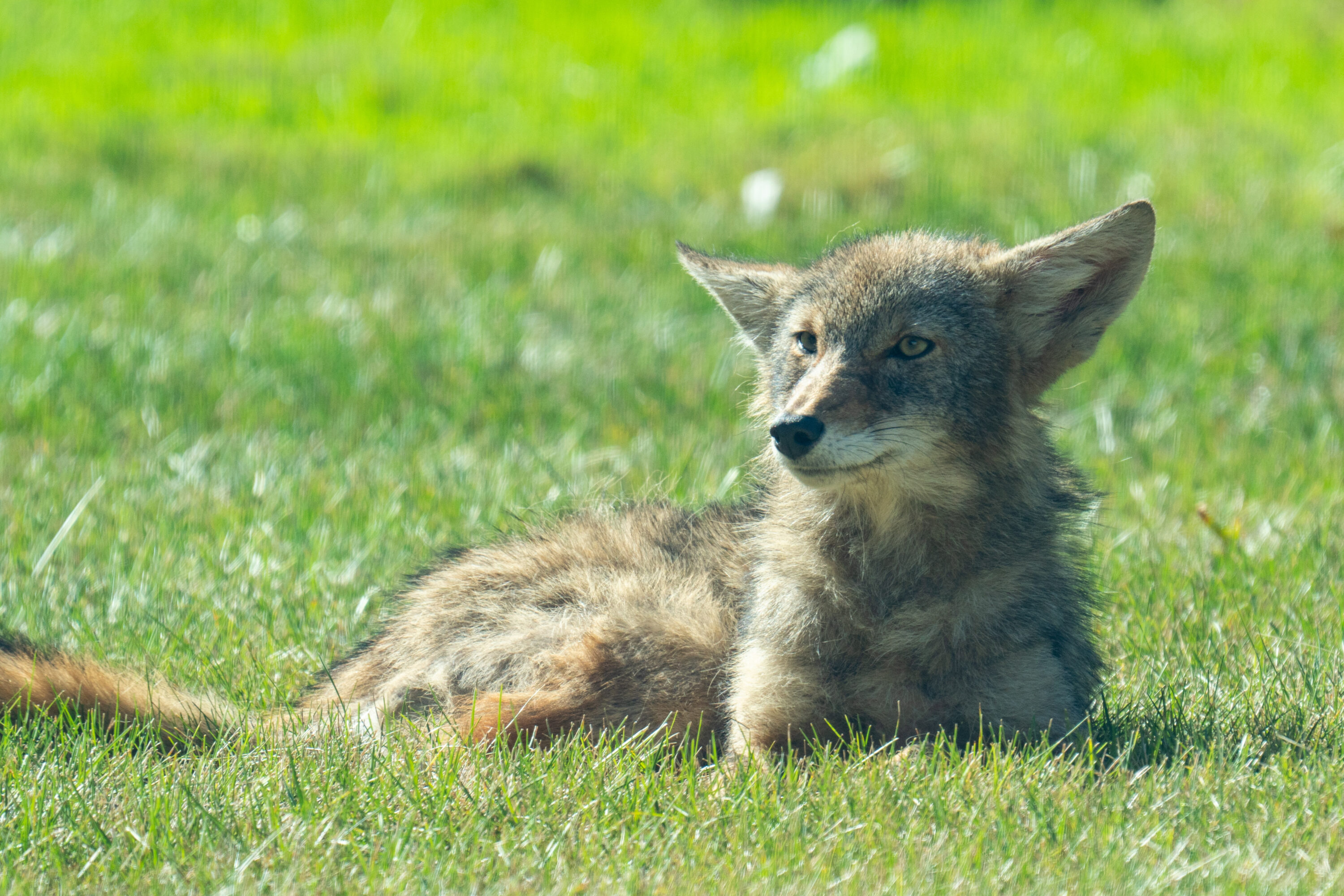
Coyotes Increased Across Illinois Over Four Decades, but County Trends Varied
Four long-running Illinois surveys together showed a statewide coyote increase from 1980–2023, while county-level populations followed more variable…
Read story →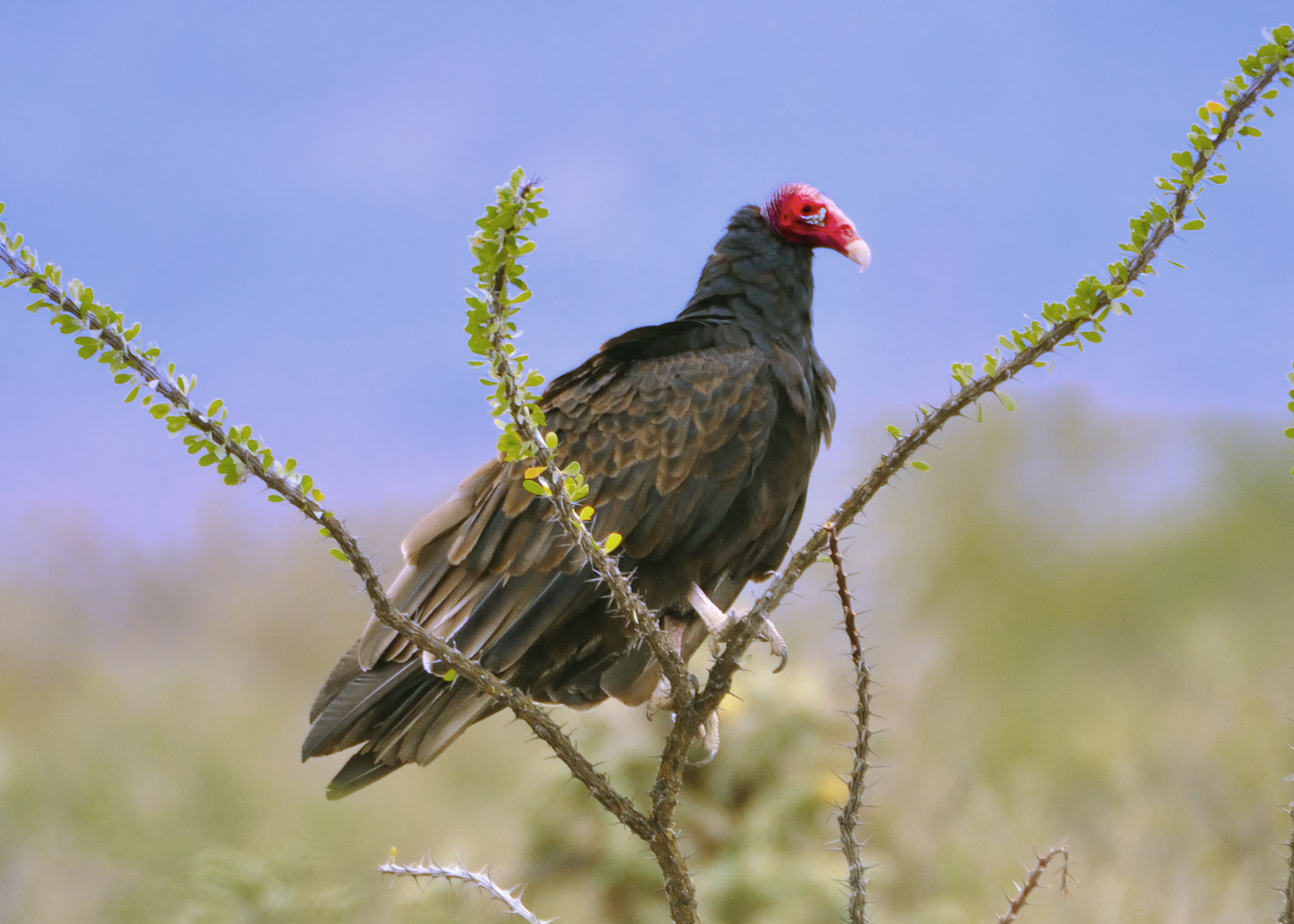
Turkey and Black Vultures Were Found Up to 3,000 Metres in Chiapas but Were Most Common in the Lowlands
A 2026 study from Chiapas found turkey and black vultures across all three surveyed elevation bands up to…
Read story →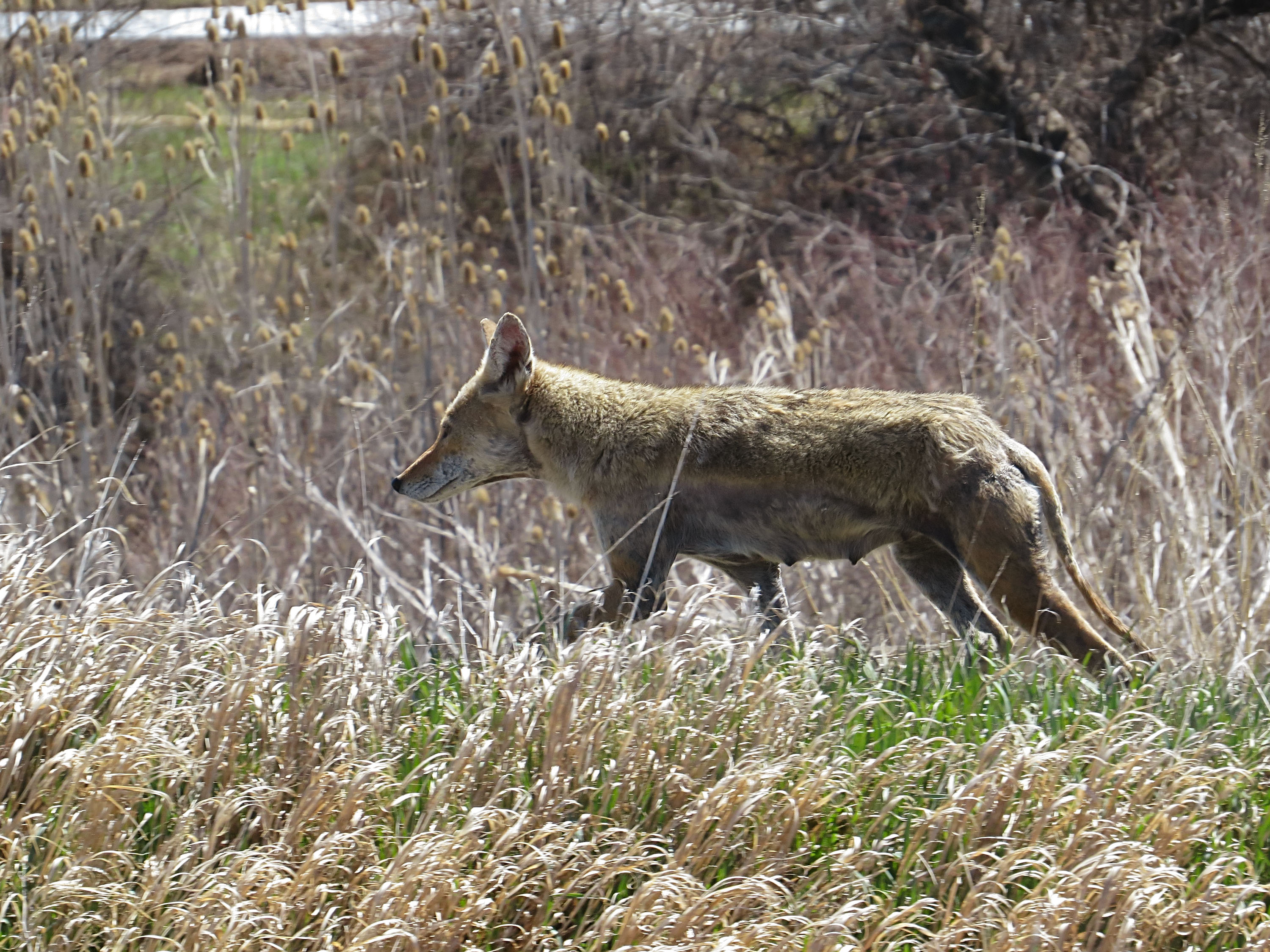
Mange in Coyotes Varied With Urban Density and Habitat Connectivity Across North American Cities
Camera-trap data linked visible mange in coyotes to urban intensity and habitat connectivity at two spatial scales, while…
Read story →SPECIES IN THIS STORY
Species in this story
Independent research and conservation news archive
Did you find this information useful?
Wildlife Vagabond is independently built and maintained. Voluntary support helps cover source verification, hosting and continued work on research and conservation news.
Support Wildlife VagabondThe news archive will remain freely available.