
Sarcocystis Parasites Were Detected in 69% of Pennsylvania Coyotes
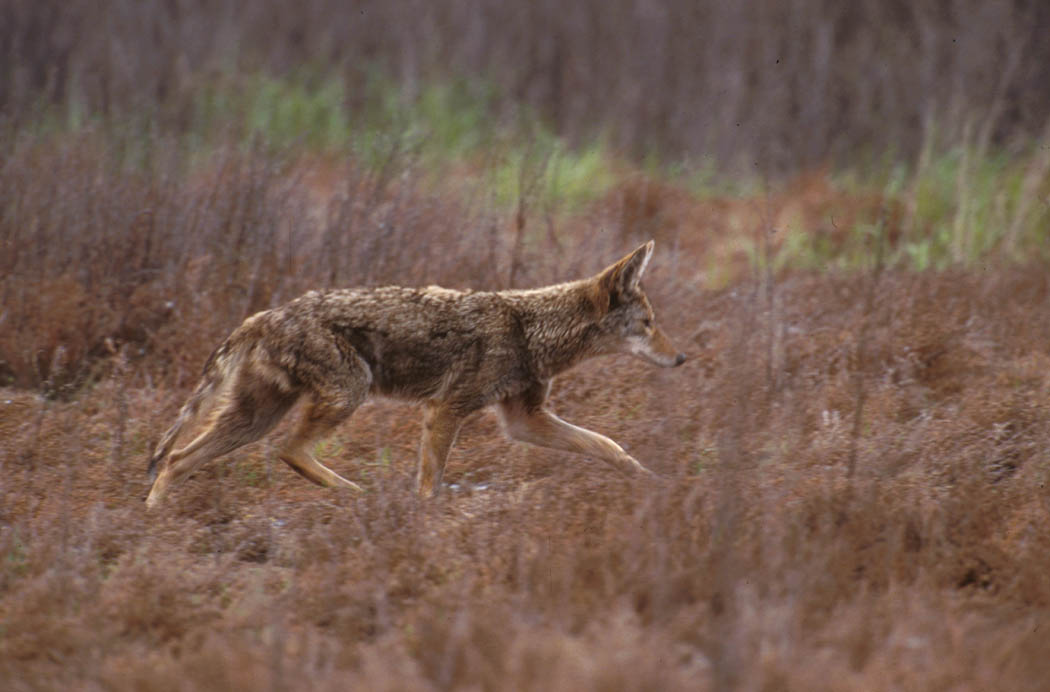
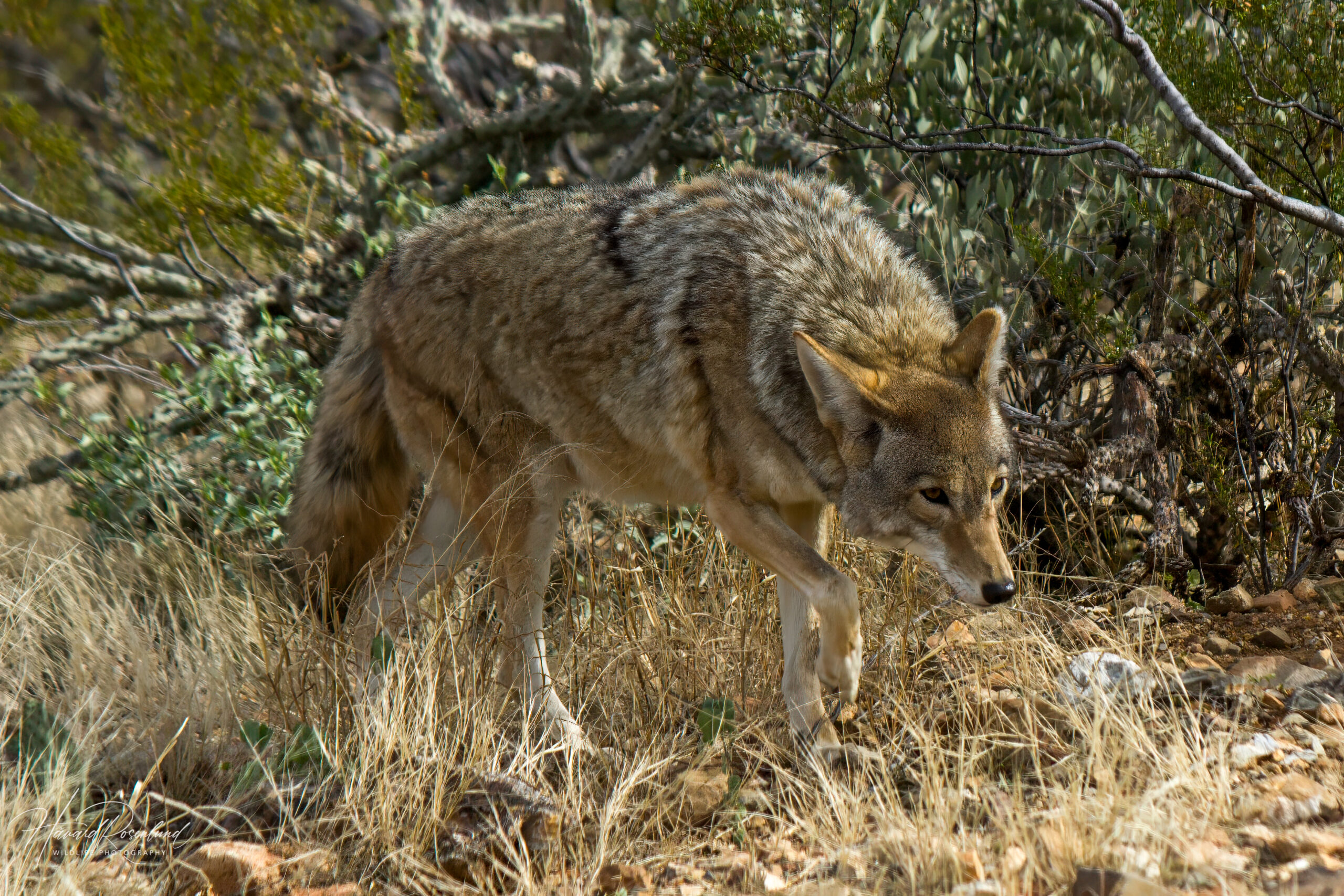
A study of wild canids from Pennsylvania, USA found Sarcocystis sporocysts in the intestines of 18 of 26 coyotes (Canis latrans), or 69.2%. Sarcocystis are microscopic single-celled parasites with life cycles that alternate between definitive carnivore hosts and intermediate prey or livestock hosts. Detecting sporocysts in a canid intestine shows that the animal was serving as a definitive host and could shed parasite stages; it does not by itself show that the coyote was clinically ill. The study was published on 18 June 2026 in Parasites & Vectors.
Sporocysts were found in all three canid species
The researchers examined intestinal material from 40 wild canids collected in Pennsylvania in 2024: 26 coyotes, eight red foxes (Vulpes vulpes) and six gray foxes (Urocyon cinereoargenteus). The animals had been harvested by hunters, allowing the team to analyse intestinal tissue for the parasite stages shed by definitive hosts.
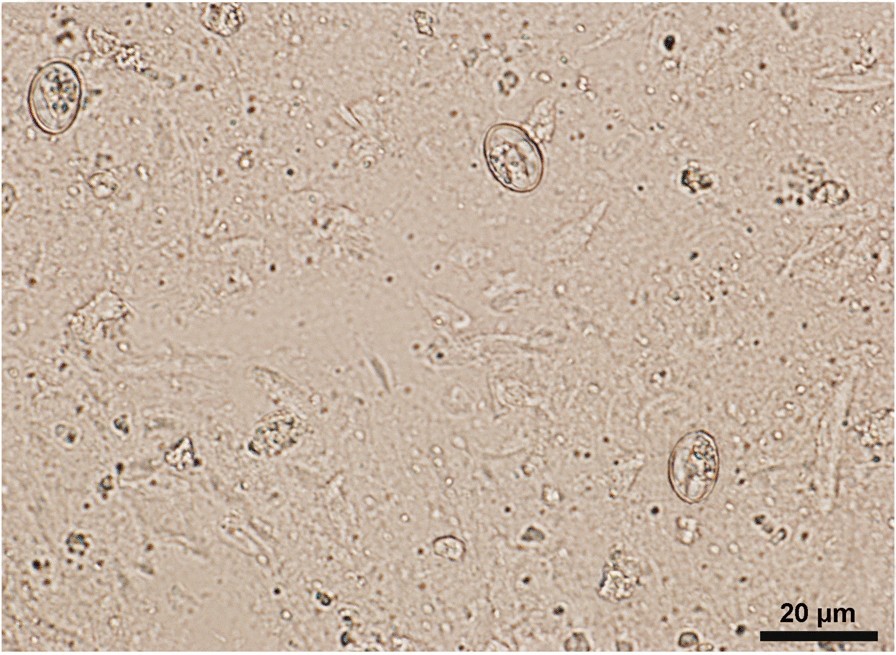
Microscopy detected Sarcocystis sporocysts in 18 coyotes, three red foxes and three gray foxes. DNA amplification succeeded in only a subset of the positive animals — eight coyotes and two red foxes, but no gray foxes — so molecular species identification was limited to those successfully sequenced samples. The researchers used several genetic markers to distinguish parasite lineages where the DNA data were adequate.
DNA analysis revealed several parasite lineages
The molecular analyses supported the presence of multiple Sarcocystis types. These included forms related to Sarcocystis albifronsi, S. gjerdei, S. cristata/S. wenzeli and an undescribed lineage associated with ungulate hosts. The team also identified Sarcocystis cruzi, a parasite that uses cattle as intermediate hosts.
Coyotes and foxes act as definitive hosts in the life cycles of these parasites: sexual reproduction occurs in the canid intestine, and resistant sporocysts are released into the environment. Intermediate hosts become infected after ingesting the parasite stages, completing the cycle when infected tissues are later eaten by a suitable carnivore.
The authors conclude that wild canids in Pennsylvania harbour a diverse assemblage of Sarcocystis species and can contribute to environmental dissemination at the wildlife–livestock interface. The detection of cattle-associated S. cruzi is particularly relevant because infections in livestock can have economic consequences.
By combining microscopy with multi-locus DNA analysis, the study also showed why genetic methods are useful for these parasites: sporocysts from different Sarcocystis species can look very similar under the microscope, making species-level identification difficult from morphology alone.
Disease, parasites & microbiology
Related news
Wild canids had higher intestinal parasite prevalence than pet dogs in Pennsylvania
A 2026 Pennsylvania study using a 20-parasite qPCR panel found the highest overall intestinal parasite prevalence among wild…
Read story →
Similar Mammal Diversity, Different Activity Patterns in Grazed and Ungrazed Areas
Camera traps in four northern Israeli reserves found similar numbers of mammal species with and without livestock grazing.…
Read story →
Wolf Kills Provided Plenty of Food for Red Foxes
Red foxes visited all 26 wolf-killed red deer monitored in Stelvio National Park. The amount of meat left…
Read story →SPECIES IN THIS STORY
Species in this story

Independent research and conservation news archive
Did you find this information useful?
Wildlife Vagabond is independently built and maintained. Voluntary support helps cover source verification, hosting and continued work on research and conservation news.
Support Wildlife VagabondThe news archive will remain freely available.