
Wild canids had higher intestinal parasite prevalence than pet dogs in Pennsylvania
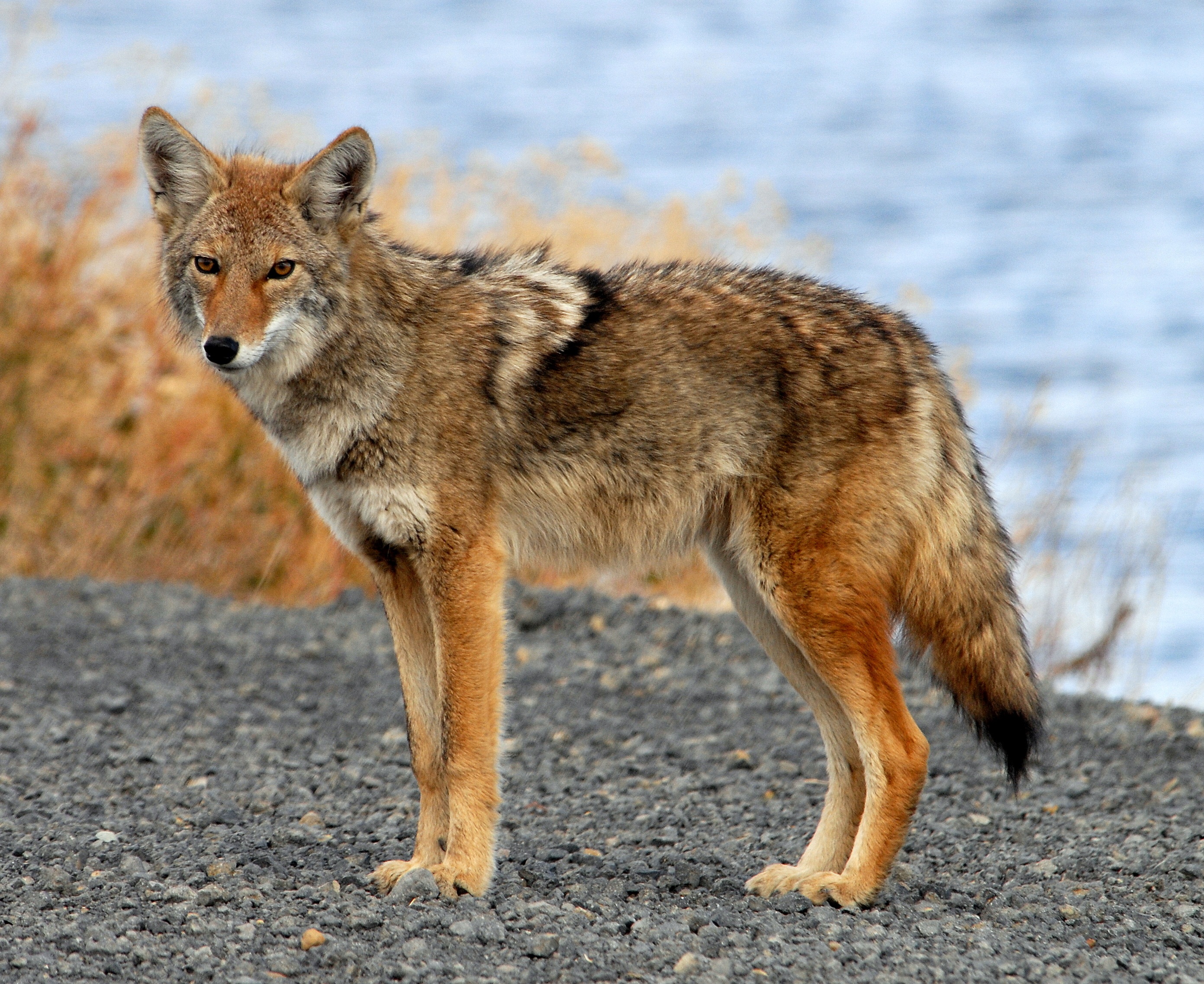
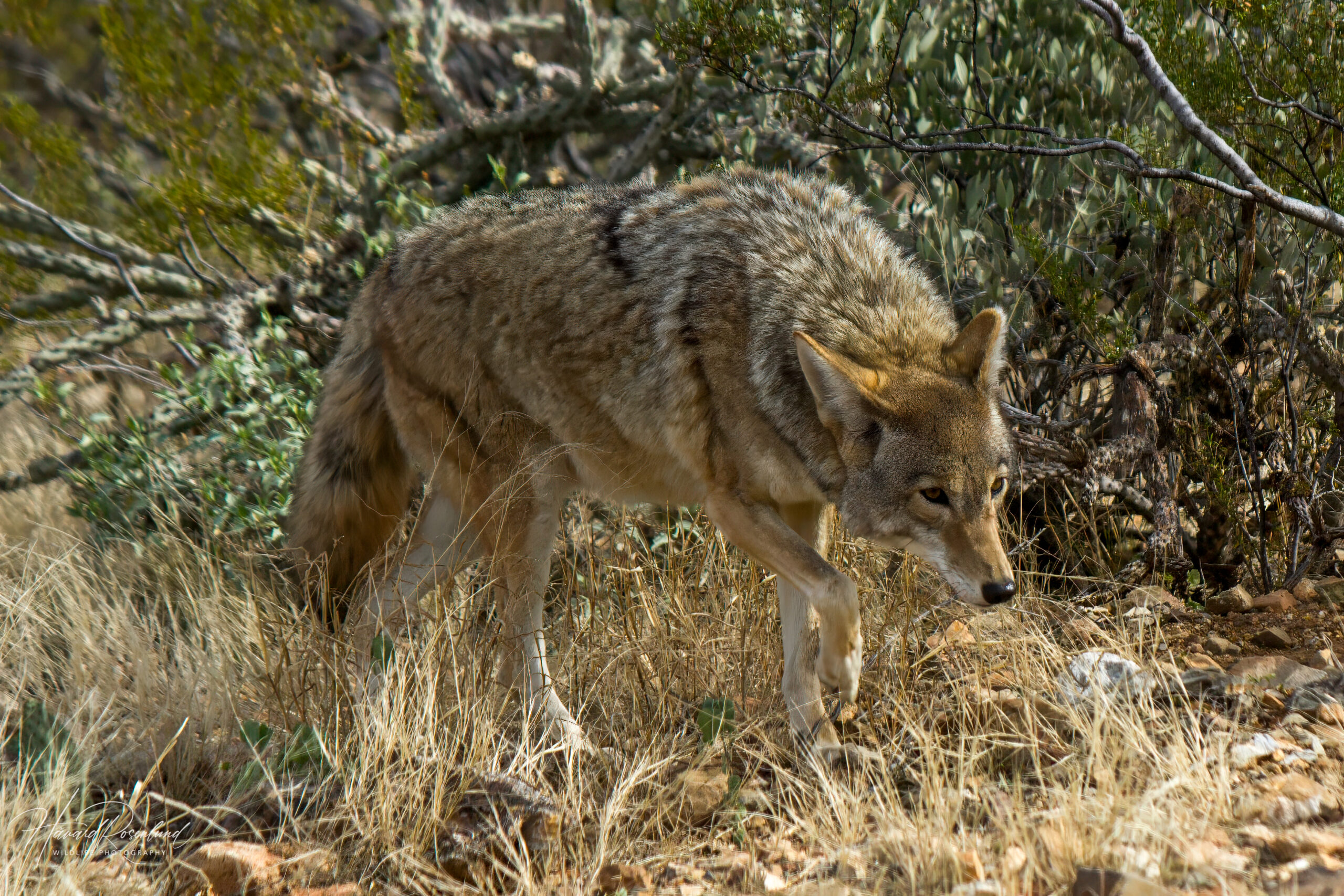
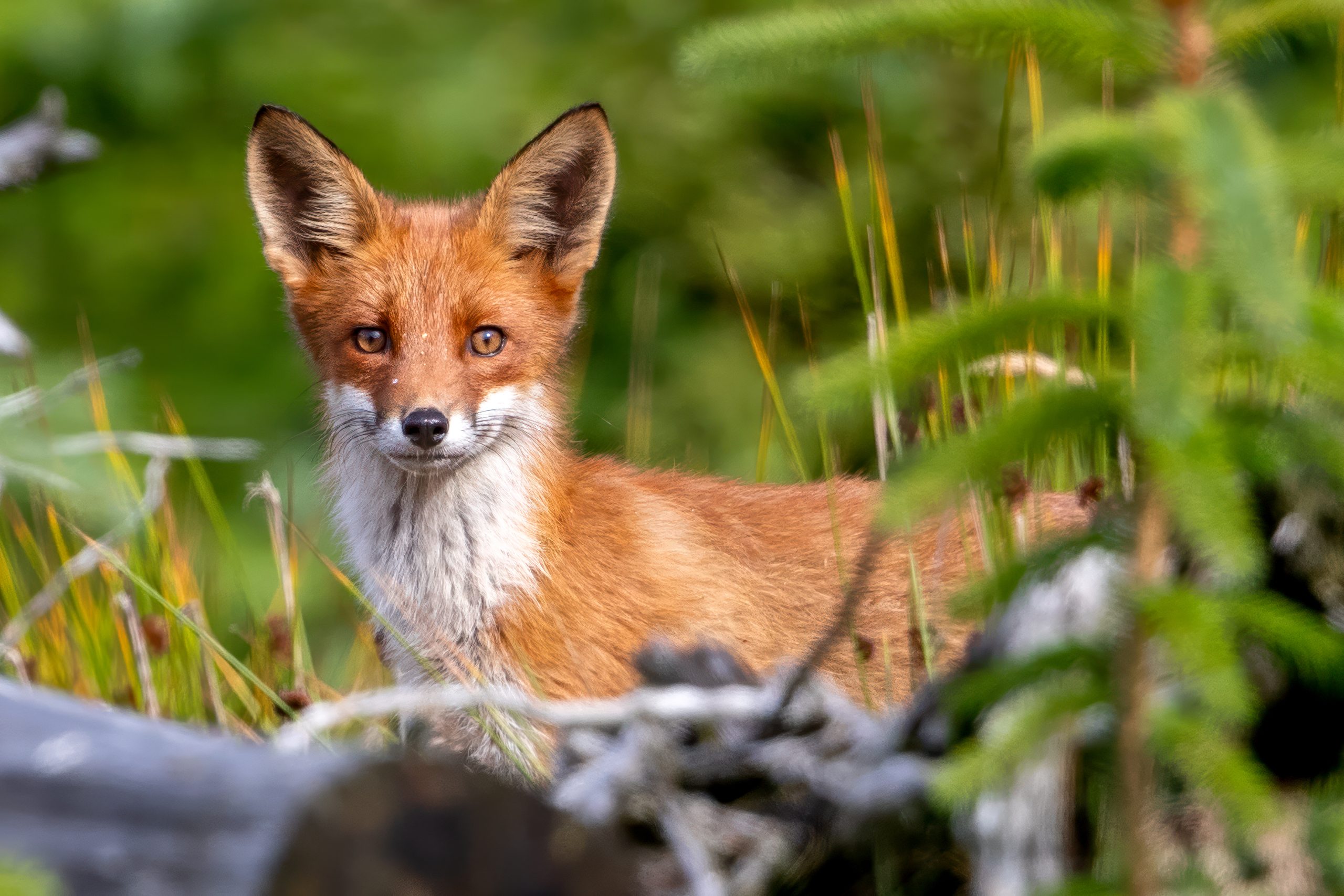
Wild canids in Pennsylvania, USA — including coyotes (Canis latrans) and red foxes (Vulpes vulpes) — had a higher overall prevalence of intestinal parasites than domestic dogs in a study published in 2026 in Veterinary Parasitology: Regional Studies and Reports. The researchers used a multiplex qPCR panel capable of detecting 20 gastrointestinal parasites in a single fecal sample.
The analysis compared 26,981 samples from companion dogs, 59 from hunting dogs and 262 from wild canids collected in Pennsylvania during 2023 and 2024. The wild-canid group consisted of coyotes, red foxes and gray foxes (Urocyon cinereoargenteus).
The comparison matters because these groups encounter different environmental reservoirs and may therefore acquire different parasite communities. Some of the parasites detected by the panel are zoonotic, so mapping their distribution also helps researchers assess transmission risk where wildlife, domestic dogs and people overlap.
Overall parasite prevalence differed significantly among the three groups and was highest in the wild canids.
Hunting dogs also differed from pets: hookworms, whipworms and Eimeria, a genus of single-celled intestinal parasites, were more prevalent in the hunting-dog samples.
The researchers highlight the usefulness of molecular screening because many gastrointestinal parasites are difficult to identify reliably from eggs or other stages using microscopy alone. A broad qPCR panel can detect multiple parasites simultaneously and distinguish organisms that may look similar under a microscope.
Disease, parasites & microbiology
Related news
Sarcocystis Parasites Were Detected in 69% of Pennsylvania Coyotes
A 2026 study detected Sarcocystis sporocysts in 18 of 26 coyotes from Pennsylvania and identified several parasite lineages,…
Read story →
Similar Mammal Diversity, Different Activity Patterns in Grazed and Ungrazed Areas
Camera traps in four northern Israeli reserves found similar numbers of mammal species with and without livestock grazing.…
Read story →
Wolf Kills Provided Plenty of Food for Red Foxes
Red foxes visited all 26 wolf-killed red deer monitored in Stelvio National Park. The amount of meat left…
Read story →SPECIES IN THIS STORY
Species in this story
Independent research and conservation news archive
Did you find this information useful?
Wildlife Vagabond is independently built and maintained. Voluntary support helps cover source verification, hosting and continued work on research and conservation news.
Support Wildlife VagabondThe news archive will remain freely available.