
Cuckoos Use Two Different Strategies to Lay Eggs in Redstart Nests
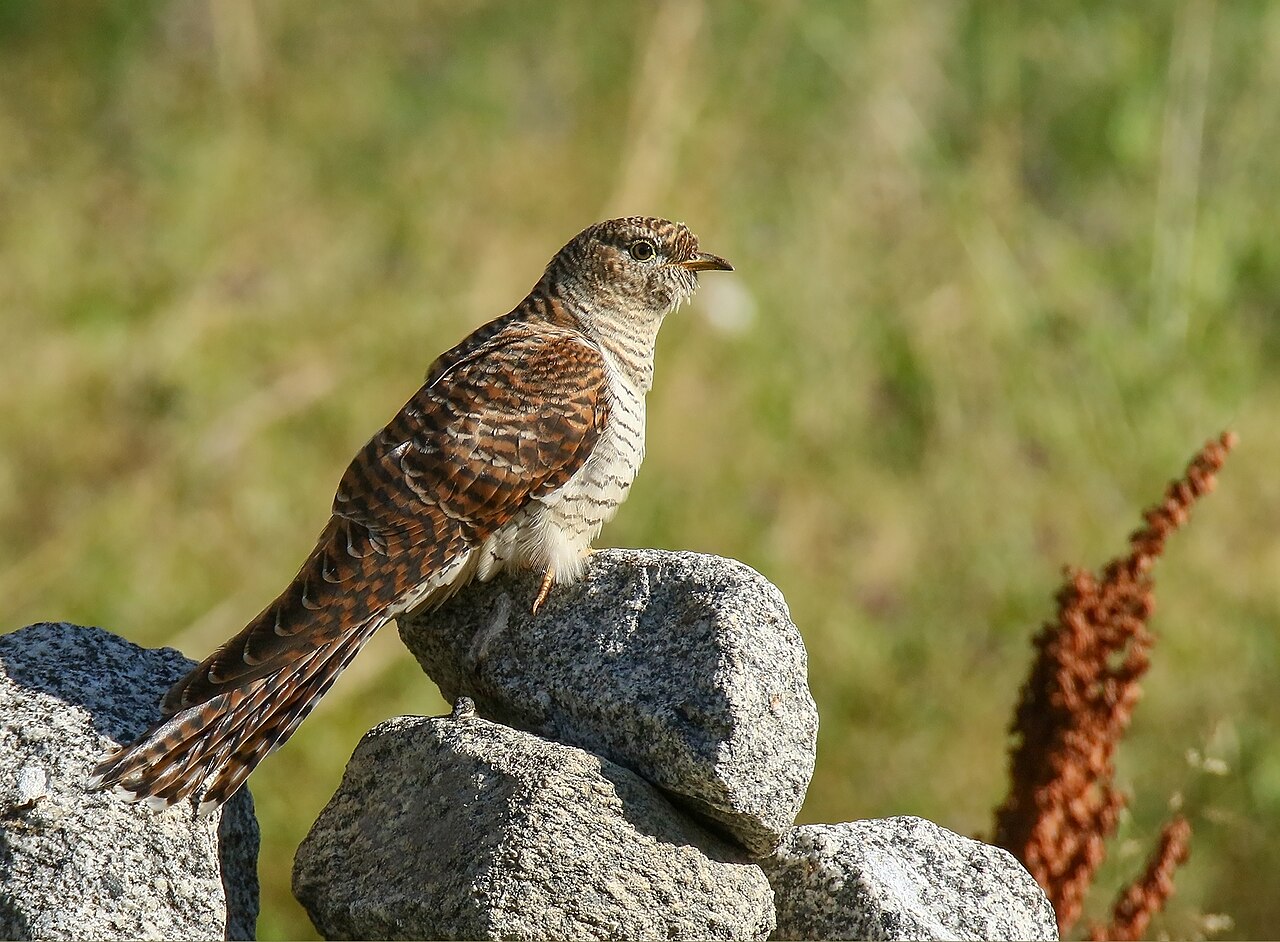
Video monitoring in Finland has provided the first direct evidence that common cuckoos (Cuculus canorus) use two distinct strategies to place their eggs in the cavity nests of common redstarts (Phoenicurus phoenicurus). The finding resolves a question that naturalists have debated for centuries: how does a large cuckoo get an egg into a nest cavity that can be difficult or dangerous for the female to enter?
The researchers followed cuckoo parasitism at two Finnish study sites between 2013 and 2016. They found 330 cuckoo eggs and successfully video-recorded 63 egg-laying events at 53 nest boxes. Every recorded egg-laying event involved one of two clearly different methods.
Most recorded events involved laying from the cavity entrance
About three quarters of the events — 47 of 63 — involved what the researchers call entrance laying. The female remained perched at the cavity entrance and deposited the egg from there rather than entering the box. This avoided the danger of becoming trapped inside and was followed by relatively little nest desertion by the redstarts, but it came with an important cost: eggs were more likely to miss the nest cup.
Entering the cavity was more precise but riskier
In the remaining 16 recorded events, the female entered the cavity and laid directly into the redstart’s nest cup. This method produced higher reproductive success because the egg was placed where it needed to be, but it was also riskier. Direct laying was associated with a greater chance that the host would desert the nest, and a cuckoo entering a confined cavity also risked getting stuck.
The two strategies therefore represent a genuine trade-off rather than one correct and one failed way of laying. Entrance laying is physically safer for the cuckoo but less precise, while direct laying is more effective at placing the egg but exposes the female and her reproductive attempt to greater risks.
The authors describe this as the first direct evidence that brood-parasitic cuckoos use alternative egg-deposition modes. Their analysis quantifies the costs, benefits and constraints of the two strategies and shows how the cavity-nesting behaviour of the host can shape the physical tactics used by the parasite.
Behaviour
Related news

Egg Rejection Did Not Clearly Increase After Cuckoo Arrival in Two Host Species
Grey bushchats and Siberian stonechats showed no clear increase in foreign-egg rejection after common cuckoos arrived. The result…
Read story →
Models Highlighted Iberian Mountains and the Po Watershed as Key Stopover Regions for UK Common Cuckoos
Models based on satellite tracks from 88 UK-breeding male common cuckoos highlighted Iberian mountain ranges and the Po…
Read story →
89% of Recorded Common Cuckoo Egg-laying at Great Reed Warbler Nests Occurred After 14:00
Across five breeding seasons in the Czech Republic, video documented 200 Common Cuckoo egg-laying events at 132 Great…
Read story →SPECIES IN THIS STORY
Species in this story


Independent research and conservation news archive
Did you find this information useful?
Wildlife Vagabond is independently built and maintained. Voluntary support helps cover source verification, hosting and continued work on research and conservation news.
Support Wildlife VagabondThe news archive will remain freely available.