
Czech Project Aims to Remove Europe’s Only Known Non-Native Breeding Population of Oriental Turtle Doves
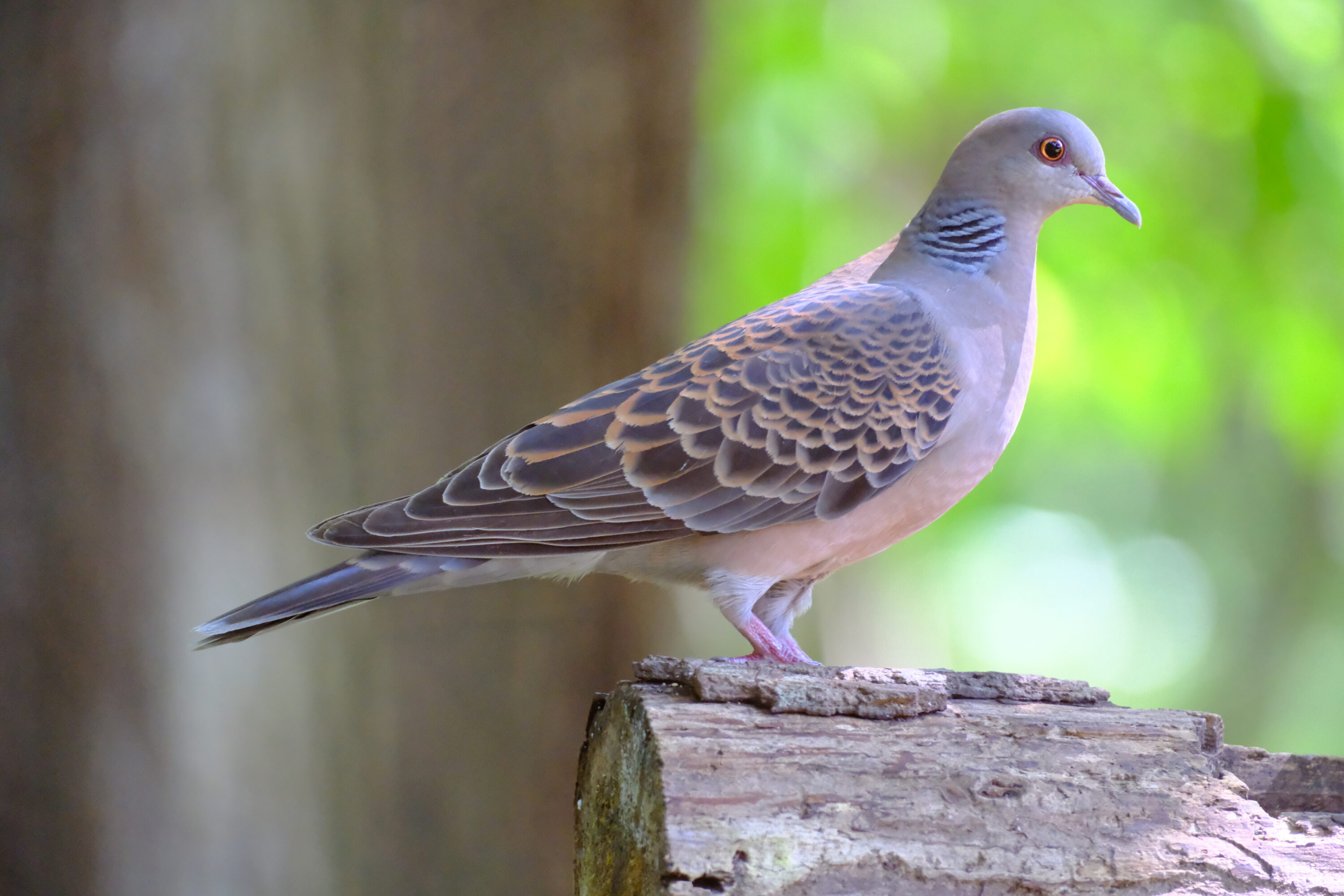
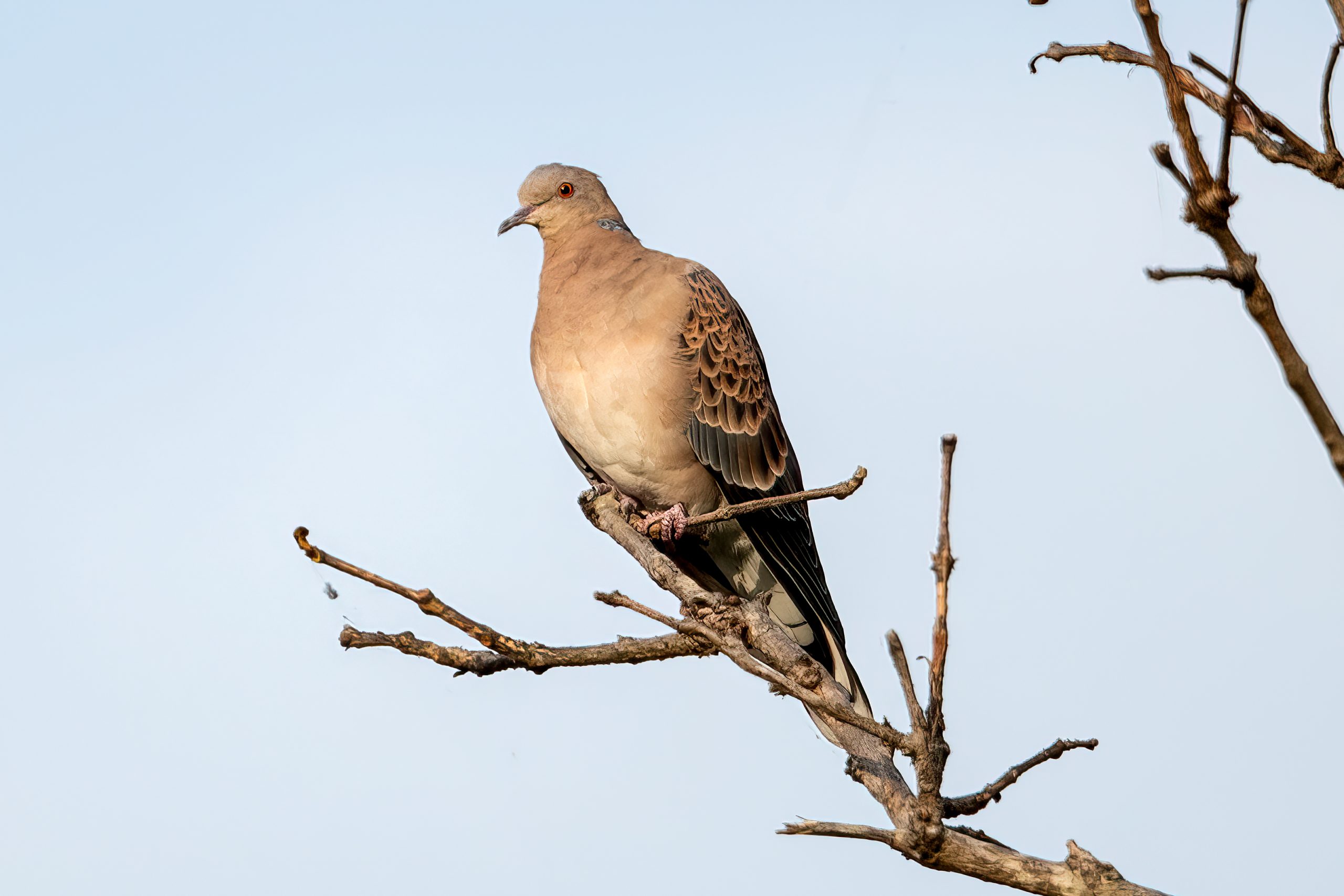
A rapid-response conservation project in Czechia is aiming to remove the only confirmed non-native breeding population of Oriental Turtle Doves (Streptopelia orientalis) in Europe. IUCN announced the first cohort of projects supported by its European Invasive Alien Species Rapid-Response Fund on 13 August 2026, including the Oriental Turtle Dove project around the Nové Mlýny Reservoirs.
A small introduced population has persisted since 2012
The species is native to East Asia but has been recorded around Nové Mlýny since 2012. Early observations of ringed birds confirmed an origin from captive or introduced individuals. Continued monitoring has since documented a growing number of birds and repeated breeding attempts, and IUCN describes the population as small but established in the wild.
The project is being implemented by the South Moravian Branch of the Czech Society for Ornithology. Its objective is to remove the population before it spreads farther. Planned work includes systematic monitoring of communal roosts and breeding and non-breeding sites, preparation of baited fixed traps, use of ornithological mist nets and humane removal of captured birds in line with approved veterinary procedures. If trapping is insufficient, authorised shooting can be used in accordance with national legislation and animal-welfare requirements.
The project aims to prevent risks before impacts are demonstrated
IUCN identifies the Oriental Turtle Dove as a non-native species with invasive potential at this site. The project is particularly concerned about possible competition, hybridisation and other ecological interactions with the native European Turtle Dove (Streptopelia turtur), whose European populations have undergone marked declines. These are risks the project aims to prevent rather than ecological impacts already demonstrated at Nové Mlýny.
Management
Related news
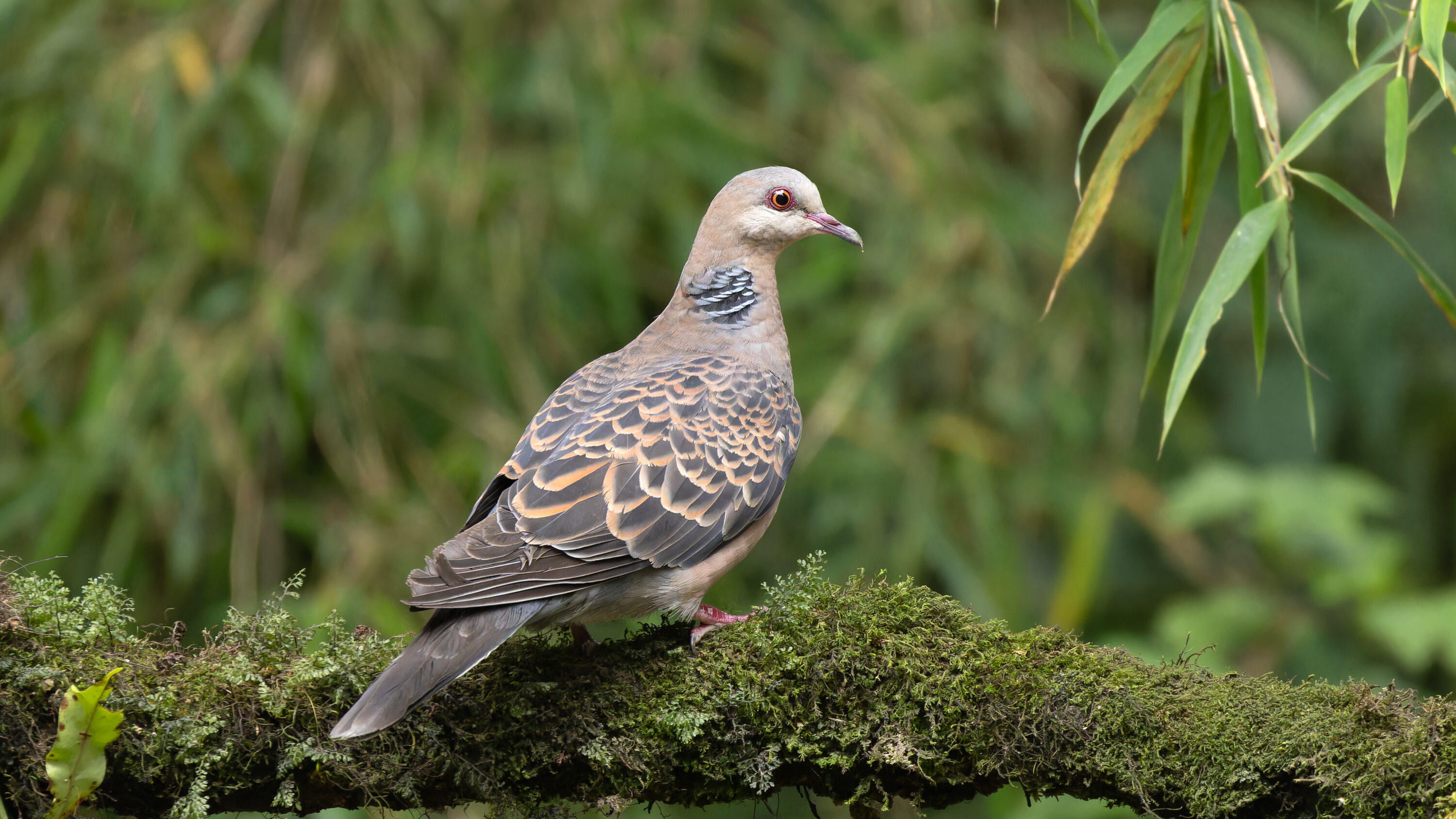
Maharashtra’s Current Oriental Turtle Dove Trend Was Estimated at −4.3% per Year
The 2025 State of India’s Birds update estimated a −4.3% current annual trend for oriental turtle dove in…
Read story →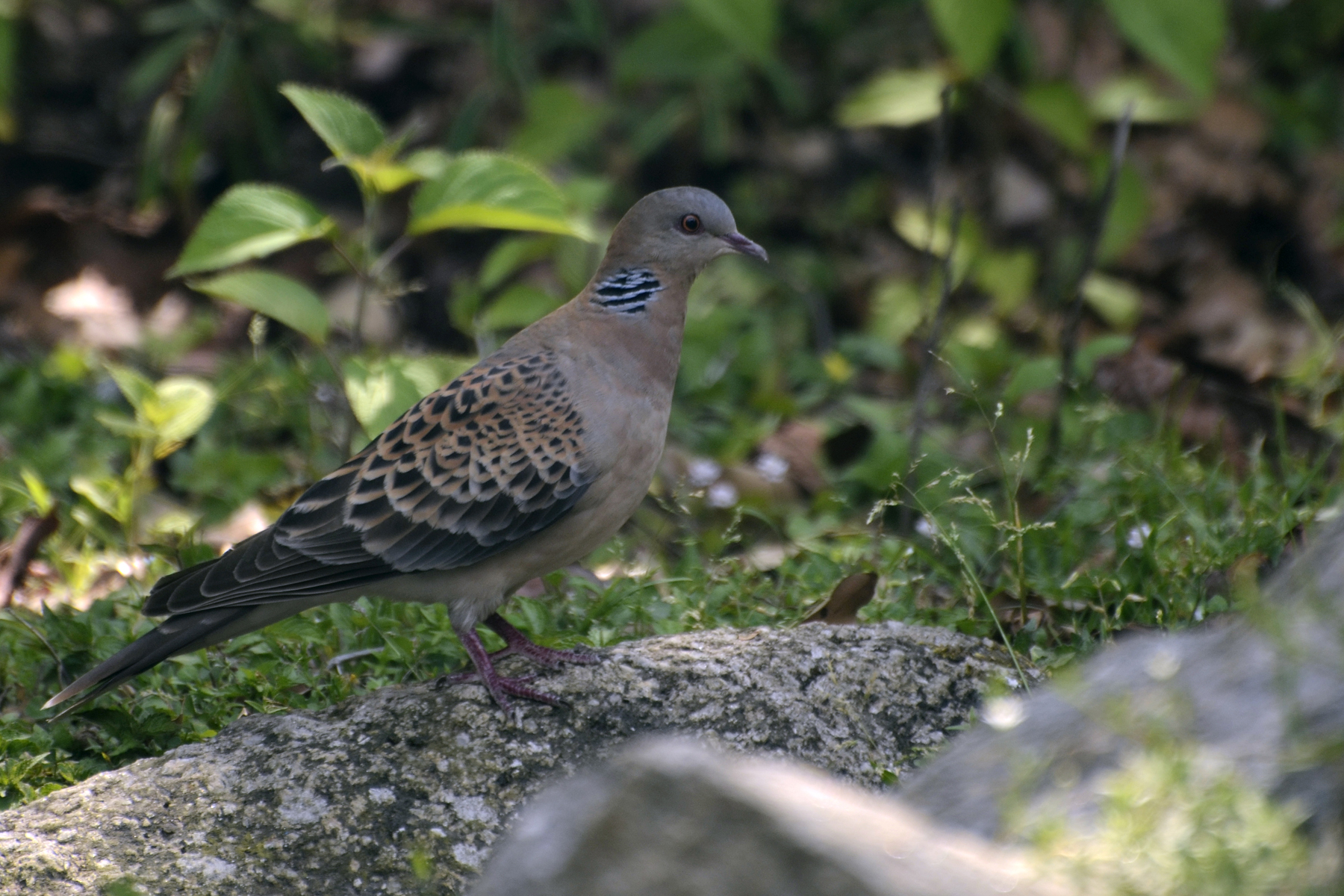
Gut Bacterial Profiles Differed Among Three Bird Species Near Harbin
A study of 27 wild birds near Harbin found species-specific differences in gut bacteria among Oriental turtle doves,…
Read story →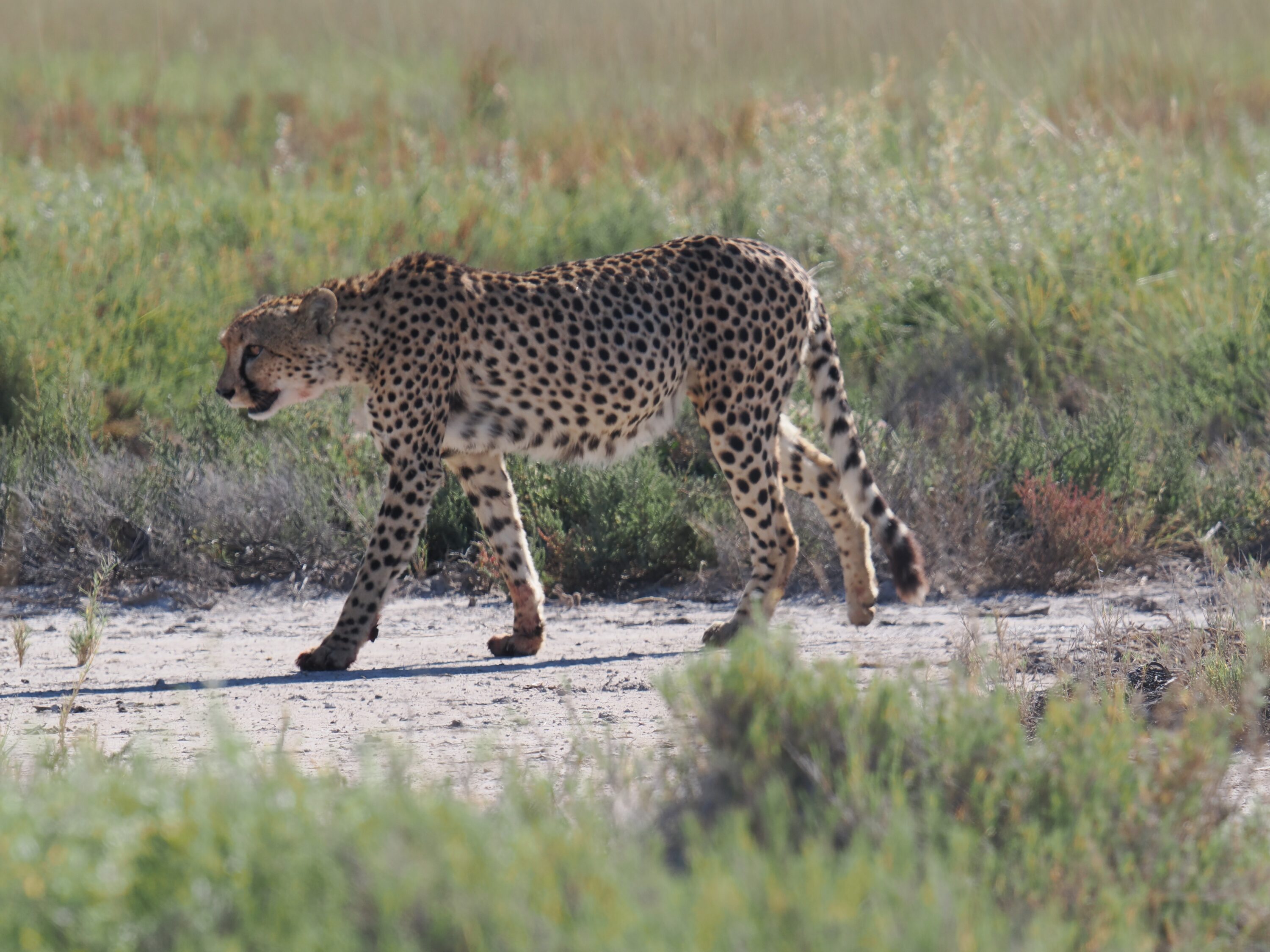
India’s Cheetah Project Sparked Debate Over Deaths, Transparency and Whose Expertise Counted
A review of 28 documents about Project Cheetah in India found sharply different accounts of its conservation goals,…
Read story →SPECIES IN THIS STORY
Species in this story
Independent research and conservation news archive
Did you find this information useful?
Wildlife Vagabond is independently built and maintained. Voluntary support helps cover source verification, hosting and continued work on research and conservation news.
Support Wildlife VagabondThe news archive will remain freely available.