
Decades of Reindeer Exclusion Raised Lichen Biomass 4.5-fold and Changed Soil Carbon
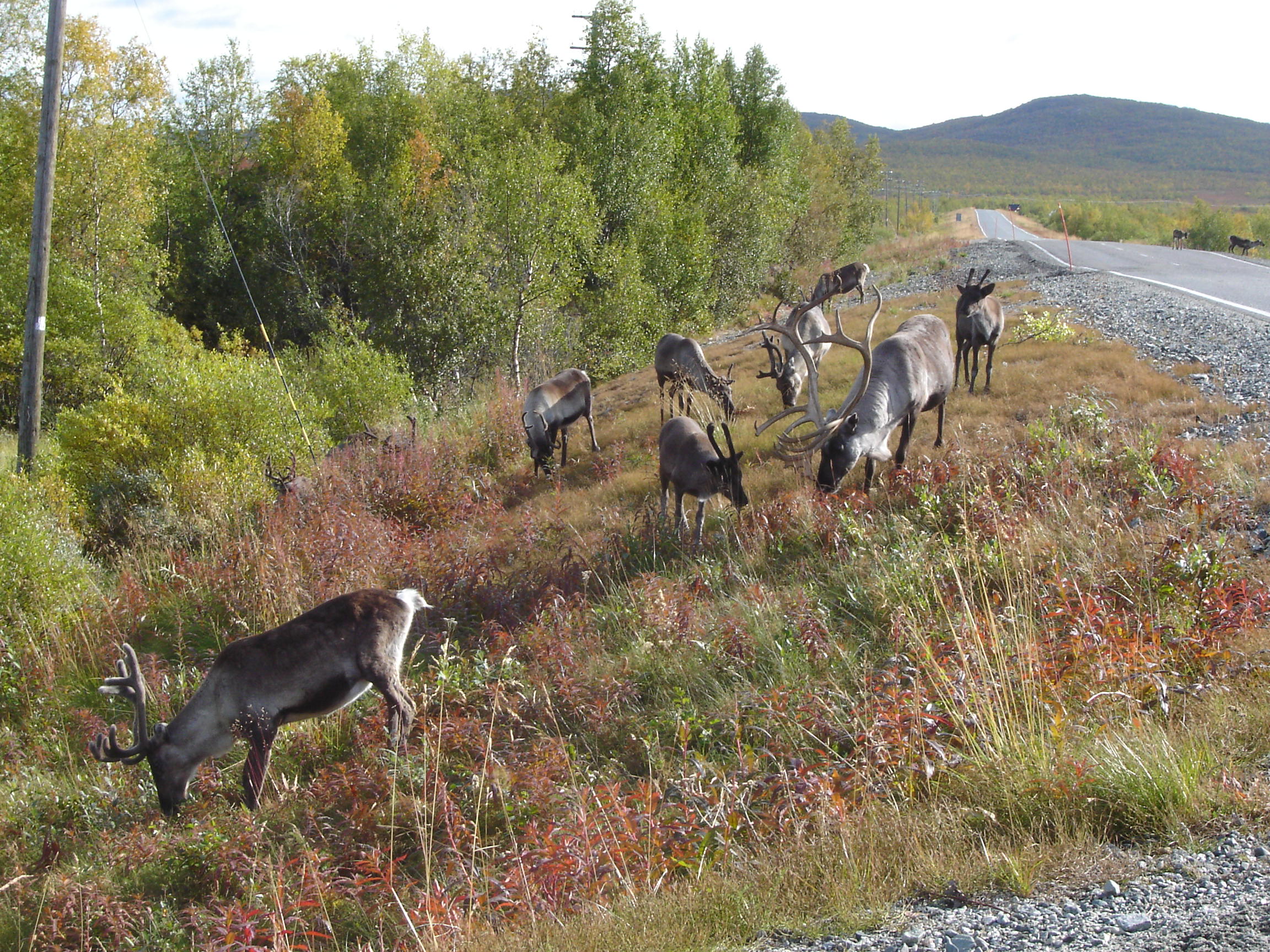
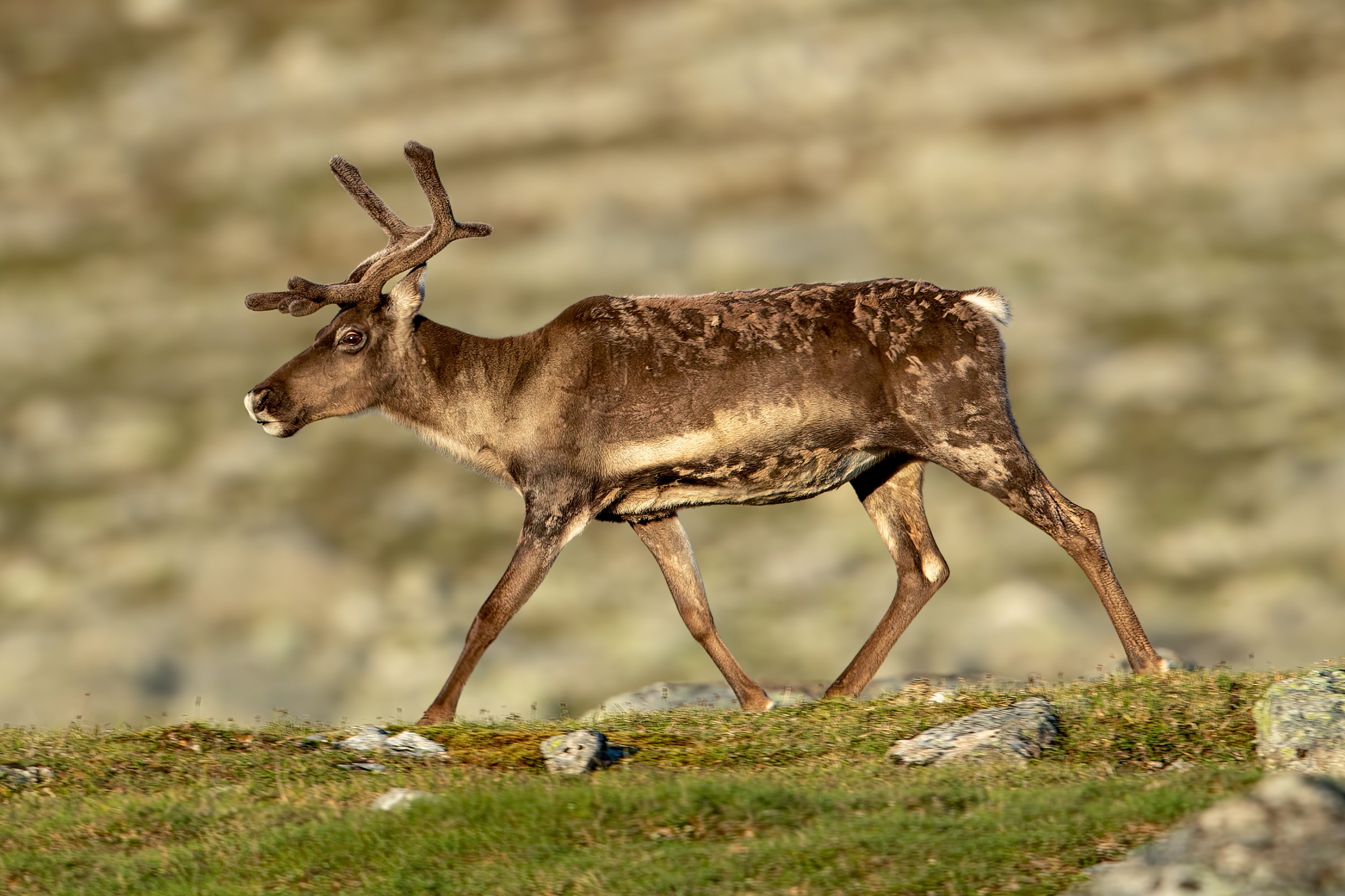
More than five decades without grazing by semi-domesticated reindeer (Rangifer tarandus) transformed vegetation, soil microclimate and organic carbon in dry pine forests in northern Finland, according to a study published on 18 August 2026. Researchers compared long-term reindeer exclosures with neighbouring grazed plots at Kätkäsuvanto, Angeli and Raja-Jooseppi.
Exclusion transformed vegetation and soil microclimate
Lichen biomass inside the exclosures was 4.5 times higher, while dwarf-shrub biomass was almost twice as high as in grazed areas. The denser vegetation was associated with 33% higher soil moisture and summer soil temperatures that were 0.8 °C lower at 10 cm depth.
More carbon was stored, but it was less processed
The organic soil layer contained an average of 28% more carbon inside the exclosures, although uncertainty around this total difference was greater than for several of the measured changes in carbon composition. O-alkyl carbon—a carbohydrate-rich fraction typical of less decomposed organic matter—was 9.5% higher inside the exclosures, while several more processed carbon fractions were lower than in grazed soils.
The authors interpret the carbon composition as a younger and more readily decomposable pool of organic matter in the ungrazed plots. They conclude that long-term reindeer exclusion increased carbon inputs through greater plant biomass and changed the soil microclimate, altering both the amount and chemical composition of carbon stored in the forest floor. Because the study concerns managed, semi-domesticated reindeer, the authors caution that ecosystem effects may differ from those of wild reindeer populations.
Ecology
Related news
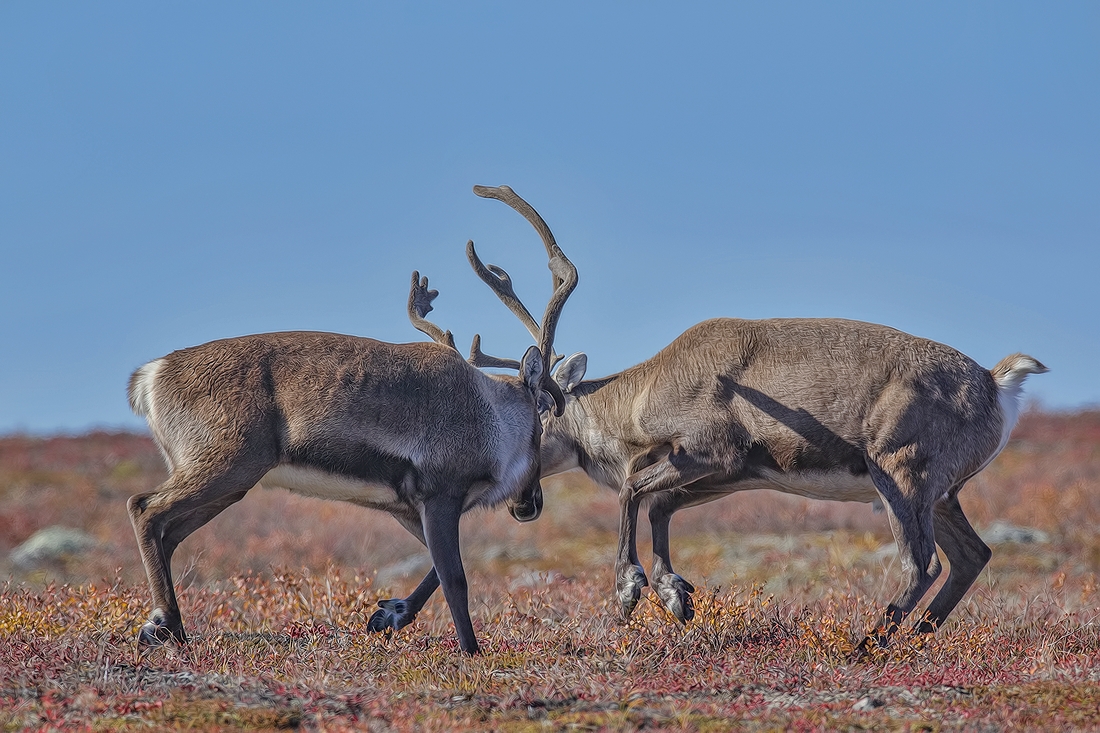
Inuit harvesters help detect an emerging parasitic disease in Arctic caribou
Near Kugluktuk in Nunavut, Inuit harvesters reported unusual tissue changes in caribou. Tests found DNA from two parasitic…
Read story →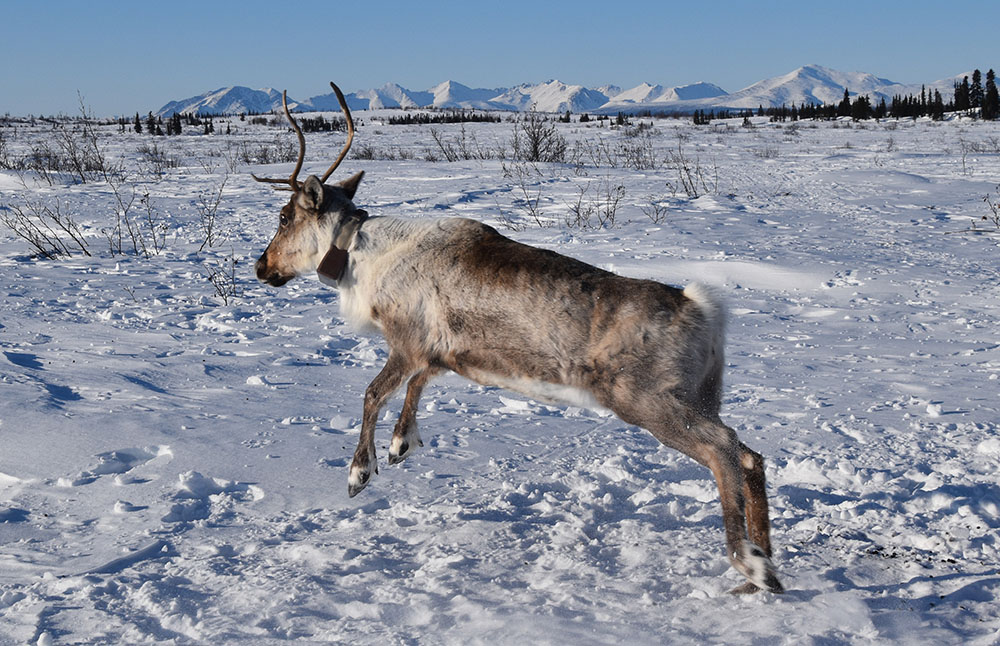
Video Collars Showed GPS Methods Were Only About 70% Accurate at Detecting Caribou Calving
Video collars from 160 adult females in the Porcupine and Western Arctic herds showed that two GPS movement…
Read story →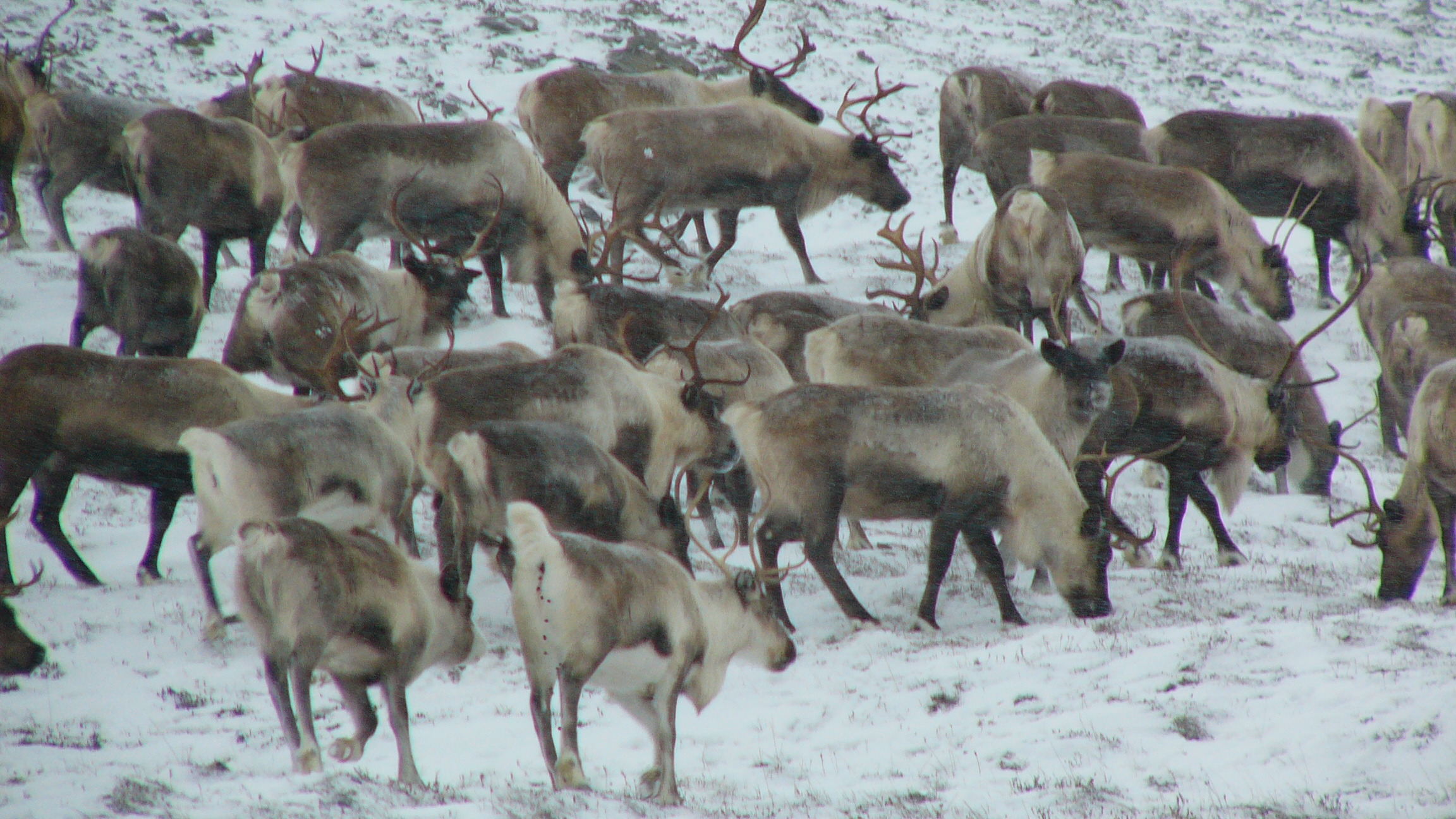
Reindeer and Caribou Showed Broad Genetic Differences Across Russia, Alaska and Canada
Microsatellite data from 1,544 reindeer and caribou in 42 populations showed broad genetic differentiation among Russia, Alaska and…
Read story →SPECIES IN THIS STORY
Species in this story
Independent research and conservation news archive
Did you find this information useful?
Wildlife Vagabond is independently built and maintained. Voluntary support helps cover source verification, hosting and continued work on research and conservation news.
Support Wildlife VagabondThe news archive will remain freely available.