
Deeper Nest Tunnels Were Linked to Larger Clutches; Higher Nests Were More Likely to Succeed in Asian Green Bee-eaters
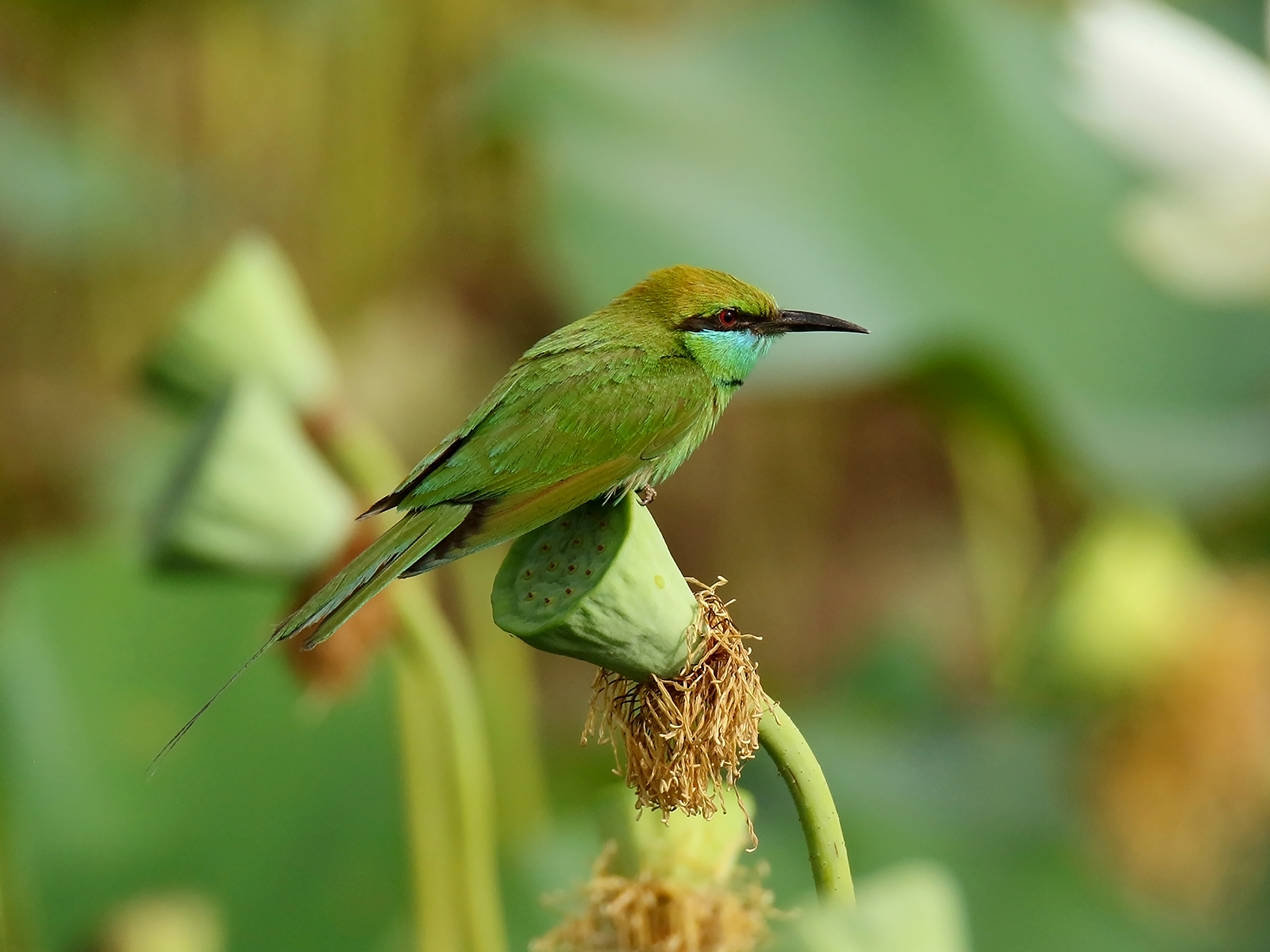
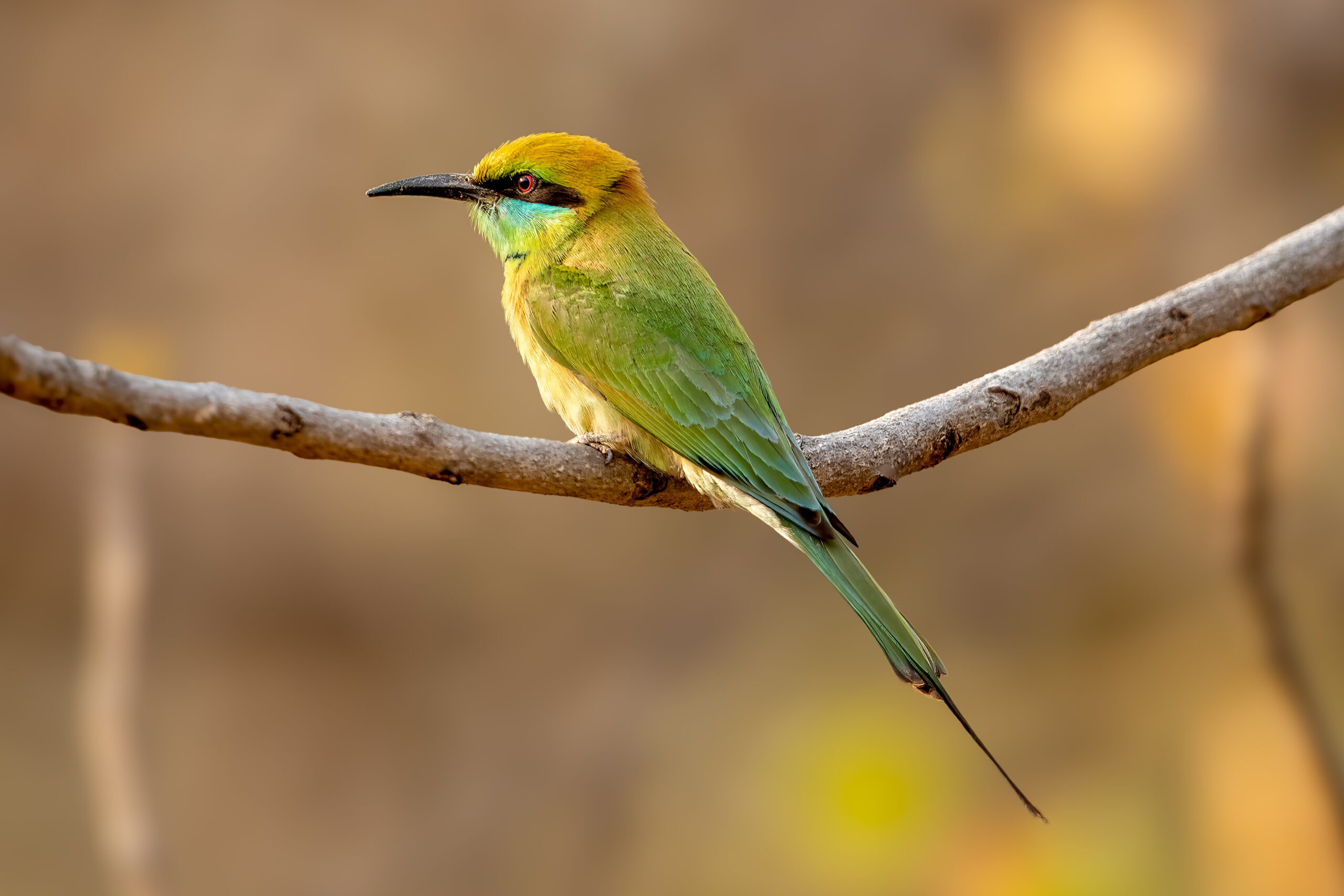
A field study of Asian green bee-eaters (Merops orientalis) at Ballar Stream in Pakistan’s Mardan District found two clear relationships between nest architecture and reproduction: deeper burrows were associated with larger clutches, while nests placed higher on the bank were more likely to succeed. Researchers followed 38 natural nests during the 2024 breeding season.
Along about 10 km of stream bank, the team measured tunnel depth, entrance size and nest height, recorded distances to nearby grassland, farmland, towns and electrical infrastructure, and followed eggs and chicks through the breeding attempt. The aim was to test whether nest structure or the surrounding landscape was more closely related to clutch size and breeding success.
Deeper tunnels were linked to larger clutches
The nests averaged about 87 cm deep and contained 3.9 eggs on average. Clutch size increased with tunnel depth, whereas entrance diameter and nest height were not clearly related to how many eggs were laid.
Nest height mattered for a different outcome. Nests placed higher on the bank had a greater probability of breeding successfully, while broader measures of cavity size showed only weaker evidence of a relationship. The measured distances to grassland, farmland, towns and power lines also showed only weak relationships with breeding outcomes.
The study therefore points to the nest itself — particularly tunnel depth and vertical placement — as more informative for reproduction than the surrounding landscape variables measured here. Across the monitored nests, hatching success was 77.5%, and about half of the chicks reached fledging age.
The proposed mechanisms remain hypotheses
The authors suggest that deeper tunnels could provide a more stable microclimate or make nests harder for predators to reach. Higher nests may likewise be less accessible to terrestrial predators and less exposed to human disturbance. These explanations are biologically plausible interpretations offered by the authors, but the study did not directly test which mechanism caused the observed relationships.
All recorded nests were excavated in sandy stream banks. The authors therefore emphasise the value of retaining suitable sandy or earthen nesting banks and reducing disturbance around active nesting areas. They also caution that the study covered one stream system and one breeding season, so the same relationships should be tested at additional sites and across more years.
Reproduction & development
Related news
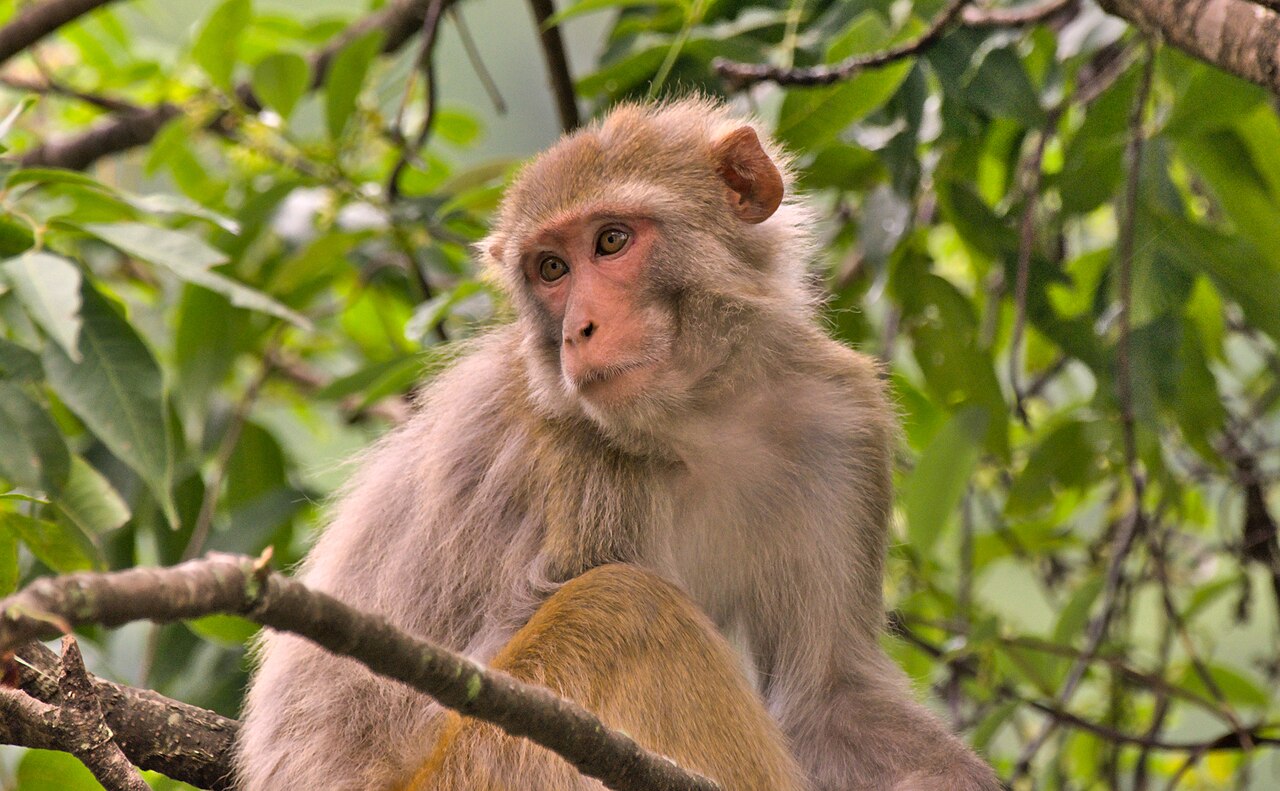
Female Rhesus Macaques That Watched Unfamiliar Female Faces Longer Were More Likely to Have Offspring the Following Year
At a semi-free-ranging population in Puerto Rico, females that spent longer looking at an unfamiliar female’s neutral face…
Read story →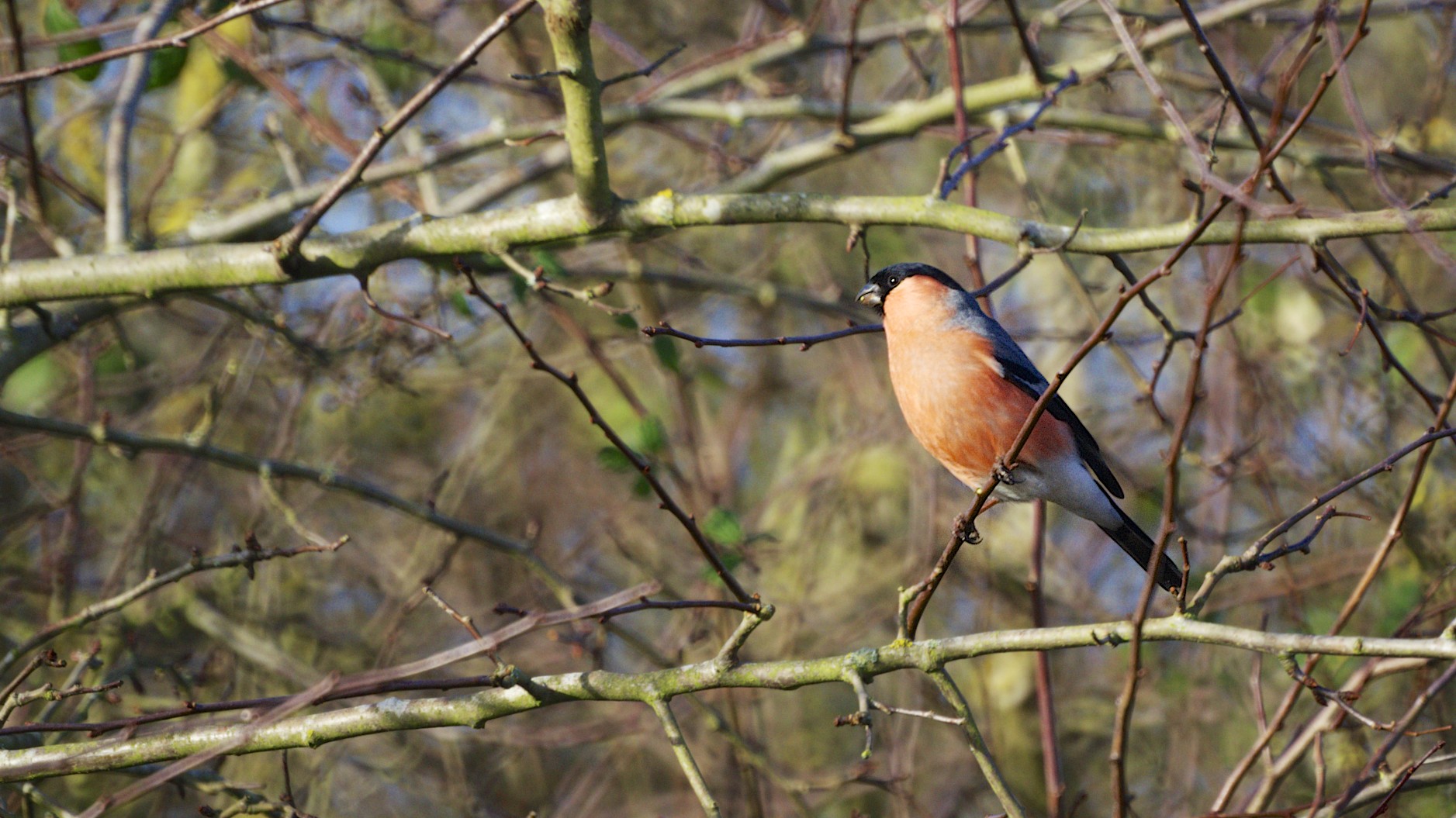
51 Years of Bullfinch Monitoring Revealed Decline, Male Bias and Age-Matched Pairs
A 51-year study in Treswell Wood, England, recorded a strong Eurasian Bullfinch decline. Among 2,065 ringed birds, males…
Read story →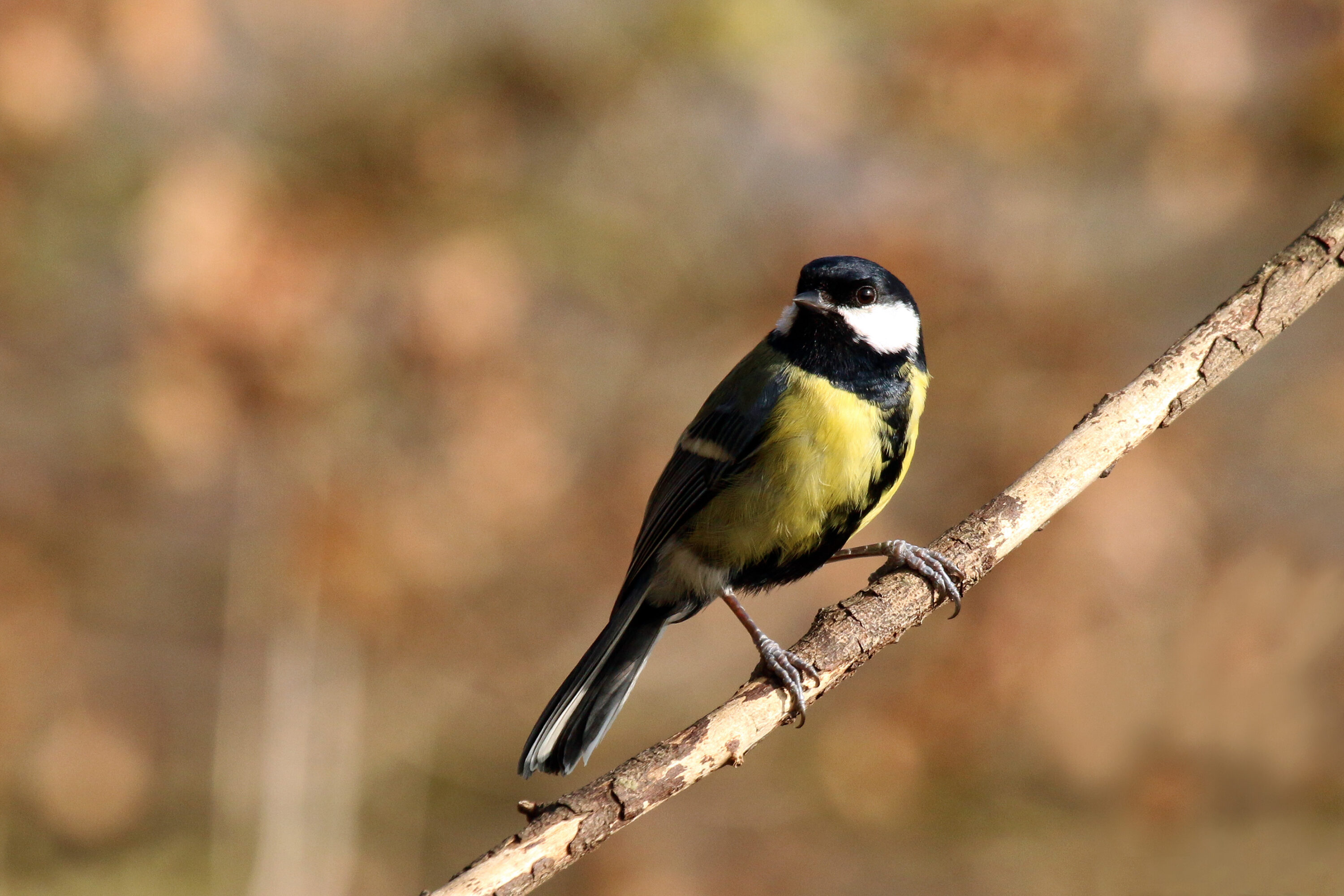
Great tits’ temperature-related hormone responses did not predict breeding success
Over nine years, wild great tits differed in both average corticosterone levels and their hormonal response to temperature.…
Read story →SPECIES IN THIS STORY
Species in this story
Independent research and conservation news archive
Did you find this information useful?
Wildlife Vagabond is independently built and maintained. Voluntary support helps cover source verification, hosting and continued work on research and conservation news.
Support Wildlife VagabondThe news archive will remain freely available.