
Great Tits Became About 5% Lighter Over 47 Years, With Early-Life Competition Linked to the Change
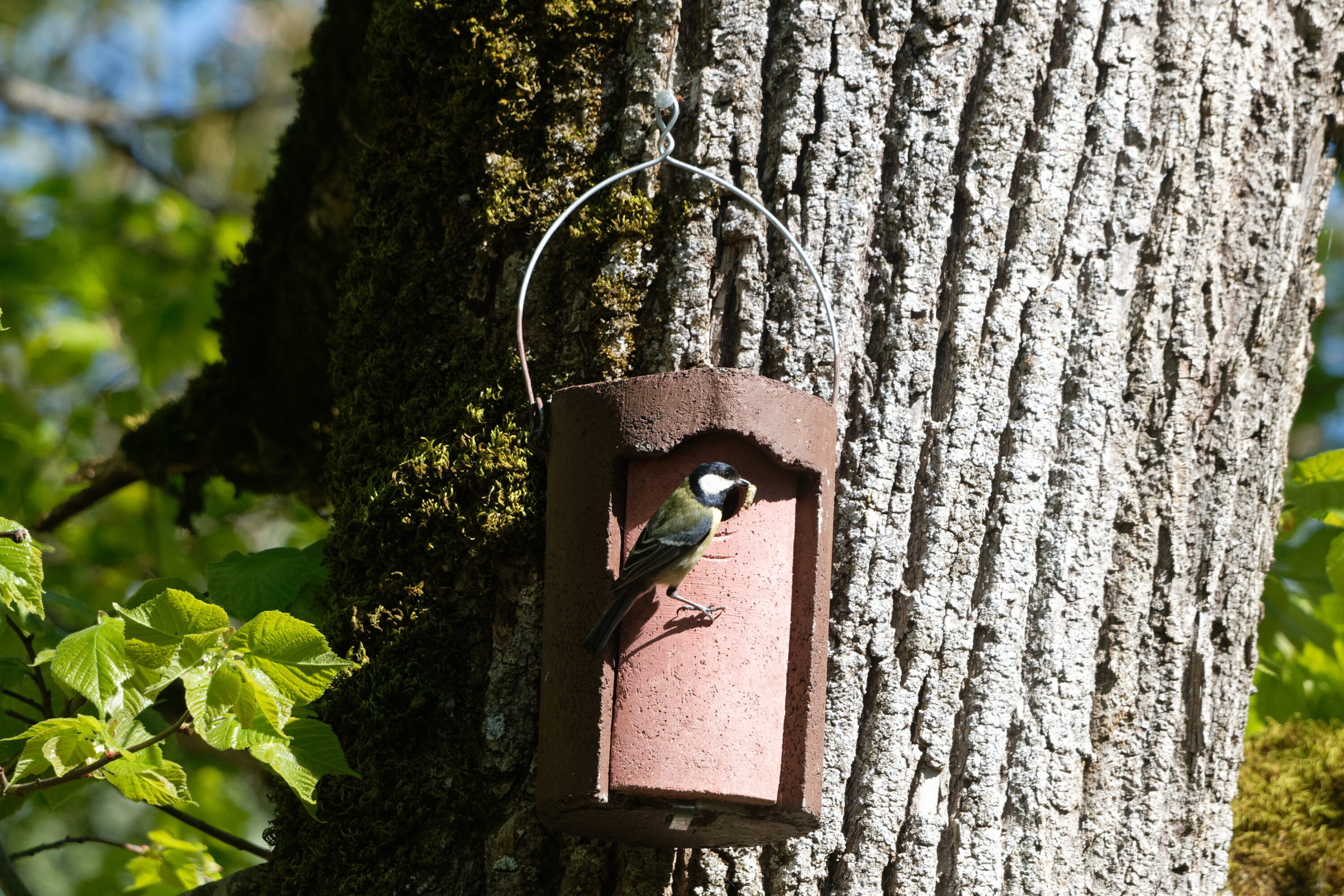
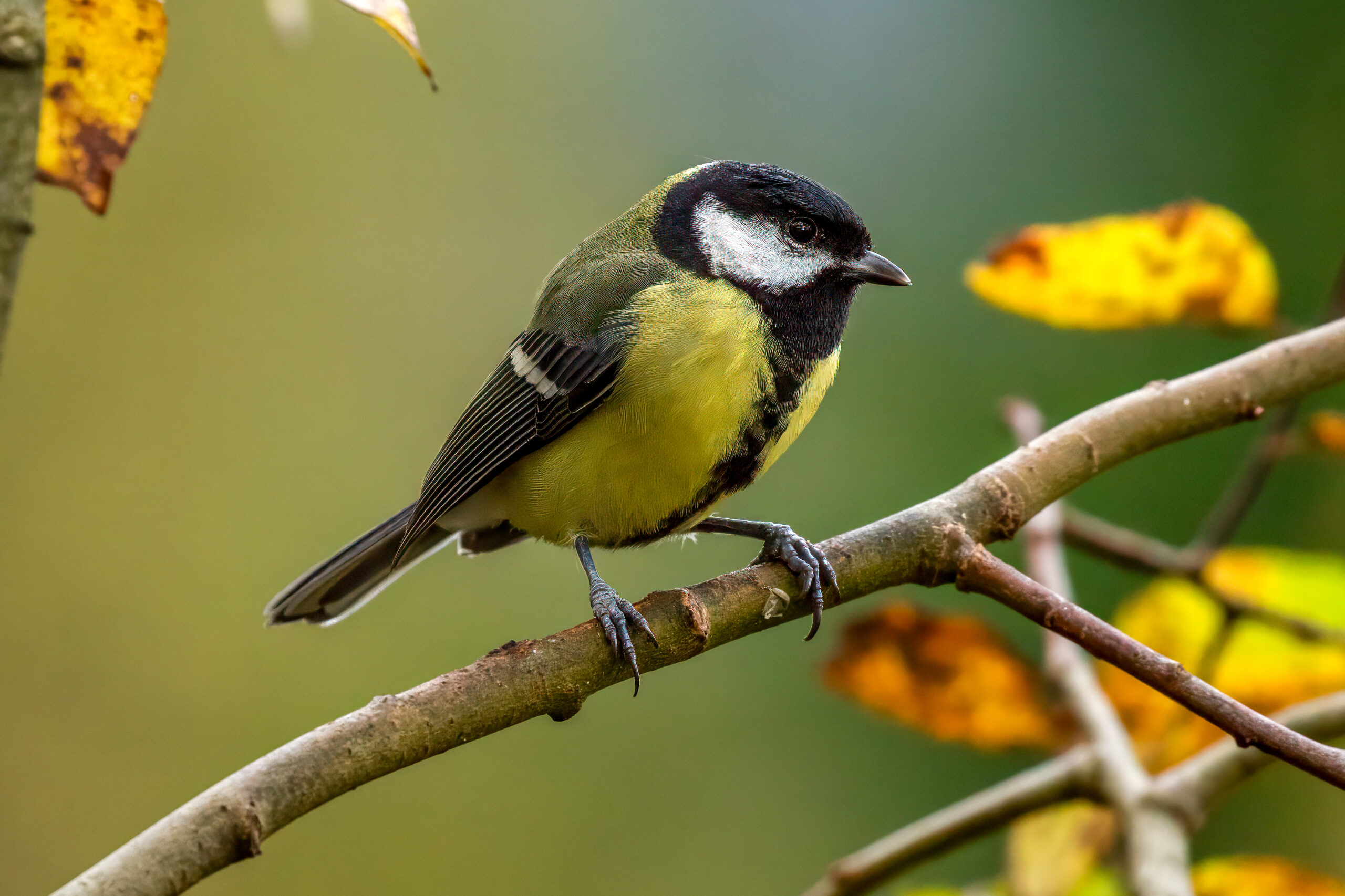
Great tits (Parus major) at Wytham Woods became lighter over 47 years, and the decline appears to have been shaped mainly by conditions experienced early in life rather than by adults losing mass as they aged.
Body mass affects many parts of a bird’s life, including energy reserves, heat balance, movement and survival. Several wild animal populations have shown long-term changes in body size or mass, often discussed as possible responses to rising temperatures. Identifying the mechanism is difficult, however, because a population can become lighter for several different reasons. Individual birds might lose mass during their lives, younger generations might begin adulthood at a lower mass, or the mix of individuals in the population might change.
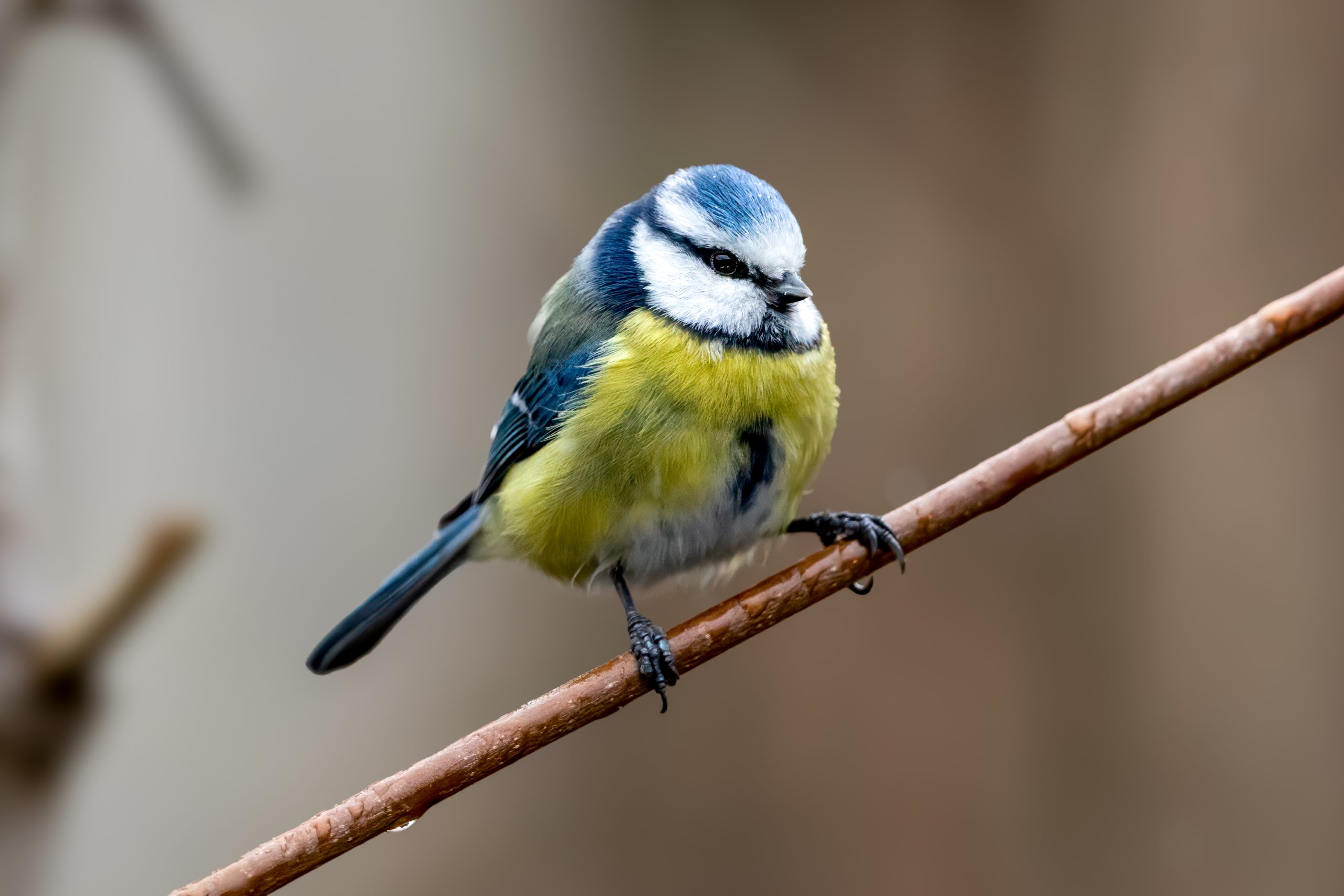
David López-Idiáquez and colleagues analysed 17,785 adult body-mass measurements and 77,787 nestling measurements from the Wytham Woods population in England between 1978 and 2024. They separated changes occurring within individuals as they aged from differences among cohorts born in different years. They also compared adult and nestling mass with temperature, local densities of great tits and Eurasian blue tits (Cyanistes caeruleus), and the timing of breeding relative to the spring peak in winter moth caterpillars.
Later-born cohorts entered adulthood at lower mass
Adult body mass declined by about 1 gram, or 5%, across the 47-year study period. The researchers report that this population-level decline came from differences among cohorts: birds born in later years tended to be lighter as adults. Within a cohort, the pattern went in the opposite direction, with individual mass generally increasing with age. Nestling mass also fell over time, broadly paralleling the adult trend.
Adult body mass was moderately heritable, but the researchers found no evidence that the inherited genetic tendency for body mass changed over the study period. Nestling mass was positively associated with later recruitment throughout the study, and this selection for heavier nestlings became stronger over time. The decline in nestling mass therefore occurred despite, rather than because of, selection favouring lighter young. Nestling mass was also linked to later adult mass after shared genetic effects were taken into account. Together with the differences between cohorts, this supports phenotypic plasticity — environmental conditions changing the expressed trait — rather than a genetic evolutionary shift as the main explanation for the long-term decline.
Early competition was linked to lower nestling and adult mass
Higher local densities of both great tits and blue tits during early life were associated with lower nestling mass. Those early conditions also carried into adulthood: birds that had developed where the two tit species were more numerous tended to remain lighter as adults. Crucially, the breeding densities of both species increased over the 47-year study period, providing a temporal link between intensifying competition during development and the long-term decline in mass. The result points to competition for food or other resources during development as an important part of the long-term pattern.
Warming alone did not explain the long-term decline
Temperature and the degree of mismatch with the caterpillar food peak were related to body mass in some analyses, but they did not explain the observed decline through time. The study therefore does not support a simple account in which warming alone directly made the adult birds lighter. Instead, several ecological changes may act together, with population density during development leaving a lasting mark.
The 47-year dataset separates change within individuals from differences between generations, but the study remains observational. Higher early-life density was associated with lower mass in nestlings and later adults; it does not experimentally demonstrate that competition alone caused the long-term decline.
Ecology
Related news
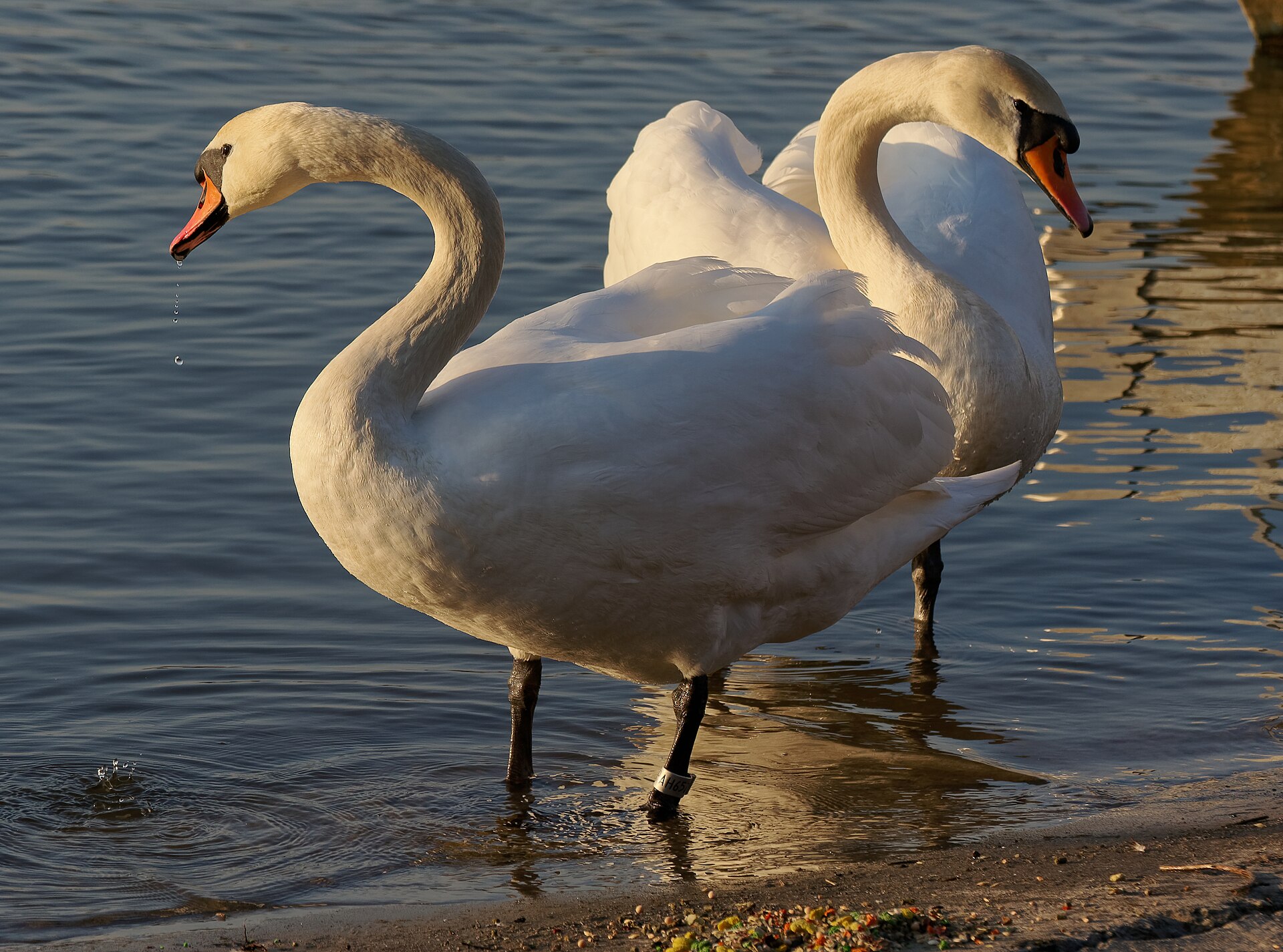
Inland Mute Swans Had Higher Winter Body Condition Despite Harsher Winters and Supplemental Feeding
A study of 853 mute swans from four Polish wintering regions found higher body condition inland than on…
Read story →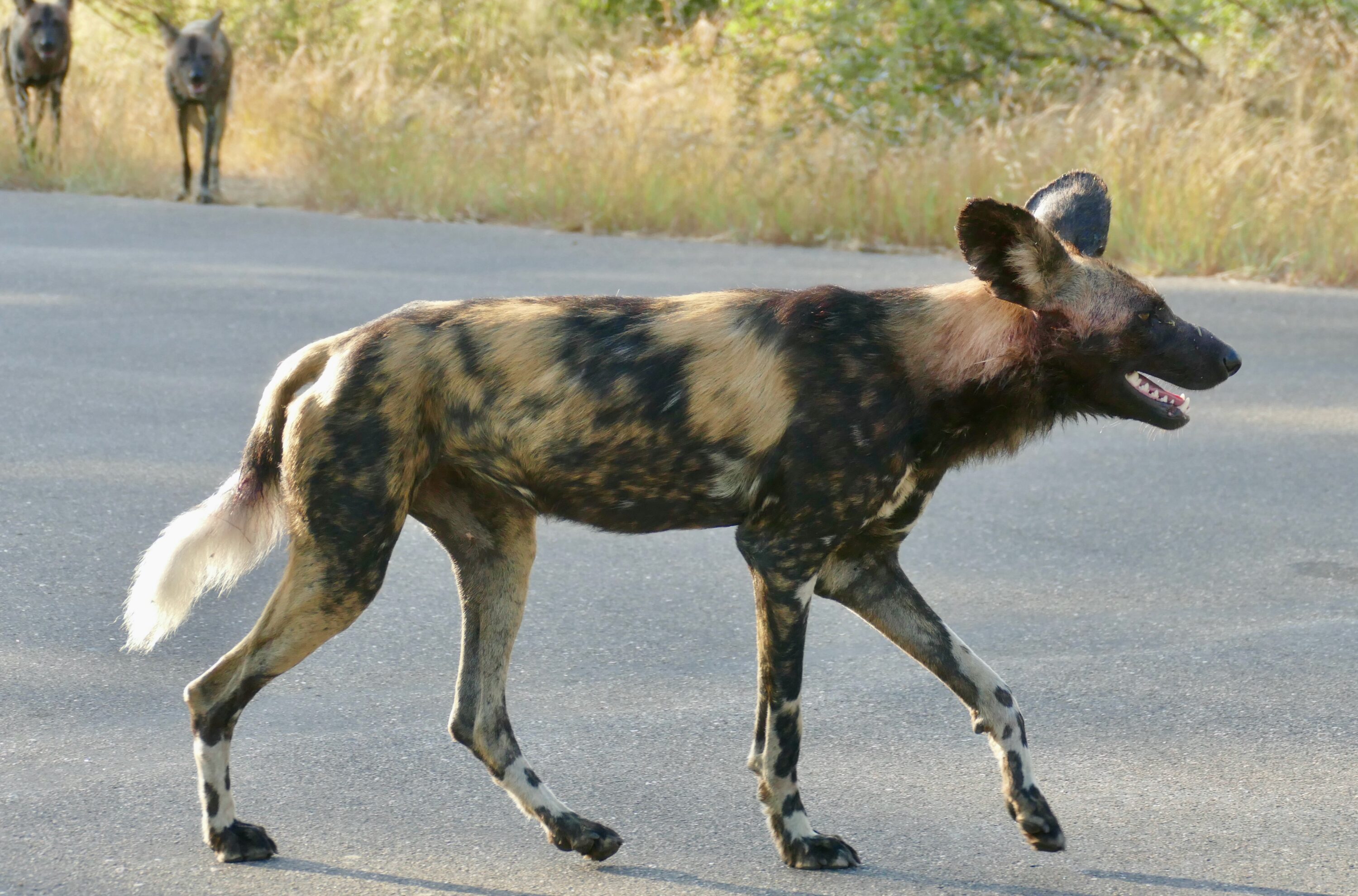
Gut Microbiomes Across Nine Kruger Mammals Clustered More Strongly by Dietary Group Than Species
A study of 89 quality-filtered faecal samples from nine wild mammals in Kruger National Park found that carnivores,…
Read story →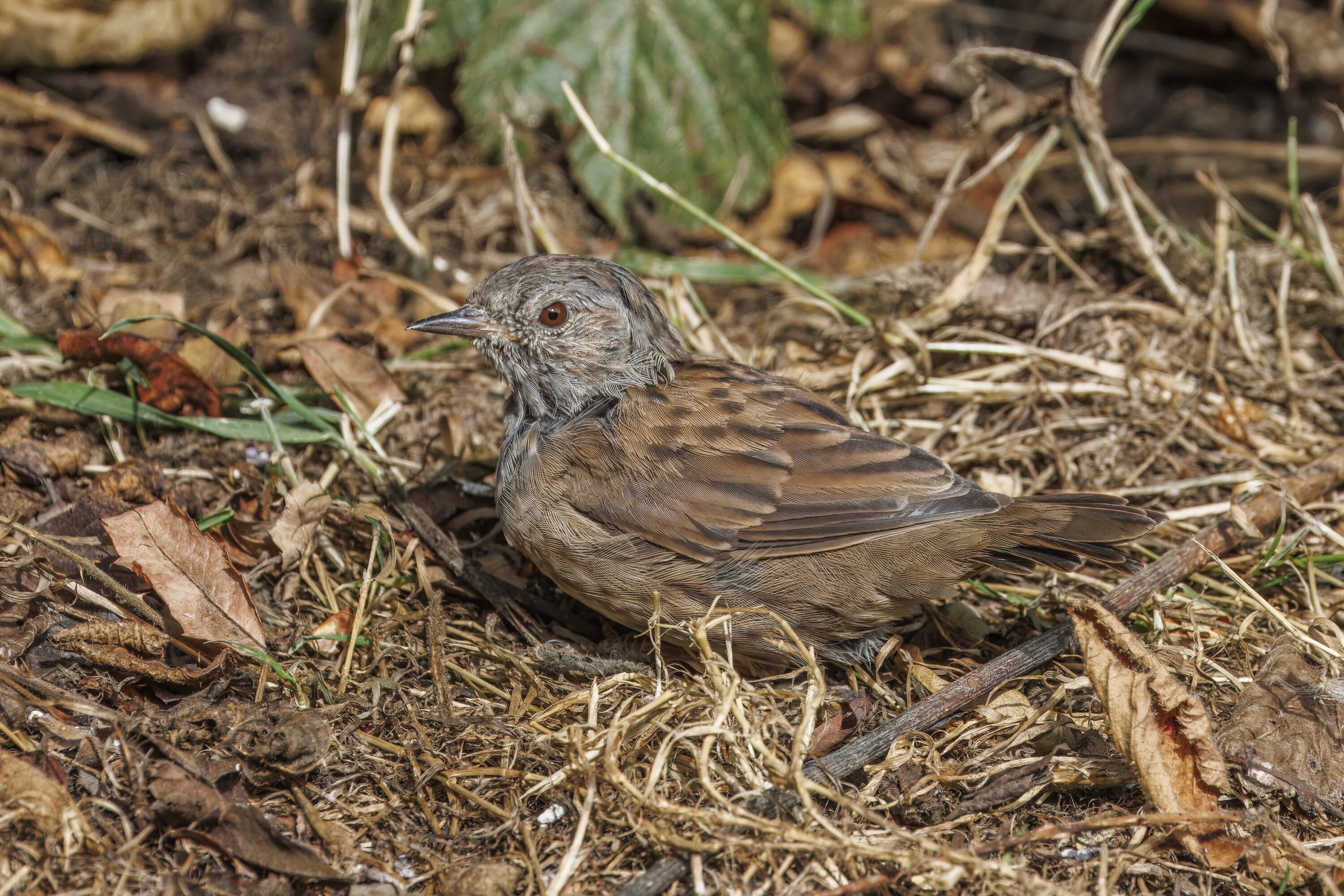
Dunnock Spring Passage Advanced by Up to 8.3 Days Over 61 Years at Hel
Standardised ringing data from northern Poland showed that the first, median and last phases of dunnock spring passage…
Read story →SPECIES IN THIS STORY
Species in this story
Independent research and conservation news archive
Did you find this information useful?
Wildlife Vagabond is independently built and maintained. Voluntary support helps cover source verification, hosting and continued work on research and conservation news.
Support Wildlife VagabondThe news archive will remain freely available.