
Four Parasitic Worm Species Were Reported From Eurasian Magpies for the First Time
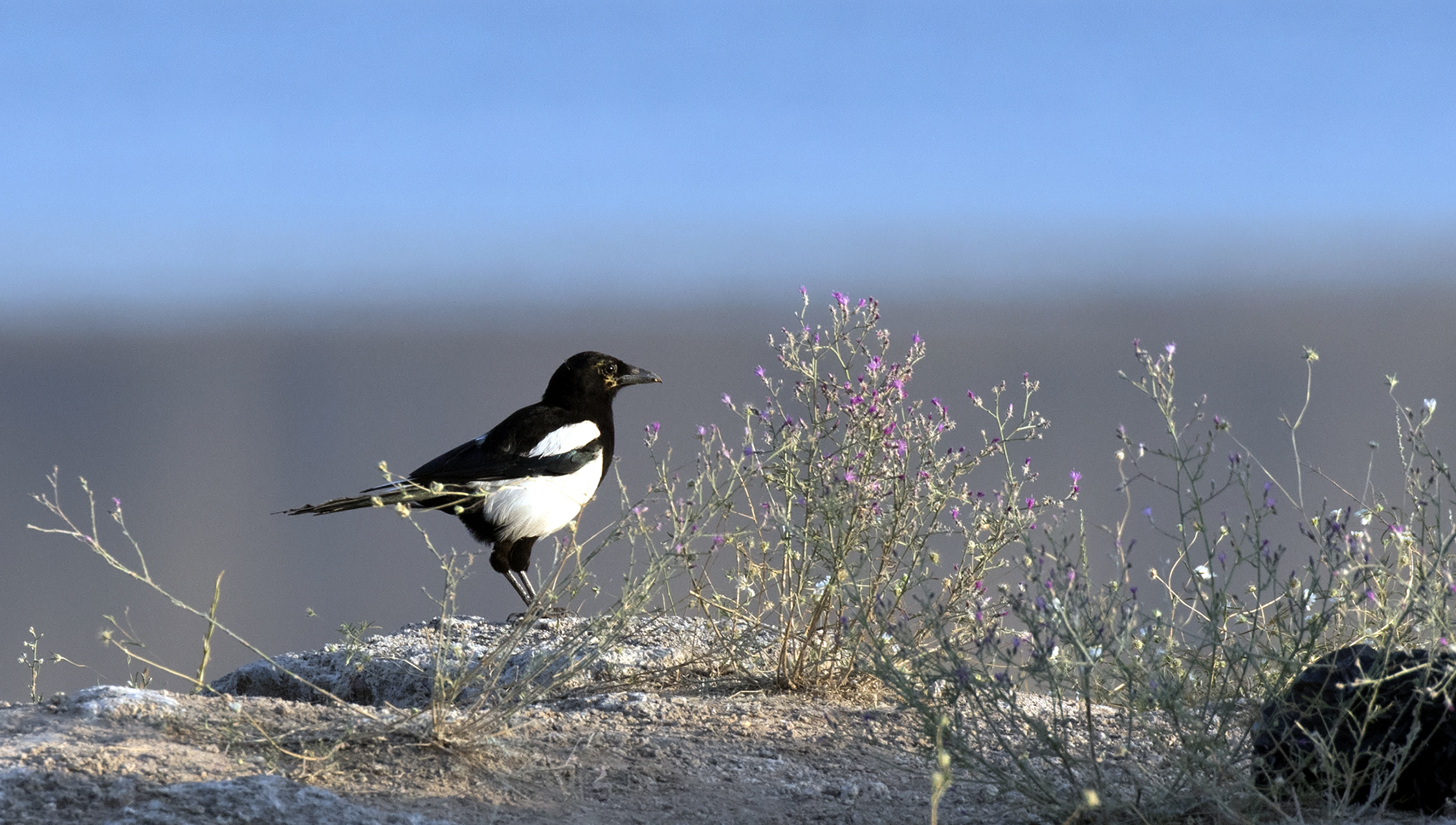
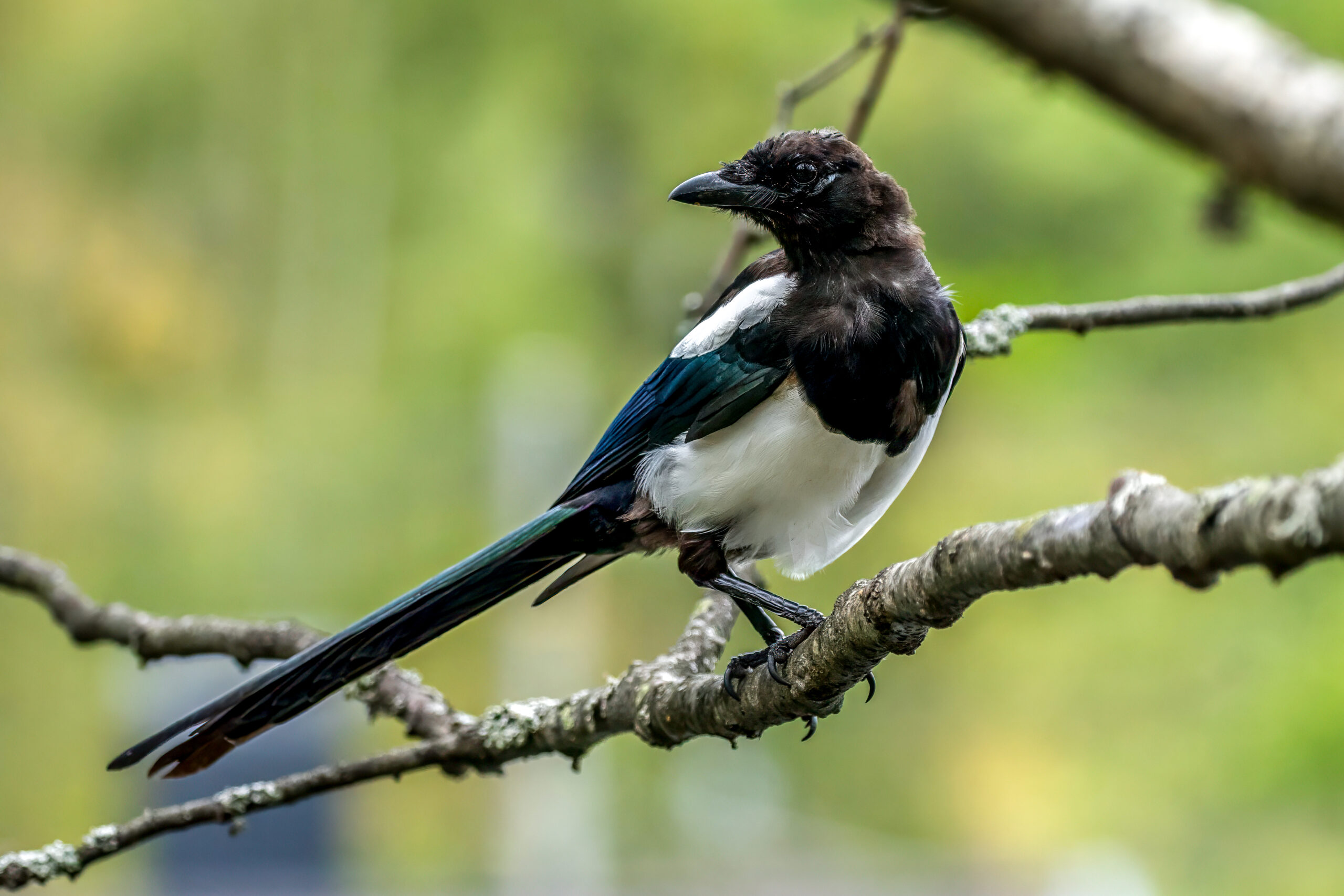
A parasitological study of Eurasian magpies (Pica pica) from Bursa Province in Türkiye identified ten species of parasitic worms, including four that had never previously been recorded from the species anywhere in the world. The study was published on 20 July 2026 in the Iranian Journal of Parasitology.
The researchers examined 53 dead magpies received between June 2015 and August 2025 by Bursa Zoo and the Celal Acar Wildlife Rescue and Rehabilitation Center. The birds had died for various reasons; the study catalogued their helminth fauna and did not test whether the parasites had caused illness or death. Forty birds, or 75.4%, carried helminths. In total, the researchers recovered 470 individual worms representing ten species.
Four parasite species were new host records for magpies
The ten species belonged to four major groups: trematodes, tapeworms, nematodes and acanthocephalans, or spiny-headed worms. Four — Raillietina echinobothrida, Choanotaenia macracantha, Baruscapillaria obsignata and Baruscapillaria resecta — were recorded from Eurasian magpies for the first time worldwide.
The study also produced six new geographical records for Türkiye, expanding the known local parasite fauna beyond the four new magpie host records.
A broad diet can expose magpies to many parasite life cycles
Passerilepis stylosa was the parasite found in the most birds, occurring in 19 of the 53 magpies, or 35.8%. The authors relate the overall worm diversity to the magpie’s broad feeding ecology: its omnivorous diet can bring it into contact with many intermediate hosts — animals in which a parasite develops before reaching its final host — while use of agricultural land, forest edges and urban areas creates different sources of parasite exposure. Shared feeding areas, water sources and communal roosts may also provide opportunities for transmission.
Because Eurasian magpies are relatively sedentary, the authors note that their helminth fauna can reflect local ecological conditions and the availability of intermediate hosts. The study therefore adds both new host records and a more detailed picture of parasite diversity in magpies in Türkiye.
Disease, parasites & microbiology
Related news
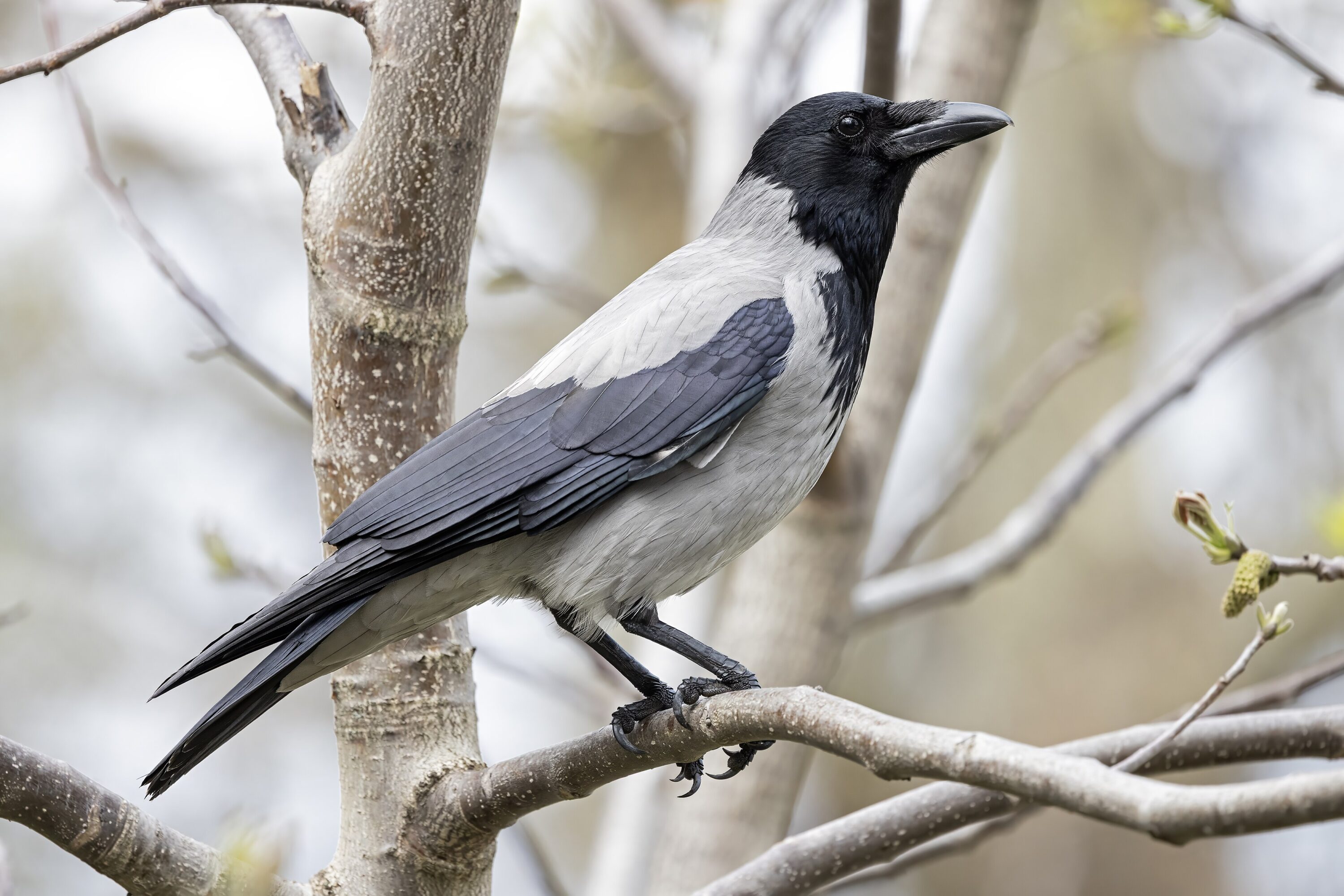
Hooded Crows Were Linked to 87 Reported West Nile Virus Bird Outbreaks in Europe
The September ECDC–EFSA report linked hooded crows to 87 reported West Nile virus bird outbreaks, Eurasian magpies to…
Read story →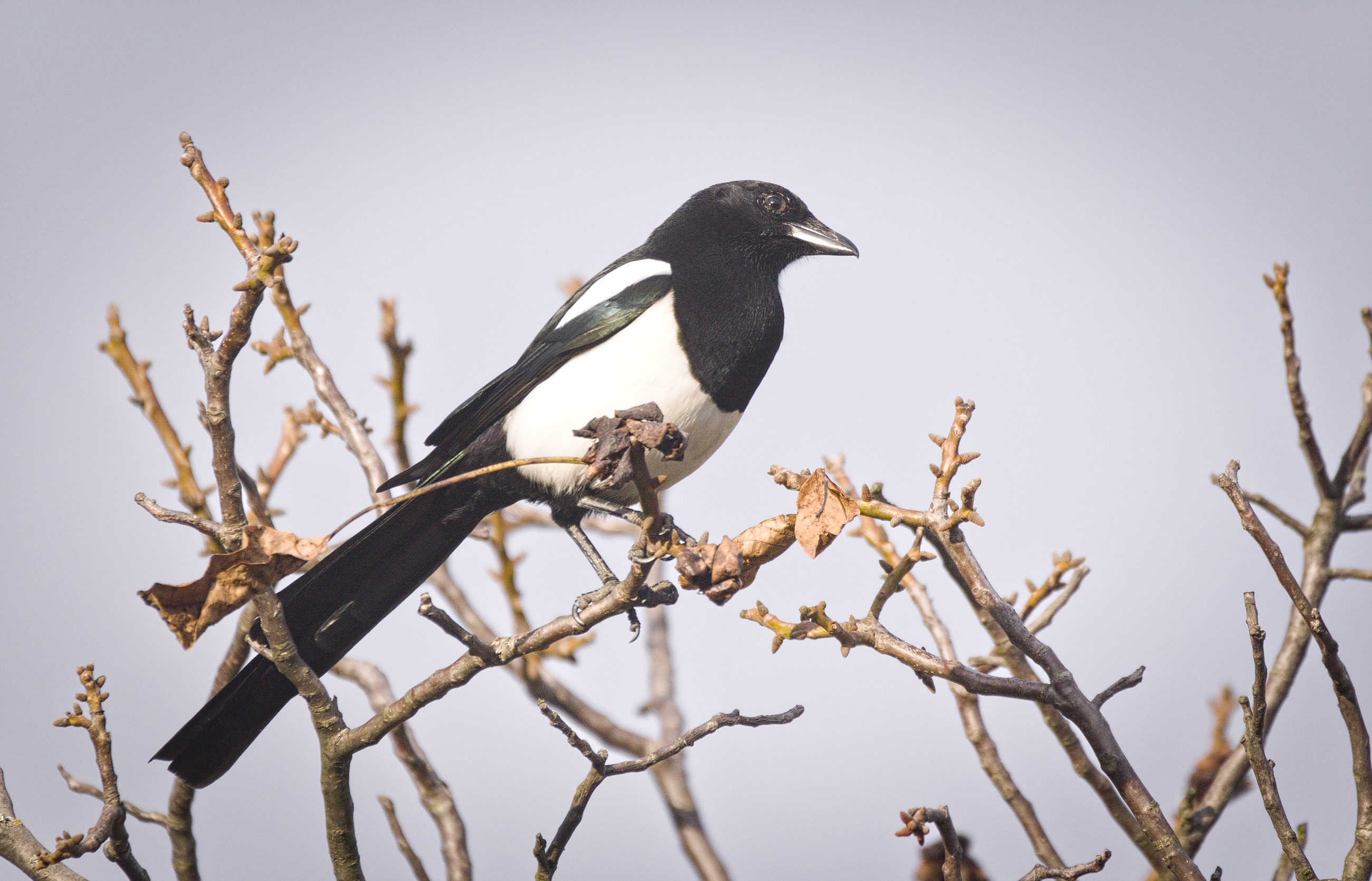
Magpies Dominated Predation on Artificial Pheasant Nests in Polish Urban Sites, Red Foxes in Farmland
Eurasian magpies were the main predator at destroyed artificial pheasant nests in Polish urban sites, while red foxes…
Read story →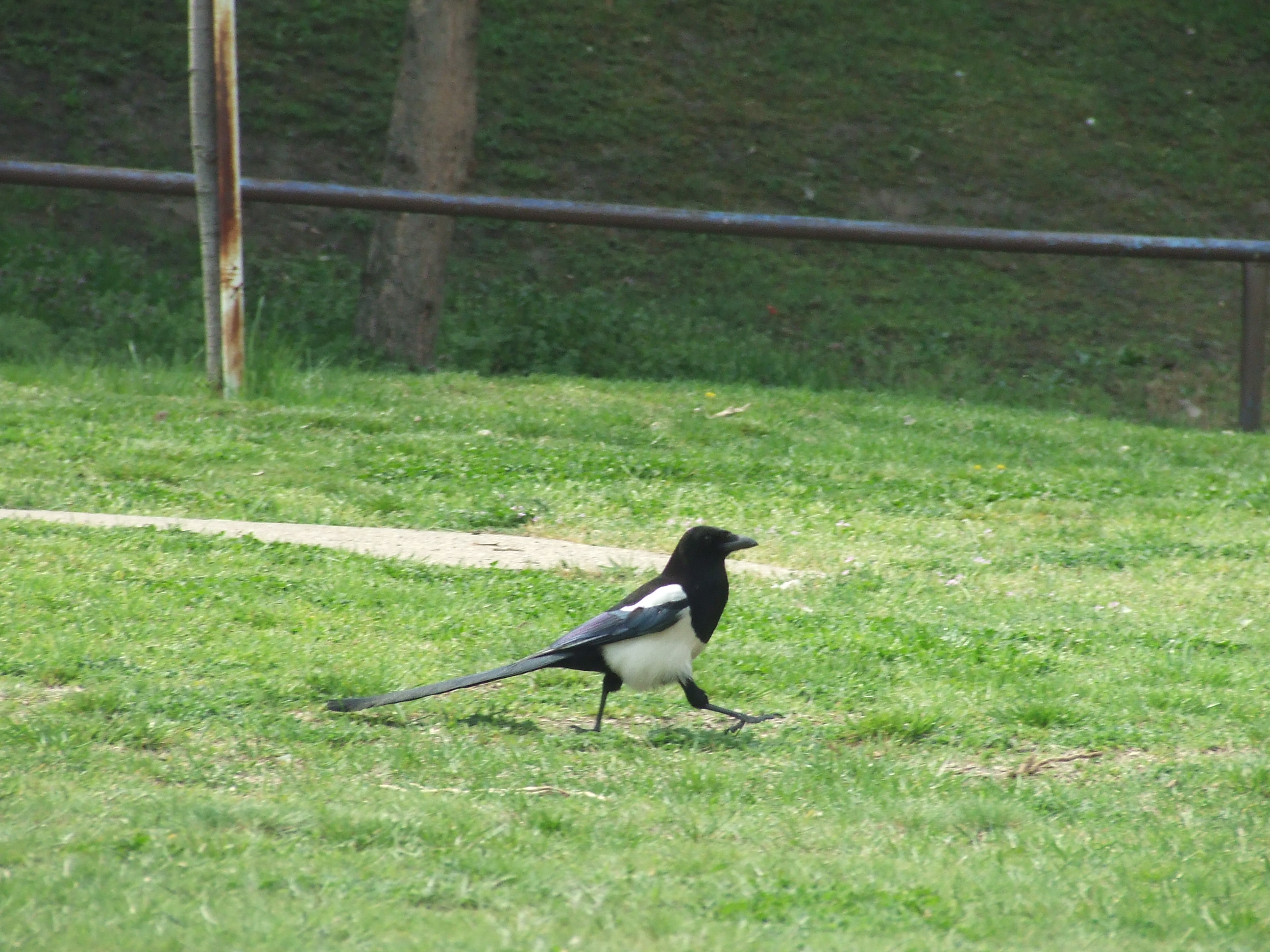
Parasite DNA Was Found in 7% of Eurasian Magpie Brain Samples in Hungary
Brain samples from 273 Eurasian magpies at two sites near urban areas in Hungary contained parasite DNA in…
Read story →SPECIES IN THIS STORY
Species in this story
Independent research and conservation news archive
Did you find this information useful?
Wildlife Vagabond is independently built and maintained. Voluntary support helps cover source verification, hosting and continued work on research and conservation news.
Support Wildlife VagabondThe news archive will remain freely available.