
Eurasian Treecreeper Vocal Activity Declined Even at Low-impact Clearcut Sites
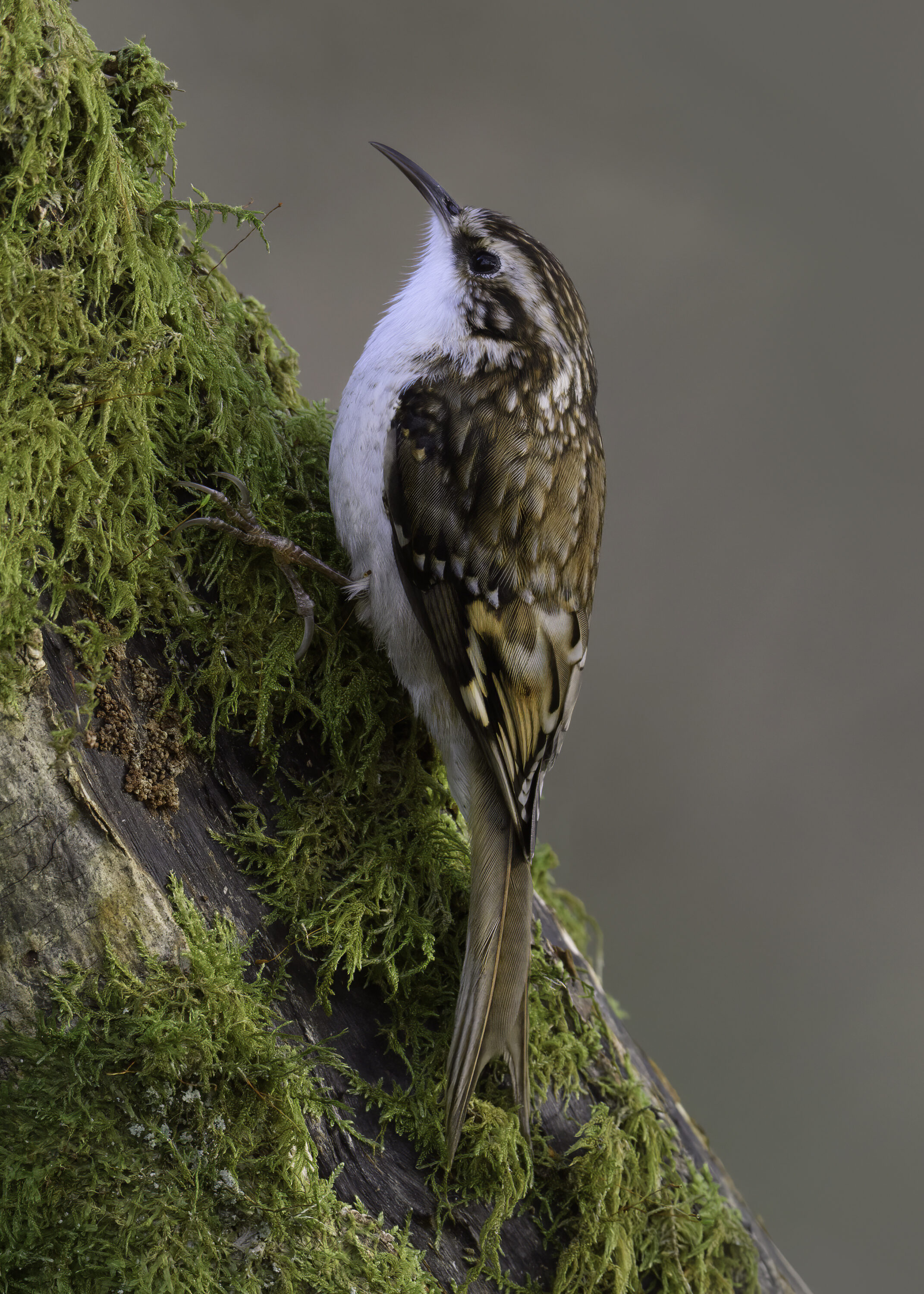
A before-and-after study in southwest Finland found that Eurasian treecreeper (Certhia familiaris) vocal activity declined after clearcutting even at sites where less than one-third of the surrounding forest had been removed. The study was available online from 2 April 2026.
Researchers used passive acoustic monitoring at 60 forest sites, recording the same locations before clearcutting in 2020 and again in 2024. Thirty sites remained uncut as controls and 30 were affected by clearcutting. The study followed 12 resident bird species and compared sites with lower and higher proportions of forest removed within 100 metres of the recorders.
Total vocal activity fell at heavily affected sites
Across all 12 species, total vocal activity declined clearly at heavily affected sites, while the number of species detected showed no clear change. The acoustic measure reflects how intensively birds used or vocalised at the sites; it is not a direct estimate of population size.
Species responses differed strongly
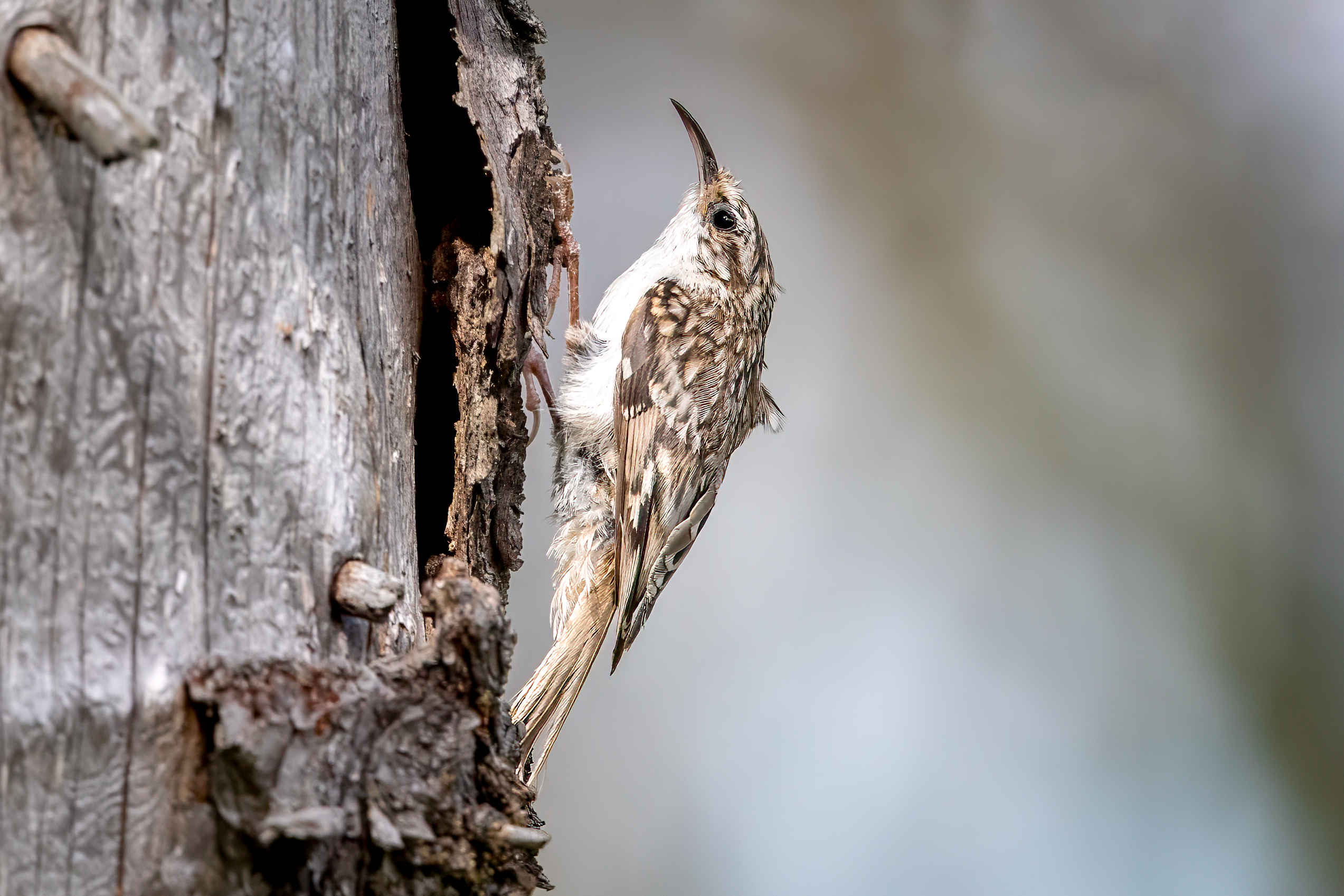
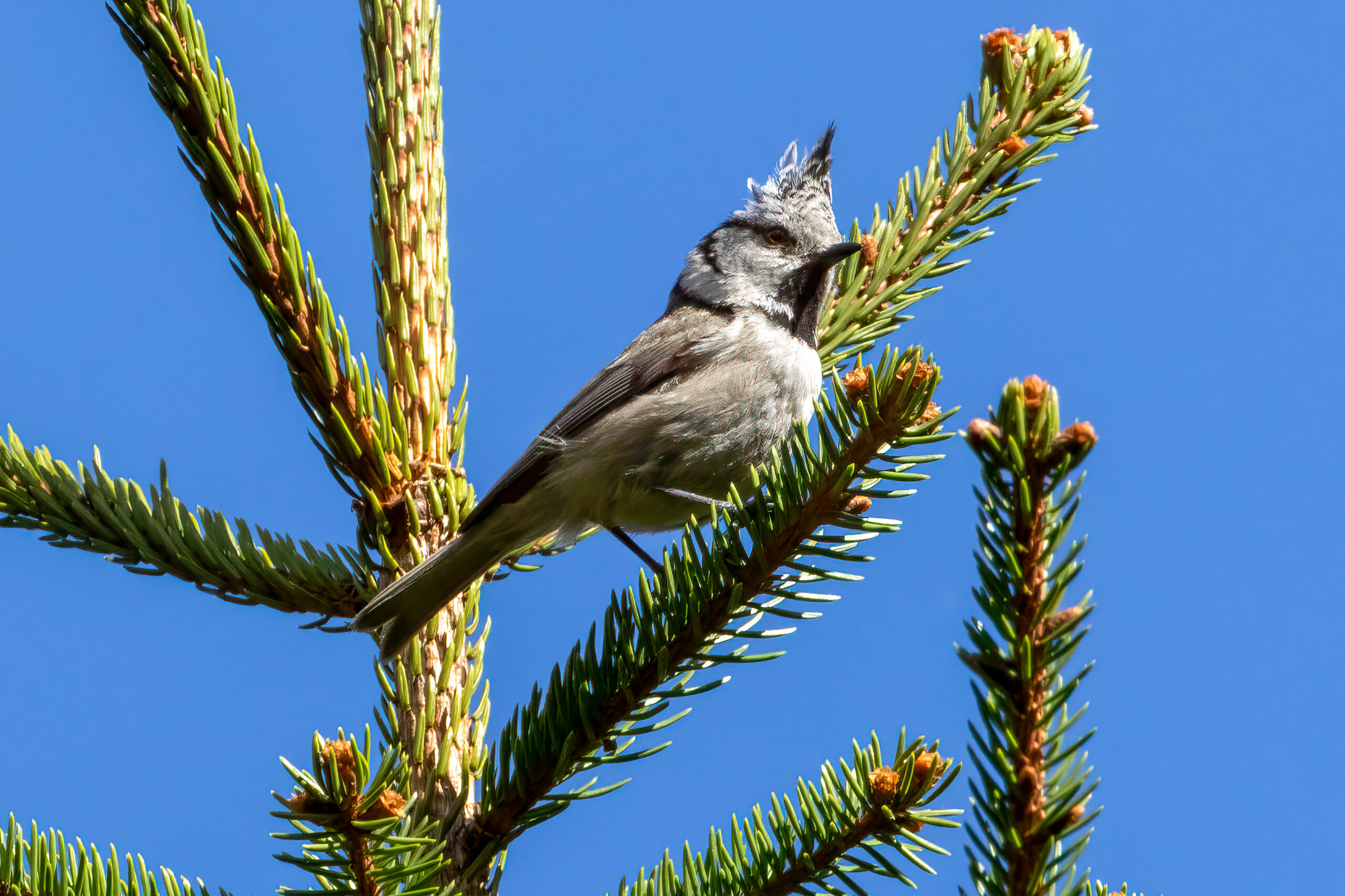
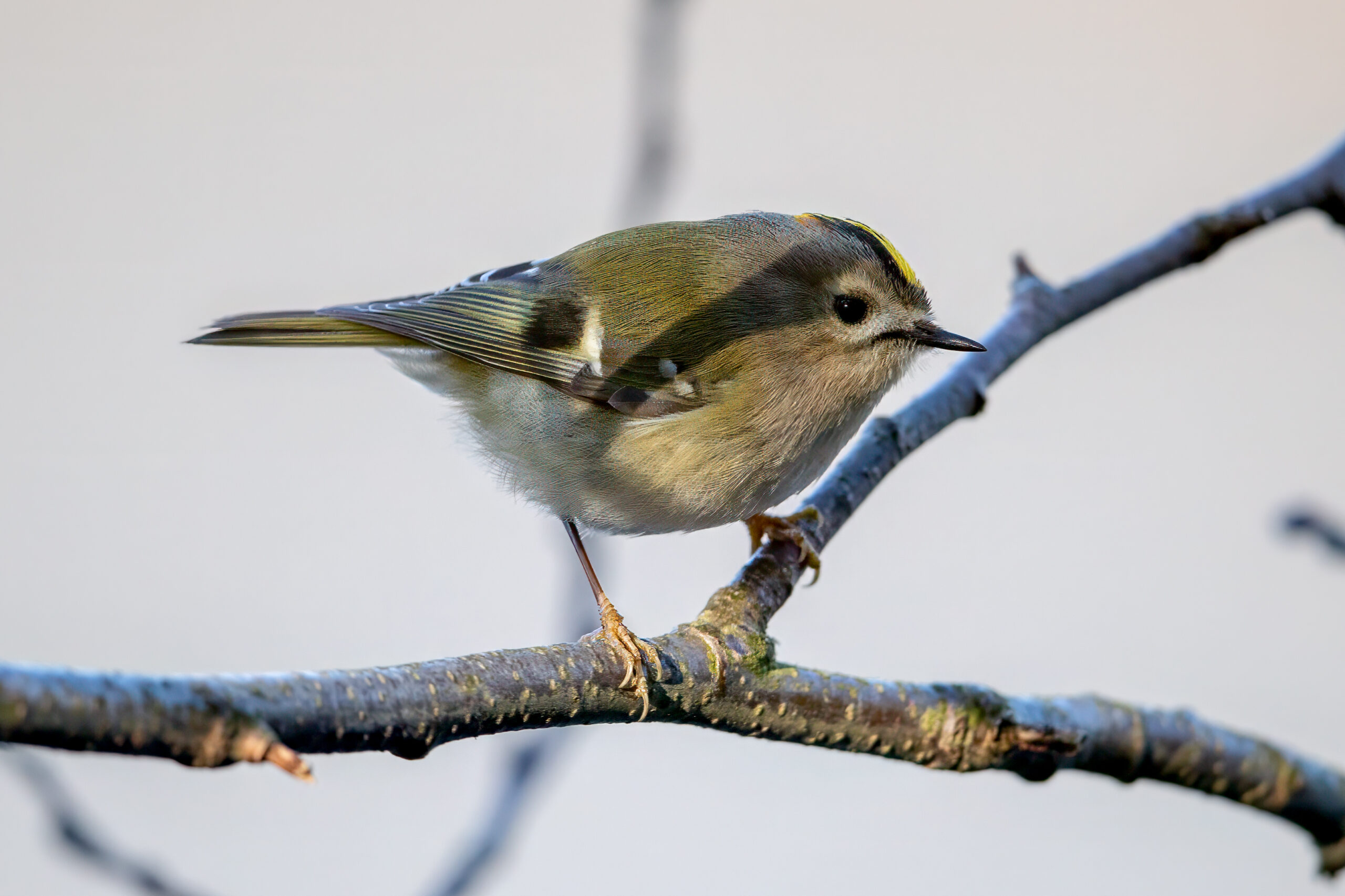
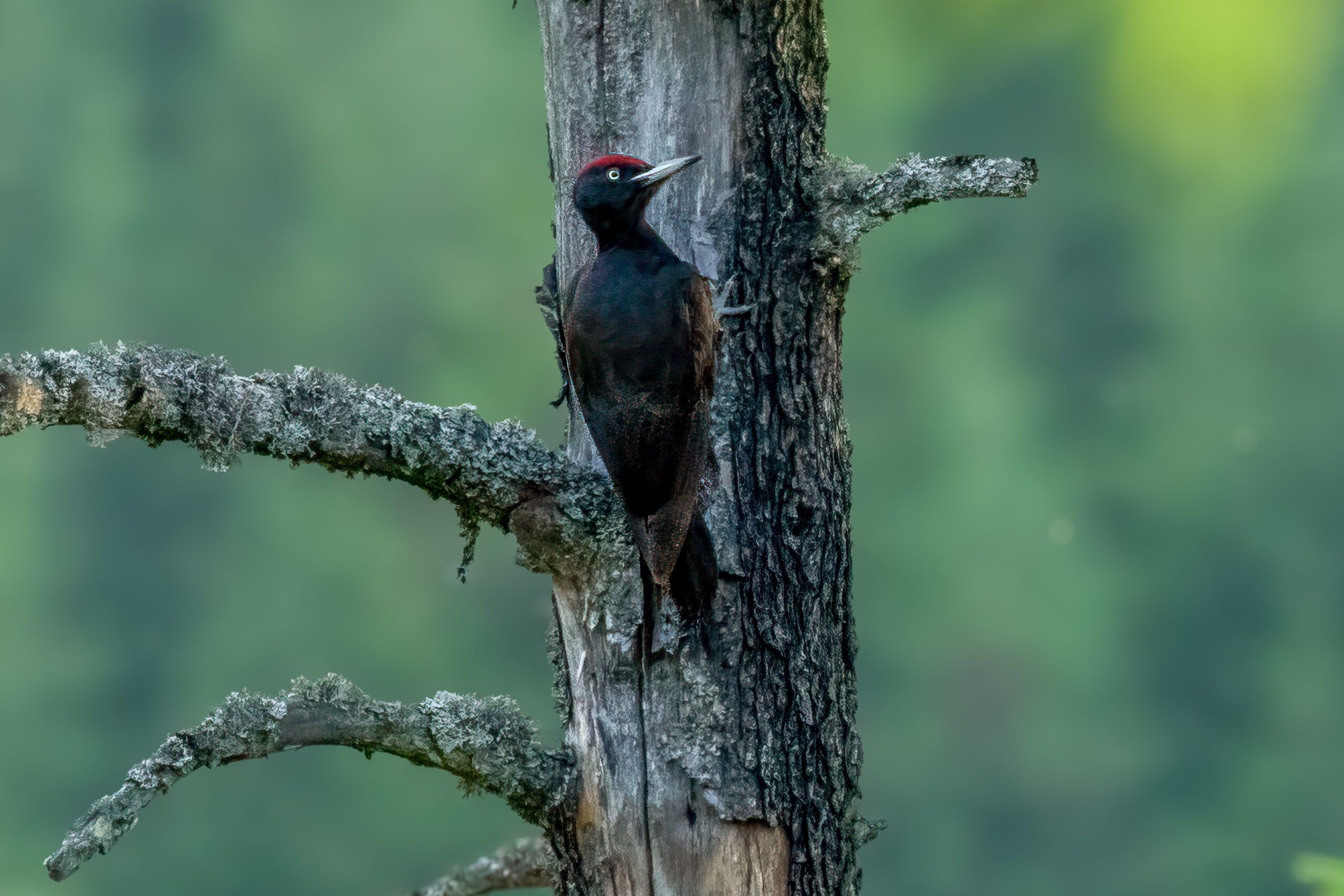
The species-level responses differed markedly. Eurasian treecreeper declined at both lower- and higher-impact sites. Crested tit (Lophophanes cristatus) and goldcrest (Regulus regulus) showed negative responses only where a larger share of the nearby forest had been removed, while black woodpecker (Dryocopus martius) showed increased vocal activity at heavily affected sites. The result therefore points to different habitat responses among resident forest specialists rather than a uniform reaction to clearcutting.
The authors highlight tree retention, selective harvesting and species-specific conservation measures as ways to reduce the effects of intensive forestry on resident birds. For Eurasian treecreeper, lower vocal activity at the less heavily affected sites shows that a response was detectable even when a smaller share of the nearby forest had been removed.
Threats
Related news
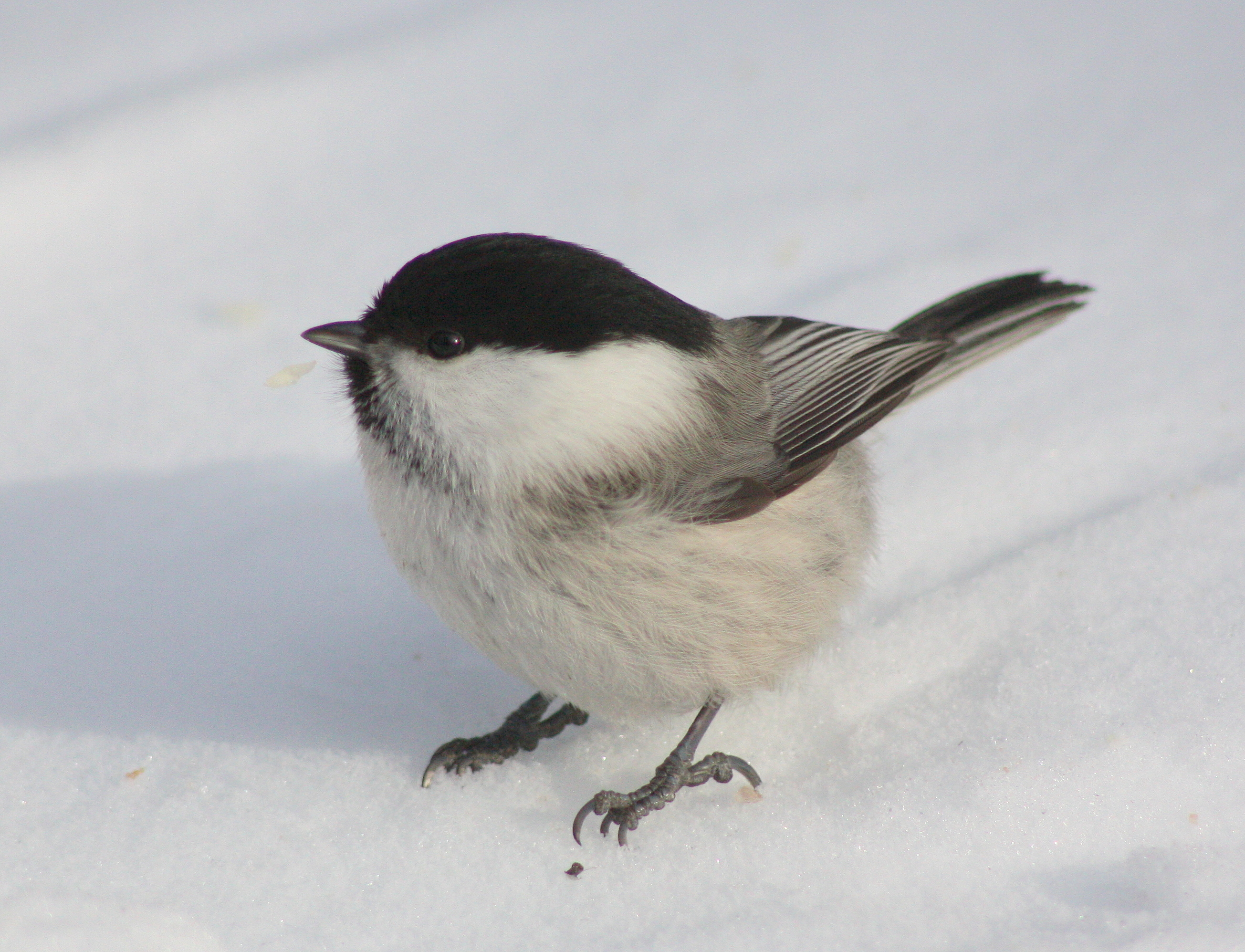
Willow Tits Were Much Less Likely to Be Recorded Beyond 50 Metres From Green Corridors in Oulu
Across 153 forest patches in Oulu, willow tits were much less likely to be recorded once patches lay…
Read story →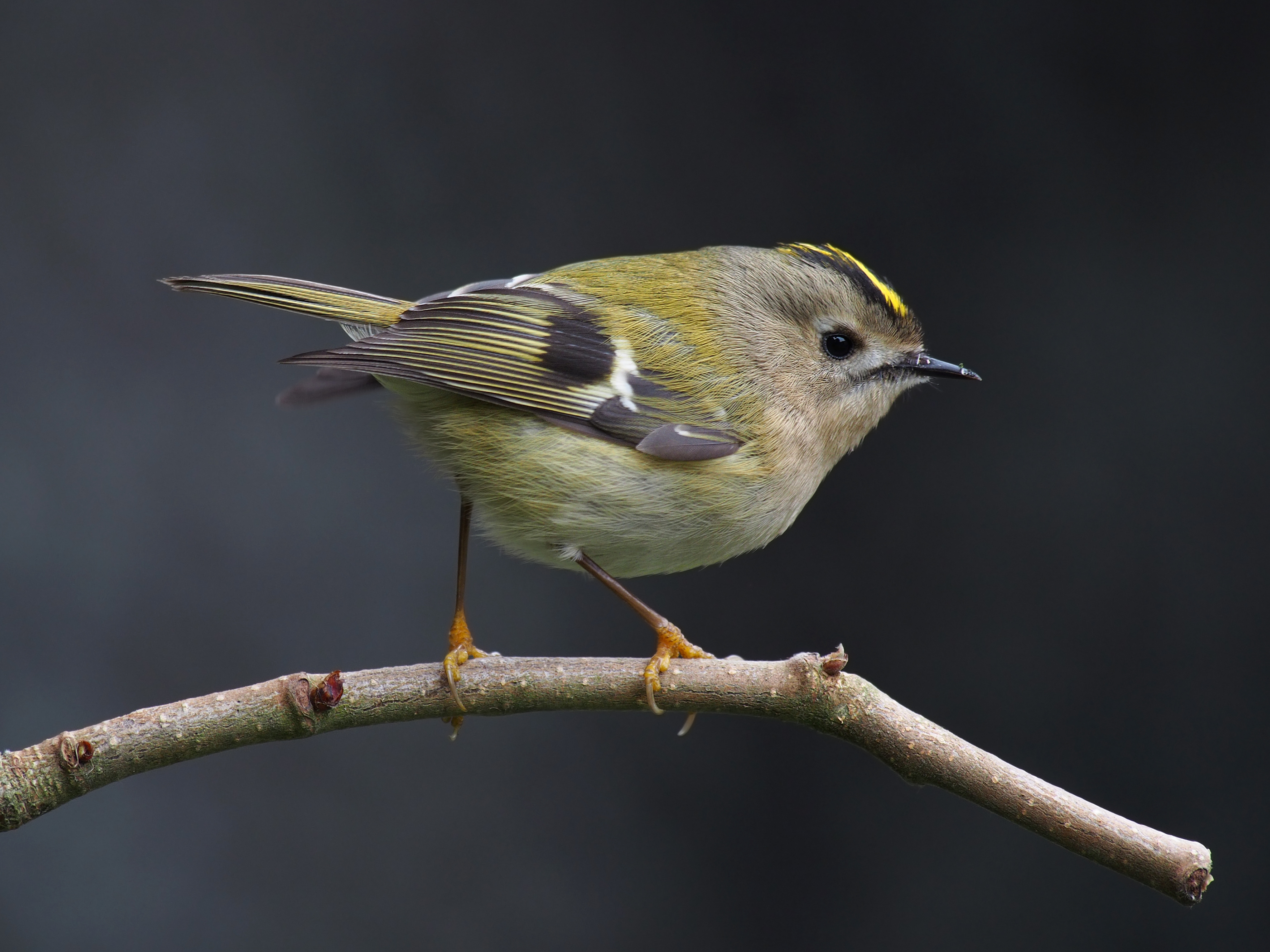
Goldcrest Was Associated With Conifer-Dominated Forest Sites Around Jena
A year-round acoustic study around Jena recorded goldcrest on 778 activity-days and associated it, together with crested tit…
Read story →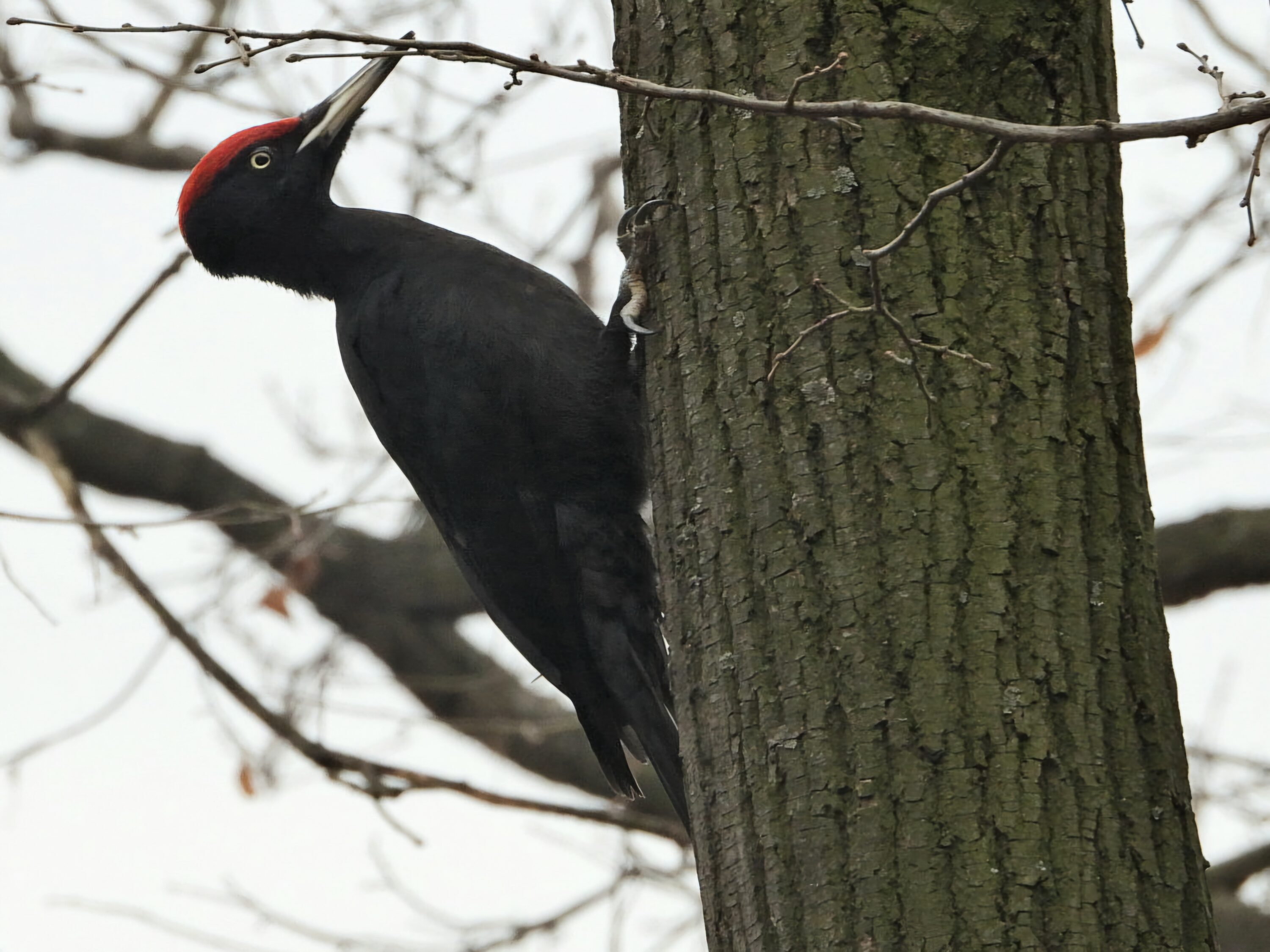
Inside inspections reveal animals missed at Black Woodpecker cavities
In Poland’s Augustów Forest, researchers recorded 50 animal taxa associated with Black Woodpecker cavities. Entrance cameras mostly recorded…
Read story →SPECIES IN THIS STORY
Species in this story
Independent research and conservation news archive
Did you find this information useful?
Wildlife Vagabond is independently built and maintained. Voluntary support helps cover source verification, hosting and continued work on research and conservation news.
Support Wildlife VagabondThe news archive will remain freely available.