
European Inventory Estimated More Than €670 Million in Annual Fish Damage From Great Cormorant Predation
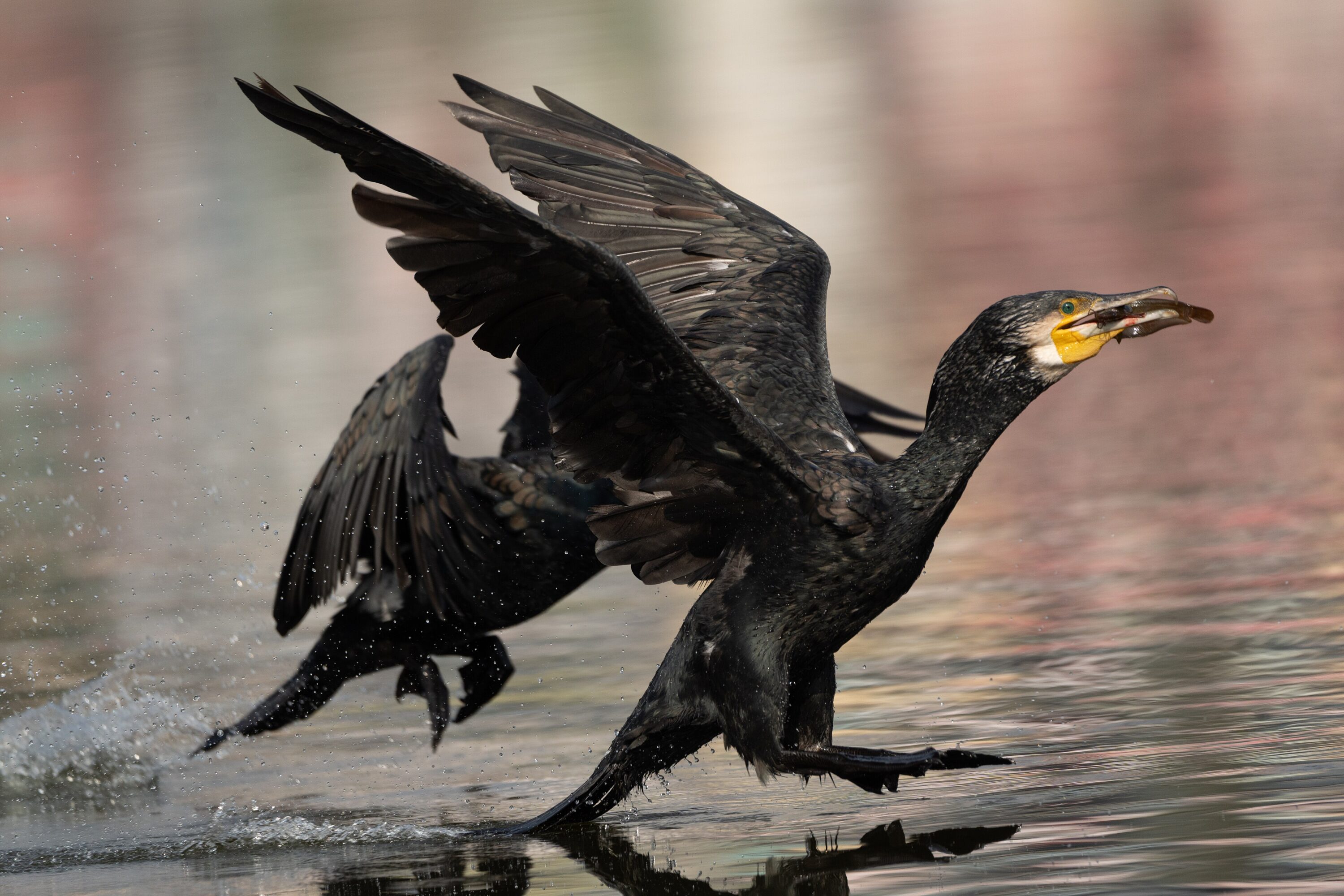
A European inventory published on 12 August 2026 estimates that great cormorant (Phalacrocorax carbo) predation causes more than €670 million in economic damage to fish stocks each year across the 26 countries surveyed. The inventory was prepared by the European Inland Fisheries and Aquaculture Advisory Commission (EIFAAC) together with the European Anglers Alliance and the Federation of European Aquaculture Producers, using information from more than 300 stakeholder organizations for 2023 and 2024.
The €670 million headline is a modelled estimate
The €670 million figure is a harmonized estimate, not a direct tally of invoices or independently measured fish losses. The inventory combines estimates of cormorant abundance, how long birds are present and fish-consumption rates with economic valuation and information on reported impacts. This makes it possible to compare damage on a European scale, but the result depends on the underlying population data, assumptions and the amount and quality of information available from each country.
Fisheries and aquaculture figures use different data and extrapolations
The report also presents separate estimates for fisheries and aquaculture. Recreational and other inland fisheries are put at €150–220 million in annual losses. Freshwater aquaculture losses reported by the surveyed countries exceed €138 million a year, while total European aquaculture losses are estimated at around €250 million. Pond farms commonly reported production losses of 10–30% of fish stocks, with some extreme cases reaching 70%, alongside costs for guarding, scaring and netting.
These sector figures are based on different types of data and extrapolation and should not simply be added together as components of the €670 million headline estimate. The inventory is intended to bring uneven national and stakeholder information into a common framework rather than provide an audited European balance sheet.
The report also covers predation on wild fish including salmonids, cyprinids, percids, sturgeons and European eel (Anguilla anguilla). Its authors argue that sustained predation can reduce catches and stock productivity and hinder recovery of vulnerable fish populations. Because great cormorants move across national borders, EIFAAC, EAA and FEAP use the inventory to support their call for coordinated European monitoring and management. That management proposal is a recommendation from the organizations behind the inventory, separate from the economic estimates themselves.
Human–wildlife conflict
Related news

Great Cormorants Increased as Southern Baltic Diving Seabirds Stayed 40% Below Early-1990s Levels
A 35-year analysis of Polish Baltic winter surveys found strong growth in great cormorants, while the wider diving-seabird…
Read story →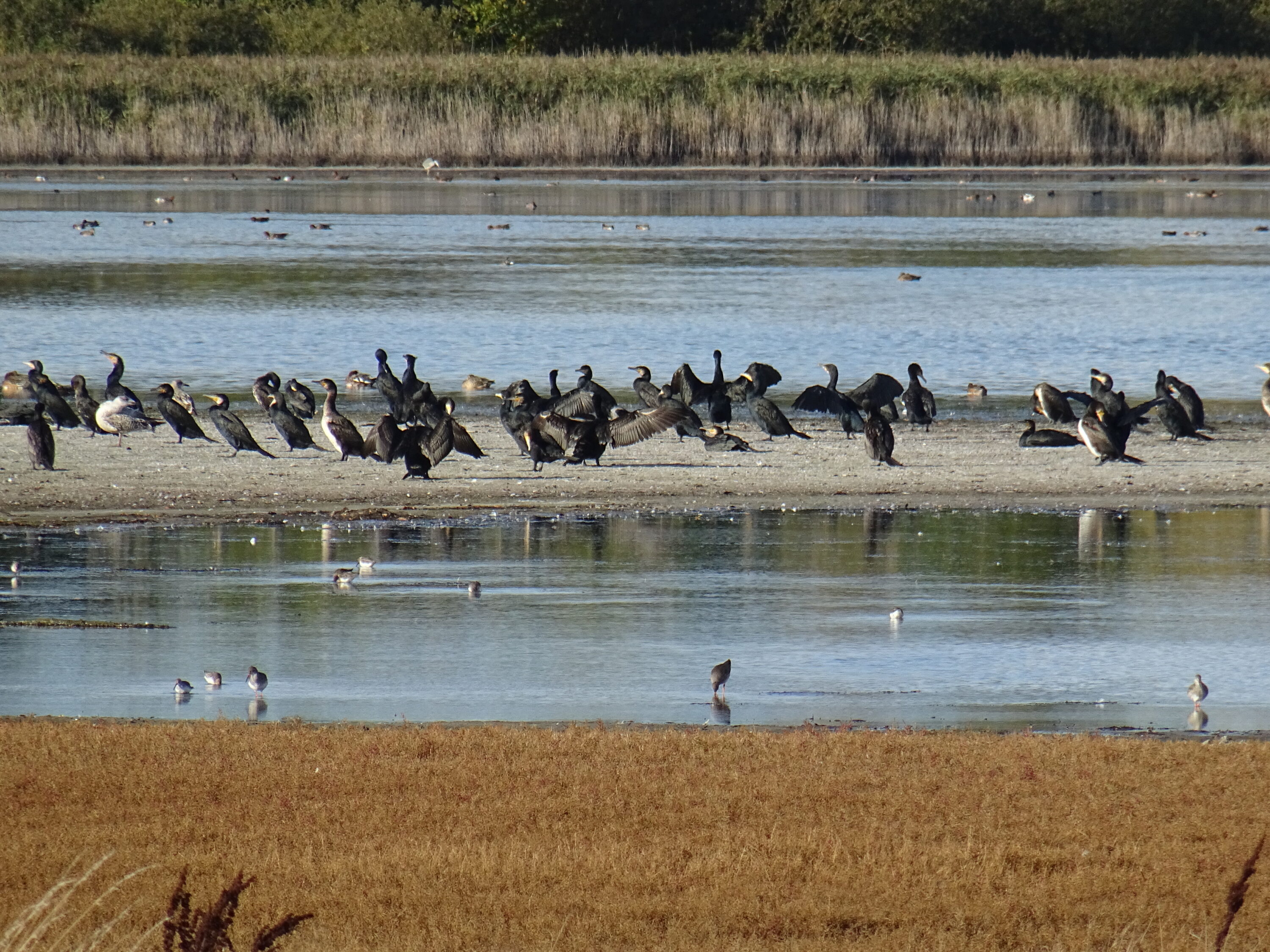
Estimated Great Cormorant Predation Reached 52–88% in Tagged Cod and 14–84% in Tagged Flounder
In Genner Bay, Denmark, a PIT-tag study estimated that great cormorants consumed 52–88% of tagged cod and 14–84%…
Read story →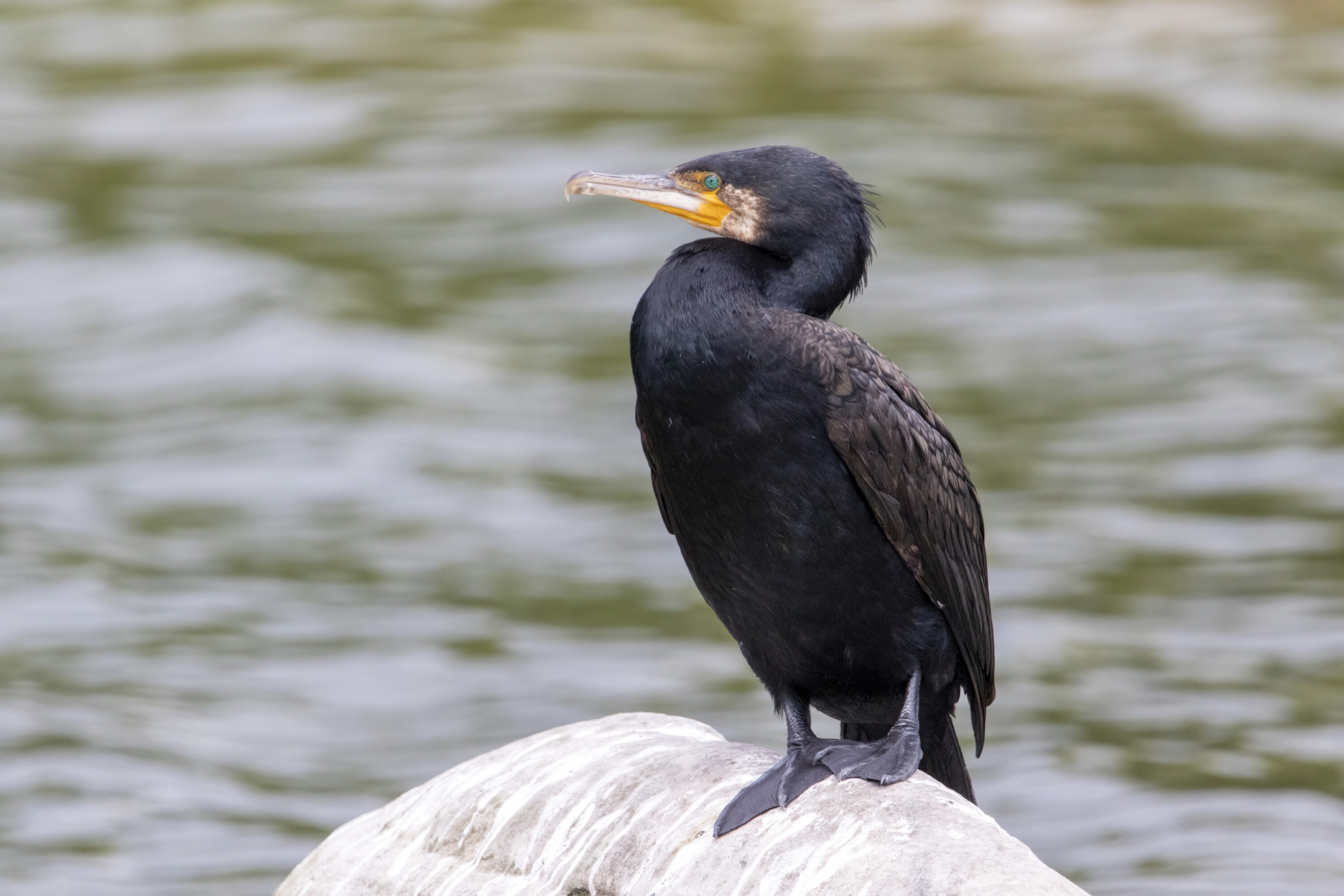
European Commission Replaced Its 2013 Guidance on Great Cormorant Derogations
A Commission Notice published on 31 July 2026 replaced the 2013 guidance on Great Cormorant derogations and updated…
Read story →SPECIES IN THIS STORY
Species in this story
Independent research and conservation news archive
Did you find this information useful?
Wildlife Vagabond is independently built and maintained. Voluntary support helps cover source verification, hosting and continued work on research and conservation news.
Support Wildlife VagabondThe news archive will remain freely available.