
Estimated M. bovis Seroprevalence Was 26.6% in Exmoor Red Deer

An estimated 26.6% of sampled red deer (Cervus elaphus) in the Exmoor area of southwest England had antibodies consistent with infection by Mycobacterium bovis, according to a study first published online on 17 April 2026. Seropositivity shows that the immune system has responded to the bacterium; it is not the same as directly detecting viable bacteria in the animal at the time of sampling. M. bovis causes bovine tuberculosis, a chronic infectious disease, and can cause disease in cattle, deer, badgers, people and other mammals.
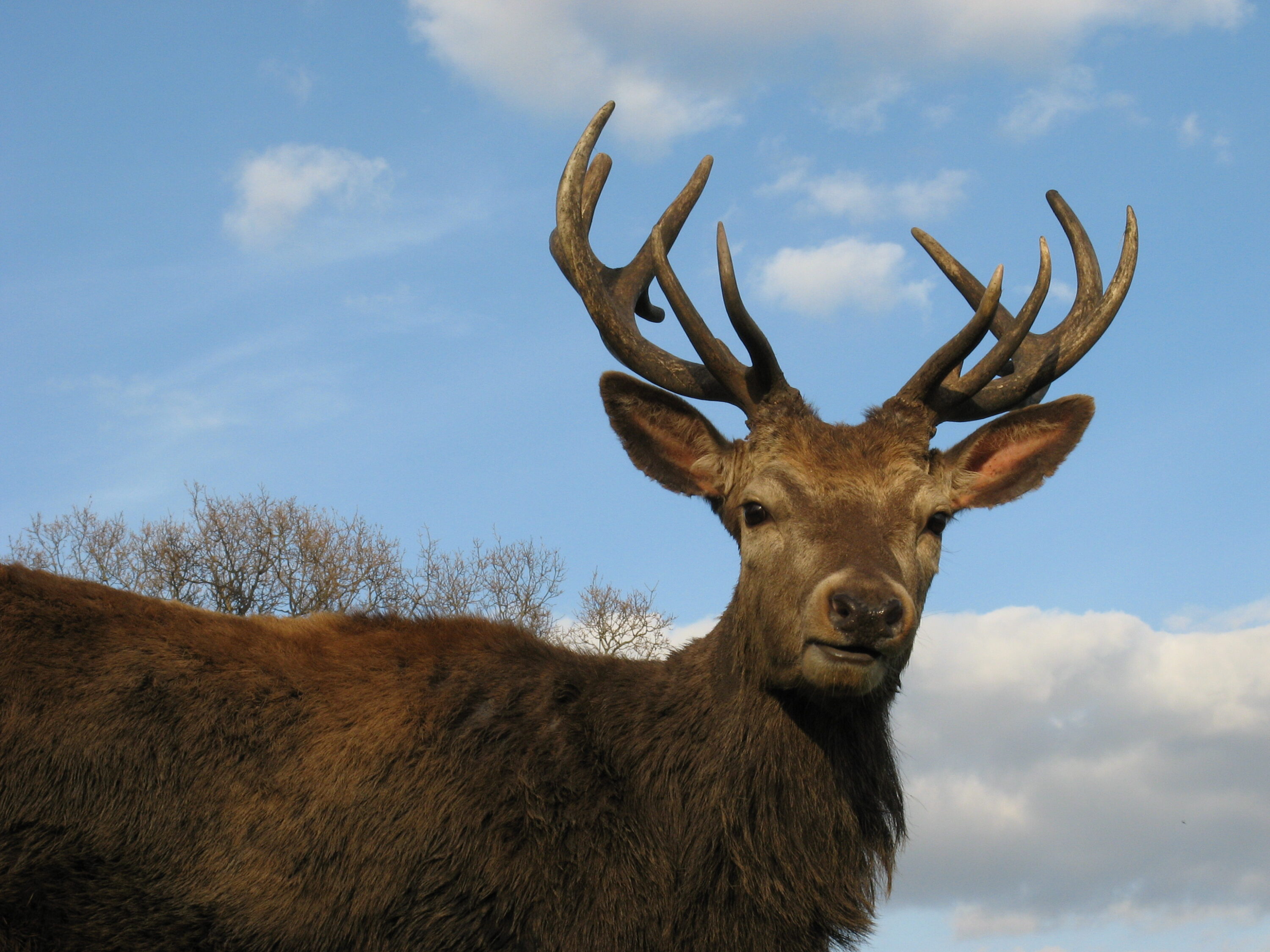
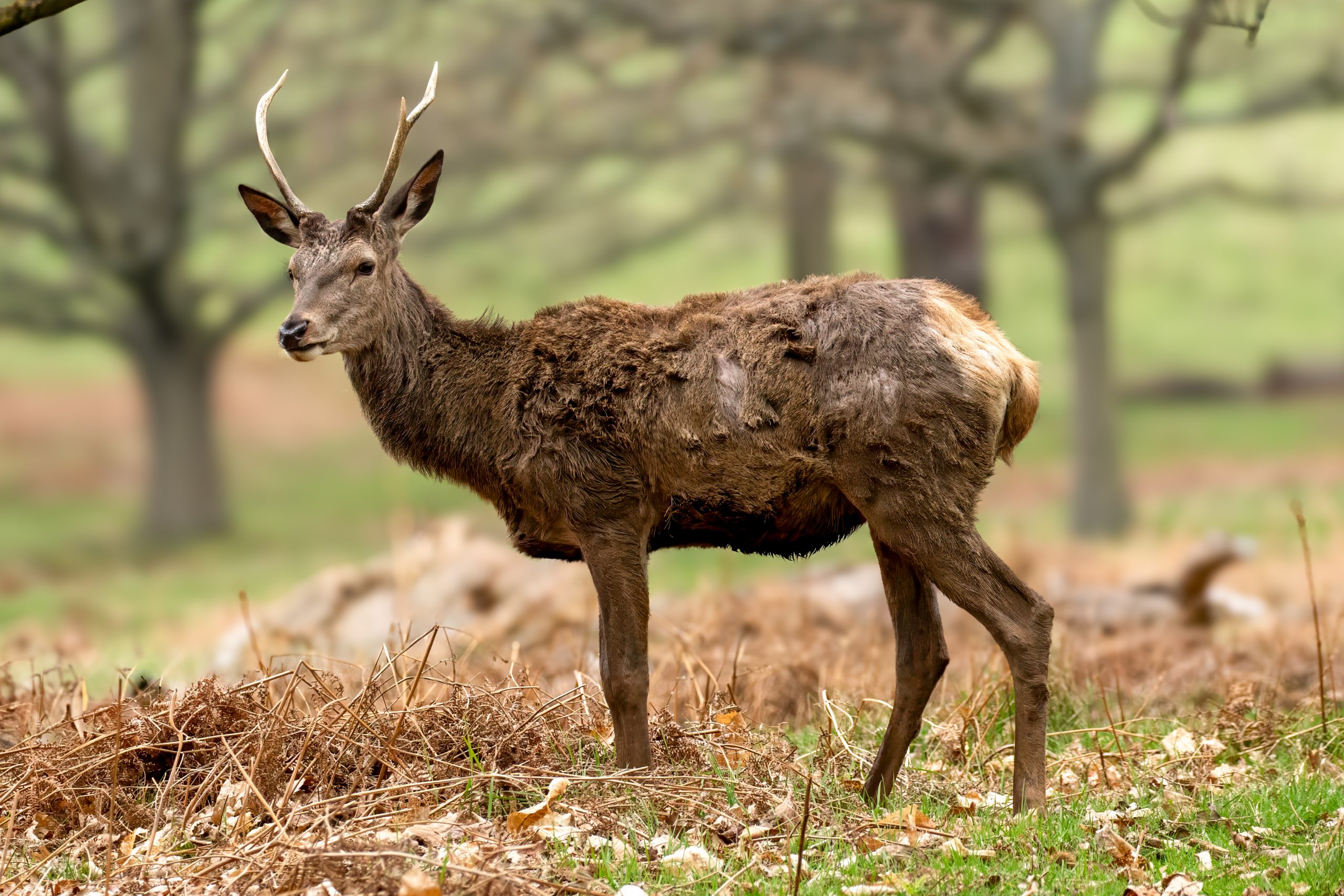
Researchers tested post-mortem blood samples from 432 free-ranging deer collected during annual population-control culls over a 12-month period. Red deer made up 347 of the animals, while the sample also included 63 European fallow deer (Dama dama), 19 European roe deer (Capreolus capreolus) and one muntjac; species was not recorded for two animals. Overall, 69 samples, or 16.0%, were positive in the antibody test. Because the test has only moderate sensitivity in deer, some infected animals can test negative; the researchers therefore adjusted the observed positivity to estimate the underlying seroprevalence.
Estimated true seroprevalence was 26.6% in red deer
After accounting for the imperfect diagnostic accuracy of the test, the estimated true seroprevalence was 27.4% across the full sample and 26.6% in red deer. The corresponding estimates were 27.2% in fallow deer and 36.8% in roe deer. The apparently higher roe-deer value was based on only 19 animals, and the authors found little evidence of a real difference between deer species. They likewise found little evidence of overall differences between sexes or age classes, although no animals under one year old tested positive.
Opportunistic carcass sampling limits population-wide interpretation
The authors note that the carcasses were sampled opportunistically, so sampling bias cannot be excluded, and that the seroprevalence estimate depends on the assumed sensitivity and specificity of the antibody test. They describe the overall estimate as being at the upper end of values previously reported for deer worldwide and recommend interpreting it together with species ecology, disease pathology and other epidemiological evidence when assessing transmission risks between cattle and wild deer.
Disease, parasites & microbiology
Related news
Roe Deer Had Higher Blood Cadmium and Zinc Than Red Deer in Eastern Slovakia
Blood from semi-free-ranging red deer and roe deer in eastern Slovakia showed generally low toxic-element burdens and similar…
Read story →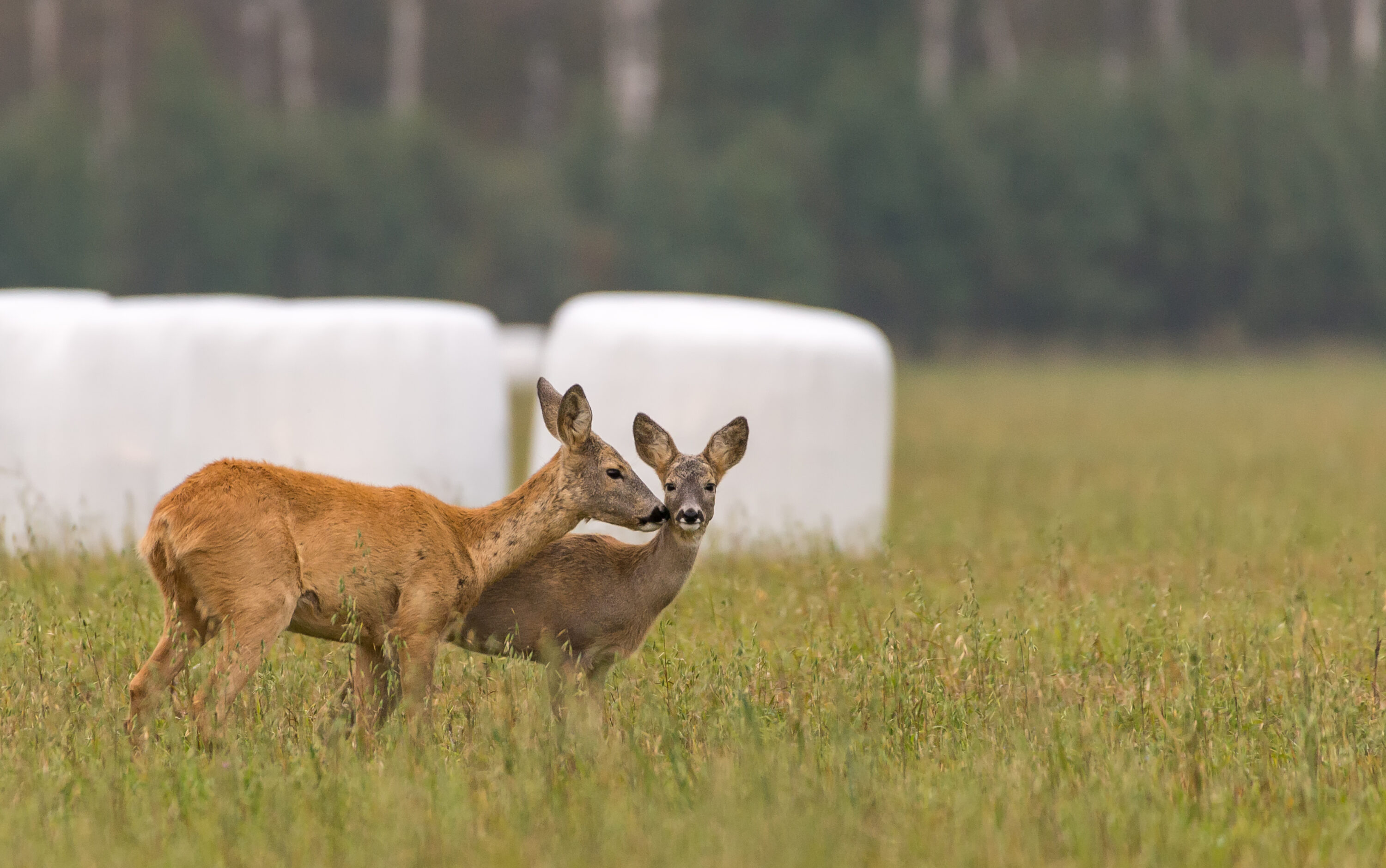
Metagenomics and Histology Gave Complementary Views of Parasites in Red Deer and European Roe Deer
In 106 wild cervids from Mecklenburg-Western Pomerania, Germany, faecal metagenomics revealed seasonal parasite dynamics in red deer while…
Read story →
Forest Disturbance Increased Modelled Habitat Suitability for Four European Herbivores
Tracking data from 3,069 animals showed that forest disturbance generally increased modelled relative habitat suitability for moose, red…
Read story →SPECIES IN THIS STORY
Species in this story


Independent research and conservation news archive
Did you find this information useful?
Wildlife Vagabond is independently built and maintained. Voluntary support helps cover source verification, hosting and continued work on research and conservation news.
Support Wildlife VagabondThe news archive will remain freely available.