
Faecal egg counts missed many nematode infections in African ungulates
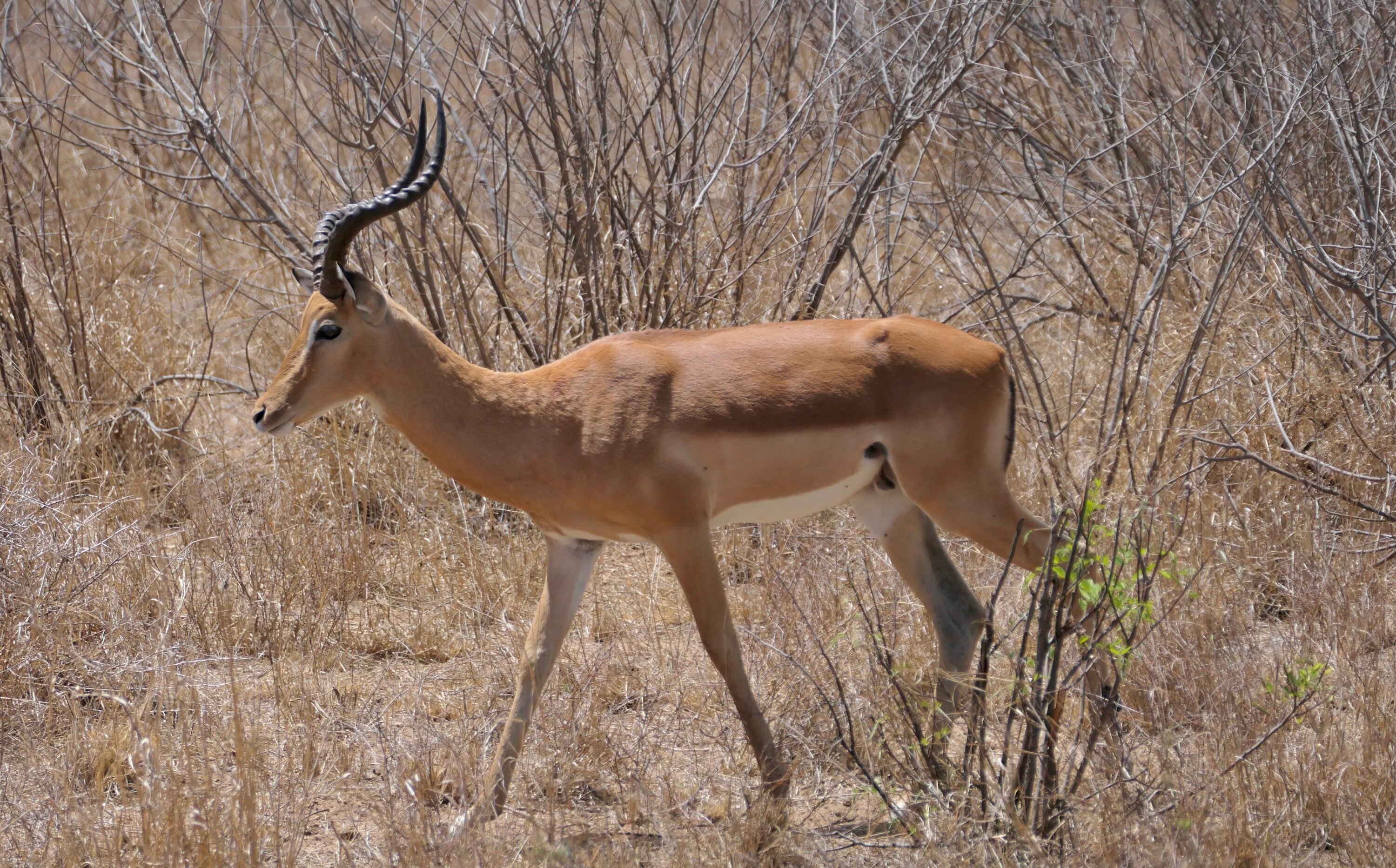
Counting parasite eggs in an animal’s faeces is a practical way to investigate infection without having to find adult parasites inside its body. But the number of eggs shed may not give a reliable measure of how many adult worms are present. A study of three African ungulates in South Africa’s Kruger National Park found that faecal egg counts often detected infections less often than searches for adult worms did.
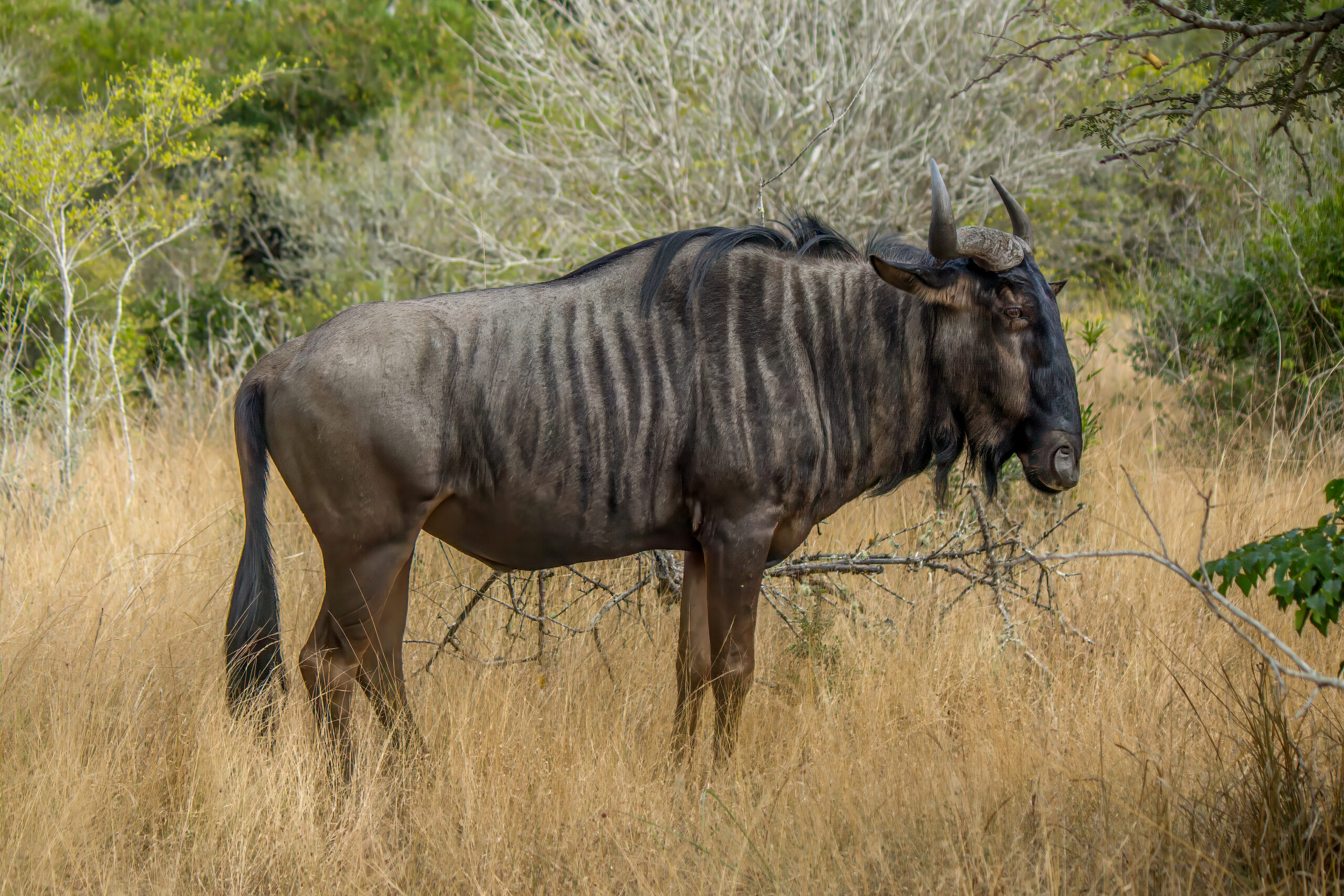
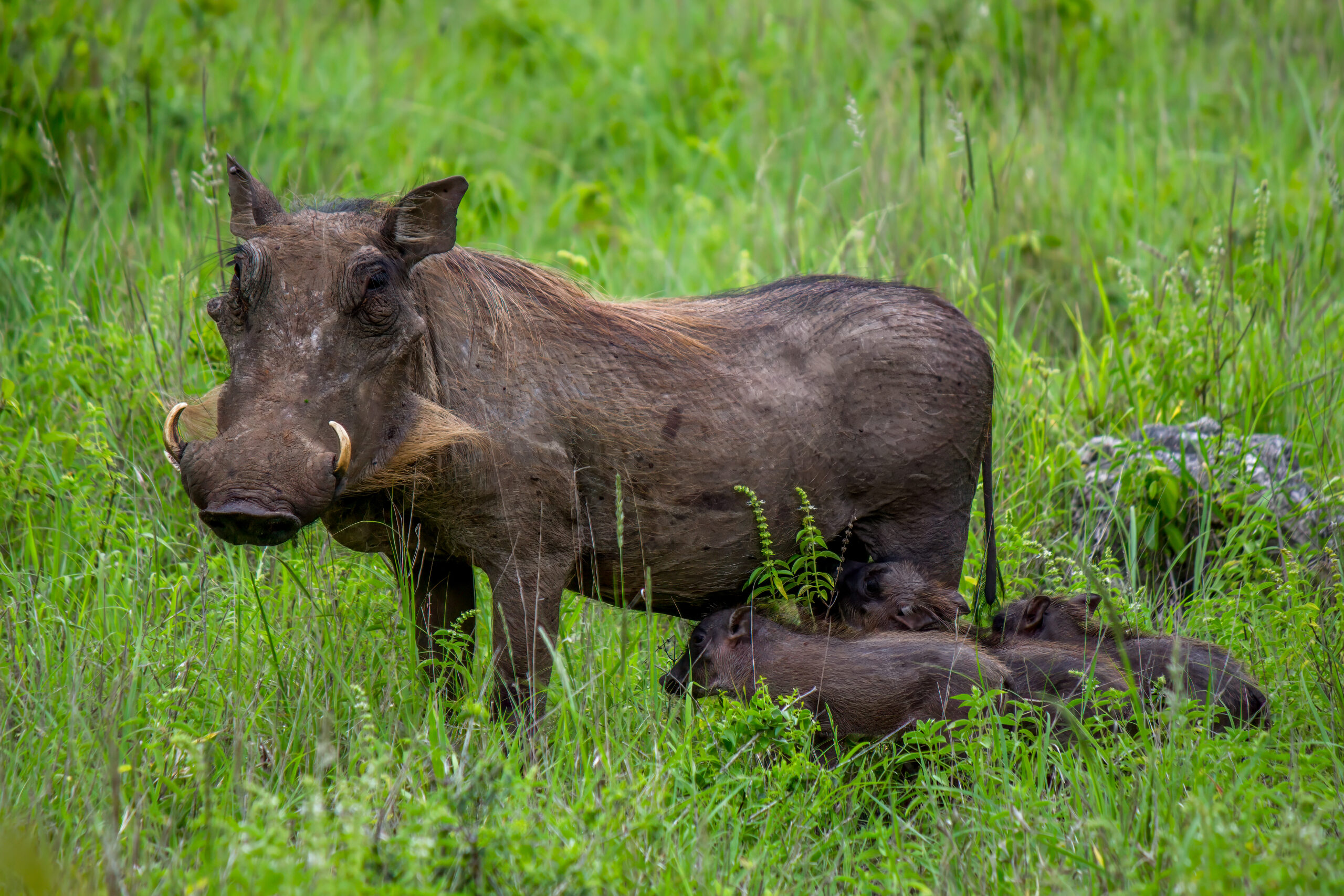
The researchers reanalysed data from surveys conducted between 1977 and 1981. They compared eggs per gram of faeces with adult gastrointestinal nematodes—parasitic roundworms living in the digestive tract—recovered from the same animals after they had been killed. The study included 110 impalas (Aepyceros melampus), 49 Blue Wildebeest (Connochaetes taurinus) and 59 Common Warthogs (Phacochoerus africanus).
Egg counts did not tell the whole story
The difference was striking for some parasites. Adult Gaigeria pachyscelis were found in 77.3% of the impalas, but eggs attributed to this nematode were detected in faeces from only 12.7%. In Blue Wildebeest, adult Strongyloides papillosus were found in 24.5% of animals, while its eggs were detected in 10.2%. In Common Warthogs, the corresponding figures were 5.1% for adult worms and 1.7% for faecal eggs.
Egg counts were significantly but only weakly associated with adult worm counts in impalas and Blue Wildebeest. The researchers detected no such relationship in Common Warthogs. The result also depended on how parasites were grouped: in impalas, egg counts were associated with adult counts for individual nematode groups, but the relationship was not statistically supported when all groups were pooled.
The two measures also gave contrasting results for age. Among impalas at Skukuza, faecal egg detections suggested that a slightly larger share of young animals was infected, whereas adult-worm examinations suggested the reverse. The differences between age groups were small, but the direction changed with the measurement method. More generally, comparisons by sex and season also differed, so the authors concluded that faecal analysis alone was unsuitable for studying these patterns in the sampled populations.
The biological reason is that a parasite count and an egg count measure different things: nematode species differ in egg production, and even a given worm’s egg output can vary with host condition, season or stage of infection. An animal may therefore harbour adult worms while shedding few detectable eggs. The study did not determine which factor caused each discrepancy. Egg counts can be useful, but the results show they should not automatically be treated as a direct measure of adult worm burden. Their relationship with adult infections differed among the three hosts and among parasite groupings, so findings from faecal samples need to be interpreted in the context of the host and parasites being studied.
The authors noted that faecal egg output can still help researchers investigate transmission: eggs shed into the environment are linked to the infective stages that hosts may encounter. They also stressed the importance of identifying parasites as precisely as possible. The analysis used archival data, and the authors cautioned against generalising beyond these host–parasite systems.
Disease, parasites & microbiology
Related news
Food Leaves Its Mark on the Gut Bacteria of Kruger’s Wildlife
Gut bacteria in nine mammal species from Kruger National Park followed clear patterns linked to food and digestion.…
Read story →
Impala fGCM Levels Were 57% Higher on Dry-Season Weekends in Four-Species Tourism Study
At Somabula, impala fGCM levels were about 57% higher over dry-season weekends than weekdays, while the other three…
Read story →
More Sensitive PCR Revealed Rickettsia DNA in Six New South African Wildlife Hosts
Nested PCR detected Rickettsia DNA in 32 of 73 previously negative wildlife samples and produced first host records…
Read story →SPECIES IN THIS STORY
Species in this story

Independent research and conservation news archive
Did you find this information useful?
Wildlife Vagabond is independently built and maintained. Voluntary support helps cover source verification, hosting and continued work on research and conservation news.
Support Wildlife VagabondThe news archive will remain freely available.