
Male and Female Fallow Deer Followed Different Daily Schedules Outside the Rut
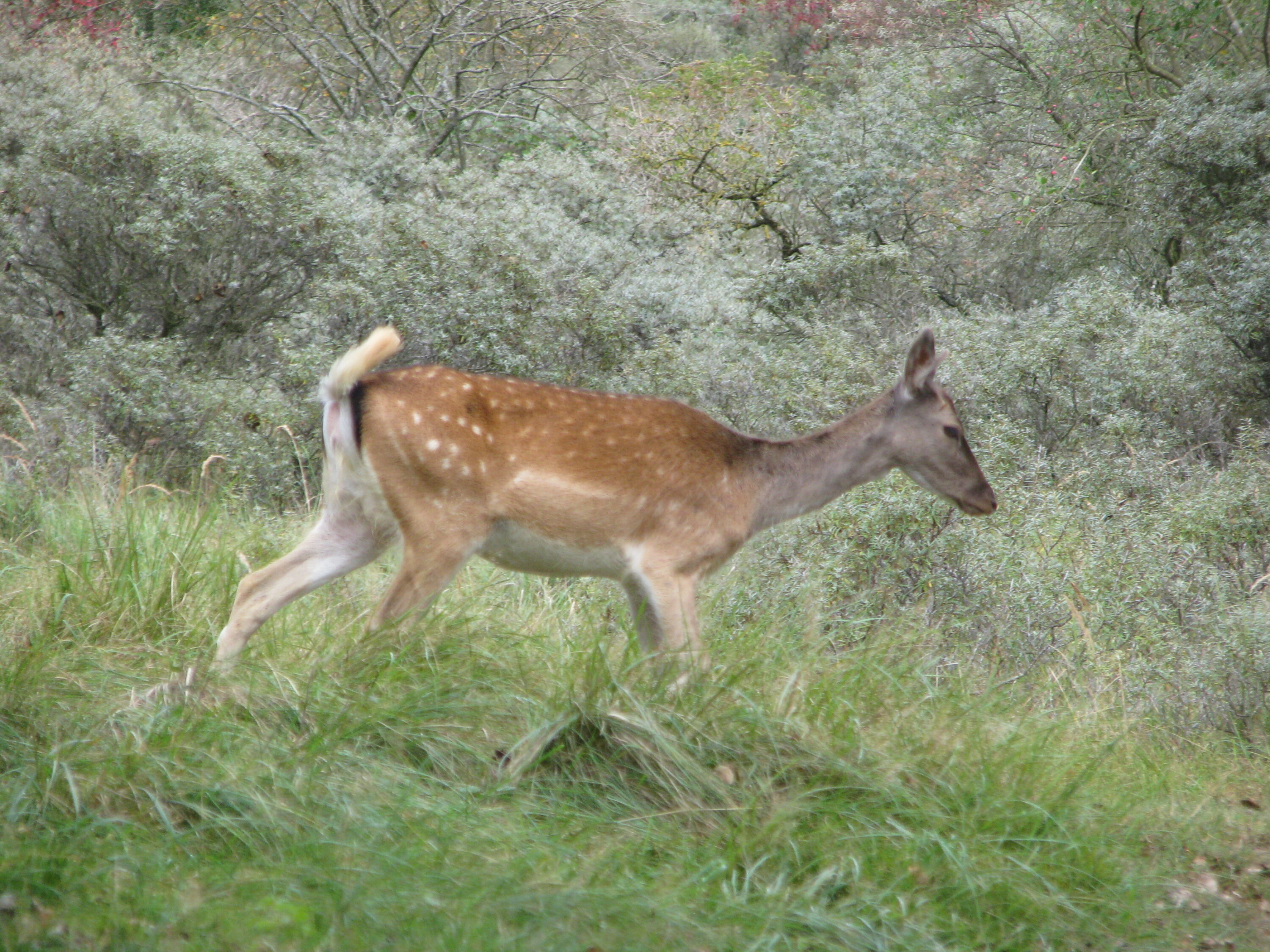
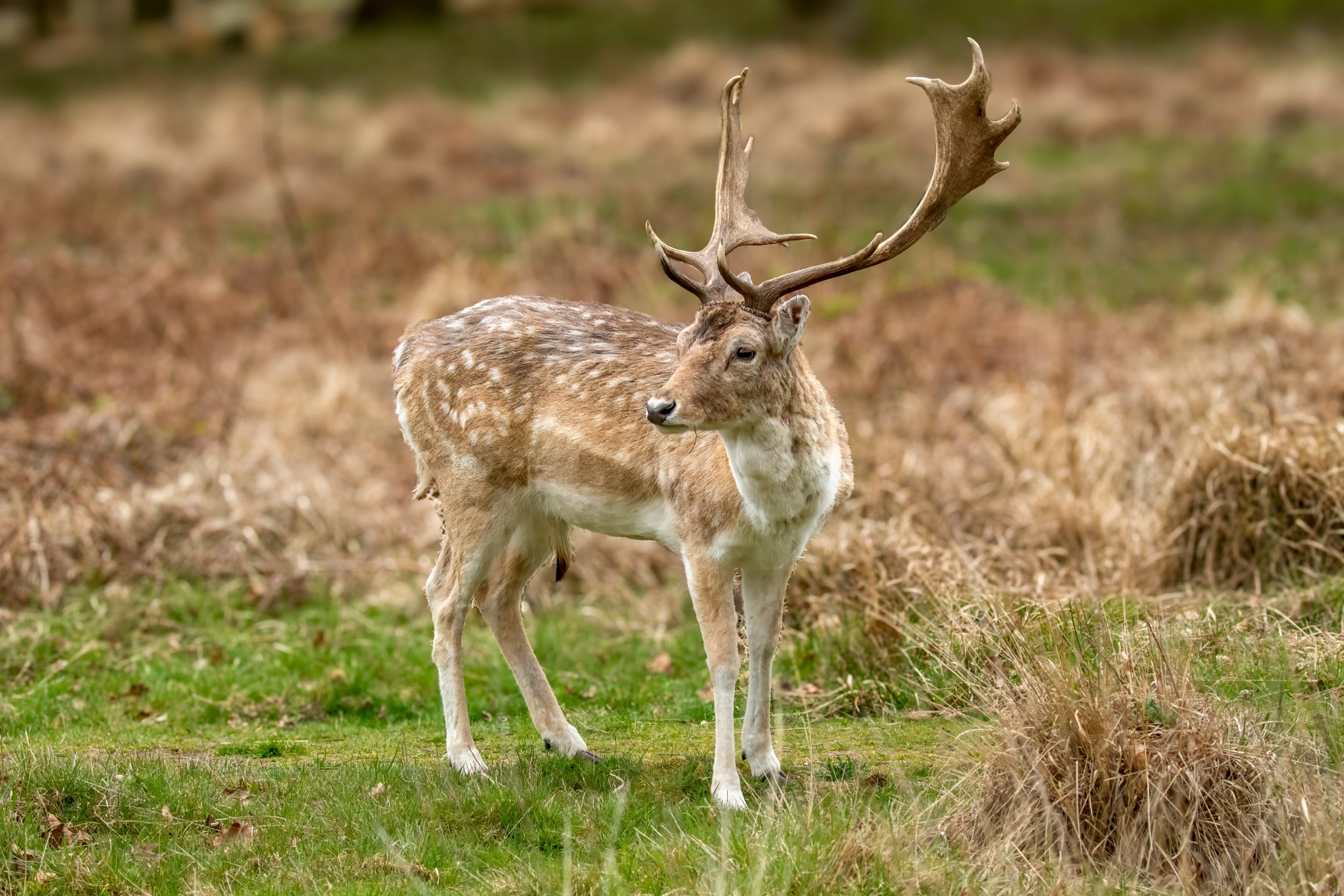
European fallow deer in a heavily managed Dutch dune reserve were consistently more active in low light than during the day, but males and females followed different seasonal schedules outside the rut. Researchers analysed 4,114 sexed camera-trap detections from the Amsterdamse Waterleidingduinen and found that the apparent spring increase in daytime activity was driven largely by males.
The study used 49 cameras during three 10-day periods representing the birthing season in April 2024, the rut in October 2024 and the post-rut period in January 2025. Activity was classified relative to the amount of daylight, twilight and darkness available in each season, so seasonal changes in day length would not by themselves look like behavioural change.
Night and twilight dominated overall
At population level, fallow deer (Dama dama) preferentially used twilight and night. During the rut and post-rut periods the best description was a nocturnal–twilight pattern, while the birthing season shifted toward a predominantly twilight pattern. Daytime remained used less than expected from its availability.
Pooling the sexes, however, concealed important differences. During the rut, males and females had broadly similar activity peaks around sunset and the early night, and their temporal overlap was highest. Outside the mating season their schedules diverged.
Females remained more nocturnal
After the rut, females showed persistent nocturnal activity concentrated around sunset and night, whereas males used a broader part of the day. The divergence became especially clear in the birthing season: females continued to favour low-light periods, while males increased twilight and daytime activity.
The study therefore shows that the springtime shift toward more daytime activity was not a population-wide change. It was largely produced by males. Analyses that combine both sexes would miss this sexual segregation in activity timing.
A landscape shaped by people
The Amsterdamse Waterleidingduinen receives substantial daytime recreation, lacks large natural predators and has had a population-control programme since 2016. Culling occurs mainly from November to March and focuses particularly on females and fawns. These conditions create a landscape in which human disturbance and management vary through both the day and the year.
These differences could reflect several processes. Males may change how they forage and recover energy reserves after the costly autumn rut, while females face different energetic demands during pregnancy and when caring for fawns. Daytime recreation and sex-biased culling could also affect when each sex moves, but the camera study cannot determine which mechanism explains the patterns. The finding has a practical consequence for wildlife monitoring: surveys conducted at only certain times of day may detect proportionally fewer of the more nocturnal females. The study did not measure a bias in population estimates, but it shows why combining both sexes can conceal an important aspect of fallow deer behaviour.
Behaviour
Related news
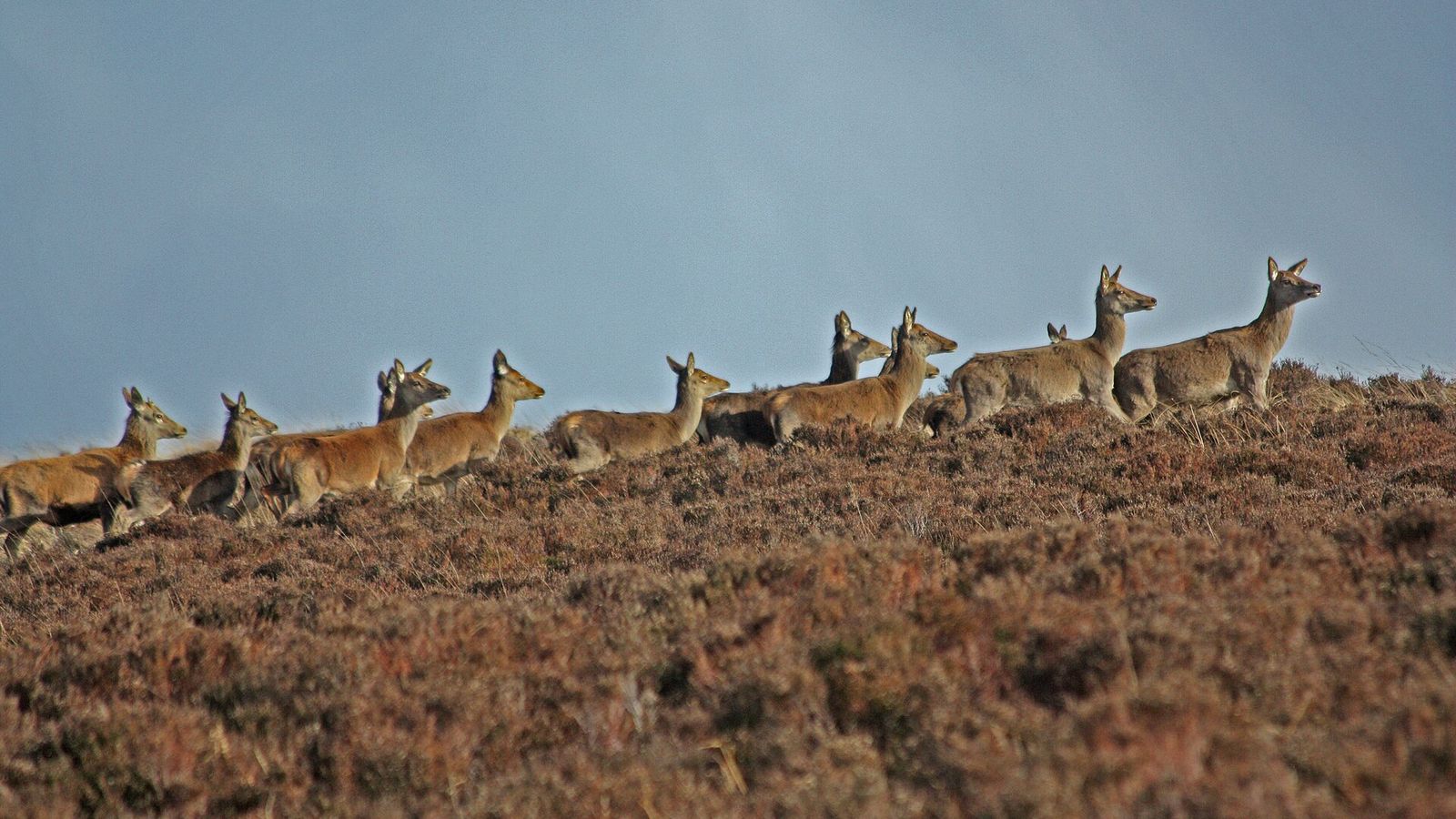
Estimated M. bovis Seroprevalence Was 26.6% in Exmoor Red Deer
A survey of 432 wild deer in the Exmoor area estimated Mycobacterium bovis seroprevalence at 26.6% in red…
Read story →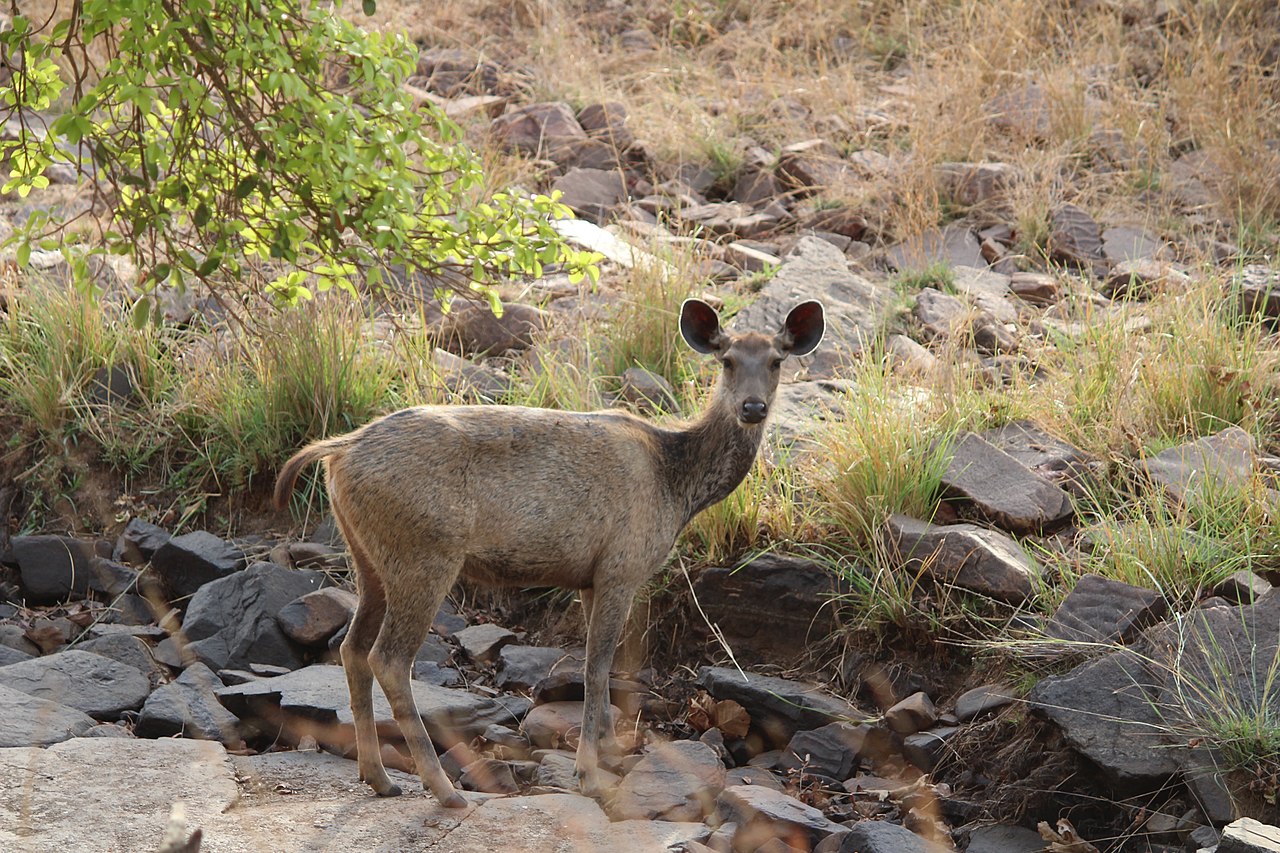
Wild Deer Near Farmland Had Greater Strongyle Diversity in Victoria
Metabarcoding of 194 faecal samples from sambar, fallow and hog deer in Victoria detected 11 strongyle taxa. Deer…
Read story →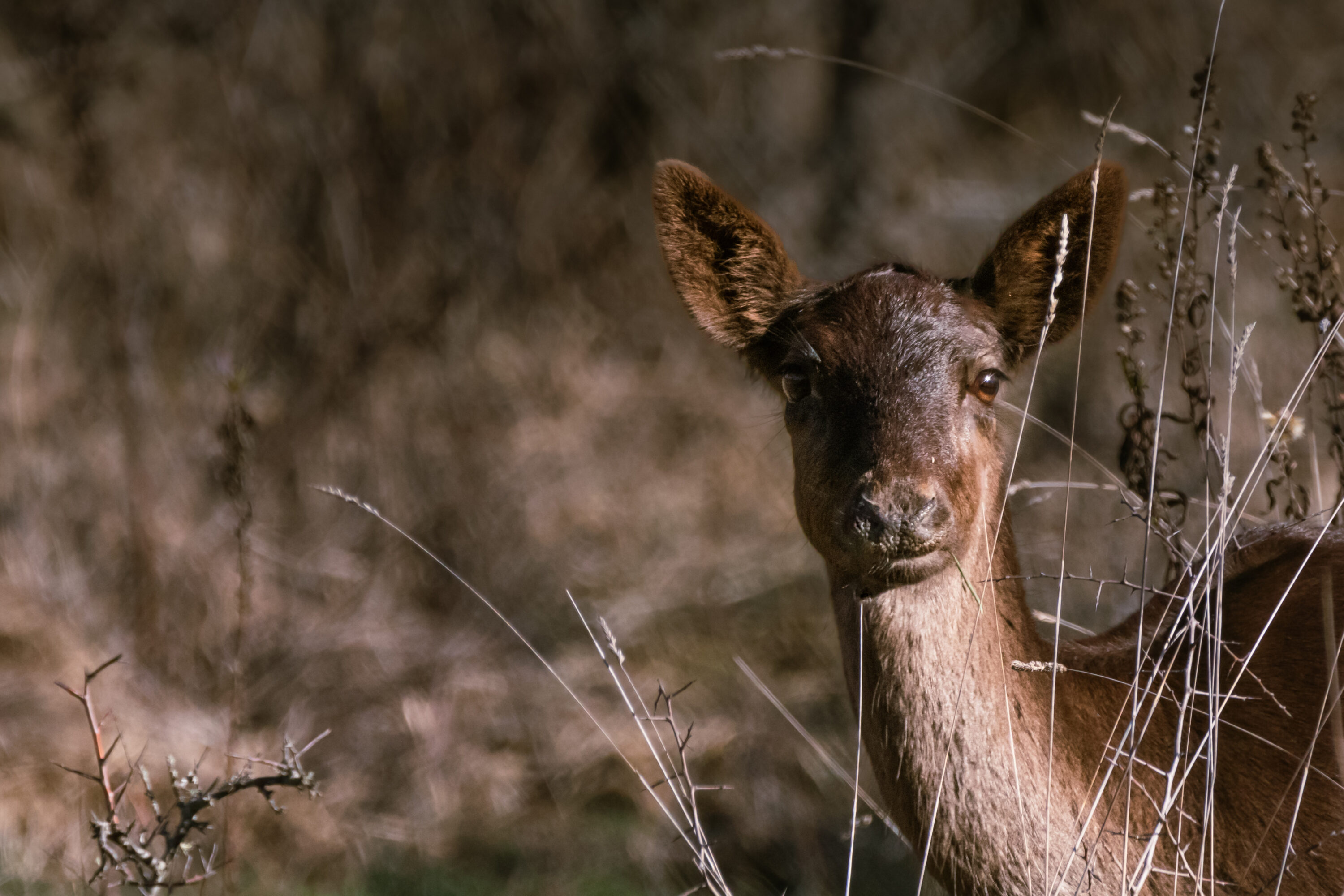
First Published Uterine Leiomyoma Reported in a Free-Ranging European Fallow Deer
A free-ranging fallow deer in Hungary had a benign uterine smooth-muscle tumour, retained fetal cranial bones and a…
Read story →SPECIES IN THIS STORY
Species in this story
Independent research and conservation news archive
Did you find this information useful?
Wildlife Vagabond is independently built and maintained. Voluntary support helps cover source verification, hosting and continued work on research and conservation news.
Support Wildlife VagabondThe news archive will remain freely available.