
Fat Reserves and Migratory Strategy Interacted in Northern Wheatear Phospholipid Profiles

Plasma phospholipid profiles in migrating Northern Wheatears (Oenanthe oenanthe) on Helgoland, Germany, depended jointly on the birds’ fat reserves and their migratory strategy. A 2026 study comparing the nominate subspecies O. o. oenanthe with O. o. leucorhoa found that phospholipid concentrations did not follow one simple pattern shared by both groups. Instead, the relationship between relative fat mass and several plasma lipids differed between the two subspecies.
The two forms use Helgoland as a spring stopover before continuing toward different breeding areas, but they face different onward journeys. The researchers therefore asked whether birds preparing for different migratory demands also showed different relationships between their fuel stores and the lipid molecules circulating in their blood.
Phospholipids link cell membranes and fat metabolism
Phospholipids are organic molecules built from fatty-acid-containing lipid components and a phosphate-containing head group. They are major structural components of cell membranes, where their composition influences membrane properties and the movement and handling of other lipids. In migratory birds they may also be relevant to the transport of dietary fatty acids and the rapid deposition and mobilisation of fat needed for endurance flight.
The researchers used lipidomics to examine the plasma phospholipid profile. Lipidomics measures many individual lipid molecules at the same time rather than treating all fats as one pool. The birds’ body composition was assessed with quantitative magnetic resonance, a non-invasive method that allowed the researchers to estimate relative fat mass and compare the chemical profile of the blood with each bird’s fuel load.
The same increase in fat did not produce the same lipid pattern
The central result was a cross-over interaction between subspecies, relative fat mass and phospholipid concentrations. In practical terms, birds with more stored fat did not show the same change in plasma phospholipids in both subspecies: the direction or strength of the relationship depended on which migratory form the bird belonged to. The study therefore did not identify a single phospholipid profile that simply increased or decreased with body condition across all Northern Wheatears.
This distinction matters because the two subspecies represent different migratory strategies. The chemical pattern suggests that the lipid state associated with carrying a given amount of fuel may differ according to the demands of the onward journey, rather than fat reserves alone determining the circulating phospholipid profile.
Candidate lipids for studying endurance flight
The authors interpret the highlighted phospholipids as candidates for future work on the biochemical and physiological mechanisms of endurance flight. Lysophosphatidylinositol (LPI) is discussed as potentially relevant to refuelling during stopover, while the phosphatidylethanolamines PE 34:1 and PE 40:4 belong to a lipid class involved in membrane organisation and processes linked to oxidative phosphorylation and mitochondrial biogenesis. Mitochondrial biogenesis is the process by which cells increase and remodel the mitochondria that produce much of their usable energy. These functional links make the lipids plausible candidates for further study, but the present results do not show that they cause better refuelling or flight performance.
The study does not show that particular phospholipids cause one migratory strategy or directly improve flight performance. Instead, it identifies chemical signatures that vary with both condition and migratory strategy and can now be tested more directly in future studies of how long-distance migrants build, transport and use their lipid stores.
Molecular biology & biochemistry
Related news
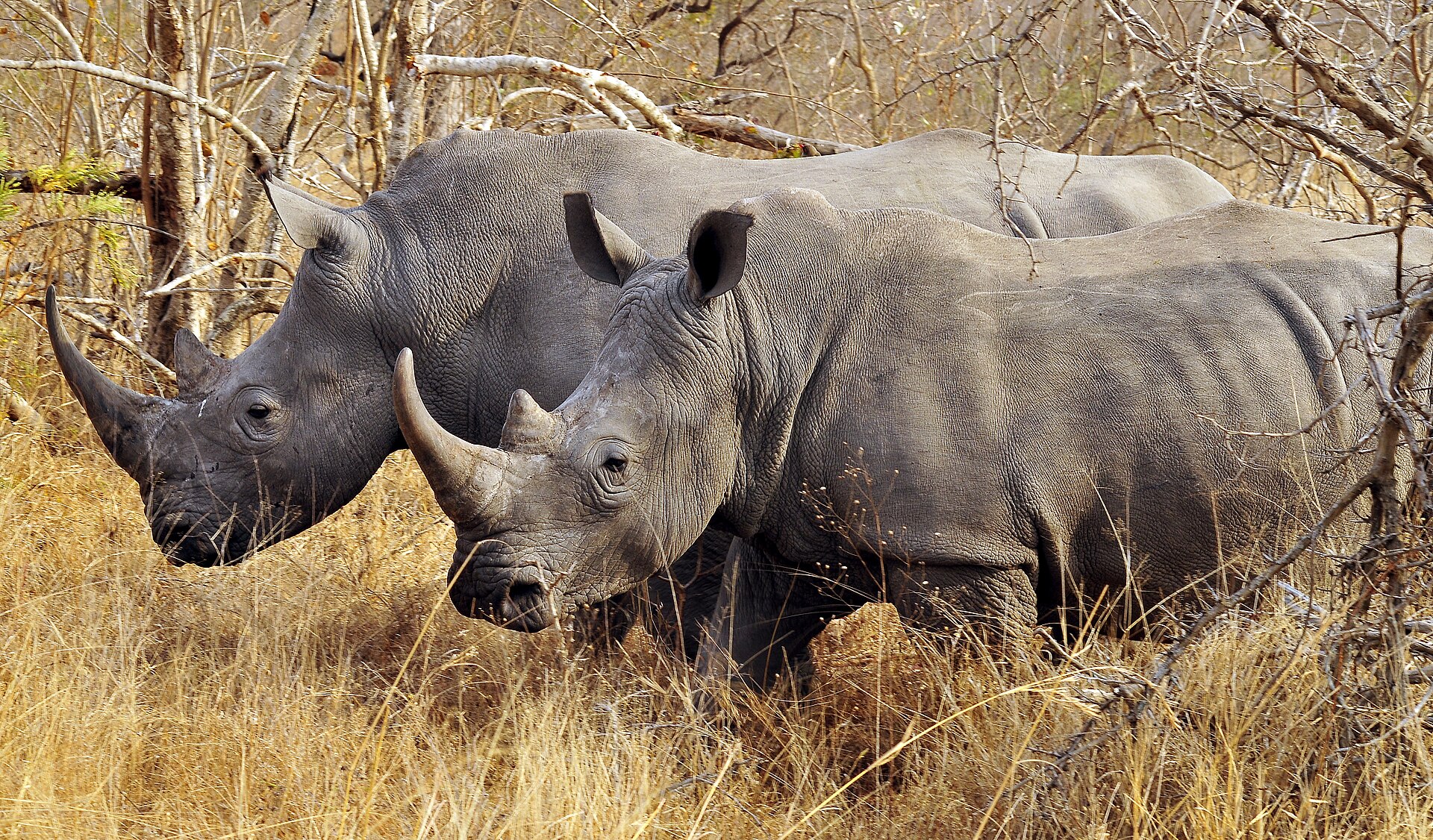
Giraffe and White-Rhino Plasma Showed Robust Differences Across 28 Metabolites
A South African ¹H-NMR study found 28 robust plasma-metabolite differences between giraffes and white rhinoceroses. Giraffes had higher…
Read story →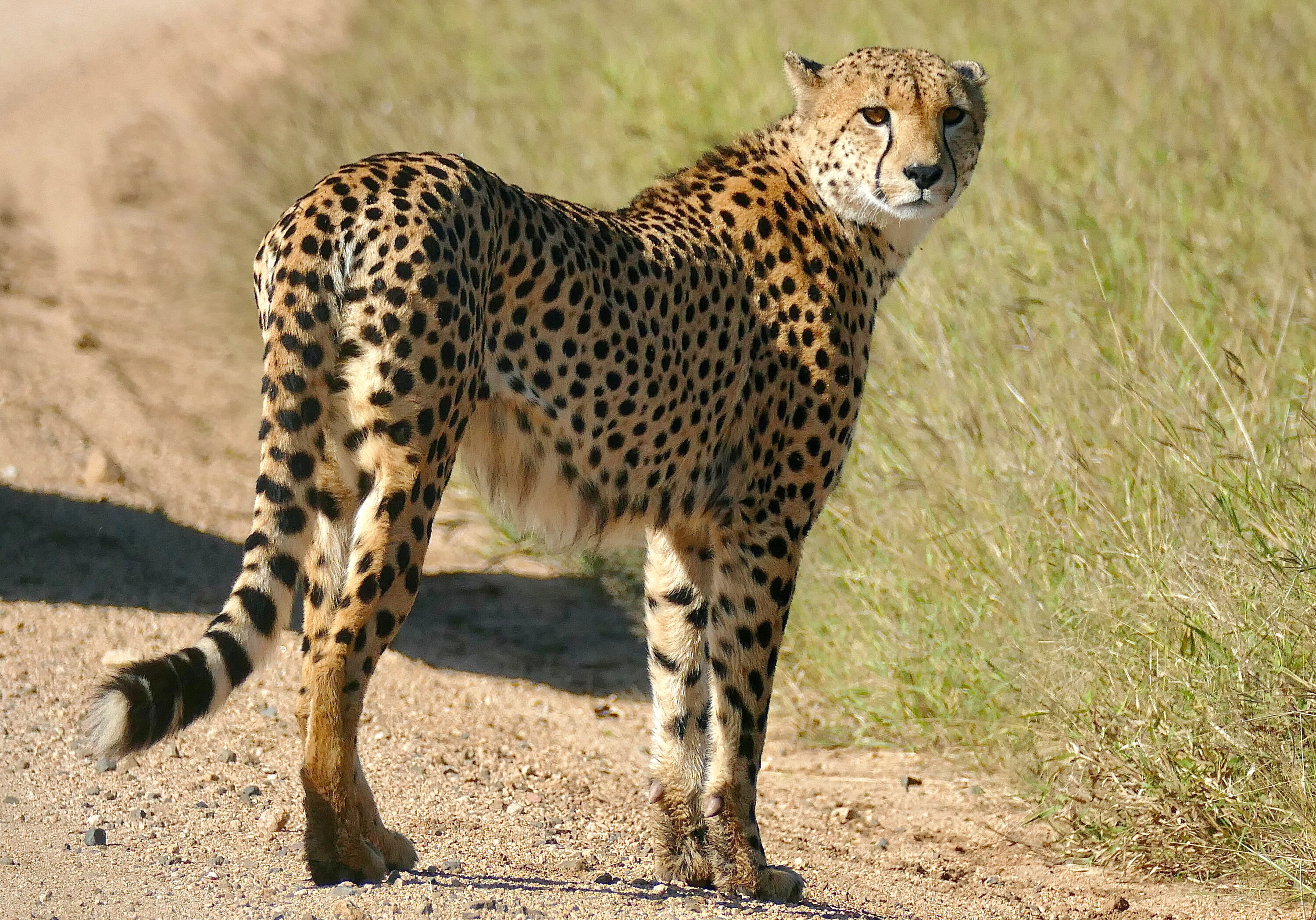
DNA Methylation Shifted as Namibian Male Cheetahs Became Territorial
Paired blood samples from ten free-ranging Namibian males revealed widespread, predominantly increased DNA methylation after the same cheetahs…
Read story →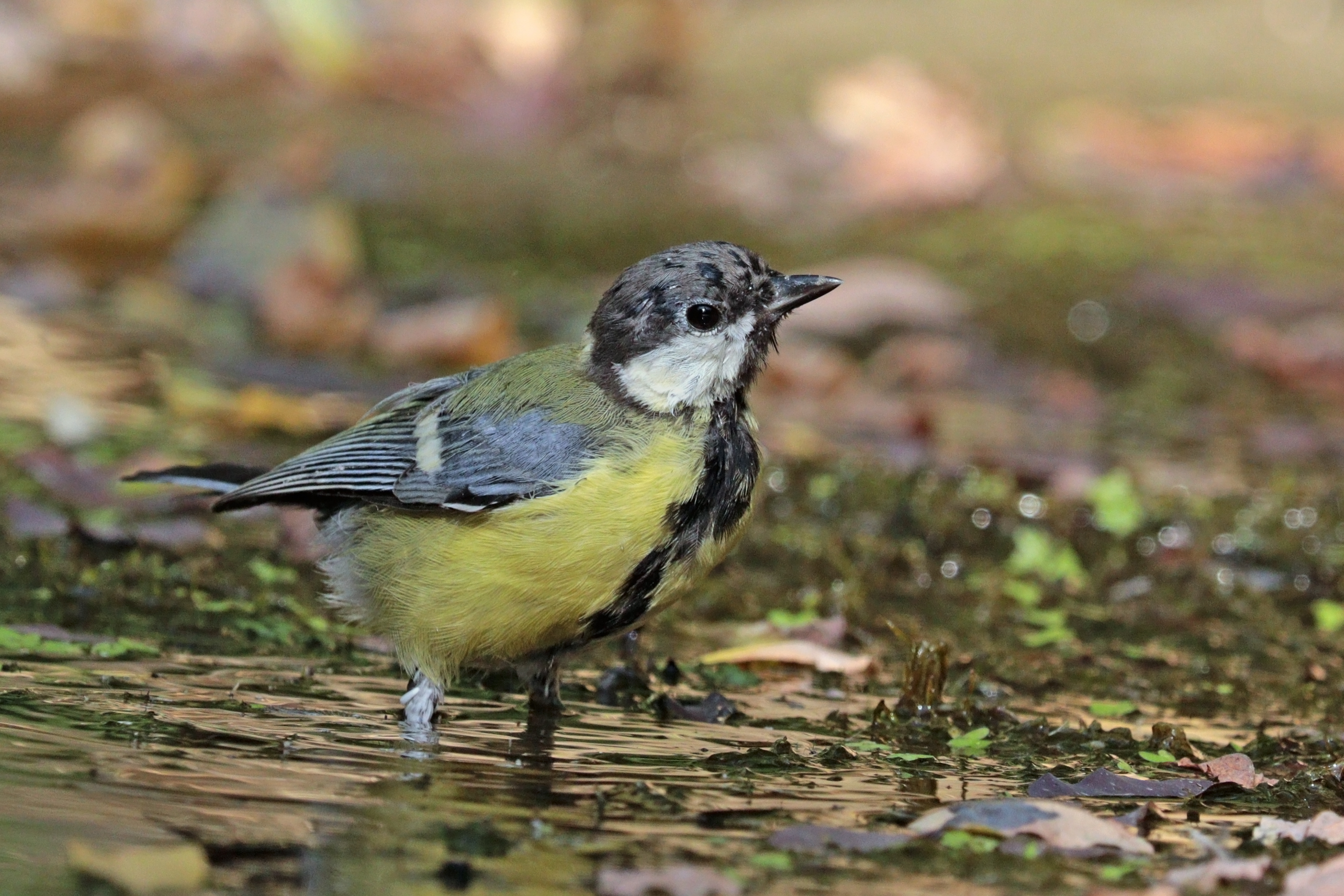
Veterinary Insecticides Were Found in Great Tit Nests in Both Urban and Protected Forest Habitats
Researchers analysed fur-containing material from 63 Great Tit nests in Hungary. Urban nests contained more insecticides and higher…
Read story →SPECIES IN THIS STORY
Species in this story

Independent research and conservation news archive
Did you find this information useful?
Wildlife Vagabond is independently built and maintained. Voluntary support helps cover source verification, hosting and continued work on research and conservation news.
Support Wildlife VagabondThe news archive will remain freely available.