
Feline Panleukopenia Virus Was Detected in 40% of Croatian Golden Jackals
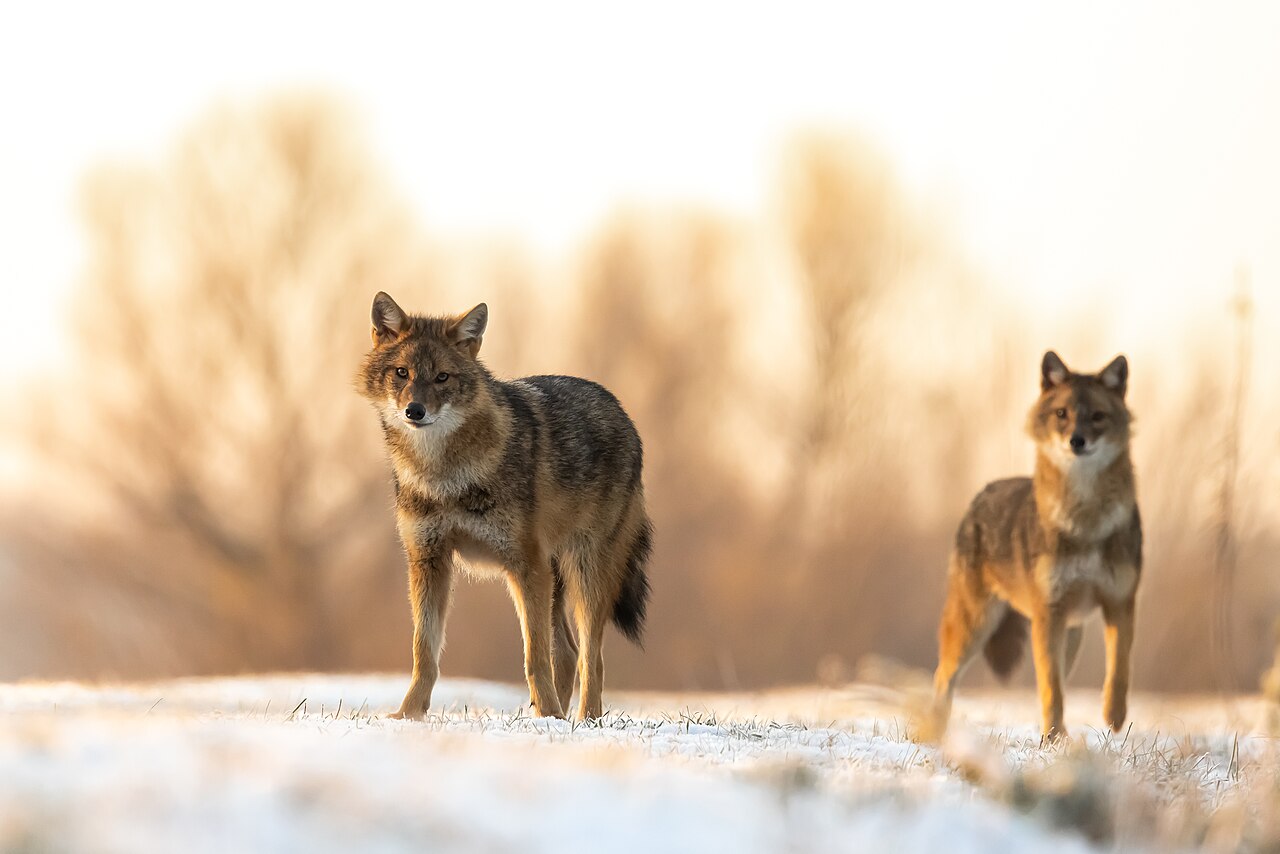
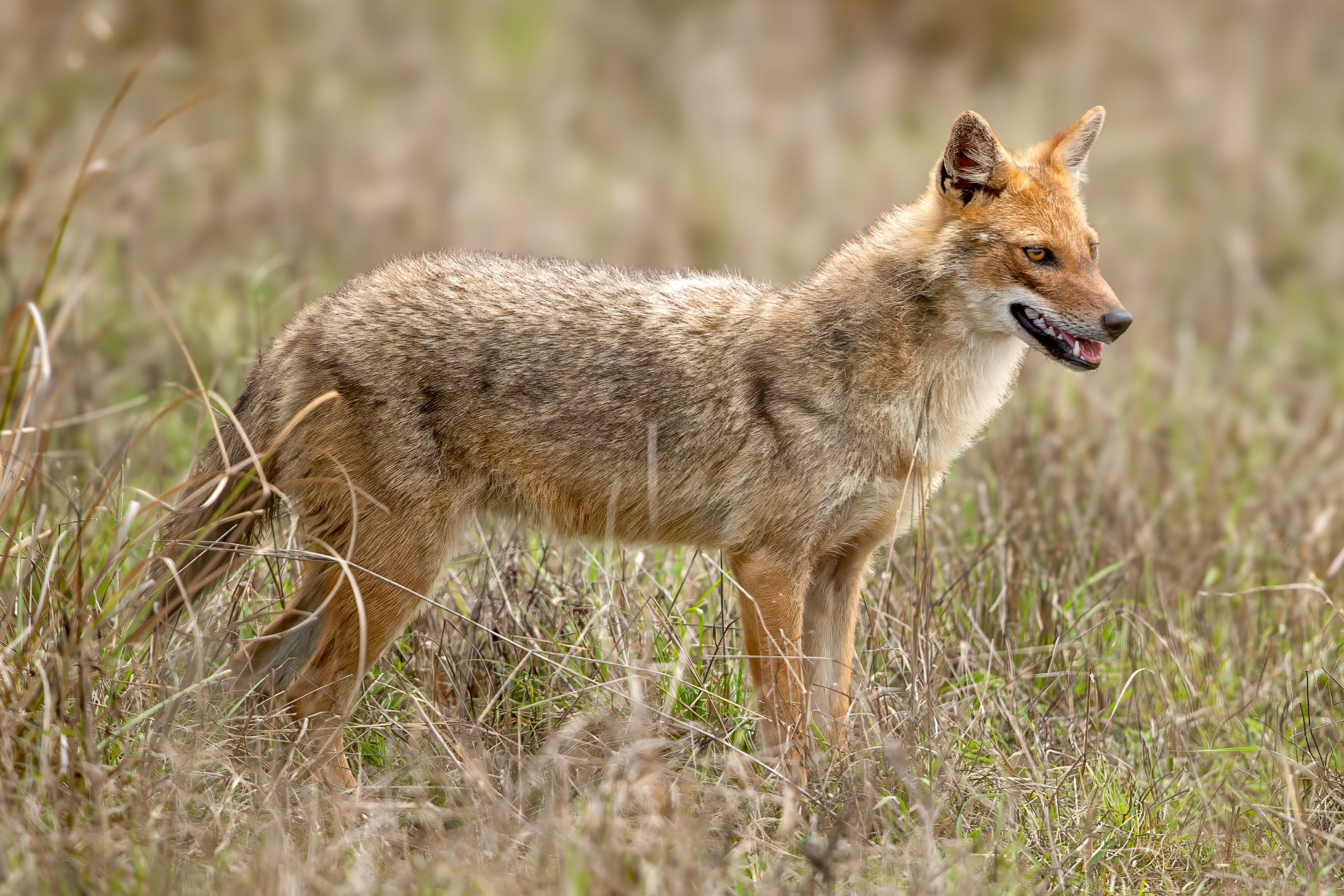
Feline panleukopenia virus (FPV) DNA was detected in the small intestine of 22 of 55 golden jackals (Canis aureus) hunted in continental Croatia in 2024 and 2025. Positive animals occurred in all three sampled counties, making this the first confirmed detection of the virus in Croatian golden jackals.
The 40% figure is the share of sampled jackals that tested positive by PCR, not a disease rate for Croatia’s jackal population. The researchers had no pathological data, so the study cannot show whether the positive animals had clinical disease.
The virus was FPV rather than canine parvovirus
Protoparvovirus carnivoran1 includes both FPV and the closely related canine parvovirus type 2 (CPV-2). Amino-acid patterns in the capsid protein VP2 identified the Croatian jackal viruses as FPV. That is notable because FPV is best known from cats, whereas most canids are much less susceptible to it.
VP2 helps determine which hosts a parvovirus can infect because it interacts with the transferrin receptor used to enter cells. FPV normally binds poorly to the canine form of this receptor. Earlier work suggests that golden jackals retain more intermediate receptor features, which the authors discuss as one possible reason FPV has now been found in jackals in Croatia as well as previously in Italy and Serbia.
Jackal and domestic-cat viruses shared genetic groups
Complete VP2 sequences were obtained from seven positive jackals and compared with FPV from 11 Croatian domestic cats submitted for routine diagnostics. Several genetic groups contained viruses from both hosts, including one group with three jackal isolates and one cat isolate.
This close relationship is compatible with transmission between domestic cats and jackals or exposure to a shared source. The sequences cannot show which host infected which, or whether transmission occurred directly between the species.
VP2 changes may matter for host adaptation
Two jackal isolates carried the A91T substitution in VP2, which was not found in the Croatian cat samples. Another change, E411Q, occurred in both jackal and cat viruses and had not previously been reported. Structural modelling placed these changes on exposed parts of the viral capsid near a region involved in antibody recognition and receptor interactions.
That location makes the substitutions biologically interesting because changes to the capsid surface can affect host range or immune recognition. The study did not experimentally test whether A91T or E411Q changes receptor binding, infectivity or disease, so their functional importance remains unresolved.
Jackals may be part of FPV circulation between wild and domestic carnivores
The authors argue that the high PCR positivity, the jackal’s unusual receptor characteristics and the genetic overlap with cat viruses make golden jackals potentially important in FPV epidemiology. They may act as reservoirs or as bridging hosts between wild and domestic animals.
That role has not yet been demonstrated. Only seven jackal VP2 sequences were available, complete viral genomes were not obtained, and the study lacked age, sex and pathological data. The firm result is that FPV DNA was common in this sample of Croatian golden jackals and that some of their viruses were closely related to FPV circulating in domestic cats.
Disease, parasites & microbiology
Related news
Similar Mammal Diversity, Different Activity Patterns in Grazed and Ungrazed Areas
Camera traps in four northern Israeli reserves found similar numbers of mammal species with and without livestock grazing.…
Read story →
Climate Best Explained Fine-Scale Genetic Connectivity in Expanding Golden Jackals
A Eurasian landscape-genomics study of 363 golden jackals found that geography dominated genetic structure at continental scale, while…
Read story →
Most New Golden Jackal Samples Around the Adriatic Matched the Pannonian Genetic Cluster
Microsatellite analysis of 27 new golden jackal samples from Croatia, Italy, Austria and Greece assigned most animals to…
Read story →SPECIES IN THIS STORY
Species in this story
Independent research and conservation news archive
Did you find this information useful?
Wildlife Vagabond is independently built and maintained. Voluntary support helps cover source verification, hosting and continued work on research and conservation news.
Support Wildlife VagabondThe news archive will remain freely available.