
Female Common Cuckoos Gave No Bubbling Call in 282 of 284 Recorded Parasitism Events
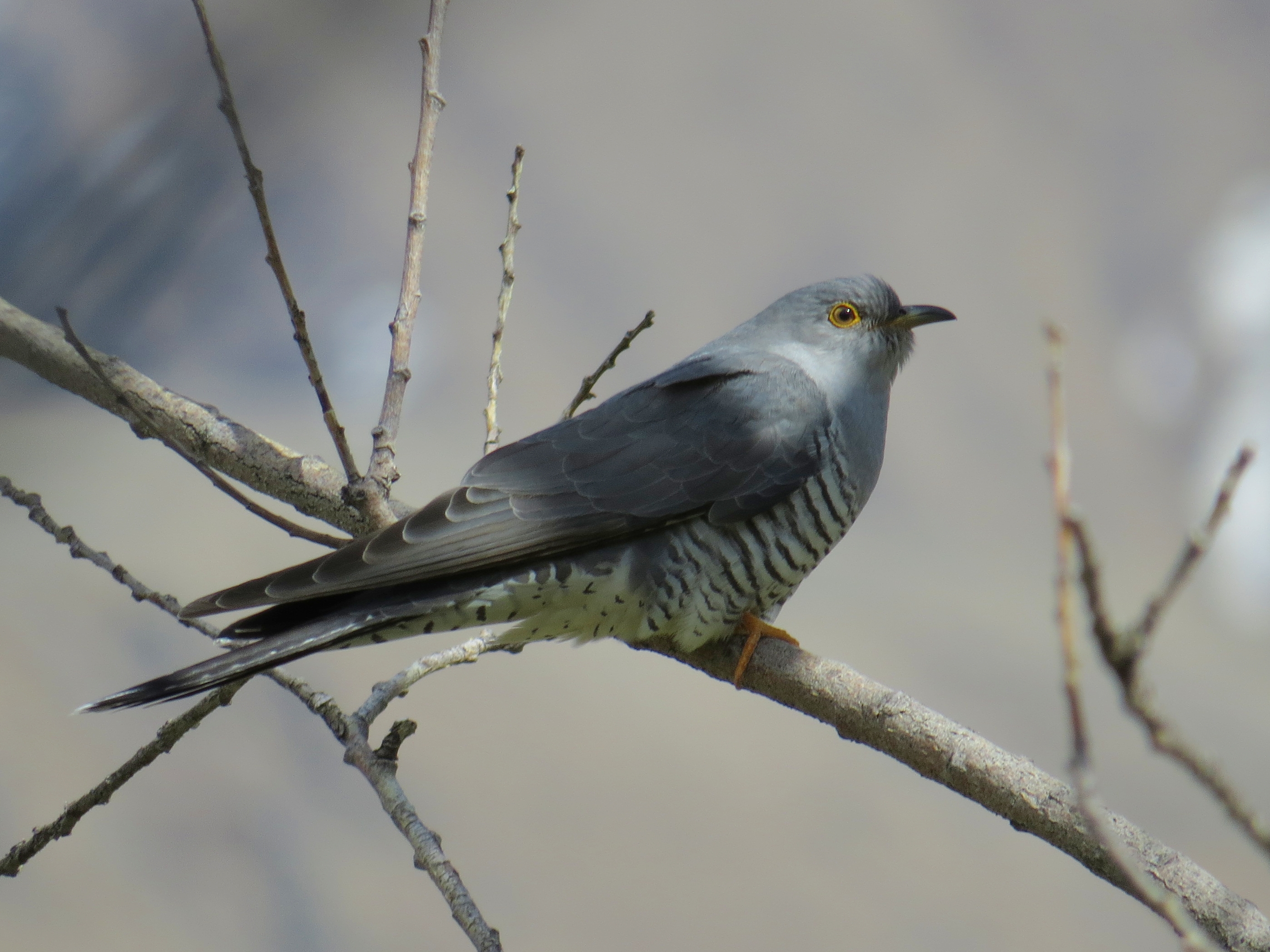
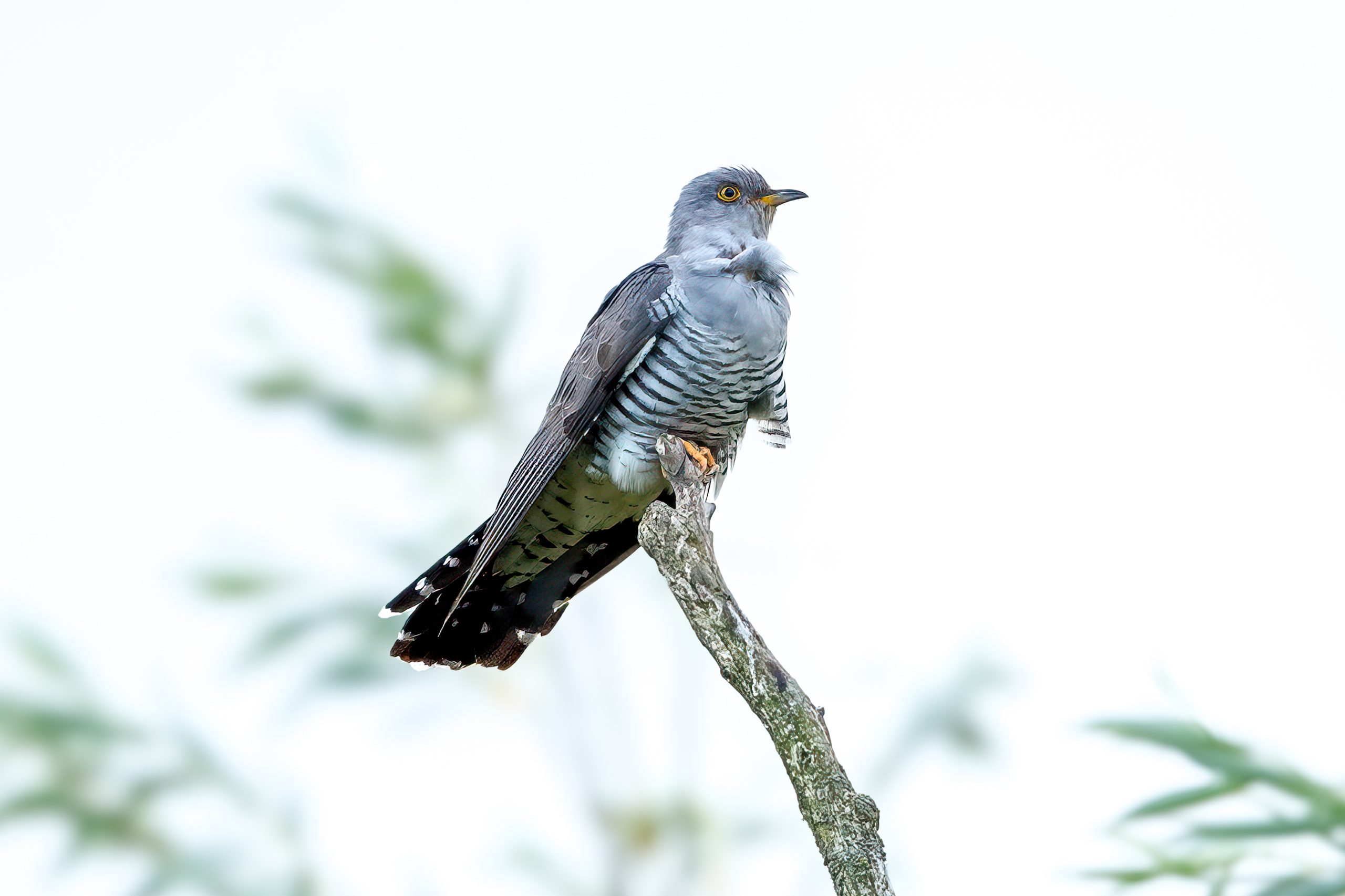
Female common cuckoos (Cuculus canorus) almost never gave their distinctive bubbling call while laying in host nests in an 11-year video dataset from China and the Czech Republic. The researchers analysed 284 recorded parasitism events at nests of oriental reed warbler (Acrocephalus orientalis) and great reed warbler (Acrocephalus arundinaceus).
In 282 of the 284 events, no bubbling call was detected during the recorded parasitism event. Calls were heard in only two cases, both at great reed warbler nests in the Czech Republic, and in both they occurred shortly after parasitism, once the cuckoo had moved outside the camera’s field of view. The authors therefore note that the caller cannot be identified with complete certainty as the same female that had just parasitised the nest.
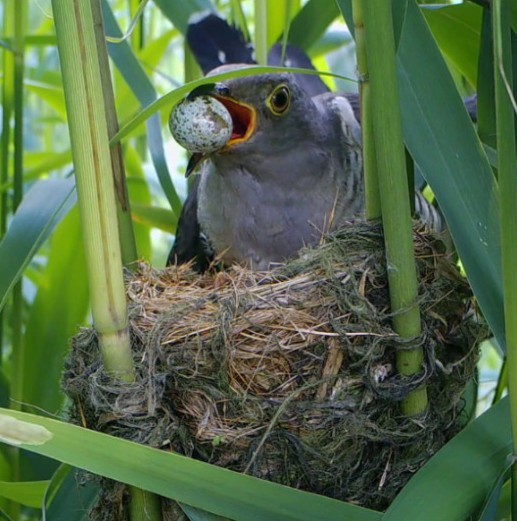
The cuckoos were mobbed in both events with bubbling calls
In both events associated with bubbling calls, the parasitising cuckoo was mobbed. In one case the great reed warbler hosts attacked the cuckoo; in the other, the hosts were absent during parasitism but a sedge warbler (Acrocephalus schoenobaenus) mobbed the female. The authors therefore argue that the observations do not support the idea that the bubbling call normally functions as a counter-defence that distracts or misdirects aggression during egg-laying.
The study was designed to assess this proposed function under natural parasitism conditions. It combined long-term video surveillance from two major host systems in Europe and Asia rather than relying on playback experiments alone.
Behaviour at the nest may constrain vocalisation
The authors also discuss practical features of the laying event that can make calling difficult. Host attacks were not merely occasional in the video material. In every event in which the hosts were present close to the parasitising female — 67 oriental reed warbler events and 25 great reed warbler events — they attacked the cuckoo, encouraging her to keep her head low while laying. Females also removed and held a host egg in the bill in 67 of 74 oriental reed warbler nests and 32 of 33 great reed warbler nests that contained eggs. Holding an egg in the bill is incompatible with producing the bubbling call with an open bill.
The authors present these observations as possible immediate behavioural reasons why vocalisation was so rare during the recorded parasitism events. At a broader evolutionary level, they suggest that the bubbling call may primarily serve functions outside the laying event — such as communication with males or territorial signalling — with any effect on host behaviour being secondary rather than the reason the call evolved.
Behaviour
Related news
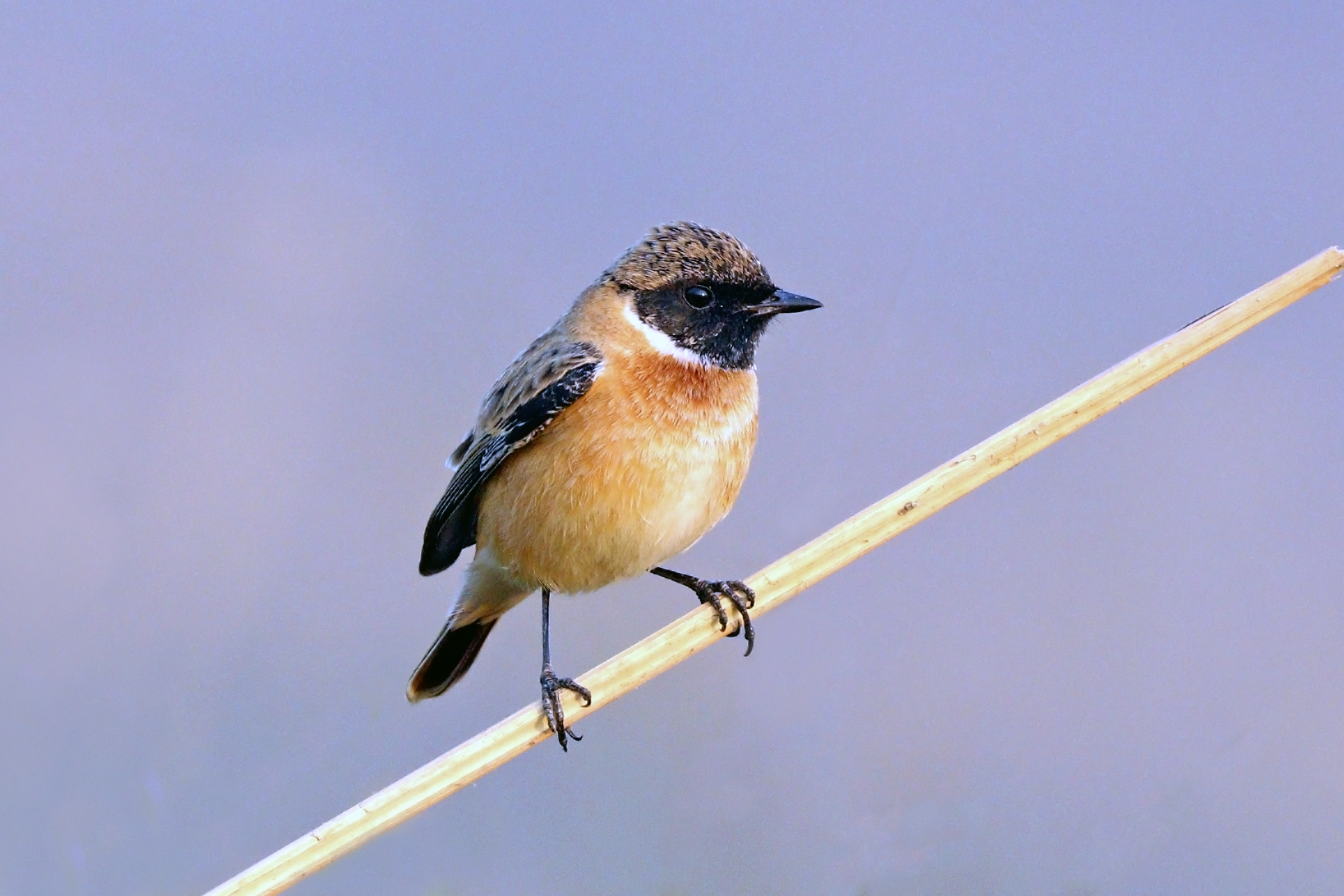
Egg Rejection Did Not Clearly Increase After Cuckoo Arrival in Two Host Species
Grey bushchats and Siberian stonechats showed no clear increase in foreign-egg rejection after common cuckoos arrived. The result…
Read story →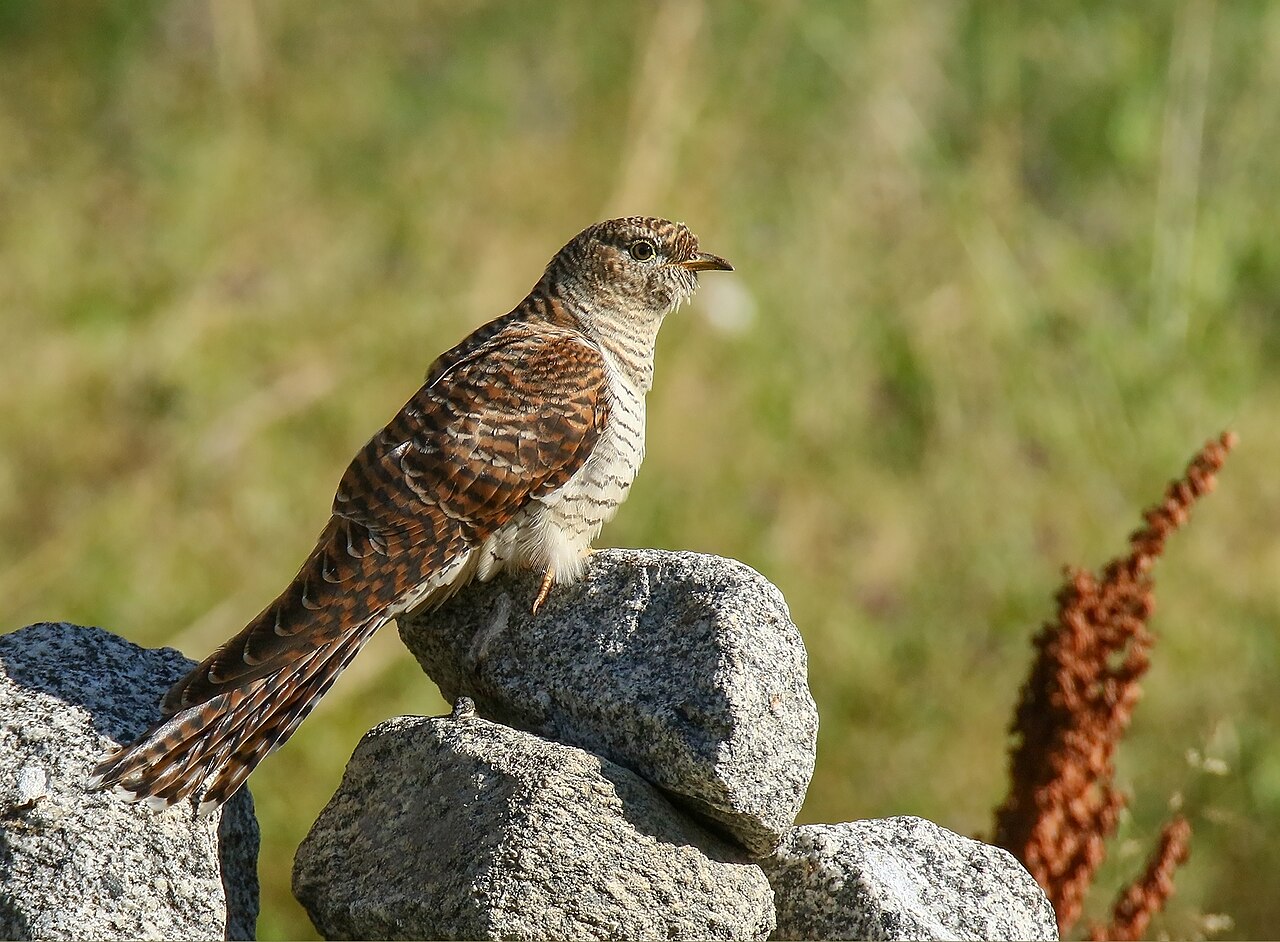
Cuckoos Use Two Different Strategies to Lay Eggs in Redstart Nests
Video from Finnish redstart nest boxes provides the first direct evidence that common cuckoos use two egg-laying strategies,…
Read story →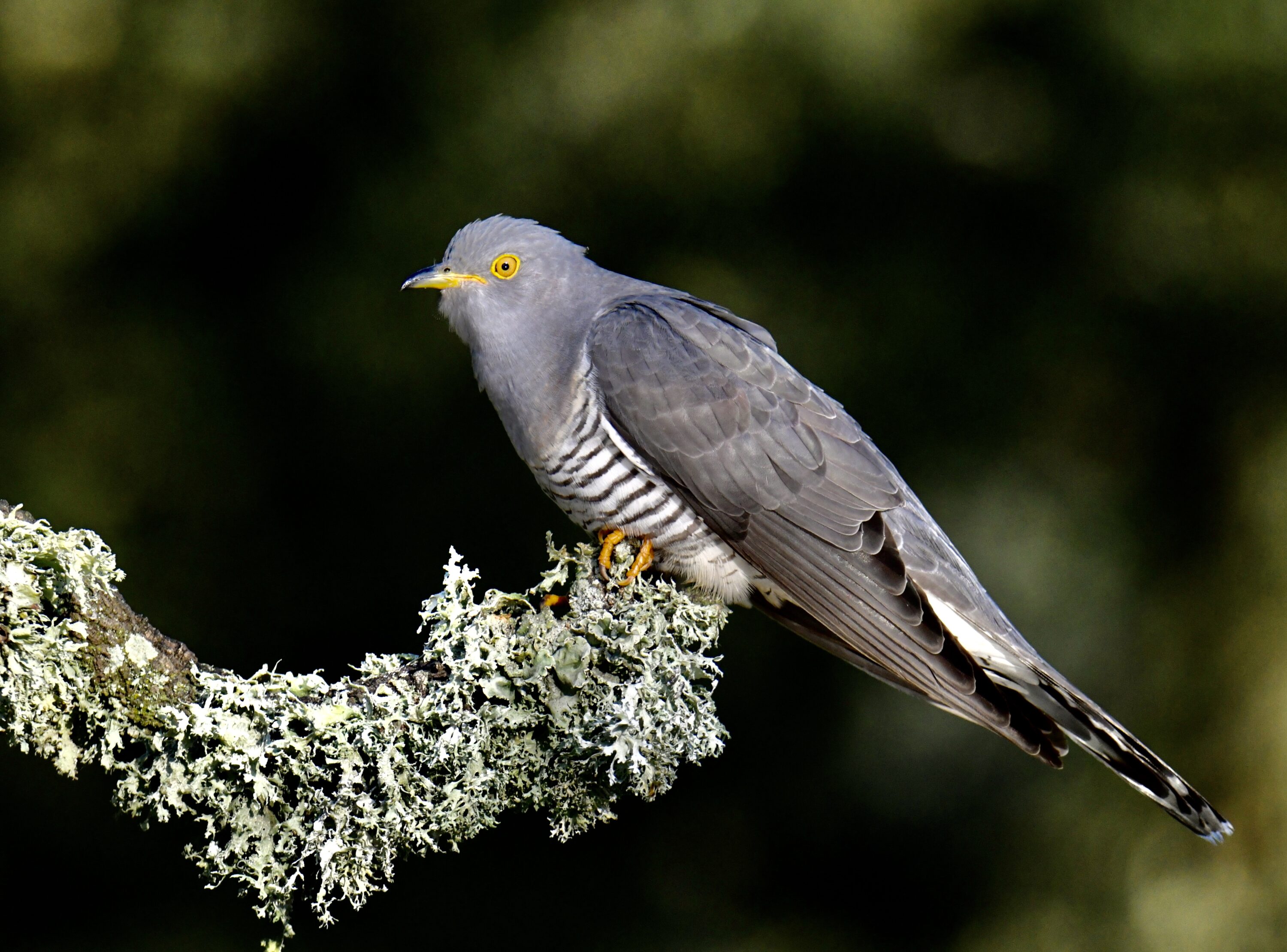
Models Highlighted Iberian Mountains and the Po Watershed as Key Stopover Regions for UK Common Cuckoos
Models based on satellite tracks from 88 UK-breeding male common cuckoos highlighted Iberian mountain ranges and the Po…
Read story →SPECIES IN THIS STORY
Species in this story
Independent research and conservation news archive
Did you find this information useful?
Wildlife Vagabond is independently built and maintained. Voluntary support helps cover source verification, hosting and continued work on research and conservation news.
Support Wildlife VagabondThe news archive will remain freely available.