
Female Taihangshan Macaques Mated More Often With High-Ranking Than Low-Ranking Males
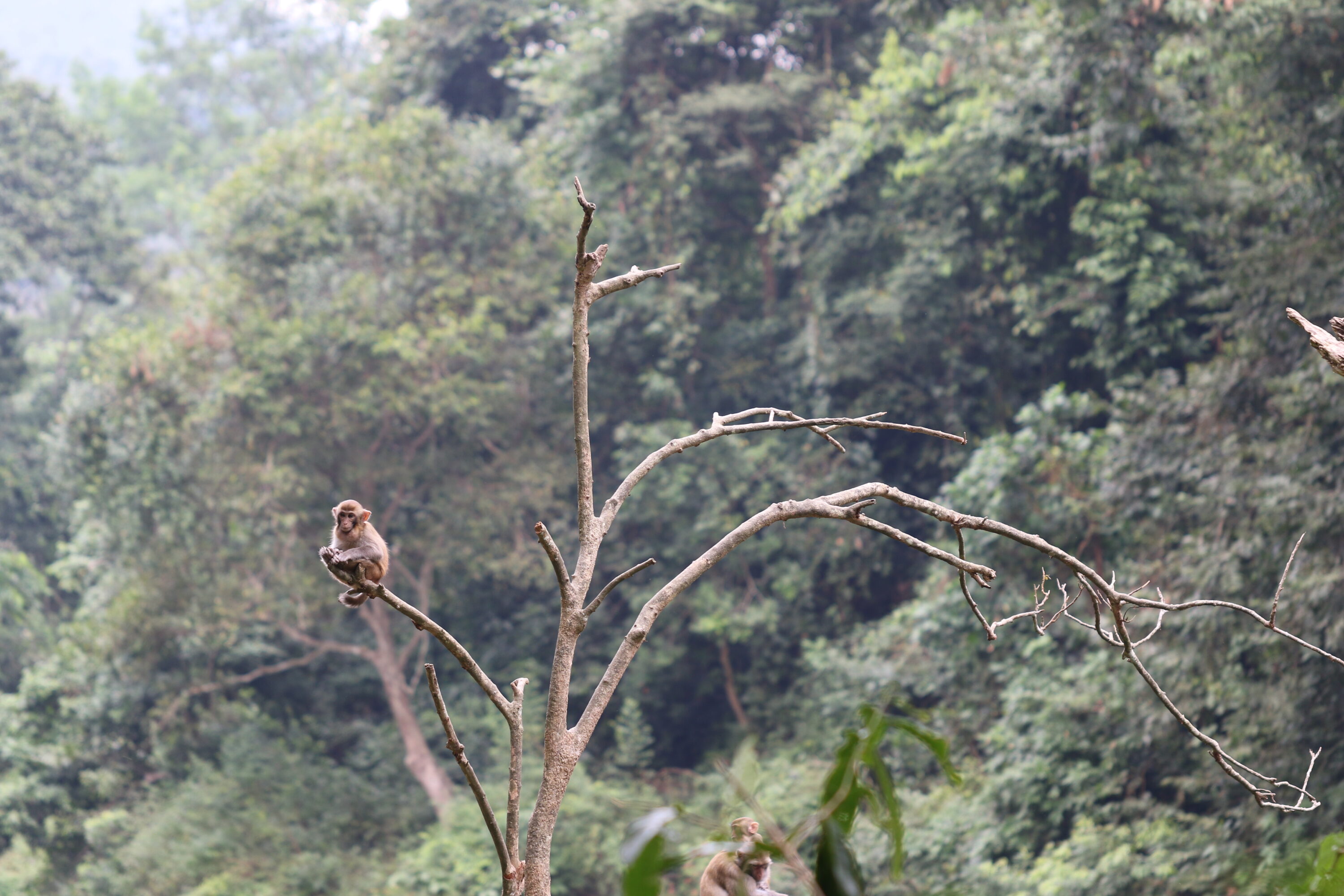
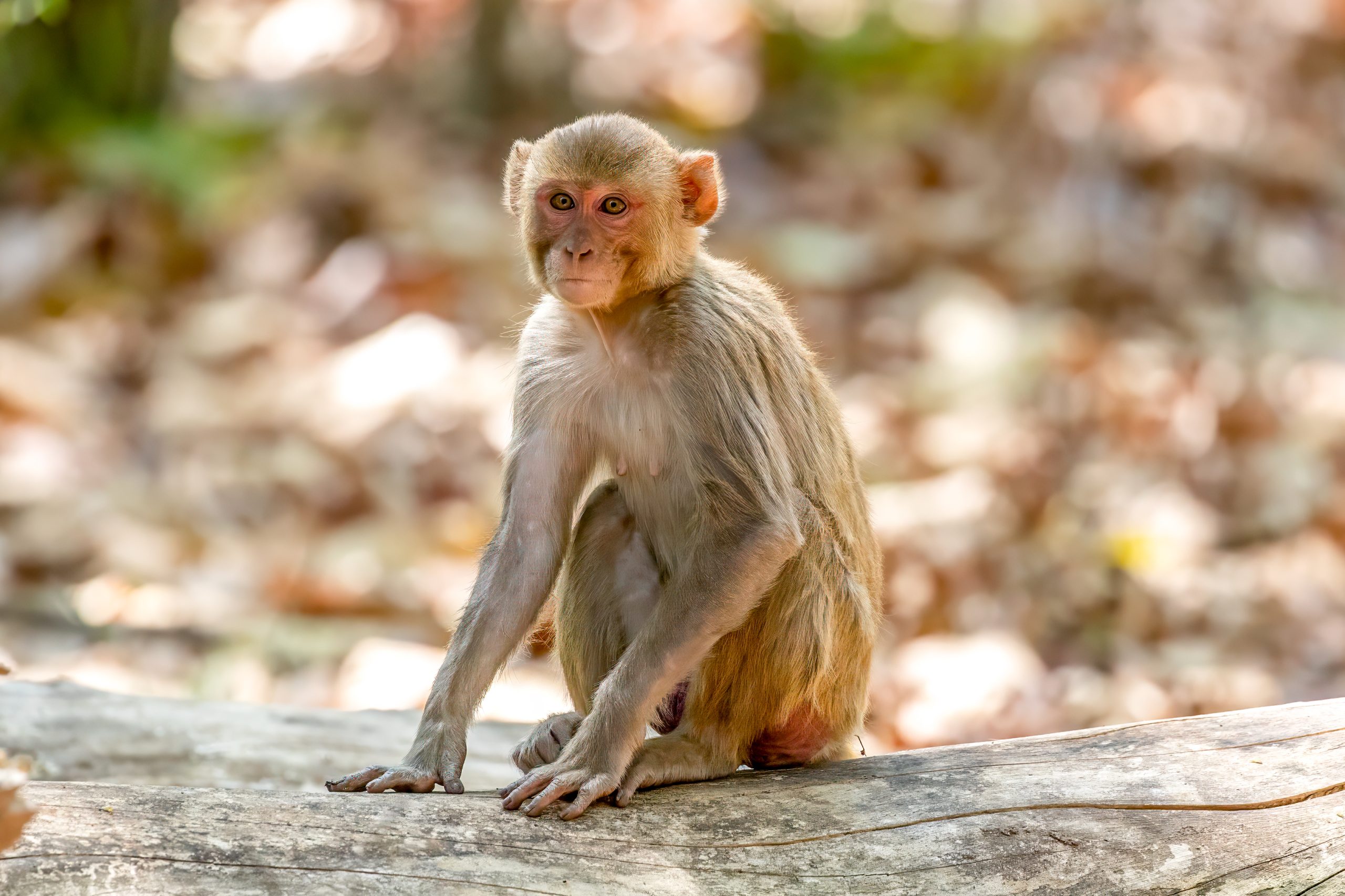
A year-long study of free-ranging Taihangshan rhesus macaques (Macaca mulatta tcheliensis) in Wulongkou, northern China, found that female mating patterns varied with male social rank and age. The researchers followed troop WLK-1A on 222 observation days between September 2021 and August 2022 and combined behavioural observations with microsatellite paternity analysis. Microsatellites are short, repeated DNA regions that vary strongly among individuals and can therefore be used to compare infants with potential fathers.
During the mating period they recorded 325 copulations. After the study’s inclusion criteria were applied, 313 copulations involving 30 adult females, four subadult females, nine adult males and two subadult males remained in the age analysis. Adult males were divided into high-, middle- and low-ranking groups from observed dominance interactions, while sexually mature males were classified as subadult, young, prime-aged or old.
Females mated more often with high-ranking than low-ranking males
Female copulation frequency differed among the three adult-male rank groups. Females mated clearly more often with high-ranking than low-ranking males. The analysis did not support clear differences between high- and middle-ranking males or between middle- and low-ranking males, so the result does not show a simple stepwise increase in mating frequency with every rise in rank.
Age showed a second clear pattern. Females mated more often with prime-aged males, 10–15 years old, than with old or subadult males. Females also mated more often with young males, 5–10 years old, than with old or subadult males. The analysis did not support a clear difference between prime-aged and young males.
The most frequent mate was the father in seven of ten assigned cases
The genetic analysis assessed 16 mother–infant pairs. Paternity was assigned to ten infants under the study’s strict genetic criterion. In seven of these ten cases, the male with whom the mother had mated most frequently during the full mating period was the genetic father. When the analysis was restricted to each female’s estimated conceptive period, the most frequent mate was again the father in seven cases, six of which overlapped with the first set.
Six infants could not be assigned to any sampled candidate male. The authors consider extra-group paternity a likely explanation because extra-group mating was observed and several neighbouring groups and solitary males were present near WLK-1A, but potential extra-group sires were not genetically sampled. This therefore remains an inference rather than a confirmed paternity assignment.
High-ranking and prime-aged males had higher average offspring numbers, but the analyses did not support clear differences in offspring number among rank groups or among age groups. One newly immigrated male nevertheless sired an infant despite holding the second-lowest adult rank, showing that reproductive success was not restricted to dominant males.
The patterns are consistent with female choice, but do not isolate it
The authors interpret the combined mating and paternity patterns as consistent with female mate choice playing an important role, while stressing that male–male competition cannot be separated cleanly from female preference in an observational field study. Taihangshan macaques mate through repeated mounts before ejaculation, and the study group had far fewer sexually mature males than females. Both features make complete monopolisation of receptive females difficult. Females were also observed rejecting some male mating attempts and often remaining with their current partner when other males interfered.
The discussion proposes several possible benefits behind the observed preferences. High-ranking males may provide direct advantages through priority access to food or support during conflicts, while prime-aged males may have higher reproductive capacity. Novel immigrant or extra-group males could also offer genetic benefits by increasing offspring diversity or reducing inbreeding. These explanations are biologically plausible, but the authors treat them as hypotheses rather than effects directly demonstrated by this one-year study.
The study therefore links mating behaviour with actual paternity more closely than behavioural observations alone could do, while also showing why mating frequency cannot be treated as a perfect proxy for reproductive success. Longer studies with more assigned paternities and direct measures of relatedness and offspring fitness would be needed to separate the effects of rank, age, whether males are new immigrants or come from outside the group, female choice and male competition more precisely.
Behaviour
Related news
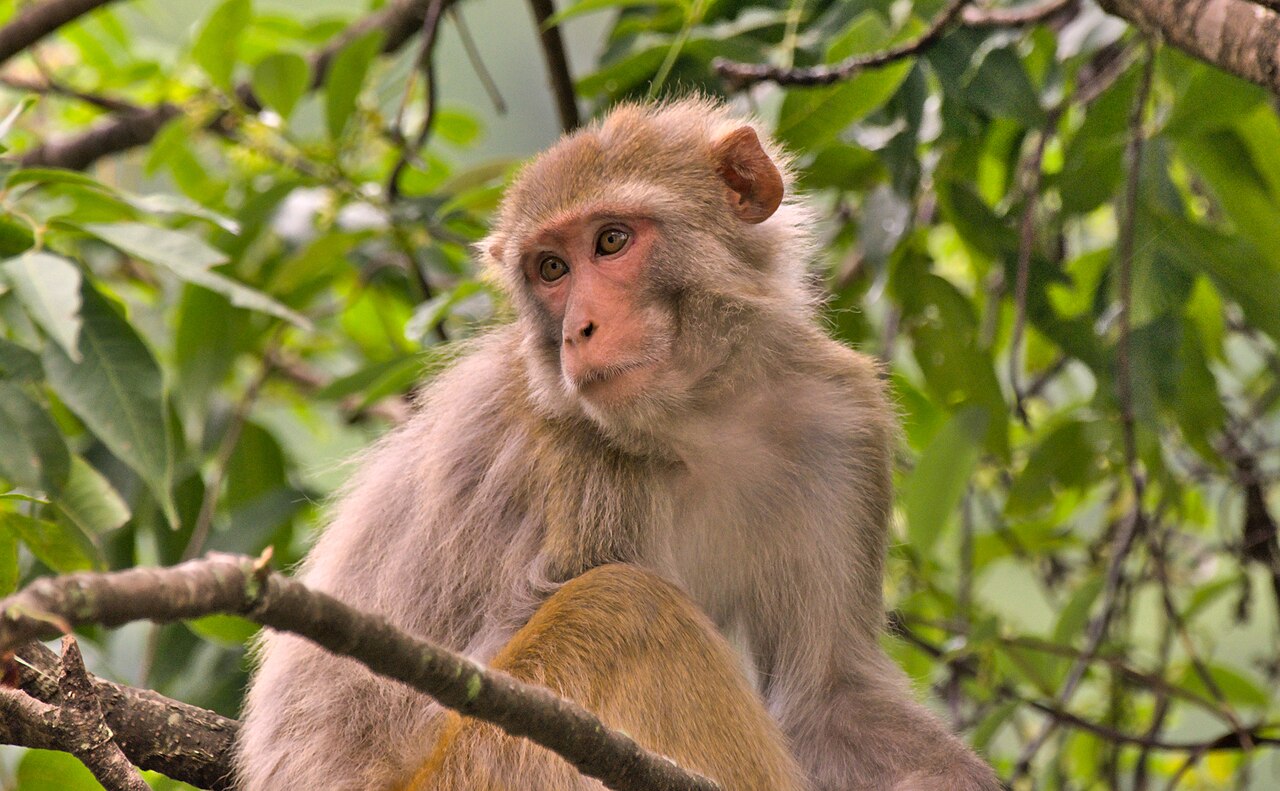
Female Rhesus Macaques That Watched Unfamiliar Female Faces Longer Were More Likely to Have Offspring the Following Year
At a semi-free-ranging population in Puerto Rico, females that spent longer looking at an unfamiliar female’s neutral face…
Read story →
Human Activity and Large Wildlife Overlapped Most in Chitwan’s Buffer Zone
Camera traps across Chitwan National Park and surrounding forests showed the greatest overlap of human activity with large…
Read story →
Aging rhesus macaques show broader protein changes in blood than in brain fluid
A study of 66 rhesus macaques found age-related differences in many more measured proteins in plasma than in…
Read story →SPECIES IN THIS STORY
Species in this story
Independent research and conservation news archive
Did you find this information useful?
Wildlife Vagabond is independently built and maintained. Voluntary support helps cover source verification, hosting and continued work on research and conservation news.
Support Wildlife VagabondThe news archive will remain freely available.