
Fibrosarcoma Was Reported in a Mute Swan for the First Time
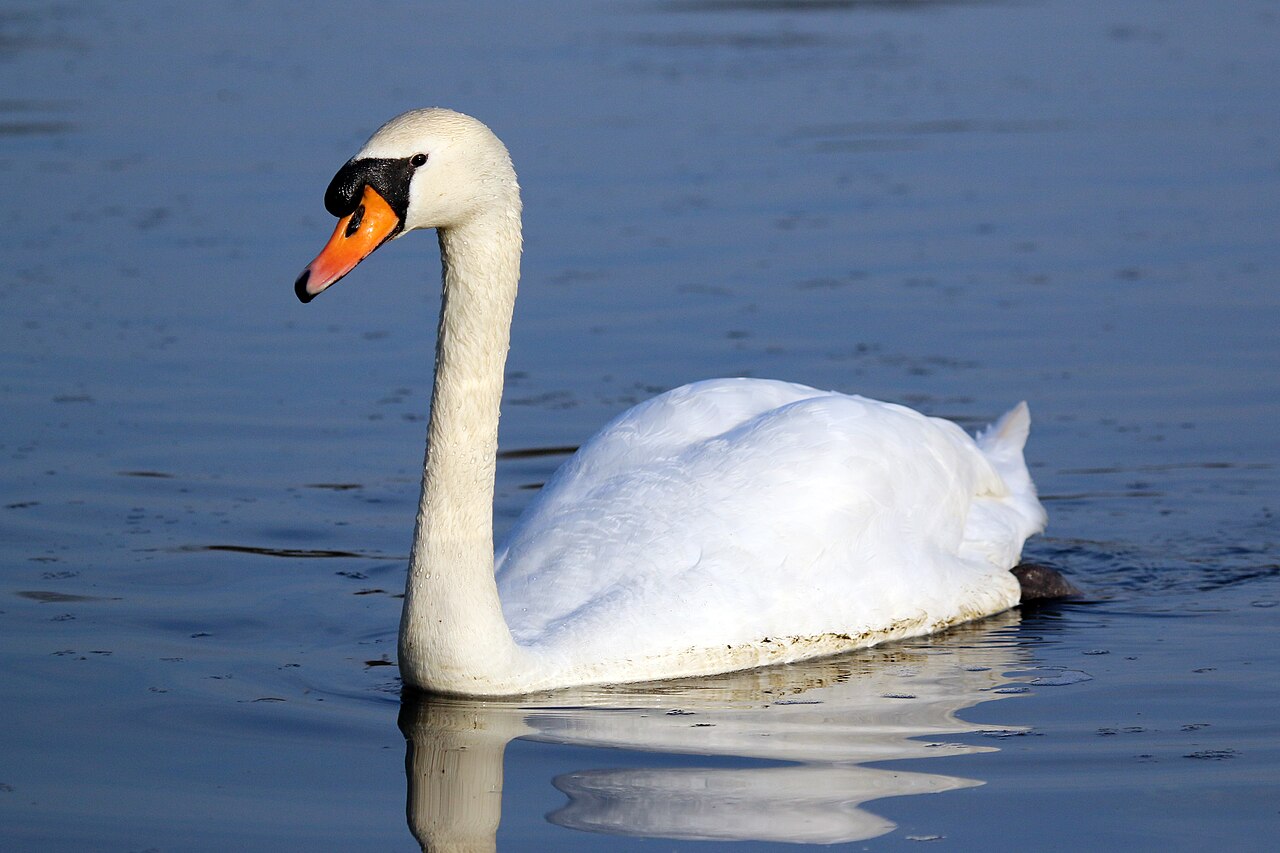
Fibrosarcoma has been documented in a mute swan (Cygnus olor) for the first time. A UK case report published on 3 April 2026 describes a free-living adult male admitted to a wildlife hospital with two large skin masses over the keel.
The swan weighed 10 kg when admitted. One mass measured 8.9 × 2.1 cm and the other 4.2 × 3.2 cm, and the larger lesion was discharging purulent material. Initial treatment included anti-inflammatory medication and antimicrobials, but the masses continued to grow and the bird lost 1.4 kg over 21 days. Blood tests showed marked heterophilia—an increase in an important type of avian white blood cell—together with lymphopenia, a reduced proportion of lymphocytes. The authors considered stress as one possible contributor, but concluded that the pattern was more likely an immune response to bacteraemia in light of the systemic pathology found later.
Biopsy identified fibrosarcoma
Because the lesions were deteriorating despite treatment, the veterinary team took core biopsies under general anaesthesia. Histopathology — microscopic examination of the sampled tissue — showed an infiltrative soft-tissue tumour consistent with fibrosarcoma. Bacterial culture also identified Staphylococcus sciuri and Acinetobacter baumannii, with oxacillin resistance.
Post-mortem examination confirmed fibrosarcoma of the keel. The authors also identified inflammation and tissue damage in several internal organs and interpreted the systemic disease together with the bacterial infection as the most likely explanation for the bird’s continuing weight loss.
Treatment raised a wildlife-welfare problem
The tumour had a broad base and was locally infiltrative. According to the authors, removing it with adequate margins would have left a large wound that would need prolonged healing and repeated bandaging. This would also have prevented normal access to water for an extended period, restricting swimming and preening and complicating a successful return to the wild.
The veterinary team therefore chose euthanasia. The authors use the case to emphasise that treatment decisions for free-living animals must consider both the medical prognosis and whether prolonged rehabilitation would prevent essential natural behaviour.
Fibrosarcoma is known from other bird groups but had not previously been reported in a swan. The authors recommend that veterinarians include neoplasia among the possible causes of persistent skin masses in free-living swans and note that biopsy can provide a rapid diagnosis when it can be performed safely.
Disease, parasites & microbiology
Related news

Inland Mute Swans Had Better Winter Body Condition Than Coastal Birds
A study of 853 mute swans in Poland suggests larger energy reserves in the colder interior than along…
Read story →
Bird Diversity Fell After Cormorant Colonies Became Established on Baltic Islands
Annual monitoring from 261 Estonian Baltic islands showed that breeding-bird diversity declined after great cormorant colonies became established…
Read story →
Mute Swan Nests Were More Concealed Where Whooper Swans Also Bred
Across 68 Mute Swan nests in Polish fishpond systems, nests were more concealed when Whooper Swans bred in…
Read story →SPECIES IN THIS STORY
Species in this story
Independent research and conservation news archive
Did you find this information useful?
Wildlife Vagabond is independently built and maintained. Voluntary support helps cover source verification, hosting and continued work on research and conservation news.
Support Wildlife VagabondThe news archive will remain freely available.