
Finland Recorded Its First African Swine Fever Cases in Wild Boar
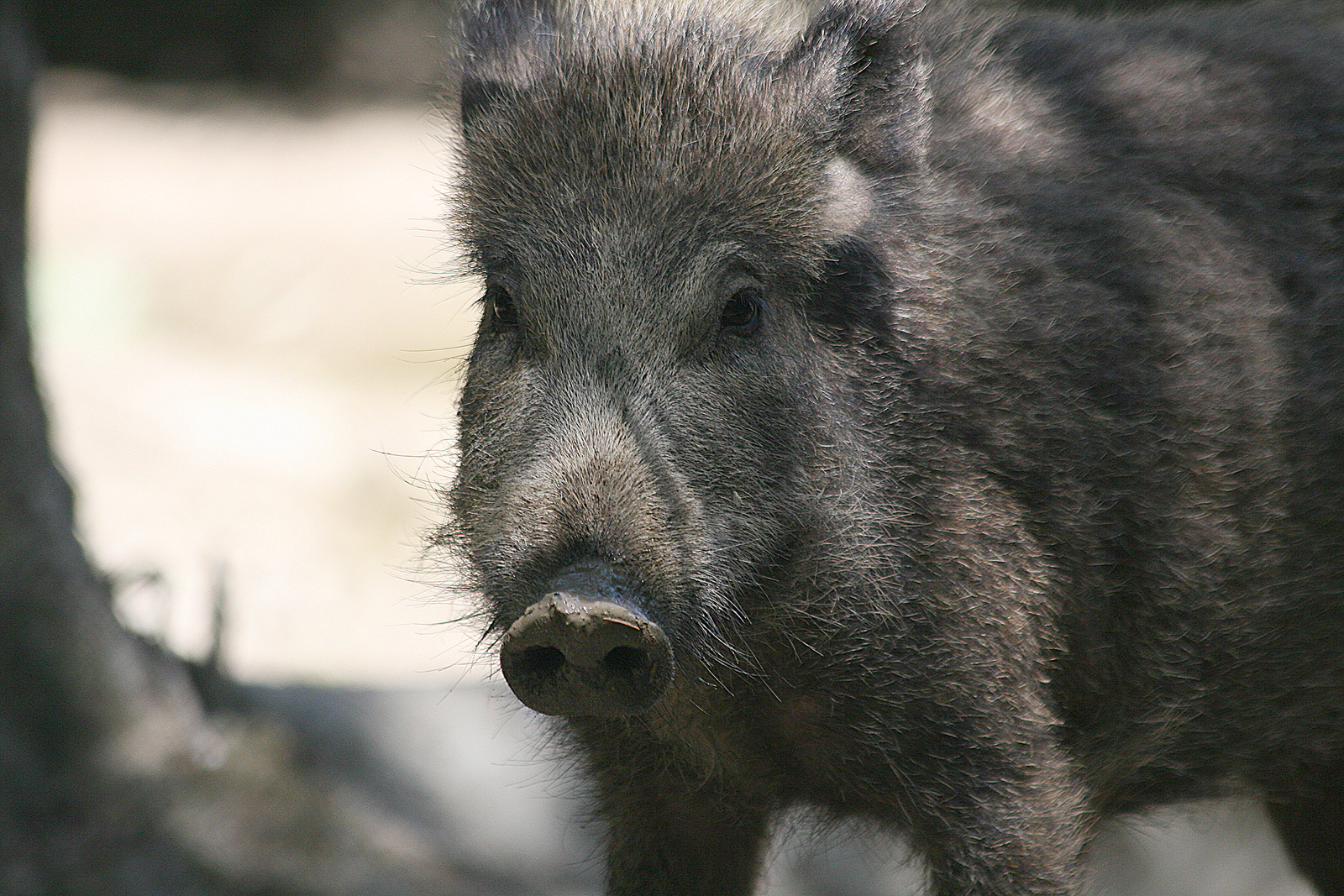
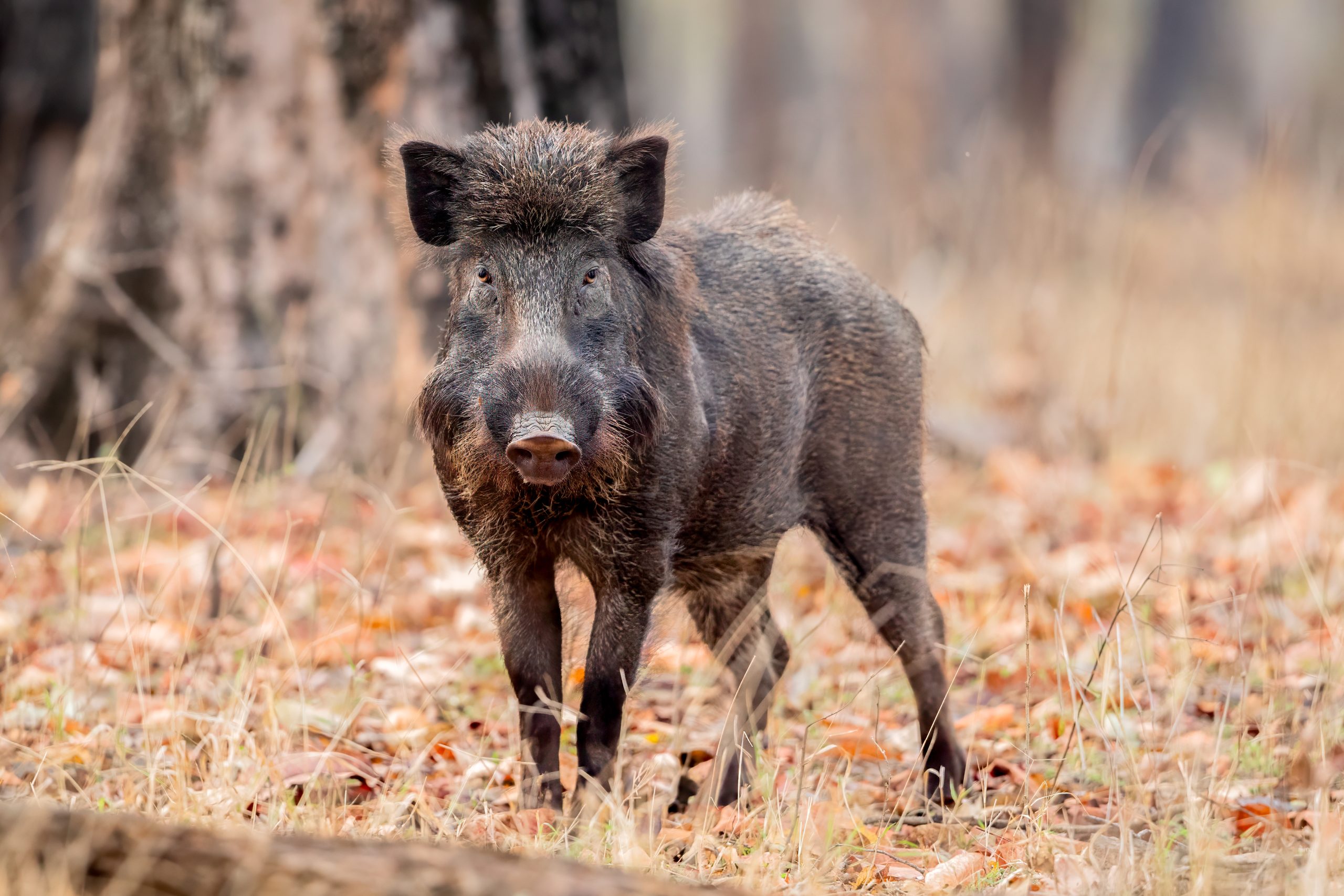
African swine fever (ASF) was detected in Finland for the first time after the remains of three dead wild boar piglets (Sus scrofa) were found close together at Vaalimaa in Virolahti, southeastern Finland. The Finnish Food Authority detected viral genetic material by PCR on 30 July 2026 and announced the finding the following day. The EU reference laboratory later confirmed Finland’s first ASF cases.
Whole-genome sequencing, which compares genetic information across the virus genome, placed it in ASFV genotype II, genetic group 3. The same genetic group has been reported elsewhere in eastern and central Europe, but the Finnish Food Authority states that the genetic analysis cannot determine how the virus entered Finland.
An infected zone and a stricter core area were established around the first detections, with searches for dead wild boar, laboratory testing and measures intended to reduce the risk of spreading contaminated material or disturbing wild boar out of the area. The infected zone was expanded westwards on 28 August after an ASF-positive adult wild boar was found at Hirvikoski in Pyhtää, about 40 kilometres beyond the previous boundary.
The outbreak continued after the initial July cases. In its current case table, last updated on 17 September, the Finnish Food Authority lists 38 ASF-positive wild boar in Finland. Most detections were in Virolahti; the Pyhtää case marked the major westward expansion, and the most recent listed detection was in Miehikkälä on 15 September.
Threats
Related news
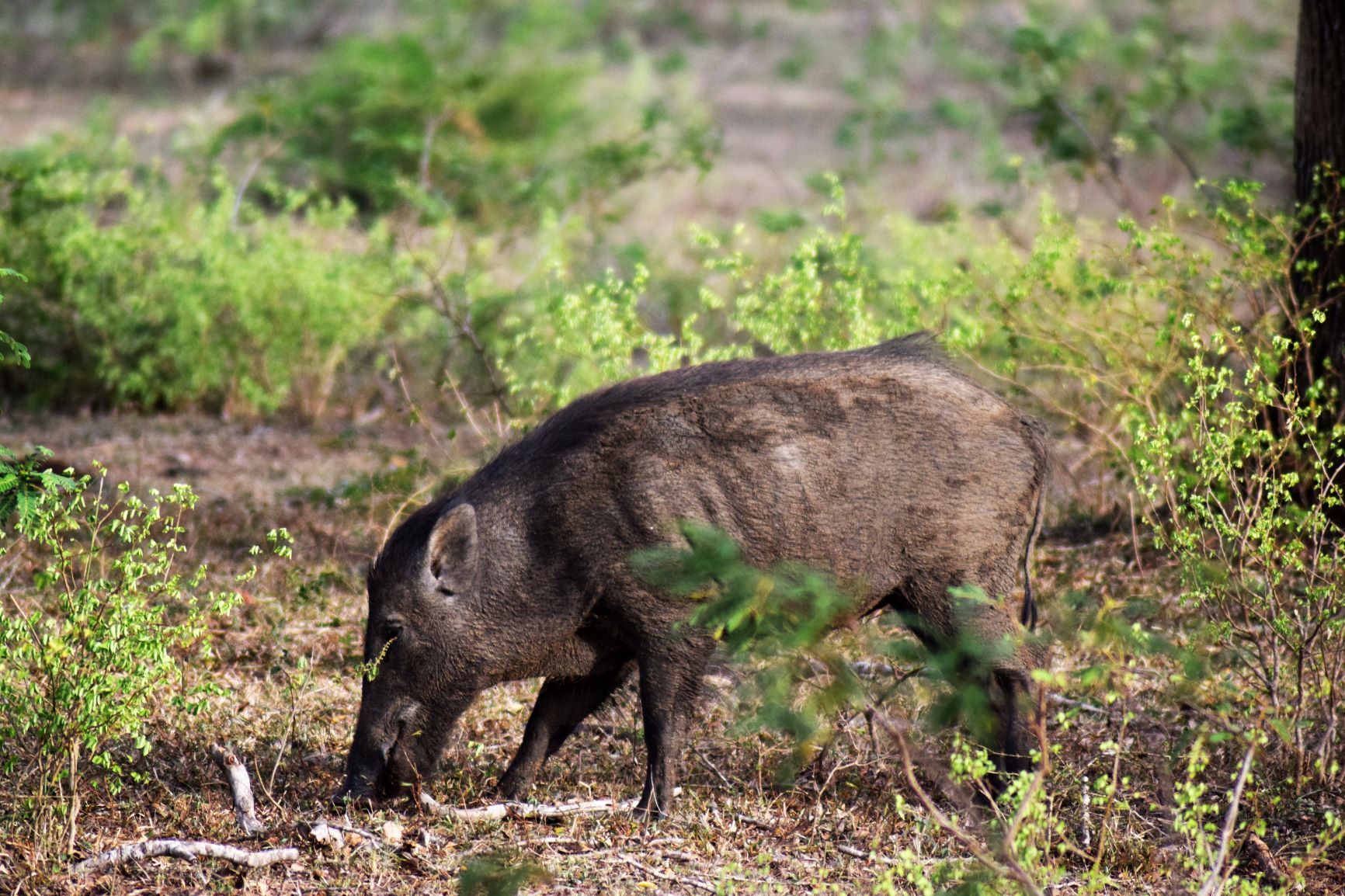
Maps Show Where Wild Boar Could Thrive and Spread on Jeju Island
Researchers mapped potentially suitable wild-boar habitat across roughly 36% of Jeju Island and identified eight possible corridors linking…
Read story →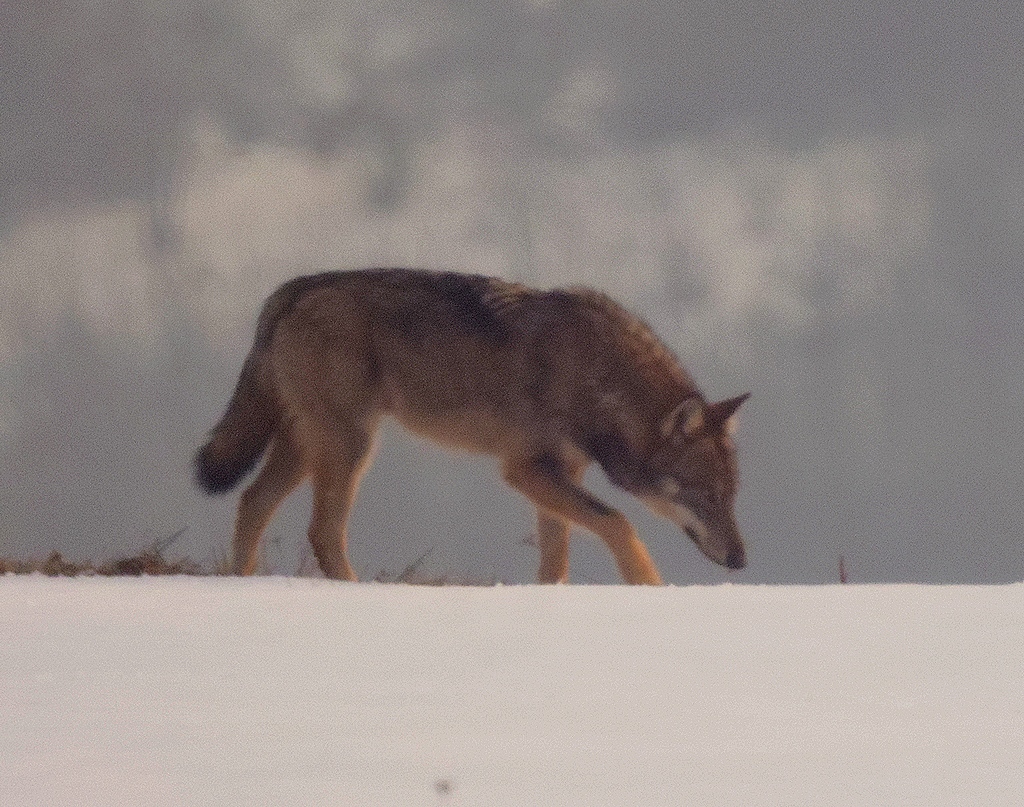
Roe Deer and Wild Boar Remained Key Wolf Prey as Diet Shifted Across North-western Italy
From 2021 to 2025, wolves in north-western Italy continued to feed mainly on wild prey. In the Po…
Read story →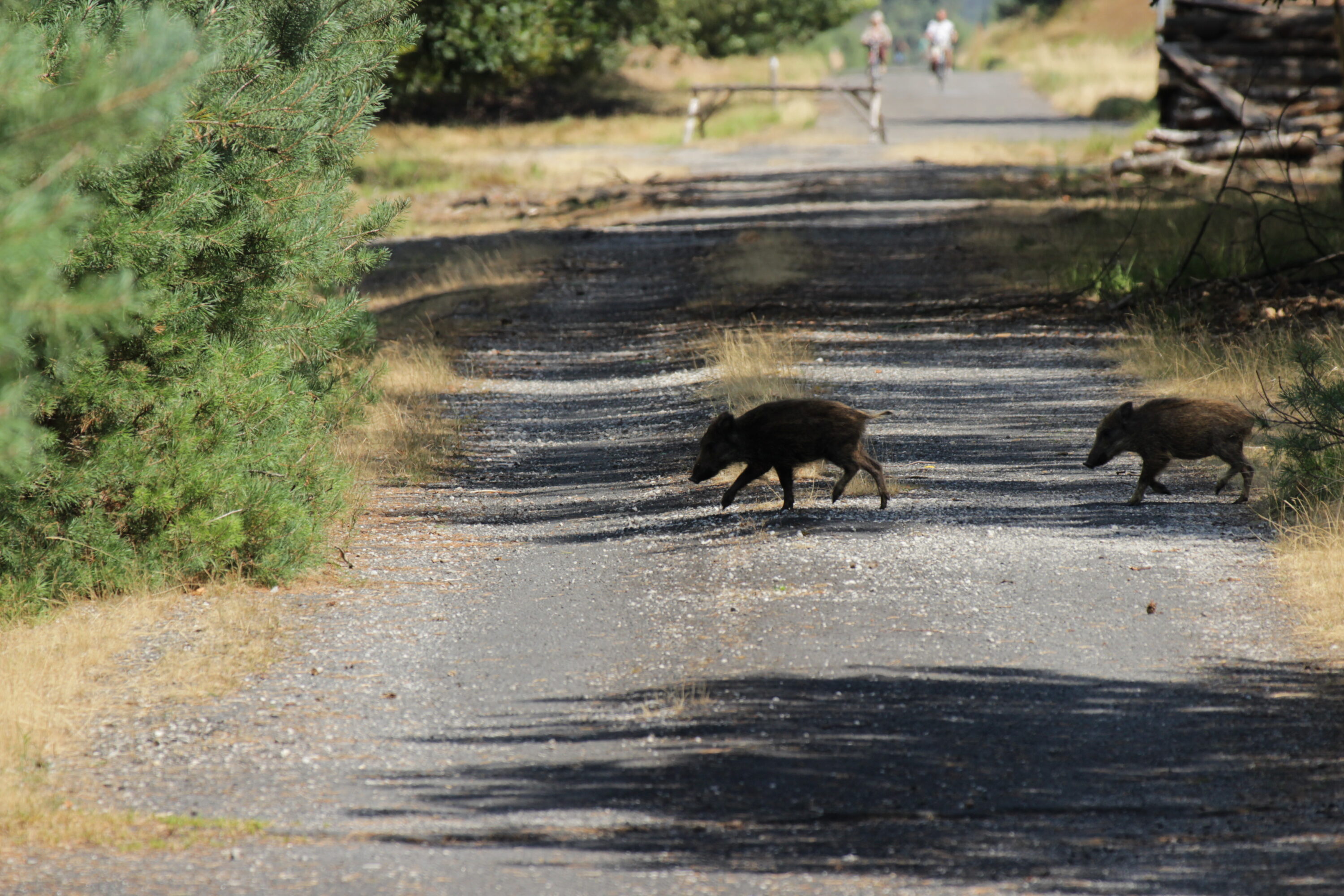
Copper levels in wild boar differed across Slovak districts
An analysis of kidney, liver and muscle from 147 wild boar in four districts found that iron and…
Read story →SPECIES IN THIS STORY
Species in this story
Independent research and conservation news archive
Did you find this information useful?
Wildlife Vagabond is independently built and maintained. Voluntary support helps cover source verification, hosting and continued work on research and conservation news.
Support Wildlife VagabondThe news archive will remain freely available.