
First Oriental Skylark Record Confirmed in Northwestern Saudi Arabia
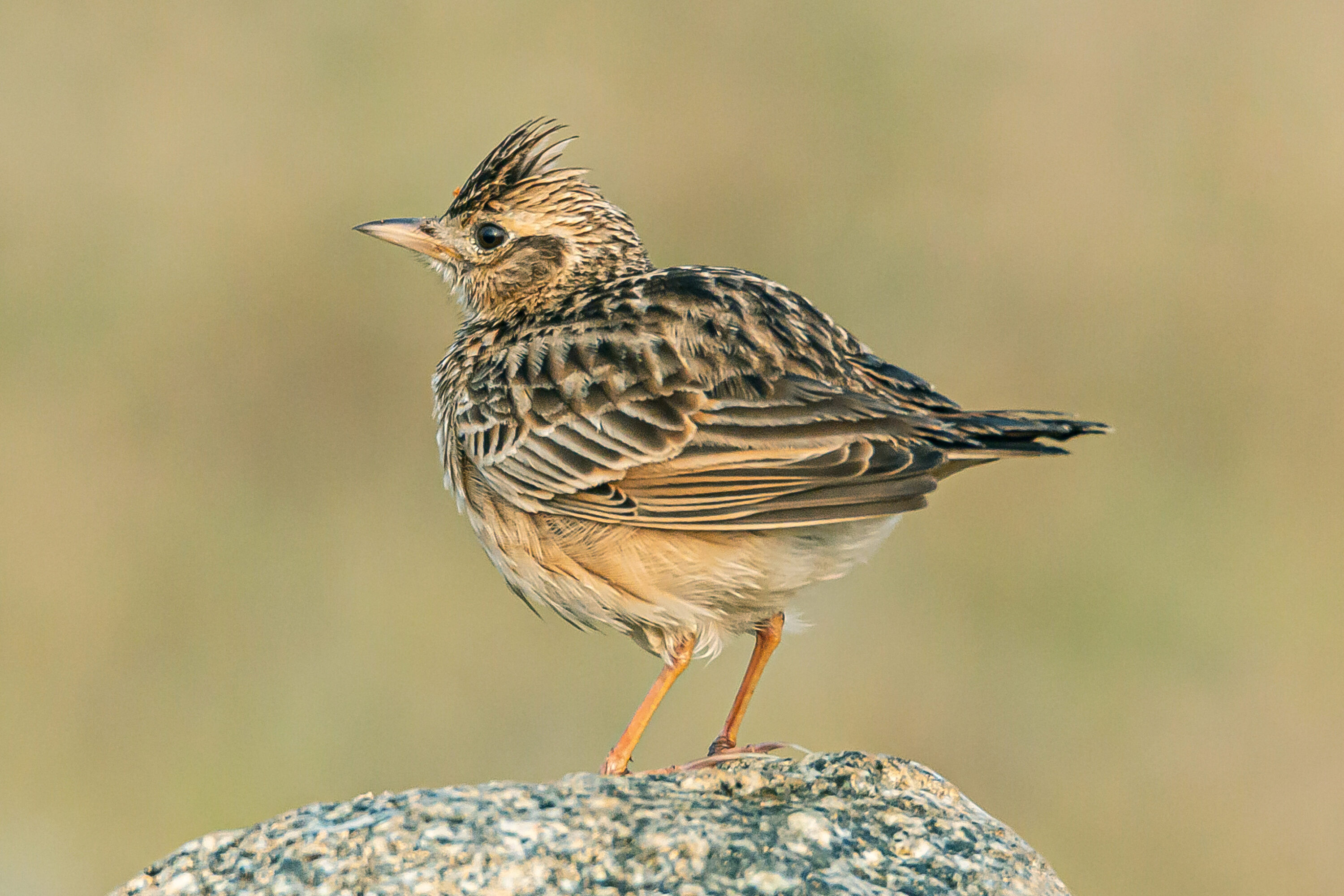
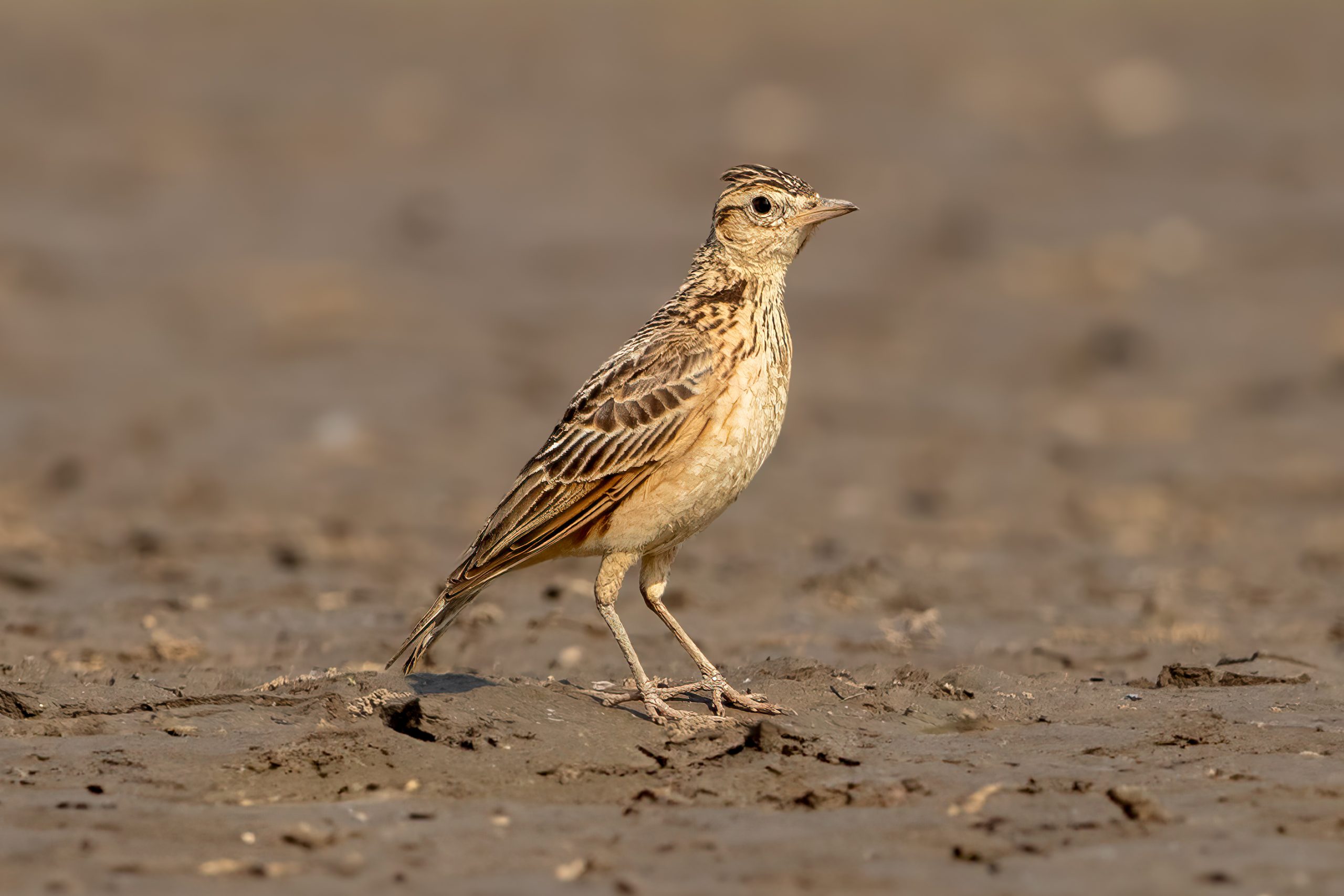
An oriental skylark (Alauda gulgula) observed near Al Wajh on 9 March 2025 has become the first confirmed record of the species in the Tabuk region of northwestern Saudi Arabia. The record, published in Sandgrouse in 2026, is also only the second documented observation from the country’s western coast.
The bird was found at the edge of a grey mangrove (Avicennia marina) patch in the intertidal zone southeast of Al Wajh. It was initially detected in flight by its distinctive buzz-like call. The observers also noted a buff trailing edge to the wing, a relatively short tail, short primary projection—meaning the wingtip feathers projected only a short distance beyond the folded inner wing feathers—and rusty fringes on the flight feathers before watching the bird forage on the ground alongside white wagtails (Motacilla alba).
The authors compiled 13 earlier Saudi records dating from 1984 to 2024. Most were from the Persian Gulf coast, particularly sites around Dhahran and Jubail, while western records were much scarcer. Before the new Tabuk observation, the only western coastal record in their compilation was a bird at Jeddah in March 2020.
The researchers suggest that oriental skylarks may be more widespread in Saudi Arabia than the small number of records indicates. Limited observer coverage and confusion with the more widespread Eurasian skylark (Alauda arvensis) could contribute to under-recording, and the concentration of records in migration periods raises the possibility of an overlooked route through western Saudi Arabia.
Population & status
Related news
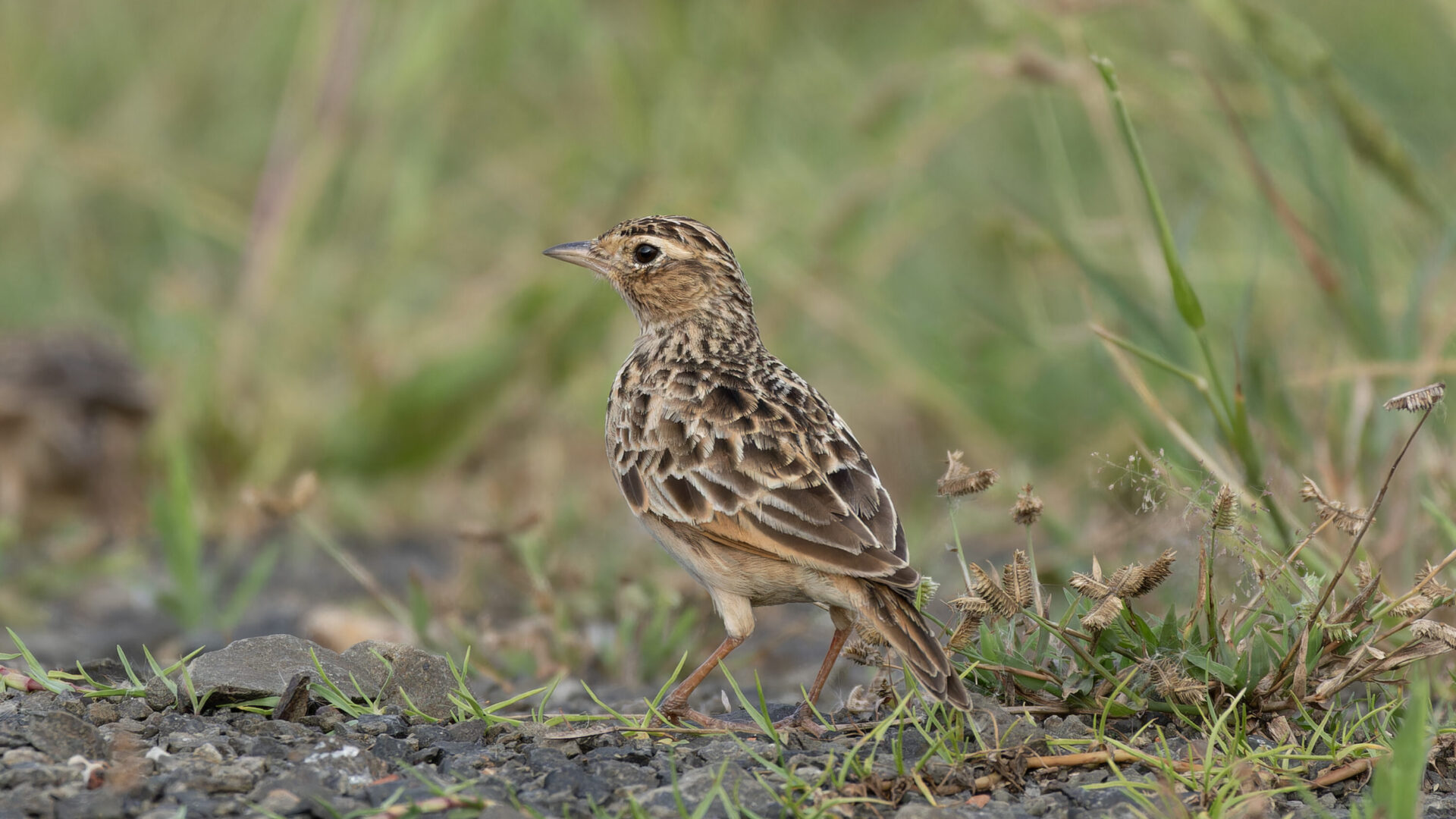
Oriental Skylark Index Showed Clear Declines on Both Time Scales in India
The 2025 State of India’s Birds update estimated a −61.4% long-term trend and −4.3% current annual trend for…
Read story →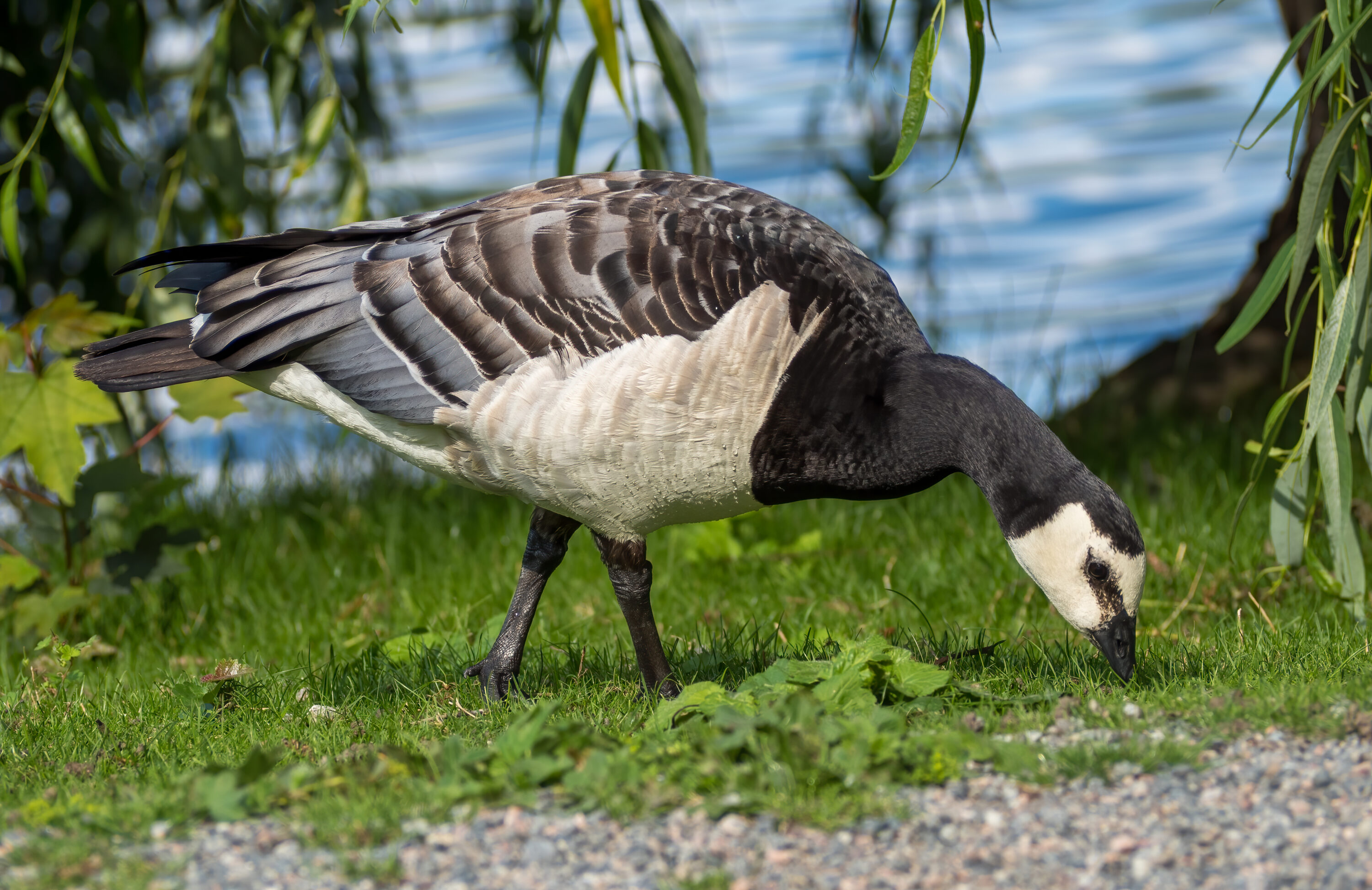
Barnacle Goose Breeding Population Fell 98% on Gotland and Öland – Eagle Predation a Likely Factor
Breeding pairs of Barnacle Geese on Gotland and Öland fell from about 5,290 in 2002 to roughly 100…
Read story →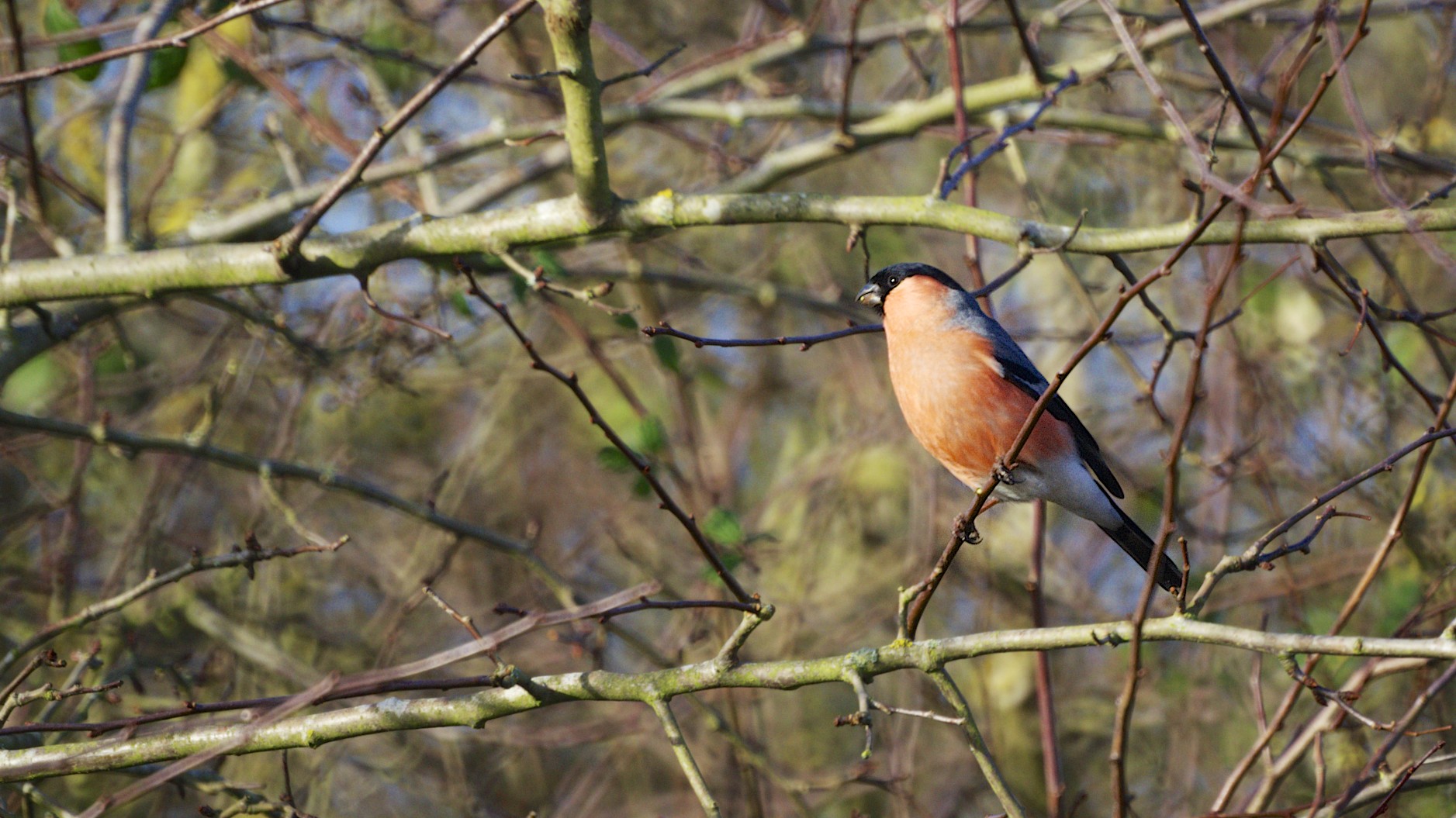
51 Years of Bullfinch Monitoring Revealed Decline, Male Bias and Age-Matched Pairs
A 51-year study in Treswell Wood, England, recorded a strong Eurasian Bullfinch decline. Among 2,065 ringed birds, males…
Read story →SPECIES IN THIS STORY
Species in this story
Independent research and conservation news archive
Did you find this information useful?
Wildlife Vagabond is independently built and maintained. Voluntary support helps cover source verification, hosting and continued work on research and conservation news.
Support Wildlife VagabondThe news archive will remain freely available.