
First Survey Found More Than 20 Variants in the Eurasian Tree Sparrow Prion Gene
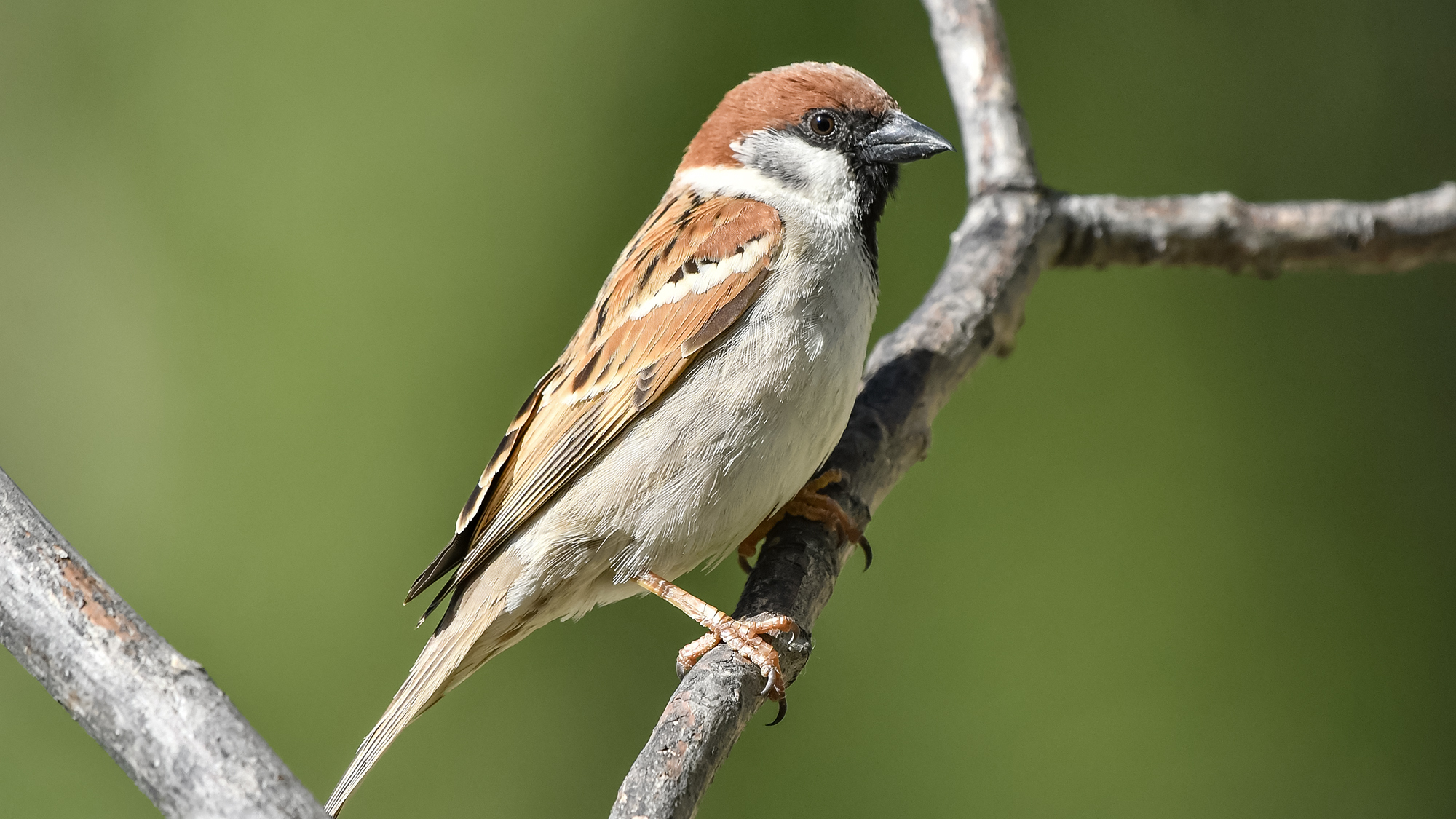
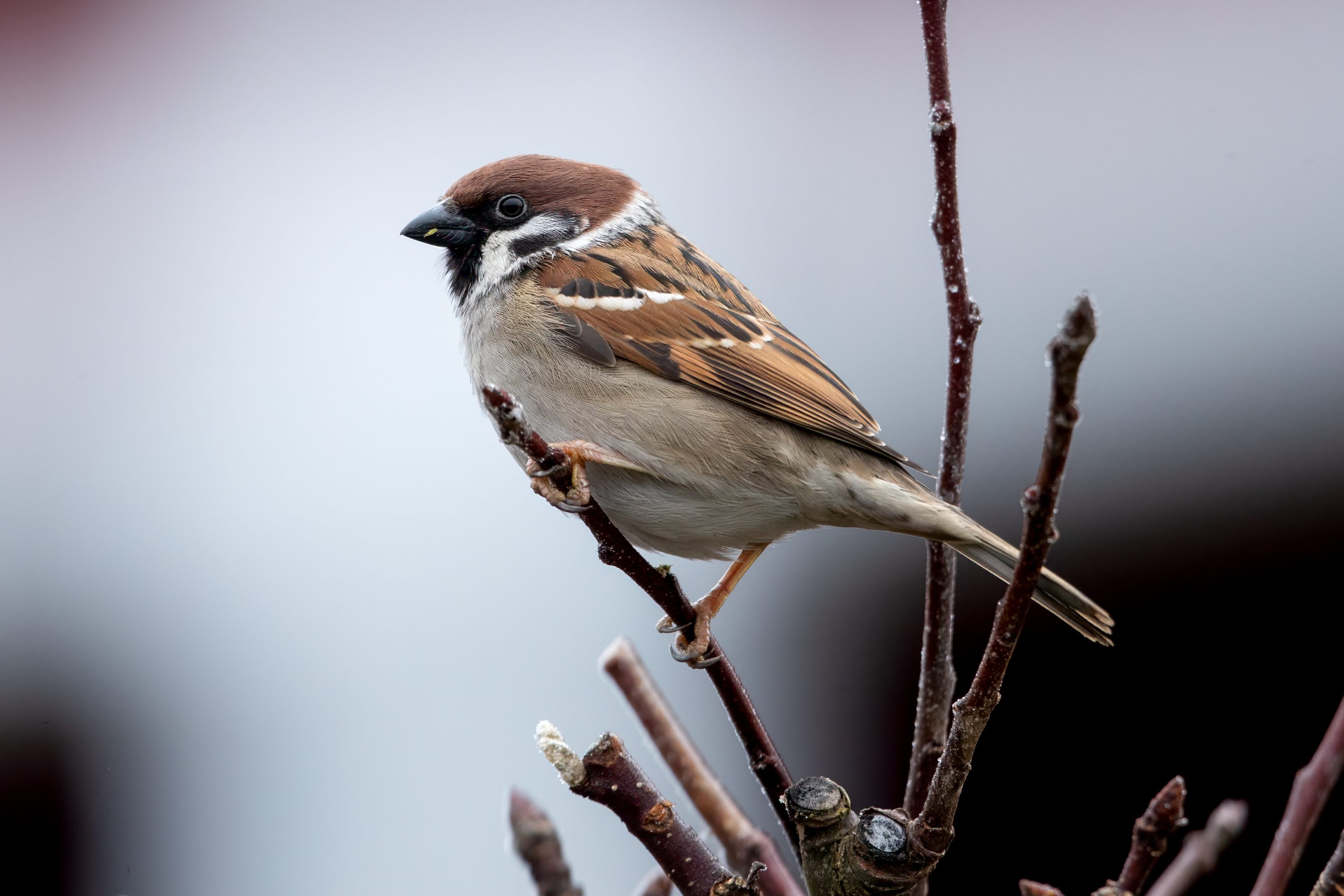
The first detailed survey of the prion protein gene in Eurasian tree sparrows (Passer montanus) has uncovered substantial genetic variation. PRNP encodes the normal prion protein, PrP. In mammals, certain forms of this protein can misfold and trigger prion diseases, but naturally occurring prion infection has never been documented in birds. Sequencing DNA from 44 sparrows revealed more than 20 variants in PRNP, including changes that alter the amino-acid sequence of the protein.
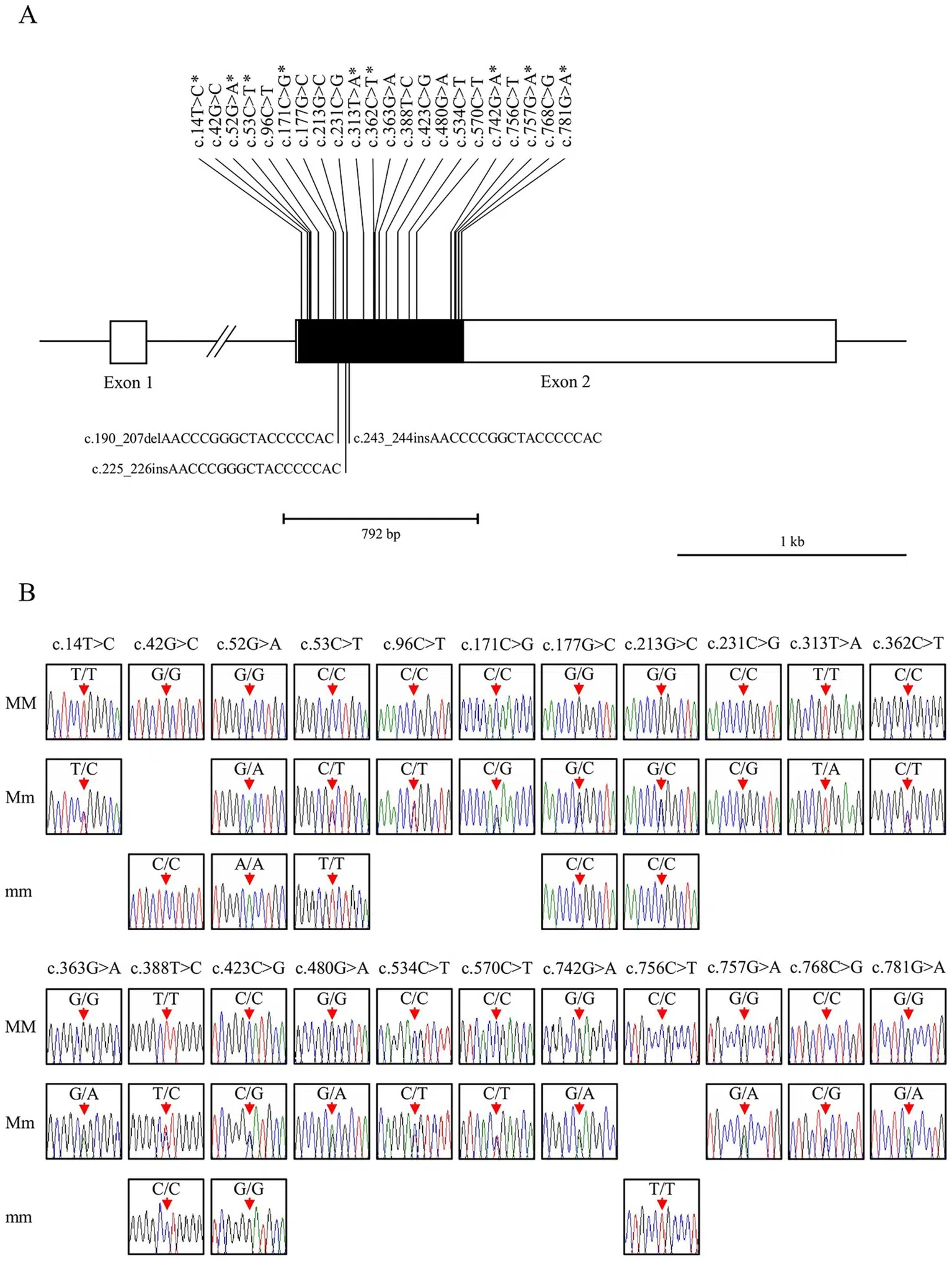
The study examined DNA from 44 Eurasian tree sparrows supplied by South Korea’s National Institute of Biological Resources, with specimens originating from several parts of the country. The researchers sequenced the complete protein-coding region of PRNP, measured how common the variants were and reconstructed haplotypes — combinations of linked variants carried together. Computer models were then used to predict how selected variants might affect the structure, solubility and aggregation tendency of PrP.
Nine protein-changing substitutions
Nine of the identified polymorphisms were non-synonymous substitutions—DNA changes predicted to replace one amino acid with another. Three additional variants were insertions or deletions in a repeated section of the gene. The team reconstructed 18 haplotypes occurring at frequencies above two per cent, showing that the sampled birds did not all carry the same version of PRNP.
One deletion in the hexapeptide repeat region was especially common: 18 of the 44 birds carried either one or two copies of the deletion allele. The authors note that its frequency suggests it is unlikely to impose a strong negative effect on fitness, but that conclusion remains indirect.
Predictions are not diagnoses
Among the amino-acid substitutions, a variant called A121V produced the strongest warnings across the computational tools. It was predicted to reduce protein solubility, increase amyloid-forming tendency and cause a local structural disturbance. Two other substitutions, L5P and W105R, were also flagged by at least one prediction method as potentially damaging.
These results do not show that any sampled sparrow had a prion disease. The researchers did not test the birds for illness or experimentally demonstrate that the variants make proteins misfold. The analysis predicts molecular effects from gene sequences and structural models. Laboratory experiments would be needed to determine whether the variants actually change protein folding, aggregation or conversion.
Genetics & genomics
Related news
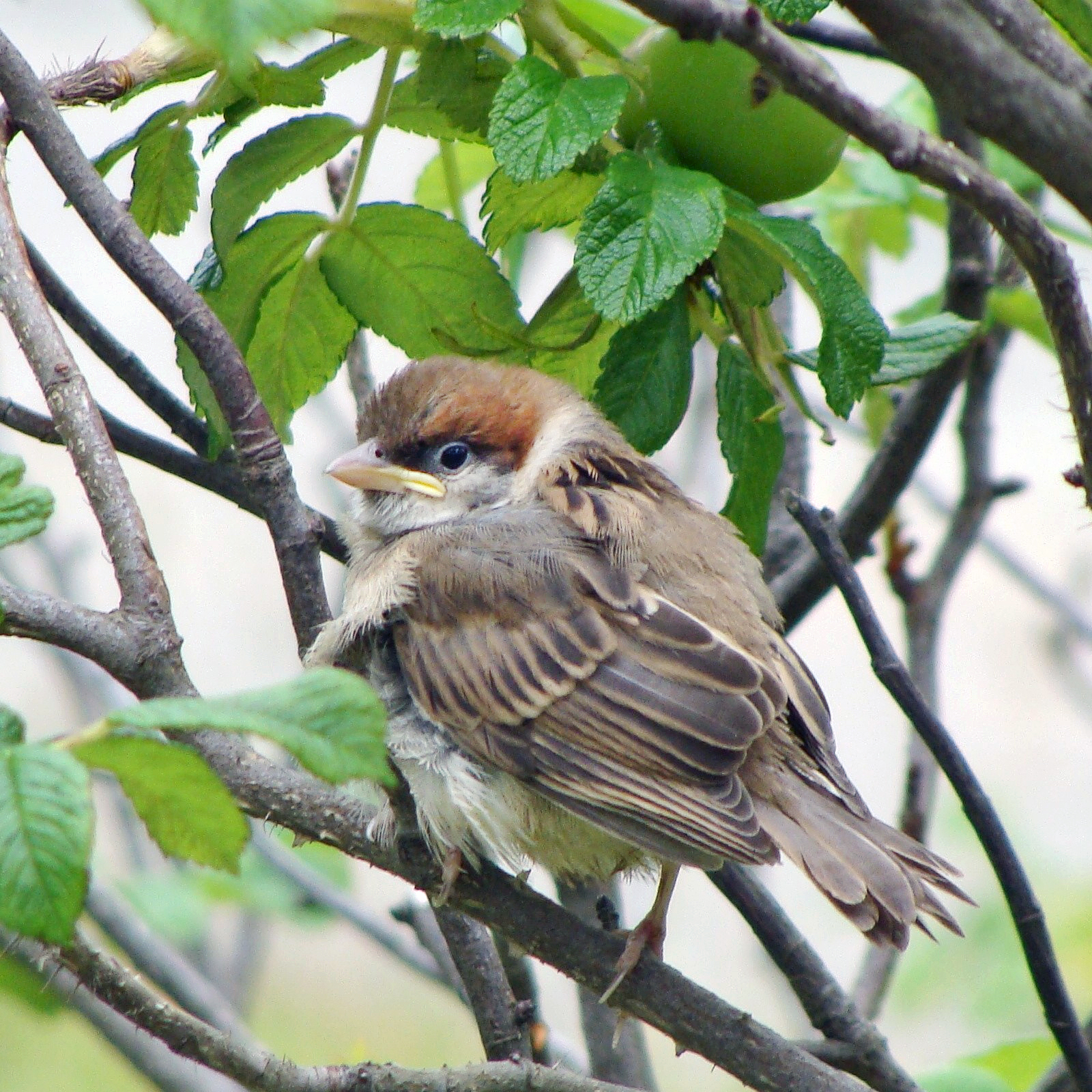
Ground Beetles Dominated the Diet of Eurasian Tree Sparrow Chicks
DNA metabarcoding of 59 faecal samples from Eurasian tree sparrow chicks at three sites in southern England detected…
Read story →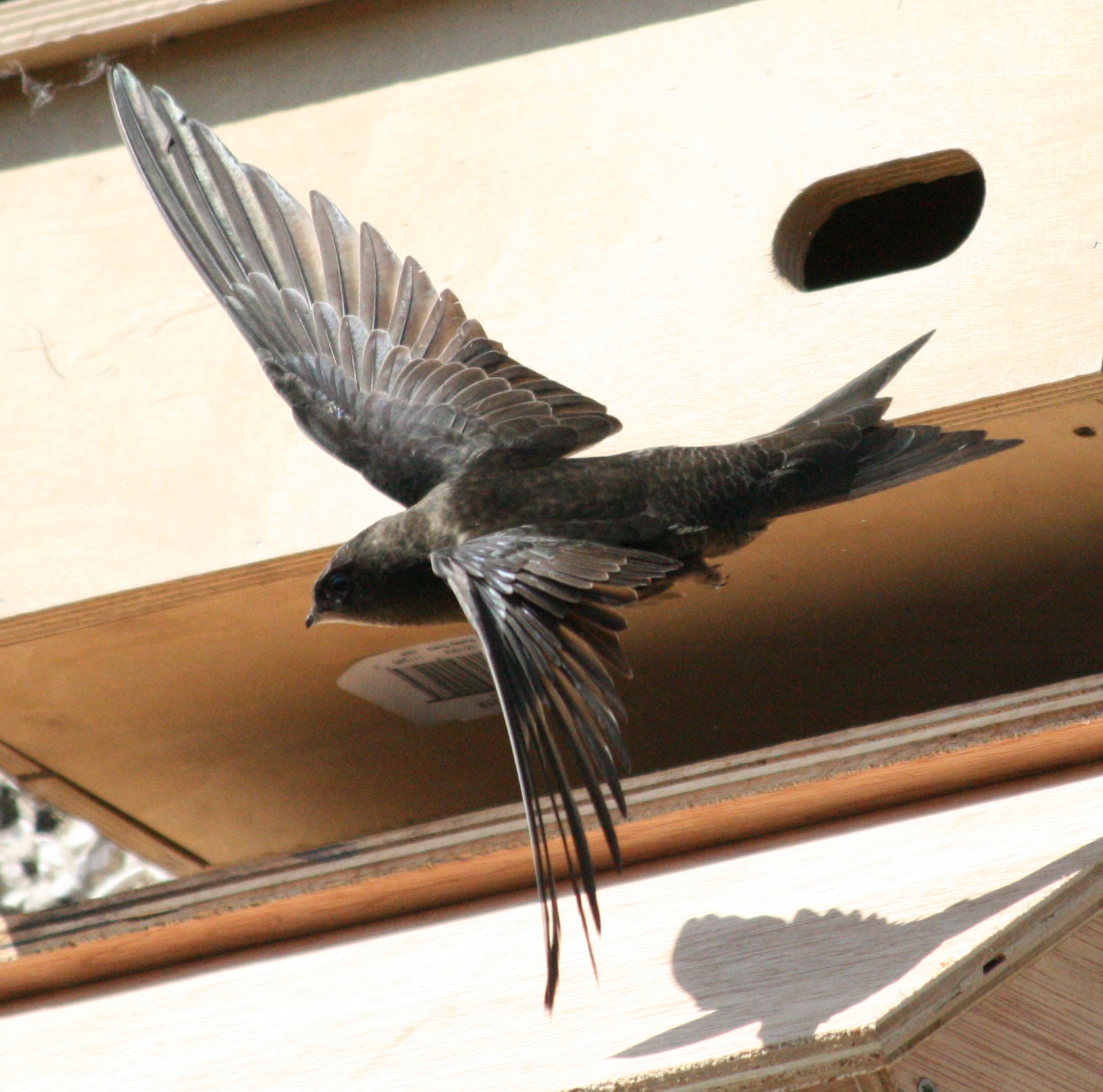
2023 Survey Found Eurasian Tree Sparrows in 7.8% of a Beijing Swift Tower’s Usable Boxes
A 2023 breeding-season survey found Eurasian tree sparrows in 137 of 1,763 usable boxes in a Beijing tower…
Read story →
Tree and House Sparrows Divided Assam’s Urban Landscape
Surveys across five towns found tree sparrows most strongly associated with green suburban zones, while house sparrows concentrated…
Read story →SPECIES IN THIS STORY
Species in this story
Independent research and conservation news archive
Did you find this information useful?
Wildlife Vagabond is independently built and maintained. Voluntary support helps cover source verification, hosting and continued work on research and conservation news.
Support Wildlife VagabondThe news archive will remain freely available.