
Artificial Wetlands Dominated the Winter Home Ranges of Four Tracked Pied Avocets
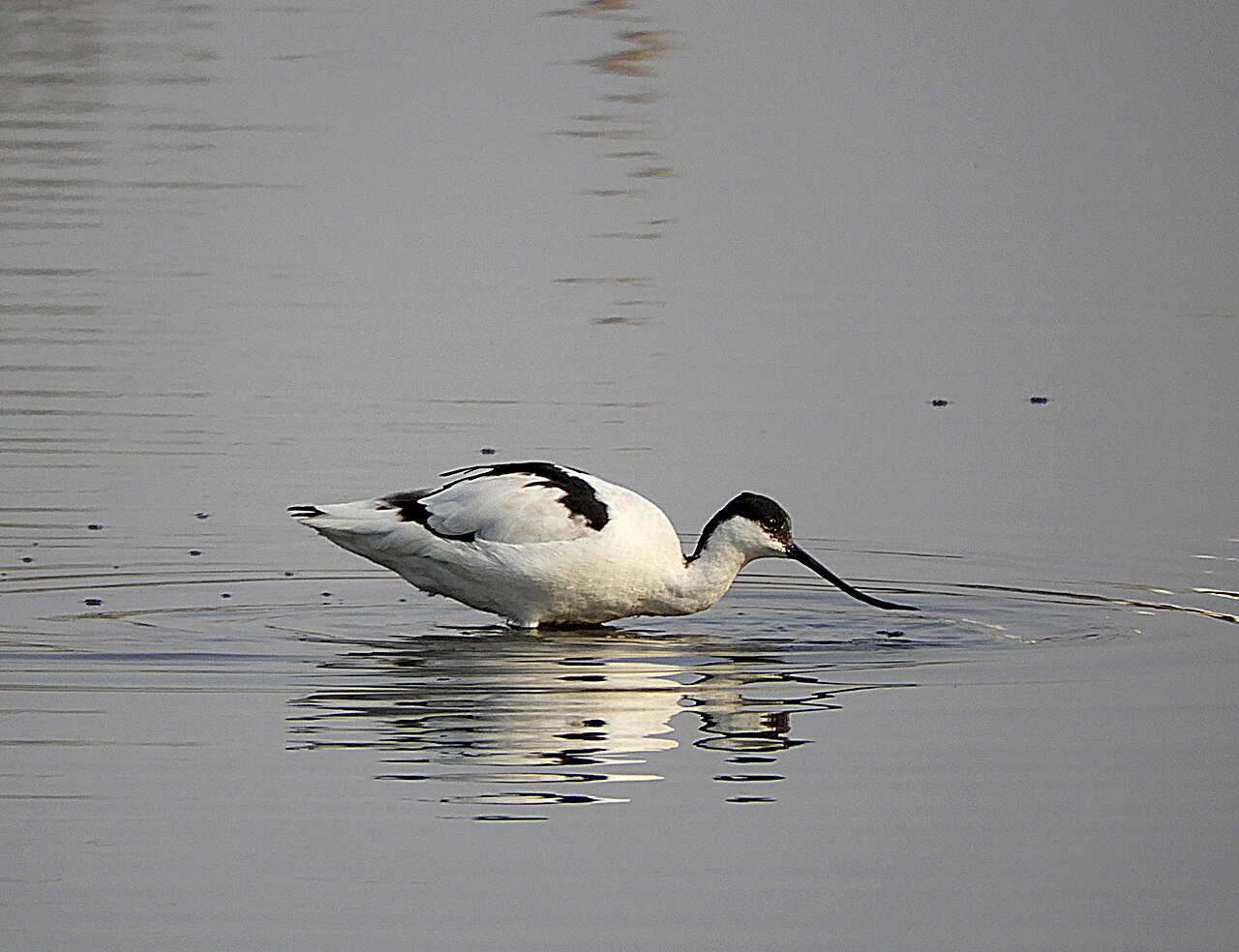
Four GPS-tracked pied avocets (Recurvirostra avosetta) returned to the same individual wintering areas on the coast of China in two consecutive years. Artificial wetlands covered a larger share of every bird’s winter home range than natural wetlands.
The adults were fitted with transmitters at their breeding grounds in the Yellow River Delta during summer 2022. Researchers analysed 2,420 valid positions from the first winter and 2,072 from the second, combining the tracks with satellite-based maps of land cover, vegetation, surface water, elevation, slope and human structures.
Each bird returned to the same wintering area
The four birds wintered separately near Fuzhou, Jiangmen, Taizhou and Shanghai. Each returned to the same area in the second year, although the size of its home range changed, sometimes substantially. Arrival, departure and length of stay also varied among individuals and between years.
Artificial wetlands dominated the winter home ranges
Rice paddies and mariculture ponds were the dominant land-cover types within the home ranges, while shallow water, tidal flats and other wetlands were also used. More than 90 per cent of all positions occurred in places with sparse vegetation, 99 per cent were below ten metres above sea level, and 95 per cent were on level or only gently sloping terrain. More than three quarters of the positions lay within one kilometre of mapped human-made structures.
The authors conclude that artificial wetlands can provide important winter habitat and should be considered in waterbird conservation, particularly along heavily developed coasts. They also stress that four birds cannot provide a comprehensive account of the species’ winter ecology. Infrequent transmissions caused by limited solar power prevented detailed reconstruction of movements, and the researchers recommend larger samples, higher-resolution mapping and field studies of the local habitat.
Ecology
Related news
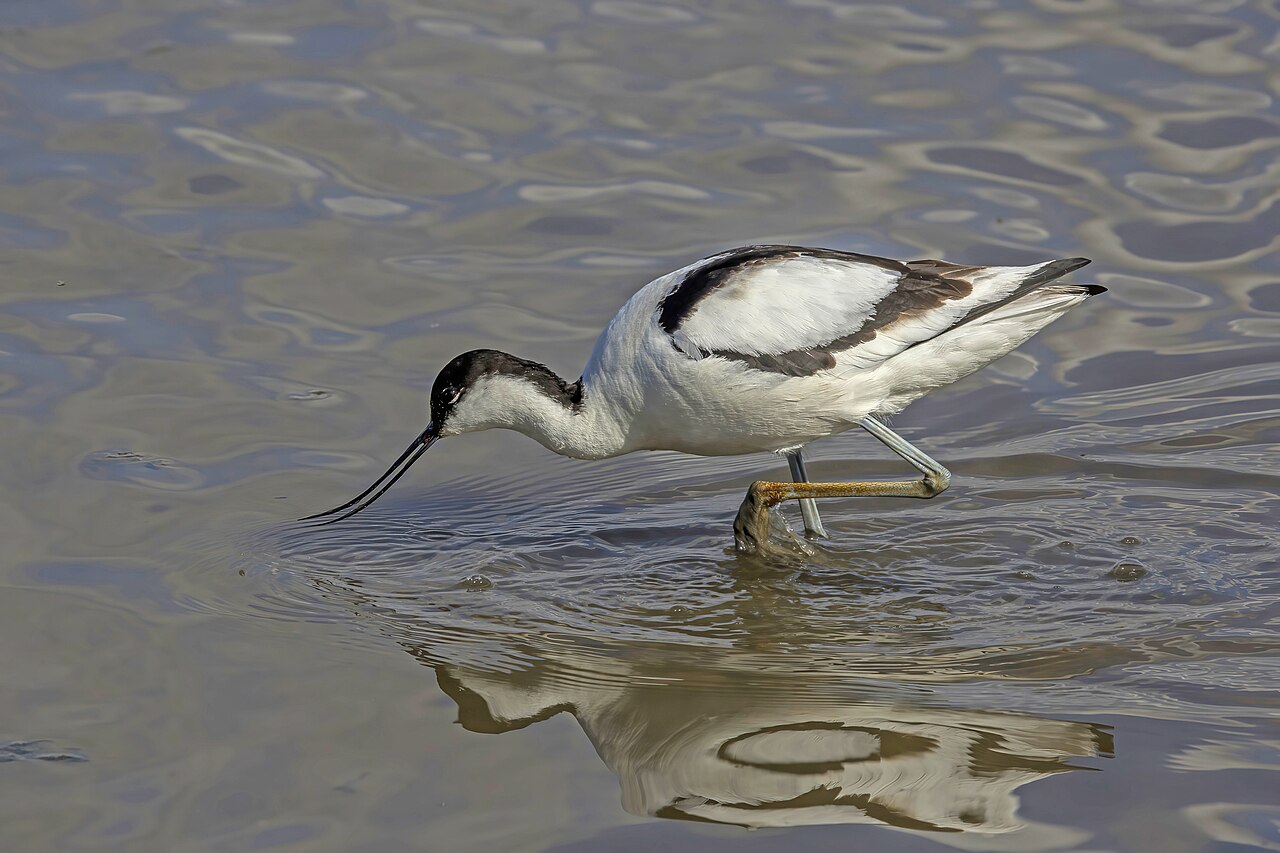
Ringed Pied Avocet Set a UK Longevity Record at 36 Years
A Pied Avocet ringed as a nestling at Titchwell Marsh on 2 July 1990 was identified alive at…
Read story →
Fungal Communities Differed Across Pied Avocet Breeding Substrates
Around ten Pied Avocet nest sites in China's Yellow River Delta, researchers detected 9,980 fungal DNA variants but…
Read story →
Female Pied Avocets Migrated Farther Than Males
The standardized migration-distance measure averaged 1,928 kilometres for GPS-tracked female pied avocets and 1,277 for males; females also…
Read story →SPECIES IN THIS STORY
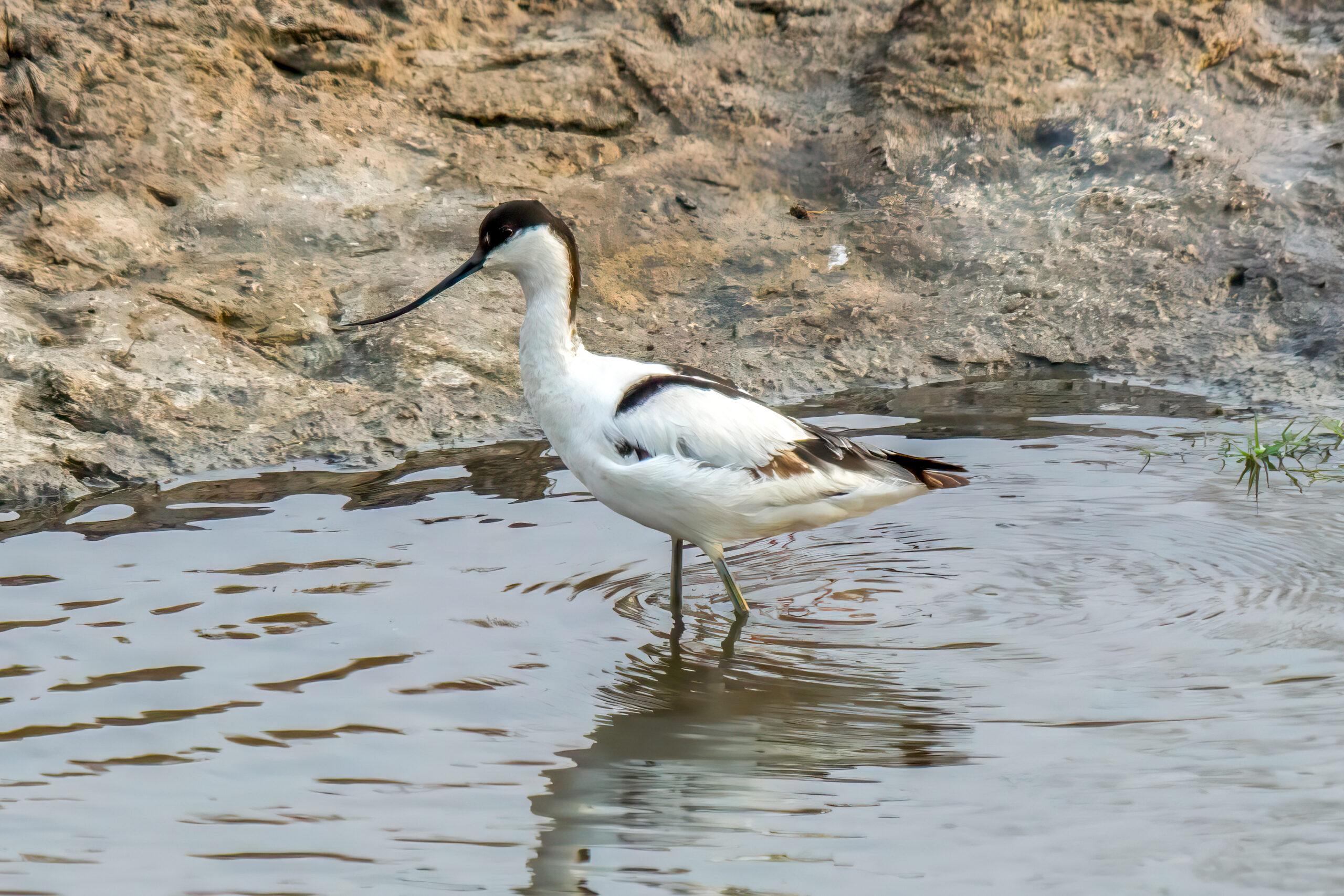
Species in this story
Independent research and conservation news archive
Did you find this information useful?
Wildlife Vagabond is independently built and maintained. Voluntary support helps cover source verification, hosting and continued work on research and conservation news.
Support Wildlife VagabondThe news archive will remain freely available.