
Female and Male Galápagos Short-eared Owls Differed in Several Blood Values
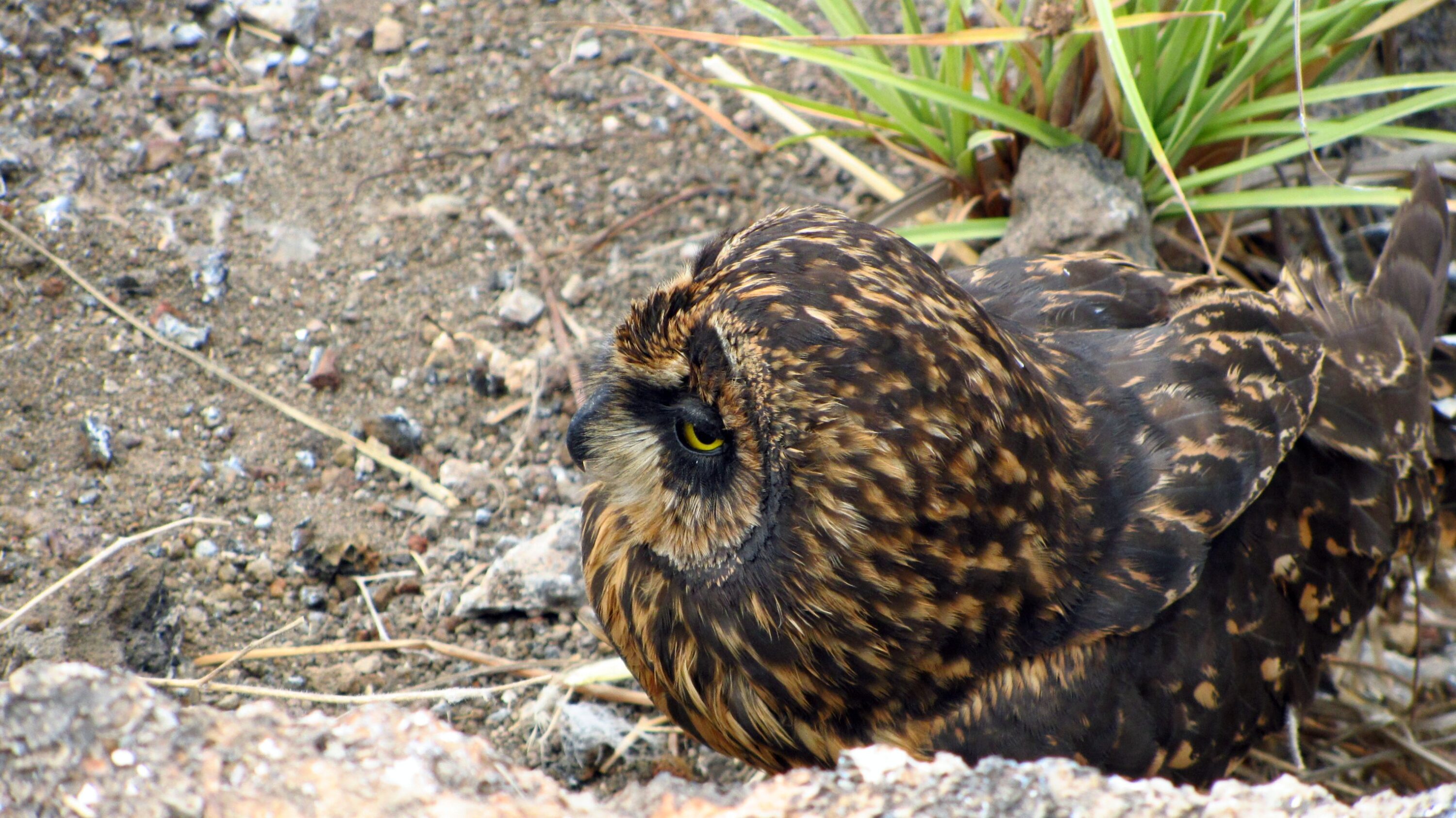
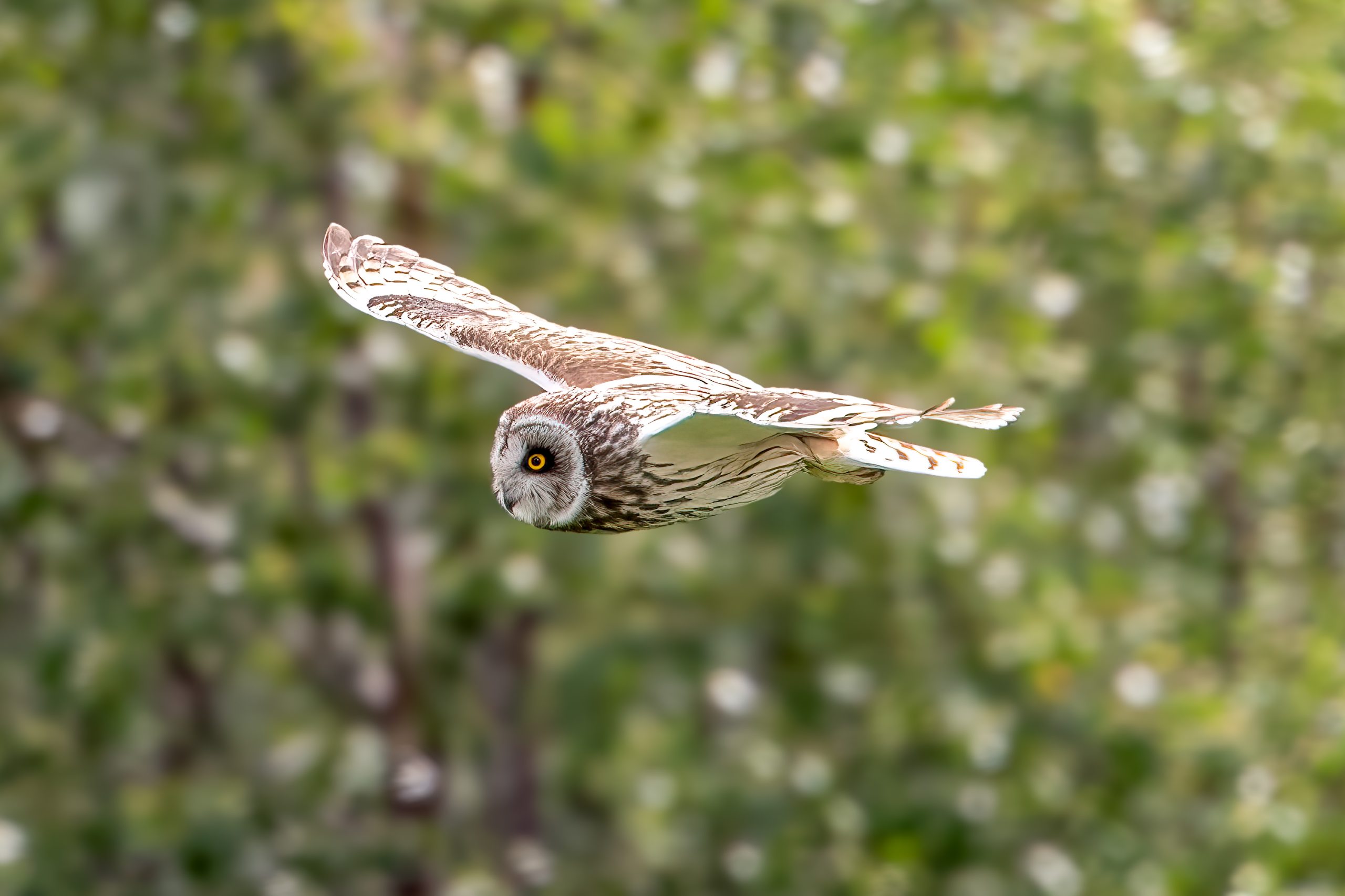
A 2026 study established haematology and plasma-biochemistry reference intervals for Galápagos short-eared owls (Asio flammeus galapagoensis) from Floreana Island. Reference intervals describe the range of blood values expected in clinically healthy animals and provide a baseline for interpreting later samples. The analysis used results from 62 clinically healthy adults temporarily held in human care during a rodent-eradication programme designed to protect the island ecosystem.
The owls had been brought into care because eradication bait created a risk of secondary rodenticide exposure to the island’s native raptor. Health examinations and blood sampling were carried out after the birds had spent several months under managed care, with the intention of releasing them after the poisoning risk had subsided. Molecular sexing identified 29 males and 33 females, allowing the researchers to compare blood values between the sexes.
Several blood values differed between females and males
Several blood values differed between the sexes. Females had higher packed cell volume — the proportion of blood made up by red blood cells — as well as higher monocyte counts, total protein, calcium and phosphorus. Males had higher uric acid and glucose concentrations. The authors note that the monocyte difference was too small to suggest a clinically important change. They also point out that calcium and total protein can vary in female birds with reproductive hormones; the elevated values here occurred outside the period normally associated with preparation for egg laying and may therefore reflect broader physiological differences between the sexes. The study also documented leukocyte morphology.
The reference values can support future health monitoring
The authors present these baselines as a tool for assessing the health of this distinctive island population during conservation work and for comparing values after the owls return to the wild.
Physiology
Related news
Western Finland’s Short-eared Owl Breeding Population Fell More Than 50% as Grassy Habitat Shrunk 46%
Over 47 years in western Finland, the local Short-eared Owl breeding population fell by more than 50% while…
Read story →
Galápagos Short-eared Owls Shared Volcanic Dust Baths on Floreana
Camera traps and field observations on Floreana documented repeated use of fine volcanic dust baths by Galápagos Short-eared…
Read story →
Short-eared Owls Wintering in Taiwan Used Two Distinct Spring Migration Routes
Seventeen GPS-tagged Short-eared Owls departed Taiwan in spring: 11 used a continental route through eastern China and six…
Read story →SPECIES IN THIS STORY
Species in this story
Independent research and conservation news archive
Did you find this information useful?
Wildlife Vagabond is independently built and maintained. Voluntary support helps cover source verification, hosting and continued work on research and conservation news.
Support Wildlife VagabondThe news archive will remain freely available.