
Game-Farm Ancestry Entered North American Mallard Populations in Repeated Waves
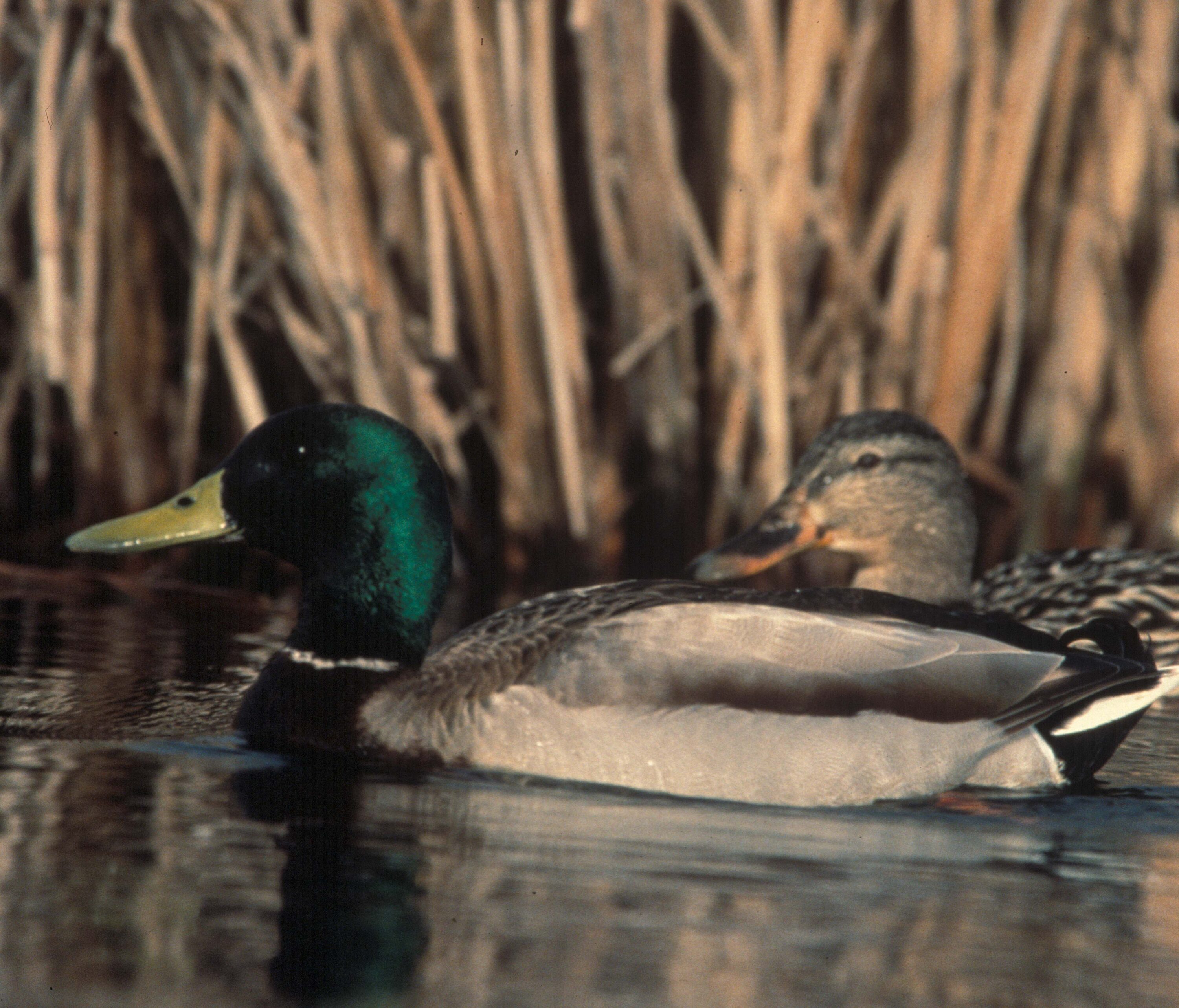
A historical genomics study has reconstructed more than a century of gene flow from captive-bred game-farm mallards into wild mallards (Anas platyrhynchos) across North America. The researchers sampled 664 museum specimens from 1800 to 2020 across the four major flyways and recovered sufficient DNA from 438 of them. They compared the historical record with modern genomic data. The study was published online on 24 July 2026 in Current Biology.
Game-farm ancestry entered wild populations in repeated waves
Game-farm mallards are a domesticated lineage bred specifically for release and sport hunting. Their genetic ancestry first appeared in the historical wild samples during the 1910s and 1920s, when large-scale releases were beginning to be reported in North America. The change did not result from one introgression event — gene flow in which genetic material from the game-farm lineage became incorporated into the wild population — or from a smooth, steady accumulation. Instead, the historical series showed repeated bouts in which game-farm ancestry entered wild populations.
Eastern flyways accumulated far more domestic ancestry
The geographic pattern was strongly uneven. Mallards in the Pacific and Central Flyways have remained largely genetically wild, whereas game-farm ancestry increased and persisted in the Atlantic and Mississippi Flyways. The strongest signals occurred around the Great Lakes and along the northeastern Atlantic coast, regions with a long history of releasing captive-bred mallards.
Extensive mixing was linked to lower genetic diversity
In eastern North America, the authors describe the present pattern as approaching a domestic × wild hybrid swarm: wild and game-farm ancestry have become so extensively mixed that the genetic distinction between the two sources is breaking down within populations. Groups with more game-farm ancestry also had lower nucleotide diversity — less genetic variation among their DNA sequences — while estimated inbreeding increased with the proportion of game-farm ancestry, indicating more genome segments inherited from shared ancestors.
The timing and geography of these genomic changes closely match the history of game-farm releases. The authors therefore conclude that continued stocking is actively reducing the genetic integrity, or “wildness,” of North American mallards in the most affected regions. They argue that the results have direct implications for captive-breeding and release programmes because repeated releases can keep adding domestic ancestry even after extensive mixing has already occurred.
Genetics & genomics
Related news
Seven overlaps linked wild-bird H5 clusters with poultry outbreaks in the US
Across seven periods between 2022 and 2025, clusters of H5 detections in wild waterfowl overlapped in time and…
Read story →
H5 Avian Influenza RNA and ESBL E. coli Detected in Water Bins Used by Wild Mallards in Germany
Water from baited bins visited mainly by wild mallards on Germany’s Baltic coast contained RNA from highly pathogenic…
Read story →
Papillomavirus Genomes Recovered from Three Northern Pintails and One Mallard in New Mexico
Cloacal swabs from three northern pintails and one mallard in New Mexico yielded four complete papillomavirus genomes. All…
Read story →SPECIES IN THIS STORY
Species in this story
Independent research and conservation news archive
Did you find this information useful?
Wildlife Vagabond is independently built and maintained. Voluntary support helps cover source verification, hosting and continued work on research and conservation news.
Support Wildlife VagabondThe news archive will remain freely available.