
Gastrointestinal Parasites Were Detected in 77% of Rhesus Macaque Faecal Samples at Two Kathmandu Sites
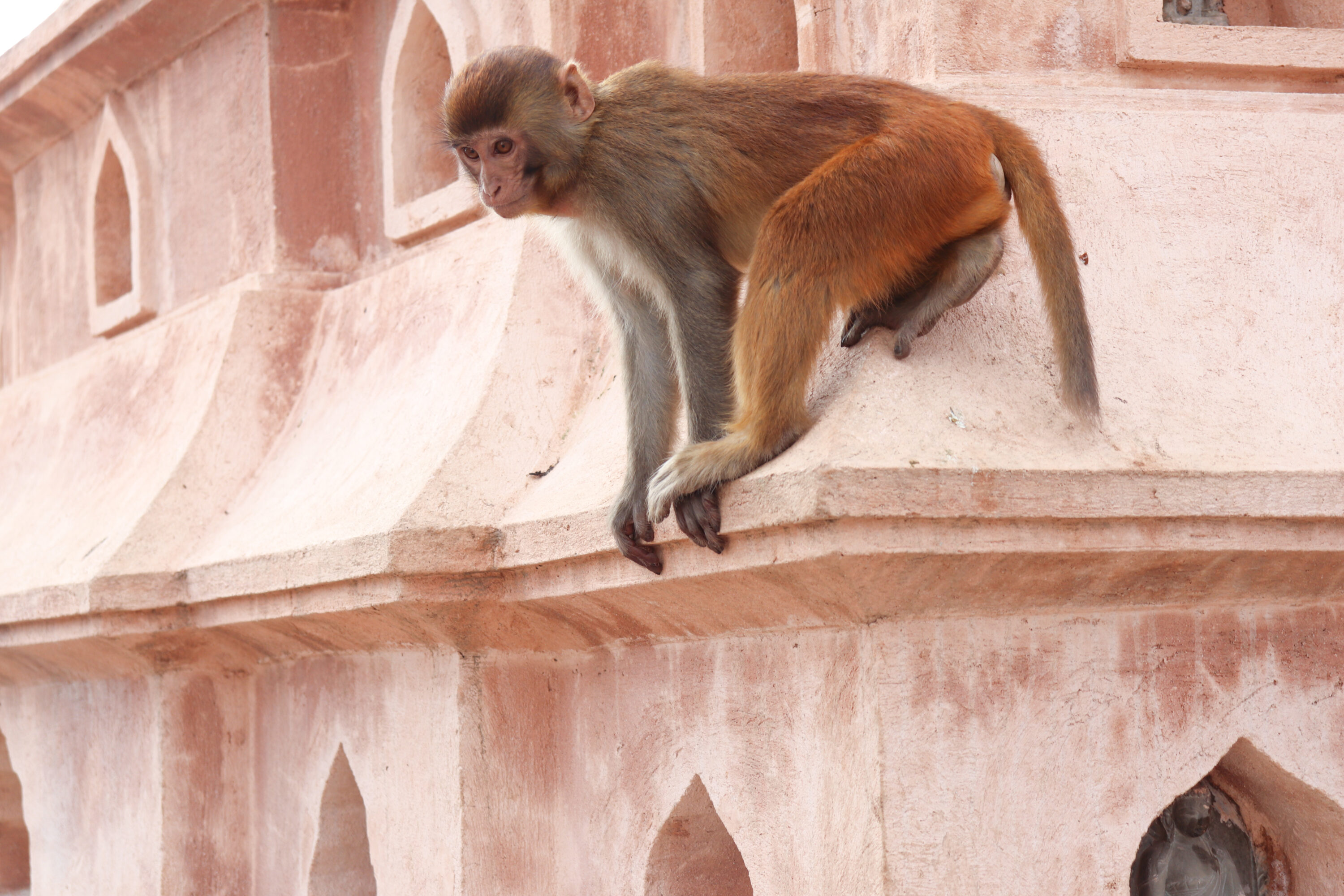
At two heavily visited religious sites in Kathmandu, Nepal, gastrointestinal parasites were detected in 81 of 105 fresh faecal samples from free-ranging rhesus macaques (Macaca mulatta). The samples came from Pashupatinath Temple and Swayambhunath Stupa, where macaques and people share the same urban spaces.
Researchers collected 45 samples at Pashupatinath and 60 at Swayambhunath during July and August 2024. They followed separate defecation events and moved between different groups to reduce the chance of sampling the same animal repeatedly, but the survey was still opportunistic and non-invasive. The reported 77.1% therefore describes the samples examined rather than a complete census of individual macaques.
Nine parasite genera were detected
Microscopic examination identified four protozoan and five helminth genera. Entamoeba was most frequent, occurring in 37.1% of all samples, followed by strongyle-type eggs at 25.7% and Strongyloides at 20.0%.
Multiple parasites in the same sample were common. Two parasite genera were detected together in 41.0% of all samples, while 7.6% contained three genera. Overall positivity was very similar at the two sites: 78.3% at Swayambhunath and 75.6% at Pashupatinath, and the analysis did not support a clear difference between them.
Zoonotic potential does not prove cross-species transmission
Eight of the nine detected genera include species known to have zoonotic potential. However, the study identified most parasites only from their microscopic appearance. It could therefore not determine exactly which species or strains were present, nor show that parasites had passed between macaques and people.
The authors interpret the findings as evidence of substantial environmental contamination and shared exposure risk at crowded human–macaque interfaces. They recommend improved sanitation, public awareness and continued monitoring within a One Health framework, which treats human, animal and environmental health as interconnected, while calling for molecular methods to resolve the parasites more precisely.
Disease, parasites & microbiology
Related news
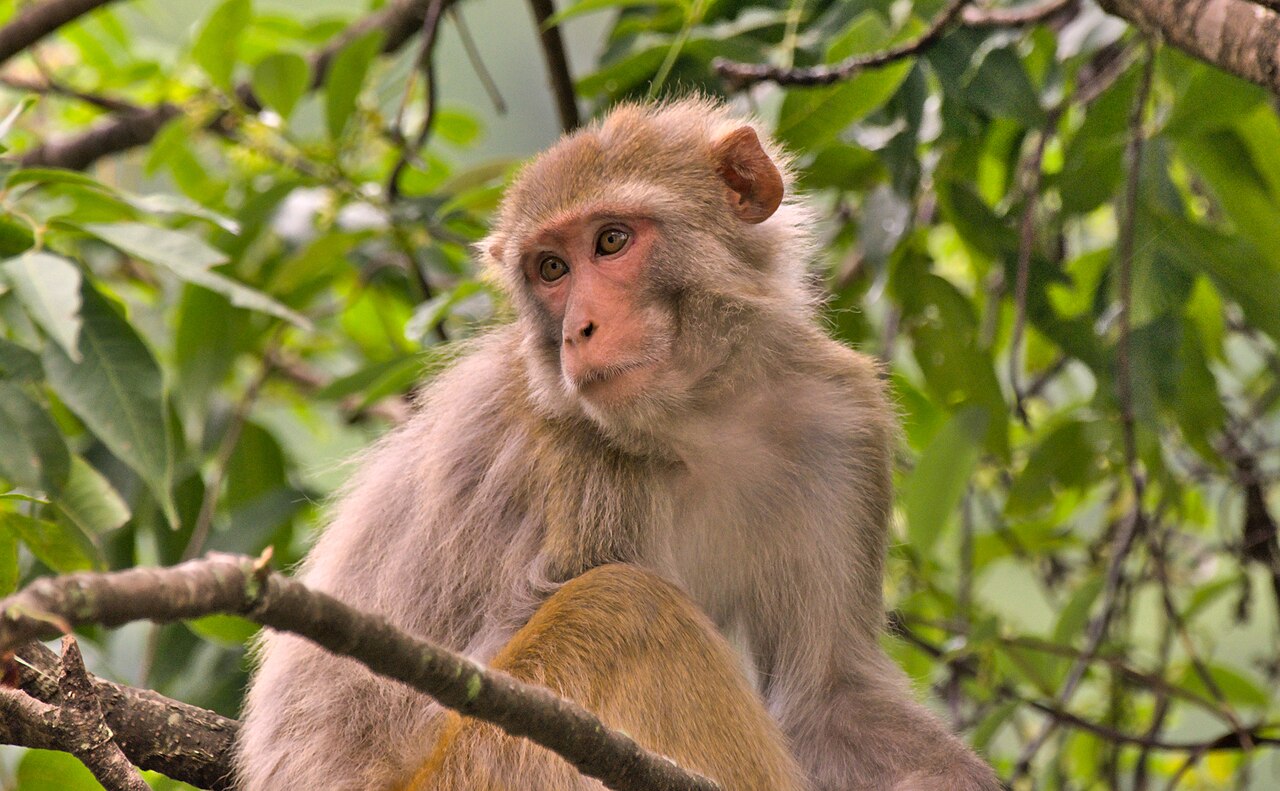
Female Rhesus Macaques That Watched Unfamiliar Female Faces Longer Were More Likely to Have Offspring the Following Year
At a semi-free-ranging population in Puerto Rico, females that spent longer looking at an unfamiliar female’s neutral face…
Read story →
Human Activity and Large Wildlife Overlapped Most in Chitwan’s Buffer Zone
Camera traps across Chitwan National Park and surrounding forests showed the greatest overlap of human activity with large…
Read story →
Aging rhesus macaques show broader protein changes in blood than in brain fluid
A study of 66 rhesus macaques found age-related differences in many more measured proteins in plasma than in…
Read story →SPECIES IN THIS STORY
Species in this story
Independent research and conservation news archive
Did you find this information useful?
Wildlife Vagabond is independently built and maintained. Voluntary support helps cover source verification, hosting and continued work on research and conservation news.
Support Wildlife VagabondThe news archive will remain freely available.