
Camera Traps Estimated 19.6 Gaur per km² in Northern Thailand
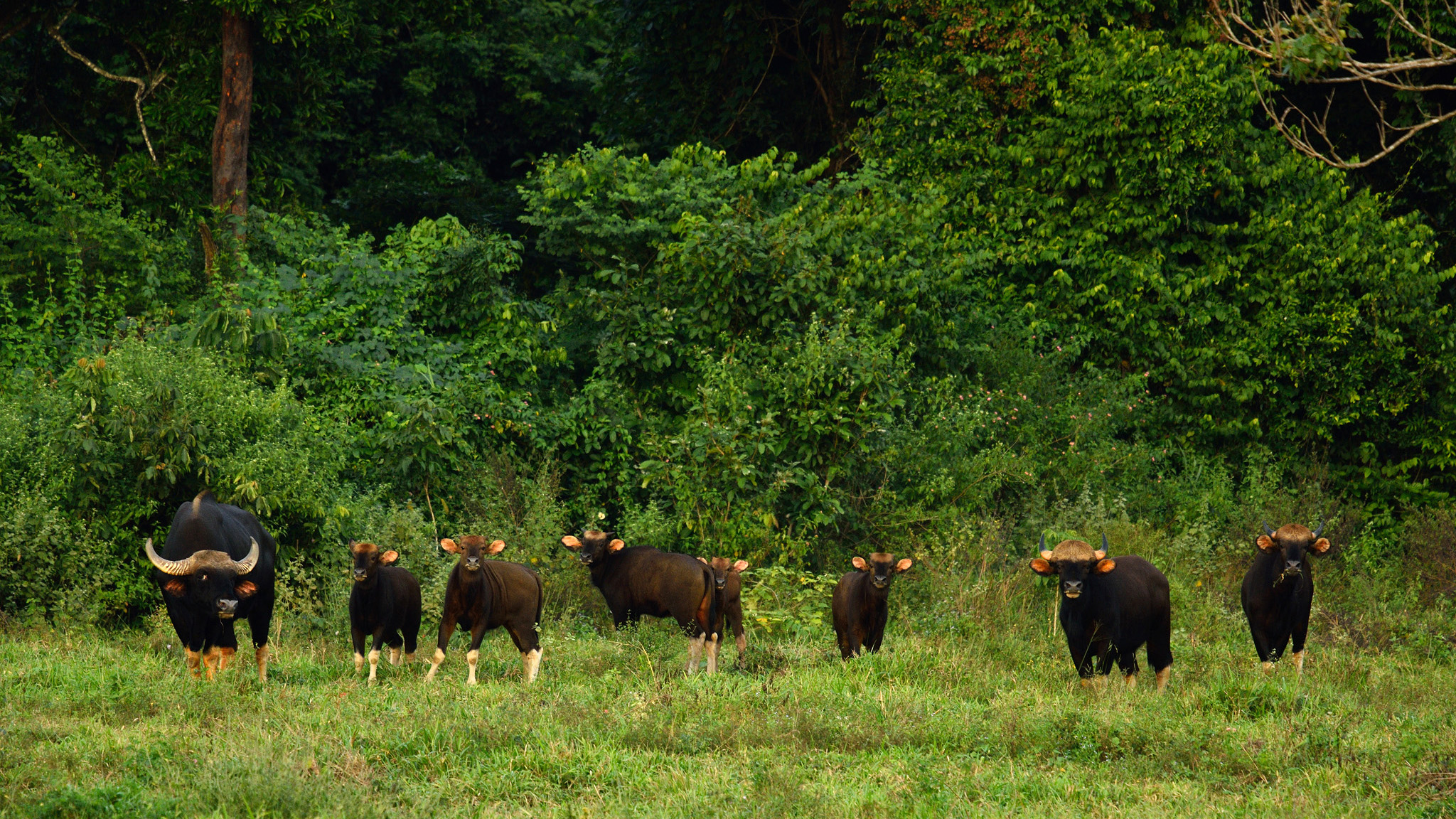
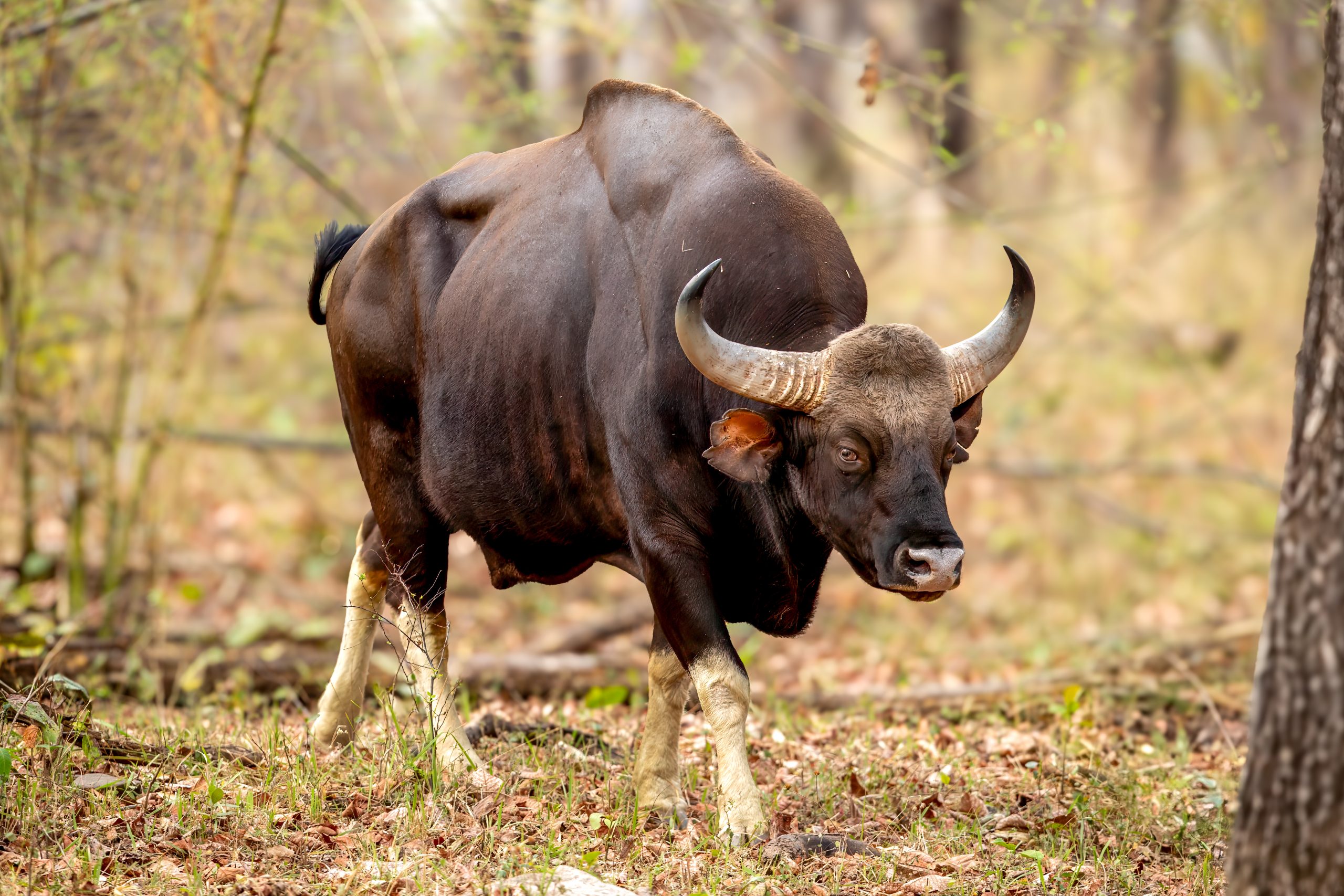
A year-long camera-trap study in Phu Fa Non-Hunting Area in northern Thailand estimated a gaur (Bos gaurus) density of 19.6 individuals per km². The study, published on 23 April 2026, also mapped where suitable habitat was concentrated across the roughly 119 km² protected area in Nan Province.
Ten camera stations operated from November 2024 to October 2025 for a total of 3,650 trap nights. They produced 27 independent gaur detections. Because individual gaur cannot usually be recognised reliably from camera images, the researchers used a Random Encounter Model to estimate density. Rather than counting known individuals, this approach combines how often animals pass the cameras with information about the cameras’ detection area and animal movement to estimate how many animals occupy a given area. The reported 19.6 gaur per km² is therefore a modelled density estimate, not the 27 camera detections divided by the size of the reserve.
About 29% of the area was classified as suitable habitat
The habitat model used 53 locations documented through field observations and signs of gaur, including tracks and dung. It compared the environmental conditions at those known presence points and then mapped where similar combinations occurred elsewhere in the reserve. About 35 km², or 29.4% of the study area, was classified as suitable habitat. The most suitable areas were concentrated at elevations of about 1,200–1,600 metres in montane and dry evergreen forest, often where forest was interspersed with ridge-top grassland. Distance to water, ranger stations and villages were among the variables most strongly associated with where gaur were recorded.
The authors recommend improving water sources and forage availability while maintaining connections between habitat patches. They also point to Phu Fa’s potential to connect large-mammal habitat between Thailand and Laos.
Ecology
Related news
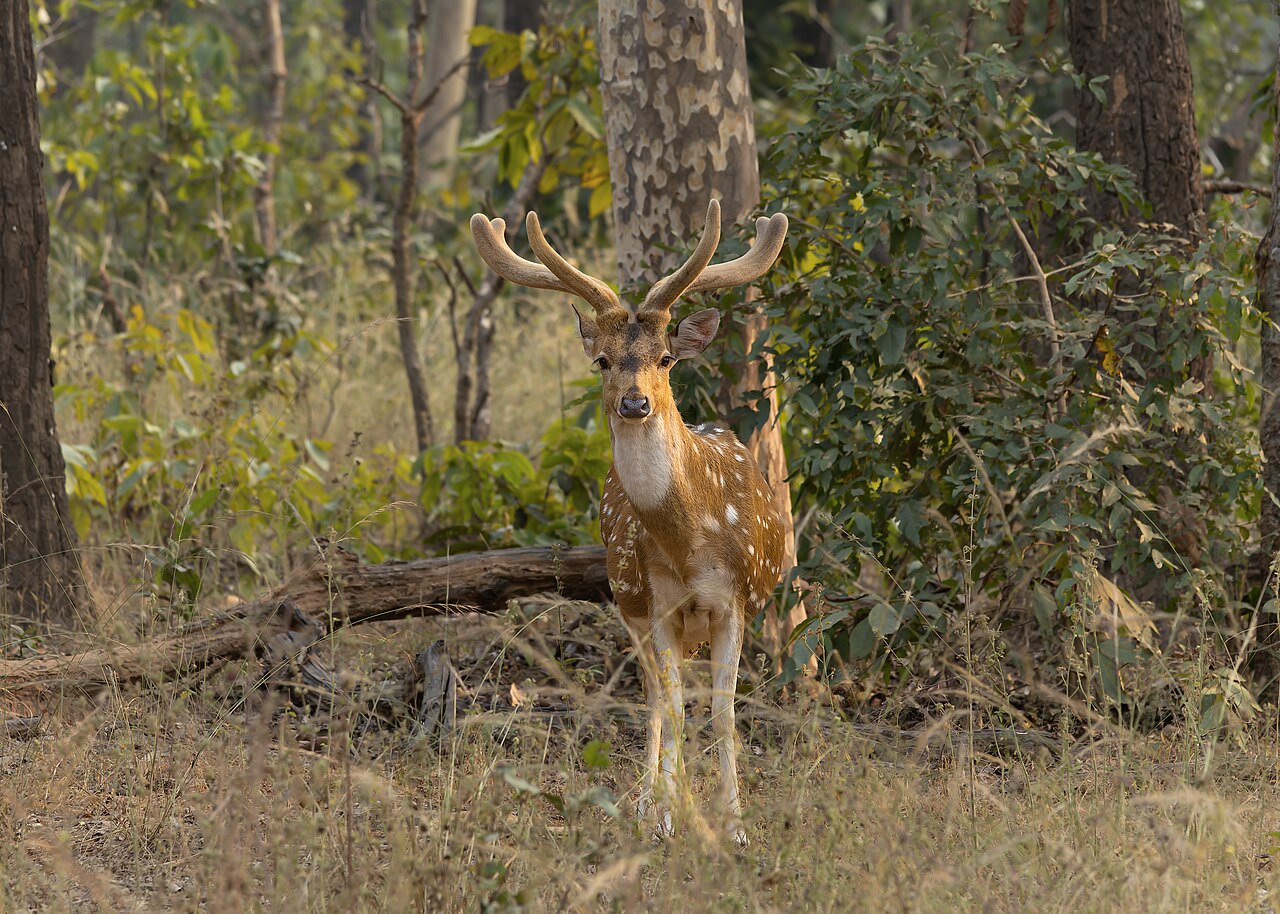
How Deer and Gaur Share Kanha’s Food Supply
In India’s Kanha National Park, Sambar and Gaur ate much the same food in winter but found it…
Read story →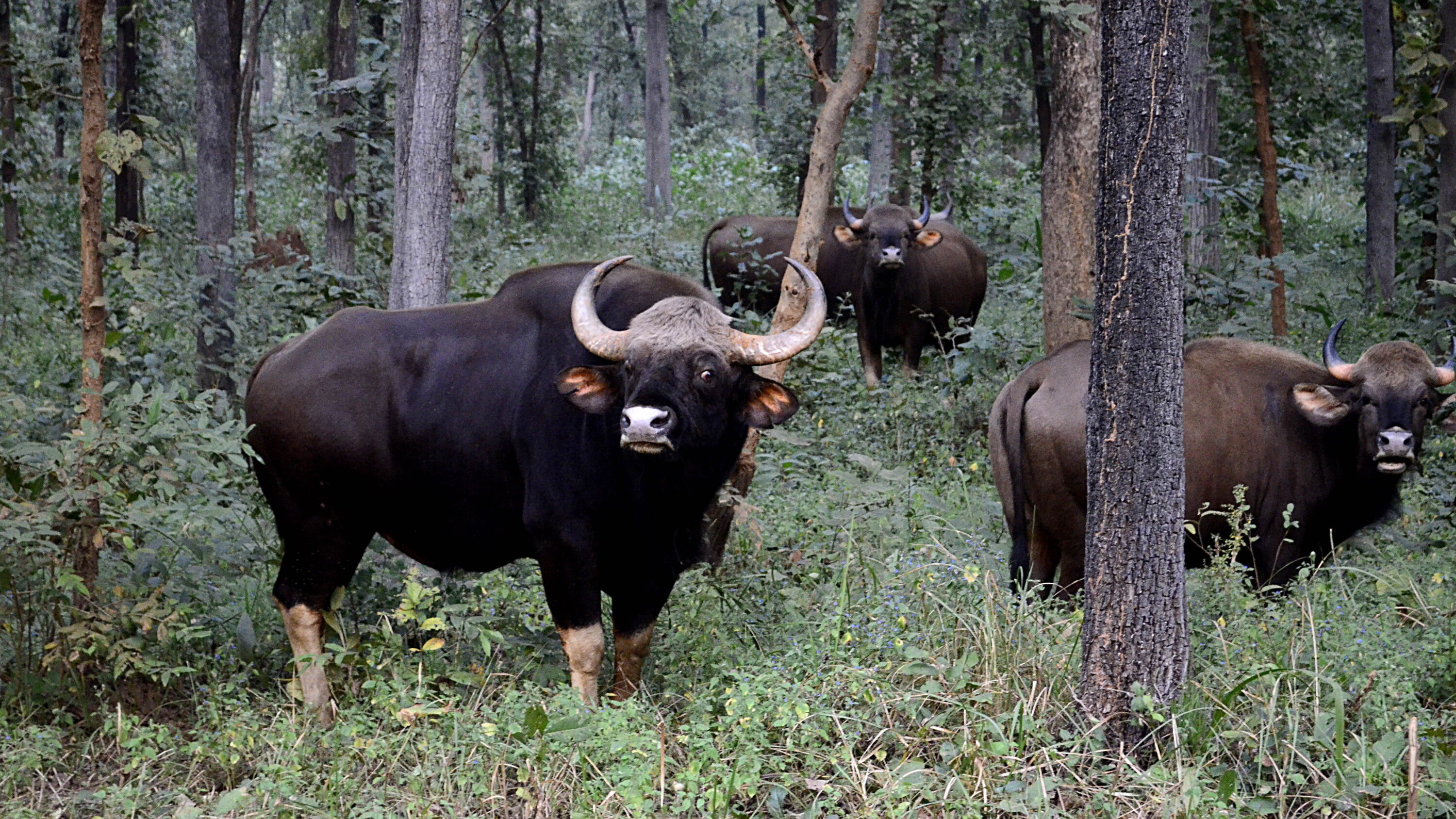
Reintroduced Gaur Explored for 90–200 Days Before Settling in Sanjay Tiger Reserve
Telemetry from seven reintroduced gaur showed prolonged exploration followed by stable space use and strong site fidelity, with…
Read story →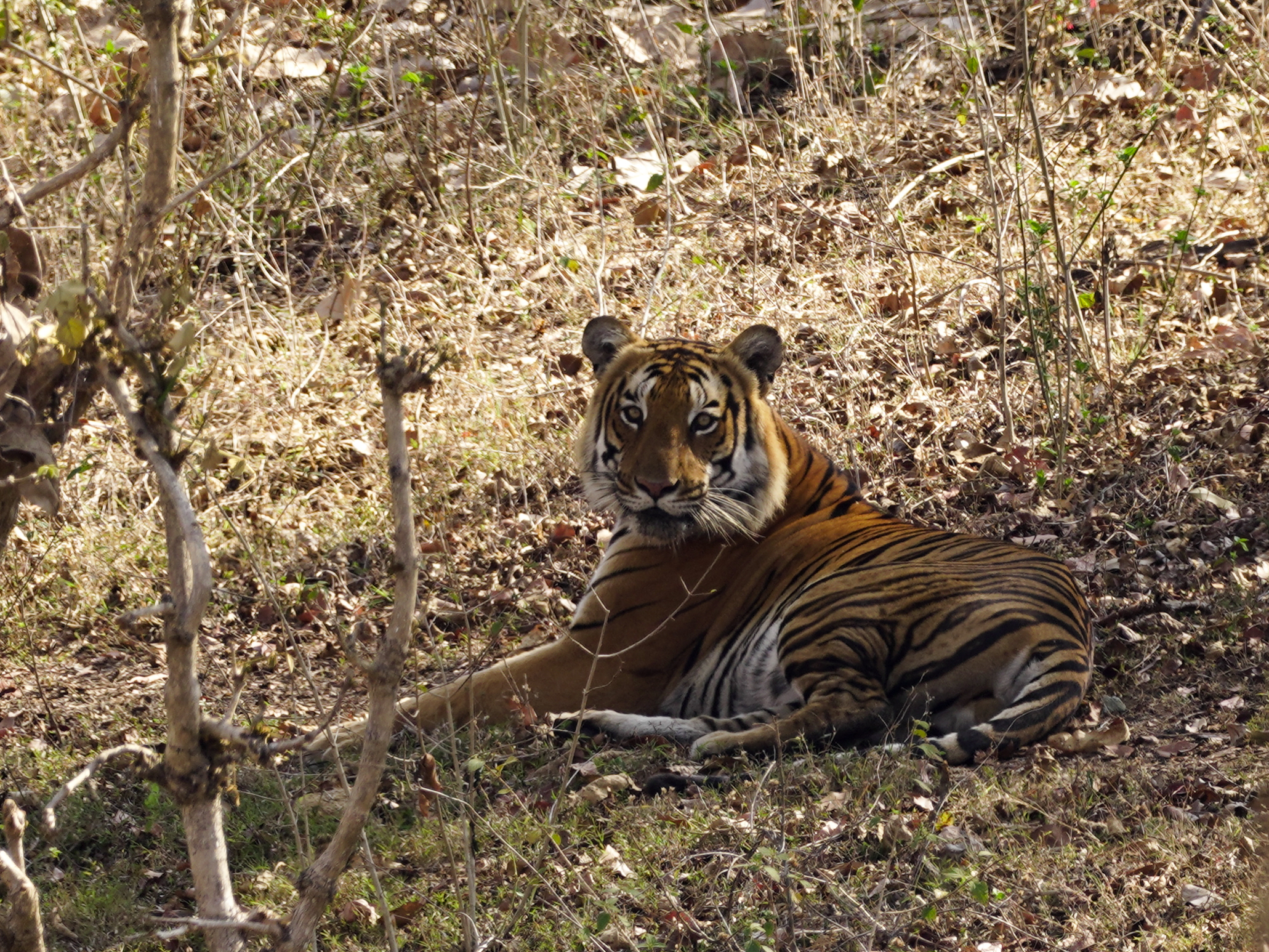
Key Movement Bottlenecks for Five Large Mammals Lay Outside Protected Areas in Tamil Nadu
A 2026 study of tiger, leopard, dhole, Asian elephant and gaur identified modelled movement bottlenecks outside protected areas,…
Read story →SPECIES IN THIS STORY
Species in this story
Independent research and conservation news archive
Did you find this information useful?
Wildlife Vagabond is independently built and maintained. Voluntary support helps cover source verification, hosting and continued work on research and conservation news.
Support Wildlife VagabondThe news archive will remain freely available.